
The charm of an antique style dressing table is hard to match, evoking memories of grand estates and old-world elegance. For many, the allure of these vintage pieces lies in their ability to add a touch of sophistication and timelessness to any room. However, finding and restoring an authentic antique dressing table can be a daunting task, especially for those new to collecting or furniture restoration.
If you’re looking to bring one of these beautiful pieces into your home, it’s essential to understand the history and design features that define them. From intricately carved woodwork to ornate mirrors and hardware, antique style dressing tables are a true work of art. This guide will take you through the process of choosing the perfect piece, restoring it to its former glory, and maintaining it for years to come, ensuring your antique dressing table remains a stunning focal point in your home for generations to come.
What is an Antique Style Dressing Table?
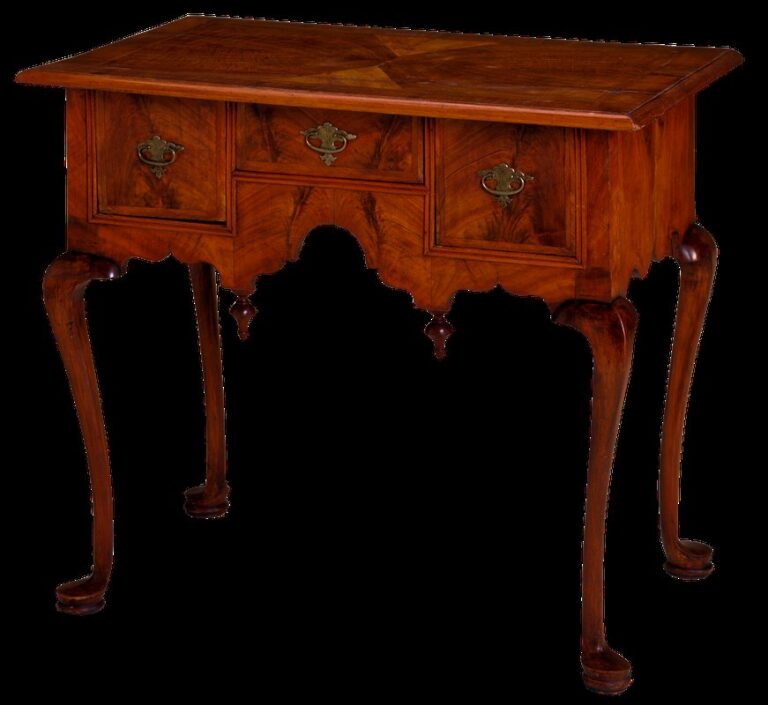
An antique style dressing table is a piece of furniture that evokes a sense of nostalgia and elegance, typically characterized by ornate details and classic designs. Its distinctive features are often inspired by historical periods like Victorian or Edwardian eras.
Origins and Evolution of Antique Dressing Tables
Antique dressing tables originated in the 17th century, emerging from a time when elaborate bedchambers were a staple of upper-class European households. These early pieces featured intricately carved wooden frames, often with ornate mirrors and decorative moldings. As the 18th century progressed, dressing tables became more refined, with designs influenced by neoclassicism and the rise of Rococo styles.
In the 19th century, the Victorian era introduced a new wave of elaborate dressing table designs, characterized by intricate carvings, gilded details, and a focus on opulence. The introduction of mirrors made from polished steel rather than glass further transformed the appearance of these pieces.
Throughout their evolution, antique style dressing tables have retained several key design elements that distinguish them from more modern counterparts. These include carved wooden frames with ornate details, intricate mirrorwork, and ornate hardware such as crystal knobs or metal escutcheons.
Key Features of Antique Style Dressing Tables
Antique style dressing tables are known for their ornate details and classic aesthetic. Intricate carvings, often found on the legs, drawers, and mirror frames, add a touch of elegance to these pieces. Carvings can be floral, geometric, or figurative, reflecting the craftsmanship of skilled woodworkers.
Ornate mirrors are another hallmark of antique style dressing tables. These mirrors typically have intricate frames with carvings, gilding, or other decorative elements that add visual interest. Look for mirrors with carved wooden surrounds, etched glass, or decorative metalwork to achieve a vintage look.
Classic hardware is also a defining feature of antique style dressing tables. Expect to find knobs and handles made from materials like brass, bronze, or porcelain, often featuring intricate designs or motifs. These elements contribute to the overall ornate feel of the piece. When shopping for an antique style dressing table, focus on these distinctive features to ensure you’re getting a genuine antique-style piece.
Choosing the Perfect Antique Style Dressing Table for Your Home
When selecting a vintage-inspired dressing table, several key factors come into play to ensure you find the perfect piece for your home’s unique style and needs. Considerations include size, material, and period-specific details.
Factors to Consider When Selecting an Antique Style Dressing Table
When selecting an antique style dressing table, size is a crucial consideration. Measure the space where the dressing table will be placed to ensure it fits comfortably without overcrowding the room. A general rule of thumb is to choose a table that is between 30 and 40 inches wide, allowing for easy movement around it.
The material of the dressing table is also essential. Antique style tables are often made from solid woods such as oak, pine, or cherry. While these options can add warmth and character to your room, they may require more maintenance than other materials. For example, a wooden table with intricate carvings or ornate details may need regular polishing to maintain its finish.
Color is another key factor to consider. Antique style dressing tables come in a range of colors, including soft pastels, rich woods, and distressed finishes. When choosing a color, consider the overall aesthetic you want to achieve in your bedroom. A brightly colored table can add a pop of personality to the room, while a more subdued tone may blend seamlessly with surrounding decor.
Finally, assess the condition of the dressing table. Look for any signs of damage or wear and tear, such as scratches, dents, or missing hardware. If you’re purchasing online, request high-quality photos to get a closer look at the table’s condition before making a purchase.
Tips for Measuring and Placing Your New Dressing Table
When measuring and placing a new antique style dressing table, consider the dimensions of both the table and the available space. Measure from wall to wall, and note any obstructions such as doorways or windows. Next, take note of the door swing in adjacent rooms, if applicable.
Typically, an antique style dressing table is between 30-40 inches wide and 60-72 inches tall. Keep these dimensions in mind when choosing a location for optimal flow through the room. Place the table near a window to take advantage of natural light, but ensure there’s enough clearance around it for comfortable navigation.
Consider the path you’ll create by placing the dressing table against a wall versus leaving space between it and other furniture pieces. In most bedrooms, leaving about 30-40 inches between the table and adjacent furniture is sufficient. Avoid placing the table directly across from the closet door or in front of any mirrors to prevent visual clutter. By taking these factors into account, you can create a harmonious flow within your bedroom decor and ensure that your new antique style dressing table becomes a beautiful focal point.
Restoration and Upcycling of Antique Style Dressing Tables
When it comes to rescuing an old dressing table from its worn-out state, restoration and upcycling techniques can breathe new life into its antique charm. We’ll explore creative ways to give your vintage beauty a fresh new look.
Common Problems and Solutions for Restoring an Antique Dressing Table
One of the most common problems when restoring an antique dressing table is damage to the surface finish. This can be due to years of wear and tear, or even DIY repairs gone wrong. To address this issue, it’s essential to assess the extent of the damage before proceeding with any restoration work. Start by cleaning the surface thoroughly to remove dirt, grime, and old wax. Then, inspect the damage for signs of scratches, dents, or unevenness.
If the finish is beyond repair, consider stripping it off entirely and applying a new one. This can be done using specialized chemicals, such as chemical strippers or refinishing products. However, be cautious when working with these substances, as they can be harsh on surfaces. On the other hand, if the finish is still intact but worn out, you can opt for a refinishing technique like waxing or varnishing to restore its original sheen.
Another common problem is loose joints and wobbly legs. This often occurs due to wooden shrinkage over time. To fix this issue, apply wood glue to the affected areas and let it dry before reassembling the table. For loose legs, you can use furniture wax or silicone-based products to stabilize them.
DIY Tips for Upcycling Your Antique Style Dressing Table
When it comes to upcycling an antique style dressing table, a fresh coat of paint can work wonders. Consider a soft pastel shade to give your table a vintage charm, or go for a bold color to modernize the look. For a more rustic approach, try using chalk paint and distressing the finish to reveal the underlying wood grain.
Update hardware fixtures by replacing old knobs with new ones that match the style of your table’s legs or drawers. Alternatively, refinish the existing knobs to give them a distressed or metallic finish. This simple swap can make a significant impact on the overall aesthetic.
If you’re looking for a more dramatic transformation, consider adding a glass top to protect the surface and create a sense of continuity with other pieces in your room. Measure carefully to ensure a snug fit, and choose a frame that complements the table’s legs or base. With these DIY tips, you can breathe new life into an old antique style dressing table and make it shine in your home.
Caring for Your Antique Style Dressing Table
To keep your antique style dressing table looking its best, you’ll want to learn how to properly clean and maintain its unique finish and hardware. Regular care will also prevent damage from dust and wear.
Maintenance and Cleaning of Antique Style Dressing Tables
Regular dusting is essential to prevent dirt and grime from accumulating on intricate carvings, moldings, and hardware. Use a soft-bristled brush or a dry cloth to gently sweep away loose particles. Avoid using vacuum cleaners or damp cloths, which can damage the finish or strip away protective wax.
For more thorough cleaning, mix a small amount of mild soap with warm water in a bowl. Dip a clean, lint-free cloth into the solution, wring it out thoroughly, and wipe down surfaces. Focus on one area at a time, working from top to bottom to prevent drips and streaks. Avoid applying excessive pressure or using abrasive materials that can scratch the finish.
Polishing antique style dressing tables requires attention to detail and patience. Use a high-quality furniture wax or polish specifically designed for antiques, following the manufacturer’s instructions carefully. Apply a small amount to a clean cloth and buff in circular motions, building up a thin layer of protection without leaving residue. Regular polishing will help maintain the table’s appearance and prevent fading over time.
Avoiding Common Mistakes When Caring for Your Antique Dressing Table
When caring for your antique style dressing table, it’s essential to avoid common mistakes that can damage its finish and longevity. One major oversight is using harsh chemicals on the surface. Avoid using bleach or ammonia-based cleaners, as they can strip away the original varnish and leave unsightly stains.
Also, be cautious when selecting cleaning products, as some may contain silicone or wax, which can build up over time and attract dust. Instead, opt for gentle, pH-neutral cleaners specifically designed for antique furniture. Avoid using abrasive materials like steel wool or scrubbers, as they can scratch the surface. Use a soft, dry cloth to wipe down the table, and consider applying a protective coat of wax or polish to maintain its finish.
Some cleaning products marketed as “antique-friendly” may still contain harsh chemicals or abrasive ingredients, so always read labels carefully. A small test patch on an inconspicuous area can help you determine whether a product is safe for your dressing table’s specific finish. By being mindful of these common mistakes and taking the time to properly clean and protect your antique style dressing table, you’ll be able to enjoy its beauty for years to come.
Where to Find Authentic Antique Style Dressing Tables
If you’re on a mission to find authentic antique style dressing tables, you’ll want to scour local antique shops and online marketplaces that specialize in vintage furniture.
Online Marketplaces and Resources for Finding Antique Dressing Tables
Many online marketplaces and resources cater specifically to antique collectors and enthusiasts. Websites like 1stdibs, Chairish, and Ruby Lane specialize in high-end vintage and antique furniture, including dressing tables. These platforms often feature authenticated items from reputable sellers, making it easier to find genuine antiques.
When browsing online marketplaces, look for listings that include detailed descriptions of the item’s history, materials, and provenance. Check if the seller has provided documentation or certificates of authenticity. Be wary of items with vague or incomplete descriptions – they may be reproductions or mislabeled as authentic.
Additionally, consider visiting online forums and social media groups dedicated to antique furniture enthusiasts. These communities often share knowledge, resources, and insider tips on finding rare and authentic pieces. Websites like eBay and Etsy also have sections dedicated to vintage and antique items, but be cautious of reproductions and ensure you’re buying from reputable sellers. When shopping online, always research the seller’s reputation and read reviews before making a purchase.
Tips for Inspecting and Evaluating the Condition of Your New Dressing Table
When inspecting a new antique style dressing table, it’s essential to look beyond its aesthetic appeal and assess its condition. Start by checking the overall structure: are the legs stable, and is the frame sturdy? Look for signs of warping or sagging, which can indicate underlying damage.
Next, examine the surface finish. Is it smooth and even, with a rich patina that suggests age? Or does it appear worn, scratched, or unevenly faded? Check for any missing or loose veneer, as this can compromise the table’s durability.
Pay attention to the hardware: do the drawers glide smoothly, and are the handles securely attached? Inspect the mirror, if present, for any signs of cracking or clouding. Finally, check the underside and back of the table for any evidence of repair or restoration work. A well-restored piece can be just as valuable as a pristine original, but it’s essential to know what you’re getting. By carefully evaluating these factors, you’ll be better equipped to make an informed decision about your new dressing table’s quality and value.
Conclusion
In conclusion, finding the perfect antique style dressing table is not just about aesthetics; it’s about creating a timeless and elegant space that reflects your personal taste. With so many styles and designs available, it can be overwhelming to choose the right one. To make an informed decision, remember to consider the era of design you’re drawn to – whether it’s Victorian, Edwardian, or Art Deco. Consider the overall shape and size of the table, as well as its material and finish. Don’t forget to think about functionality – do you need drawers, shelves, or a specific number of mirrors? By weighing these factors, you’ll be able to find an antique style dressing table that not only looks stunning but also meets your practical needs.
Frequently Asked Questions
Can I restore an antique style dressing table myself, or should I hire a professional?
You can try restoring an antique style dressing table yourself, but it’s often best to seek the help of a professional when dealing with intricate carvings, antique hardware, and delicate restoration techniques. Hiring a professional can ensure that your antique dressing table is restored with care and attention to detail.
How do I decide between purchasing online or in-person at an antique market or auction?
When deciding between buying online or in-person, consider the level of authenticity you need. Online marketplaces often have authentic antiques, but it’s essential to research and verify the seller’s reputation before making a purchase. In-person shopping allows for immediate inspection and evaluation, which can be beneficial when searching for rare or unique pieces.
Can I use modern hardware on my antique style dressing table without compromising its authenticity?
While using modern hardware may not compromise the structural integrity of your antique dressing table, it can affect its aesthetic value and historical accuracy. To maintain the piece’s original charm, consider replacing only what is necessary and opting for hardware that matches or complements the existing fixtures.
How do I know if a vintage or antique style dressing table has been previously refinished?
Examine the surface carefully for signs of layering, such as mismatched grain patterns or inconsistent finish colors. Check for any visible scratches or marks that may indicate previous refinishing. If you’re still unsure, consult with an expert or consider purchasing from a reputable seller who provides detailed information about the piece’s history.
Can I use my antique style dressing table in a modern bathroom, or are they best suited for traditional bedrooms?
While antique style dressing tables were originally designed for bedrooms, their classic design and timeless appeal can complement modern bathrooms as well. To incorporate an antique dressing table into your bathroom, pair it with modern fixtures and choose a finish that complements the surrounding decor.