
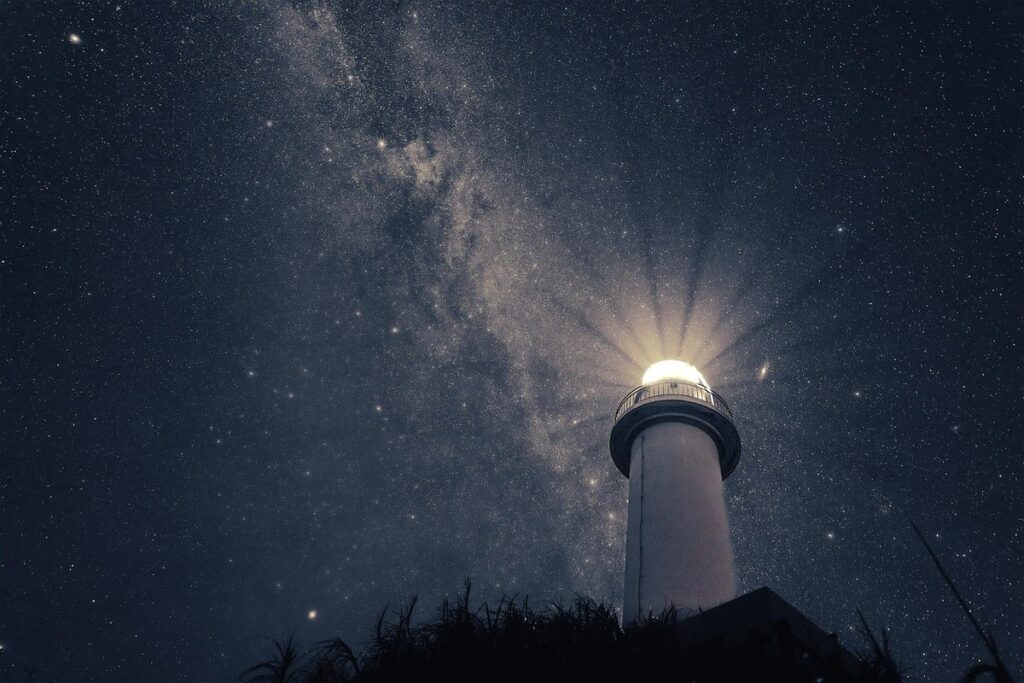
The Milky Way is one of the most breathtaking sights in the night sky, but its visibility can be fleeting due to urban light pollution. You may have caught glimpses of it on camping trips or in remote areas, but finding a spot where you can see it clearly at home can be challenging. The beauty of this phenomenon lies not only in its aesthetic appeal but also in its significance as a celestial wonder that has captivated humans for centuries. In this article, we’ll explore the optimal viewing conditions and dark location selection necessary to enhance your stargazing experience with a clear view of the Milky Way. We’ll also provide equipment tips to help you make the most of this natural spectacle, so by the end of this guide, you’ll know how to see the Milky Way in all its glory.
Understanding the Milky Way’s Structure
The Milky Way is a vast, intricate galaxy, and understanding its structure is crucial for astronomers and stargazers alike to grasp its majestic beauty. We’ll break down its key components and how they contribute to its unique appearance.
What is the Milky Way?
The Milky Way is a barred spiral galaxy, characterized by a central bar-shaped structure and sweeping spiral arms. These arms are home to hundreds of billions of stars, each with its own unique characteristics and properties. In addition to stars, the Milky Way contains various types of interstellar gas and dust, which play a crucial role in star formation and evolution.
The composition of the Milky Way is not uniform throughout. Different regions contain varying levels of gas and dust, influencing the types of stars that form within them. For example, areas with high concentrations of gas tend to produce more massive stars, while those with lower gas densities yield smaller, cooler stars.
Understanding the structure and composition of the Milky Way provides context for its visibility in the night sky. As you learn to identify specific features and patterns within our galaxy, you’ll develop a deeper appreciation for its majesty and complexity.
The Milky Way’s Position in Space
The Milky Way’s position in space is a crucial aspect of understanding its visibility. Located within the Virgo Cluster, our galaxy is part of the Local Group, which comprises over 50 galaxies. The Virgo Cluster itself is one of the largest and closest to us, containing approximately 2,000 galaxies.
To put this into perspective, consider that the Milky Way’s nearest major galaxy neighbor, Andromeda (M31), is around 2.5 million light-years away. This proximity allows for a striking view when observed under optimal conditions. However, it also means that we see only one side of Andromeda due to its immense distance.
The Milky Way’s location within the Virgo Cluster affects its visibility from Earth. As our galaxy moves through the cluster, it encounters varying densities of intergalactic gas and dust, which can obscure or distort views of distant galaxies. Understanding this context is essential for planning successful observation sessions.
Factors Affecting Visibility
The conditions on a given night can greatly impact your chances of seeing the Milky Way, so let’s explore how light pollution and cloud cover affect visibility.
Atmospheric Conditions
Light pollution is a significant factor affecting visibility of the Milky Way. Artificial light from urban areas can scatter into the atmosphere and reduce contrast between the galaxy’s bright stars and the surrounding sky. To minimize its impact, try to observe from locations farthest from city centers or use software that maps light pollution levels in your area.
Cloud cover can also obstruct views of the Milky Way. Thick clouds can block light from the galaxy entirely, while thin cirrus clouds may scatter starlight, making it harder to discern the galaxy’s shape and structure. Check local weather forecasts before heading out to observe, and be prepared for changes in cloud cover that may impact your viewing conditions.
Humidity levels also play a role in visibility. High humidity can cause atmospheric distortions that make stars appear blurry or hazy, while low humidity can lead to increased light scattering from dust particles in the air. Avoid observing during periods of high relative humidity (typically above 80%) if possible.
Time of Year and Best Viewing Times
The Earth’s position in its orbit around the Sun has a significant impact on the visibility of the Milky Way. As our planet moves throughout the year, different parts of the galaxy are visible from various latitudes. The best viewing times for the Milky Way depend on the time of year and your location.
During the summer months in the Northern Hemisphere (June to August), the Milky Way is highest in the sky around midnight, making it an ideal time for viewing. In contrast, during the winter months (December to February), the galaxy is lower in the sky due to the Earth’s tilt. However, this period offers a unique opportunity to observe the Milky Way as it appears more compact and centralized.
In terms of specific viewing times, aim to observe the Milky Way between 9 PM and 3 AM when the skies are typically darkest. Additionally, try to avoid nights with a full moon or lunar illumination, as this can brighten the sky and make the galaxy less visible. By considering these factors, you can increase your chances of seeing the Milky Way in all its glory.
Choosing a Dark Location
When searching for the perfect spot to view the Milky Way, choosing a dark location is crucial, as light pollution can easily overpower the faint glow of our galaxy. Where should you go?
Identifying Dark Sky Preserves
To identify dark sky preserves, start by searching online for certified locations near you. Organizations like the International Dark-Sky Association (IDA) and the Dark-Sky Association provide lists of designated dark sky preserves around the world. You can also use websites like Dark Site Finder or Find a Dark Sky Place to locate nearby areas with minimal light pollution.
When using these resources, pay attention to the certification level, as some locations may have been granted more stringent standards for minimizing artificial lighting. For instance, gold-tier sites are considered to be among the darkest places on Earth. Familiarize yourself with the specific rules and regulations of each preserve, such as any restricted areas or guidelines for using flashlights.
Consider visiting the website or contacting the local authorities for more information about the site’s conditions and accessibility. Keep in mind that some preserves may have limited access due to private property or sensitive ecosystems. Be respectful of these restrictions and follow all posted guidelines to ensure an enjoyable and responsible stargazing experience.
Portable Alternatives to Dark Sky Preserves
For those who can’t make it to a dark sky preserve, there are still ways to enhance your Milky Way viewing experience. Portable telescopes and binoculars can be game-changers for stargazers on-the-go. When choosing a portable telescope, consider a reflector or Schmidt-Cassegrain design – these types tend to be more compact and easier to use.
When it comes to binoculars, look for models with wide fields of view (around 6-8°) and good low-light performance. Some popular options include the Celestron SkyMaster and the Orion Giant View. Consider investing in a tripod to stabilize your binoculars or telescope, making it easier to track celestial objects.
To get the most out of your portable setup, find a location with minimal light pollution and try to observe during the best viewing times (typically between 10 PM and 2 AM). Be patient and give your eyes time to adjust – it can take up to 20 minutes for your rods to fully adapt to the dark. With the right equipment and a bit of planning, you can still enjoy breathtaking views of the Milky Way from almost anywhere.
Tips for Viewing the Milky Way
To get the most out of your stargazing experience, here are some practical tips on how to best view the Milky Way in a dark and clear sky.
Preparing Your Eyes and Equipment
Before attempting to view the Milky Way, it’s essential to prepare your eyes and equipment for optimal conditions. Start by giving your eyes time to adapt to the dark environment. Allow at least 20 minutes for your pupils to dilate fully, which will help you see more stars.
Next, adjust your telescope or binoculars accordingly. If using a telescope, make sure the focuser is set to its most relaxed position. This allows for easier adjustments during viewing. For binoculars, ensure that they are focused on a distant object, such as a tree or building, before attempting to view the Milky Way.
Avoid using the “focus” adjustment on your binoculars in the dark, as it’s easy to misjudge and make things worse. Instead, focus them beforehand when there is still some ambient light available. A small red light can be used to illuminate controls without disrupting your night vision.
Common Mistakes to Avoid
When attempting to view the Milky Way, it’s easy to make mistakes that can detract from the experience. One common error is overexposure to light pollution. This occurs when you’re viewing the night sky in an area with bright streetlights or other sources of artificial illumination. Light pollution scatters and absorbs the faint light of distant stars, making them appear dimmer than they should be.
To avoid this issue, choose a location that’s as dark as possible. Dark Sky Preserves are ideal, but if you can’t access one, try to find an area with minimal lighting. If you must observe in a lit area, consider using a light pollution filter on your telescope or binoculars – these filters block certain wavelengths of light and allow the dimmer stars to shine through.
Another mistake is improper telescope alignment. When setting up your telescope, ensure that it’s aligned correctly with the celestial equator. If you’re unsure how to do this, consult your telescope’s manual or seek guidance from an experienced astronomer. Proper alignment will help you find the Milky Way’s position in the sky and avoid frustration during observation.
Advanced Techniques for Observation
To take your Milky Way observation skills to the next level, we’ll explore advanced techniques that help you spot even more of its breathtaking detail.
Astrophotography of the Milky Way
To capture high-quality images of the Milky Way, you’ll need a camera with manual controls and a wide-angle lens, preferably between 10-24mm. The key to a successful astrophotography session is a combination of technical expertise and knowledge of the equipment’s capabilities.
For optimal results, use a tripod to stabilize the camera and avoid any camera shake that can blur your images. A remote shutter release or the camera’s timer can help minimize noise. When selecting a location, prioritize areas with minimal light pollution, as this will allow you to capture more vivid details in the Milky Way.
In terms of technical settings, start by setting your ISO to 1600-3200 and an exposure time between 20-30 seconds. Bracketing your shots can help you capture a range of exposures, allowing for more flexibility during post-processing. Keep in mind that overexposure will wash out the details, while underexposure may not reveal the full extent of the Milky Way’s structure.
It’s essential to consider the camera’s white balance settings, which should be set to manual or daylight mode to avoid any color casts.
Deep-Sky Observations with Telescopes
When observing the Milky Way through a telescope, you’re not just looking for its majestic sweep across the sky. You’re also hunting for subtle features like star clusters and nebulae that add depth and complexity to our galaxy’s appearance. To detect these faint objects, astronomers use a technique called “deep-sky observing.” This involves collecting light from the object over an extended period, typically several minutes or even hours.
To set up your telescope for deep-sky observing, you’ll need to adjust its focus and magnification settings carefully. A higher magnification can help you resolve more detail in these faint objects, but be careful not to push the limit too far – excessive magnification can introduce distortions that obscure your view. For star clusters, a lower magnification (around 100-200x) is often sufficient to appreciate their overall structure and size.
For nebulae, a slightly higher magnification may be necessary to reveal subtle details like filaments or other textures. Be sure to use a Barlow lens or a focal extender if your telescope’s native focal length isn’t long enough to capture these delicate features. Practice makes perfect, so take the time to experiment with different settings and techniques to find what works best for you.
Conclusion: Making the Most of Your Milky Way Experience
As you conclude your journey through the guide, it’s time to make the most of your newfound knowledge and plan a successful Milky Way observation experience. With these final tips, you’ll be well on your way to witnessing this celestial wonder.
Tips for Encouraging Others to Join You
When you’ve finally spotted the Milky Way’s majestic sweep in the night sky, it can be tempting to share the experience with others. However, inviting friends and family to join you might seem daunting, especially if they’re not familiar with stargazing. To make your Milky Way viewing sessions more enjoyable for everyone, start by creating a welcoming atmosphere.
This means choosing a location that’s easy to access and has minimal light pollution. If you’re hosting a group, consider renting a dark-sky preserve or finding a secluded spot with minimal distractions. Make sure to bring comfortable seating and warm blankets to keep your guests cozy during the viewing session.
Beginners might feel intimidated by the equipment or terminology used in stargazing. To put them at ease, explain the basics of what you’re looking for and why it’s special. Avoid using overly technical jargon, and focus on sharing the wonder of the Milky Way itself. Encourage your guests to ask questions and explore their surroundings.
To make the experience even more engaging, consider setting up a telescope or binoculars with a low-magnification eyepiece that allows multiple people to view the same object together. You can also bring a star chart or app that highlights interesting features of the Milky Way, such as globular clusters or nebulae.
Remember, the goal is to share your passion for stargazing in an inclusive and enjoyable way. By creating a welcoming atmosphere and being approachable with your knowledge, you’ll make your guests feel more confident and excited about exploring the night sky together.
Frequently Asked Questions
Can I see the Milky Way in cities with heavy light pollution?
Yes, it’s possible to see the Milky Way in cities with significant light pollution, but it will be challenging. You can try looking for areas with minimal streetlights or find a spot with a clear view of the south horizon. Even if you can’t see the entire galaxy, you might catch glimpses of its core.
How do I know when to expect optimal viewing conditions in my area?
Check local astronomy clubs or online forums for forecasts on lunar cycles and planetary alignments that can impact Milky Way visibility. You can also download apps like Dark Sky or Stellarium Mobile to help predict optimal viewing times based on your location.
What if it’s cloudy or raining? Are there any alternatives for observing the Milky Way?
While clear skies are ideal, you can still observe the Milky Way with a telescope or binoculars when clouds are present. Try using a camera with a wide-angle lens or a smartphone app like Sky Map to navigate and locate the galaxy through cloud cover.
Can I use my phone’s camera to take decent photos of the Milky Way?
Yes, but you’ll need to invest in a good tripod, a wide-angle lens attachment (if possible), and some patience. Set your camera to manual mode, adjust the ISO and exposure time for optimal results, and try taking multiple shots to capture the galaxy’s movement.
How can I convince my family or friends to join me for stargazing sessions?
Focus on sharing the experience, not just showing off your knowledge. Bring blankets, snacks, and comfortable seating to create a welcoming atmosphere. Emphasize the benefits of spending time together under the stars, like reducing screen time and improving mental well-being.