
The 1950s was a pivotal time for furniture design, particularly when it comes to couches. Sleek, modern silhouettes and innovative materials like foam cushions and vinyl upholstery revolutionized the way people lived and entertained in their homes. Iconic designs like the Chesterfield sofa and the Eames lounge chair set the tone for mid-century modern style, influencing interior designers and homeowners alike.
As a collector or restorer of vintage furniture, you know that understanding the defining characteristics of 1950 couch styles is crucial to identifying true originals and restoring them to their former glory. This article will explore the iconic designs, lasting impact on contemporary design, and practical tips for collectors and restorers working with these timeless pieces. By the end of this article, you’ll be able to identify key features of 1950s couch styles and make informed decisions when it comes to collecting or restoring vintage furniture.
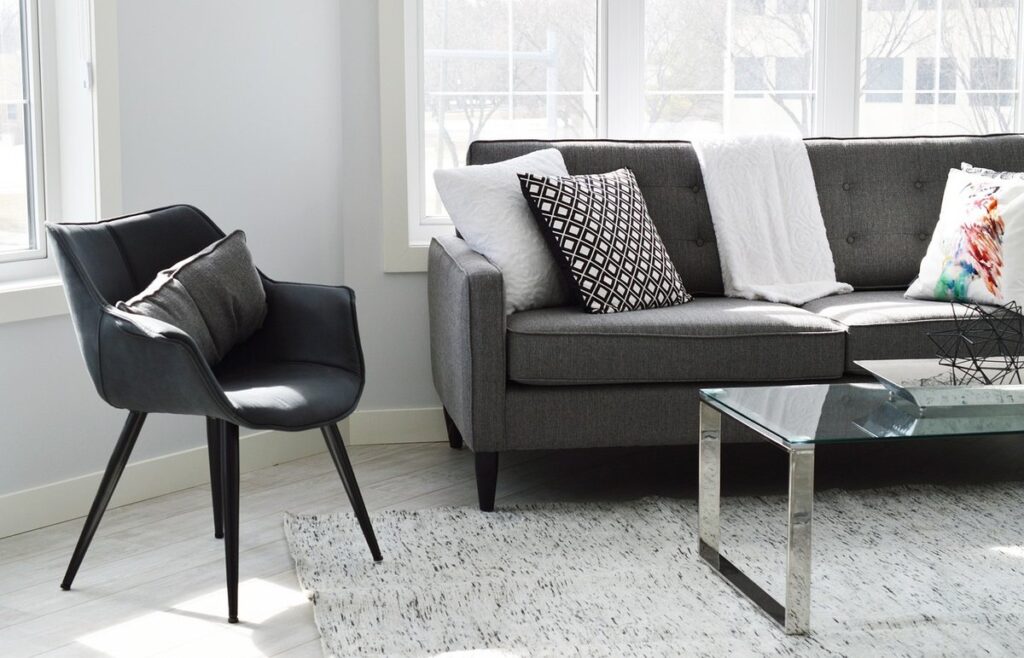
The Rise of Mid-Century Modern
The 1950s saw a significant shift towards clean lines, minimal ornamentation, and an emphasis on functionality, giving rise to iconic mid-century modern designs that remain popular today. This section explores this pivotal style in more depth.
Defining Characteristics of 1950 Couches
1950 couch styles were characterized by clean lines and minimal ornamentation. Unlike their ornate predecessors, these sofas and sectionals featured a more streamlined aesthetic, often with low profiles and slender legs. The emphasis on comfort was not sacrificed for style; designers prioritized ergonomics and functionality. Cushions were deep and plush, and upholstery was typically tufted or buttoned to add texture and visual interest.
Notice the absence of carvings, molding, and other decorative elements that had been common in earlier furniture designs. This shift towards a more restrained approach to ornamentation was a deliberate attempt by designers to create pieces that were both beautiful and unobtrusive. You might find 1950 couches with subtle patterns or textures added through the use of fabric or upholstery, but these were typically understated and never overpowering.
In addition to clean lines and minimal decor, another defining characteristic of 1950 couch styles was their emphasis on comfort. Designers experimented with new materials and constructions that allowed for greater flexibility and support in seating. This resulted in sofas and sectionals that were not only visually appealing but also remarkably comfortable.
Influences from Europe and Asia
The international design landscape had a profound impact on American furniture design in the 1950s. Bauhaus, emerging from Germany, emphasized functional simplicity and clean lines. Its influence can be seen in pieces like the Barcelona Chair, designed by Ludwig Mies van der Rohe and Lilly Reich, which was later reinterpreted in America with a more relaxed aesthetic.
Scandinavian modern, meanwhile, brought a focus on minimal ornamentation and an emphasis on natural materials. Designers like Hans Wegner and Arne Jacobsen became popular exports to the US market, where their creations were adapted for American tastes. For instance, Wegner’s Peacock Chair was reupholstered with more vibrant fabrics, while still maintaining its essential Nordic charm.
American designers, such as Charles and Ray Eames, were also influenced by international styles. Their collaboration on iconic pieces like the Eames Lounge Chair demonstrated a blending of modernist principles with an American sensibility for comfort and practicality. As design became increasingly globalized, these international influences helped shape the mid-century modern aesthetic that defined 1950 couch styles.
Popular Materials and Fabrics
One of the most distinctive features of 1950 couch styles is the variety of materials and fabrics used, from rich velvets to durable cotton prints. Let’s take a closer look at these iconic textiles.
The Dominance of Plywood and Tufted Upholstery
Plywood and tufted upholstery were staples in 1950 couch designs due to their unique combination of durability and affordability. Plywood, made from layered wood veneer, was a game-changer for furniture manufacturers. It was significantly less expensive than solid hardwoods and could be mass-produced, making it an attractive option for large-scale production.
Tufted upholstery, on the other hand, offered a stylish and long-lasting solution for couch cushions. The process involved using a specialized tool to push fabric through the stitching of the cushion’s backing material, creating a tight, even pattern. This technique helped prevent the cushions from sagging or losing their shape over time. Together, plywood frames and tufted upholstery created a sturdy yet visually appealing design.
Manufacturers like La-Z-Boy and Lane Furniture took advantage of these materials to produce affordable yet stylish couches that appealed to the average consumer. The combination of affordability and durability made it possible for more people to own high-quality furniture, contributing to the widespread adoption of 1950 couch styles in American homes.
The Use of Vinyl and Synthetic Fibers
Vinyl and synthetic fibers became increasingly popular in 1950 furniture design due to their durability, ease of maintenance, and affordability. These materials offered a practical alternative to traditional fabrics like cotton and wool, which were prone to wear and tear. One of the key benefits of vinyl was its water resistance – making it an ideal choice for living rooms with young children or pets.
However, vinyl also had some drawbacks. It could be stiff and unyielding, giving off a less-than-luxurious feel underfoot. Furthermore, the chemical treatments applied to vinyl often released strong odors that some users found unpleasant. Synthetic fibers like nylon and polyester were also used extensively in 1950 upholstery, prized for their strength and wrinkle-resistance.
Despite these drawbacks, the use of vinyl and synthetic fibers continued to grow throughout the decade. Manufacturers began experimenting with new finishes and textures, such as embossing or flocking, to give these materials a more sophisticated appearance. Homeowners who opted for vinyl or synthetic upholstery often found it easier to clean and maintain than traditional fabrics, making it a practical choice for busy households.
Iconic Designs of the Era
Some of the most recognizable and enduring designs from the era were born on mid-century modern sofas, showcasing a fusion of comfort and style. These iconic couches continue to inspire interior designers today.
The Eames Lounge Chair: A Symbol of Luxury
The Eames Lounge Chair is an exemplary representation of luxury and sophistication in mid-century modern design. Its iconic status stems from its sleek, curved silhouette and impeccable craftsmanship. The chair’s design was a collaborative effort between Charles and Ray Eames, who drew inspiration from their earlier work on the molded plywood lounge chair.
Notably, the Eames Lounge Chair features a rich, buttery leather upholstery that wraps around the contoured seat and backrest, creating an inviting and luxurious atmosphere. This attention to detail and emphasis on material quality set the tone for high-end design in the 1950s. The chair’s understated elegance also reflects the growing influence of Scandinavian modernism on American furniture design.
One key aspect of the Eames Lounge Chair is its association with Hollywood Regency style, which prized opulence and glamour. Designers like Billy Haines and Dorothy Draper frequently incorporated similar elements – such as sleek lines, rich materials, and luxurious textures – into their interiors to create spaces that epitomized luxury and sophistication.
The La-Z-Boy Recliner: Comfort Redefined
The La-Z-Boy Recliner was a game-changer for comfort in 1950s living rooms. Its innovative features, such as adjustable armrests and a reclining mechanism, allowed people to lounge in unprecedented levels of relaxation. The design’s widespread popularity can be attributed to its clever use of space and the fact that it didn’t take up much room, making it perfect for smaller homes.
La-Z-Boy’s impact on 1950s furniture design cannot be overstated. It marked a shift away from formal, stiff seating towards more casual, comfortable arrangements. The recliner’s popularity also influenced the creation of other pieces with similar features, such as swivel chairs and ottomans.
One key aspect of the La-Z-Boy Recliner was its affordability. Unlike luxury furniture, it was priced within reach for the average consumer. This accessibility contributed to its widespread adoption and helped make comfort a priority in mid-century homes. The La-Z-Boy’s influence can still be seen today in modern recliners and sofas with adjustable mechanisms and plush cushioning.
Some notable features of vintage La-Z-Boys include:
• Rolled arms for added support
• A sturdy, wooden frame
• Tufted upholstery for a comfortable seating surface
How to Identify Authentic 1950 Couches
To identify authentic 1950 couches, look for classic design elements such as tufted upholstery and streamlined silhouettes. Vintage labels and original hardware can also be telling signs of authenticity.
Key Design Elements to Look For
When examining a vintage couch from the 1950s, there are several key design elements to look for to determine its authenticity. One of the most distinctive features of mid-century modern furniture is the use of tapered legs, which were often made of solid hardwood such as oak or walnut. These tapered legs not only add visual interest but also create a sense of elegance and sophistication.
Another characteristic feature of 1950 couches is the rolled arm design, which was typically rounded and padded with foam for added comfort. The rolled arms were often attached to the sofa frame using a combination of screws and upholstery tacks. Additionally, many vintage 1950 couches feature a distinctive “S” curve or swoop in their backrests, which adds visual interest and creates a sense of fluidity.
When examining the upholstery on a potential 1950 couch, look for tufted buttons made from leather or fabric, as well as button-tufting techniques that were commonly used during this period. Also, inspect the seams and stitching to ensure they are even and secure, indicating high-quality craftsmanship.
Restoring Vintage Furniture: A Guide
When restoring a vintage 1950 couch, it’s essential to prioritize gentle cleaning methods to preserve its original finish and materials. Avoid using harsh chemicals or abrasive cleaners, as they can damage the upholstery or strip away any existing finishes. Instead, try dusting with a soft-bristled brush or vacuuming gently with an upholstery attachment.
For more thorough cleaning, mix 1 tablespoon of mild soap with 1 gallon of warm water. Dip a clean cloth into the solution, wring it out thoroughly, and wipe down the couch’s surfaces. Avoid soaking the cushions or allowing excess moisture to accumulate, as this can lead to mold or mildew growth.
Reupholstering is another crucial aspect of restoring a vintage 1950 couch. When selecting new fabric, choose materials that closely match the original design, such as vinyl or woven wool. Consider working with a professional upholsterer if you’re unsure about how to reattach or replace the existing upholstery.
Before refinishing, inspect the couch’s wooden frame for any damage or rot. If necessary, disassemble and repair or replace individual components. Always follow safety guidelines when working with power tools and protective coatings.
The Legacy of 1950 Couch Styles
We’re going back in time to revisit the classic couch styles of 1950, when sleek lines and vibrant colors dominated living rooms across America. These iconic designs continue to influence modern furniture today.
Influence on Contemporary Design
The clean lines, organic shapes, and emphasis on functionality that defined 1950 couch styles have had a lasting impact on contemporary design. As mid-century modernism continues to gain popularity, designers are revisiting and reinterpreting the classic silhouettes of the era. The resurgence of interest in vintage pieces has led to a new wave of furniture designs that blend nostalgic charm with modern sensibilities.
One notable example is the revival of tufted upholstery, which was a hallmark of 1950 couches. Designers are now experimenting with bold color combinations and innovative materials, such as velvet and leather, to create fresh takes on this classic look. The use of plywood, also characteristic of mid-century modern design, has been updated with new technologies that allow for more sustainable and durable production.
To incorporate the timeless style of 1950 couches into your own space, consider seeking out vintage pieces or commissioning a custom design that nods to the era’s aesthetic. Look for designers who are paying homage to the original designs while introducing modern twists and innovations.
Collecting Vintage Furniture: A Growing Trend
Collecting vintage furniture has become increasingly popular over the past decade, with many enthusiasts seeking out unique and authentic pieces from the 1950s. This trend is not limited to design aficionados; collectors and dealers are also capitalizing on the demand for mid-century modern furniture.
When collecting vintage furniture, it’s essential to research and understand the era’s key design elements, such as clean lines, organic shapes, and an emphasis on functionality. Look for pieces that feature iconic materials like plywood, tufted upholstery, and vinyl. Authenticity is crucial, so be wary of reproductions or modified original pieces.
For collectors, consider attending vintage furniture auctions, scouring estate sales, and exploring online marketplaces to find rare and unique pieces. Dealers often have a keen eye for spotting undervalued items; building relationships with reputable dealers can lead to exciting discoveries. To verify the authenticity of a piece, inspect the craftsmanship, labels, and signatures. Additionally, consult with experts or research documentation from the era to ensure the item’s provenance.
Conclusion
As we bring our journey through 1950 couch styles to a close, let’s summarize the key trends and designs that defined the era’s living room aesthetic. We’ll recap what made these iconic sofas so enduringly popular.
Recap of Key Points
The defining characteristics of 1950 couch styles, which blended modernity with comfort, continue to influence contemporary design. Mid-century modern couches often feature clean lines, minimal ornamentation, and an emphasis on functionality. The era’s focus on mass production led to the use of affordable materials like plywood and vinyl, making comfortable furniture accessible to a wider audience.
Influences from Europe and Asia also played a significant role in shaping 1950 couch styles. European designs often emphasized simplicity and clean lines, while Asian influences brought exotic patterns and motifs. The Eames Lounge Chair, for example, is a symbol of luxury that exemplifies the era’s focus on comfort and sophistication.
The lasting impact of 1950 couch styles can be seen in their influence on contemporary design. Many modern furniture pieces continue to draw inspiration from mid-century modern designs, incorporating elements like bold colors, geometric patterns, and sleek lines. As collectors increasingly seek out vintage furniture, the value of authentic 1950 couches continues to appreciate.
For those looking to identify authentic 1950 couches or incorporate elements of this style into their own home decor, several key design elements are worth noting. Look for clean lines, minimal ornamentation, and an emphasis on functionality. Consider pairing bold colors with natural materials like wood or leather. And don’t be afraid to experiment with patterns and motifs that reflect the era’s global influences.
Some practical tips for incorporating 1950 couch styles into your home decor include:
- Pairing a sleek, low-profile sofa with a statement piece of vintage furniture
- Incorporating bold colors and geometric patterns through throw pillows or blankets
- Mixing modern materials like leather or vinyl with natural materials like wood or rattan
Frequently Asked Questions
Can I Mix and Match Different 1950 Couch Styles?
Yes, many collectors and designers mix and match different 1950 couch styles to create unique and eclectic spaces. This can be done by combining elements from various designs, such as pairing a tufted sofa with a sleek, low-profile coffee table.
How Do I Know When a Vinyl or Synthetic Fiber Upholstery is Worth Restoring?
The decision to restore a vinyl or synthetic fiber upholstery depends on several factors, including the condition of the material, its rarity, and its cultural significance. If you’re unsure, consult with a professional restorer or appraiser who can assess the item’s value and feasibility for restoration.
Can I Use Modern Fabrics to Upholster My Vintage 1950 Couch?
While it’s technically possible to use modern fabrics on vintage couches, it may alter their original aesthetic and impact their resale value. If you choose to reupholster with modern materials, consider using reproductions or high-quality fabrics that mimic the look and feel of the originals.
What’s the Best Way to Store My Vintage 1950 Couch When Not in Use?
To store your vintage 1950 couch safely, cover it with a breathable cloth or dropcloth to protect it from dust and moisture. Avoid storing it directly on concrete or wooden floors, as this can cause damage to the frame or legs. Instead, place it on a raised platform or use furniture sliders to move it around.
Can I Reproduce or Clone a Rare 1950 Couch Style?
While it’s not possible to exactly replicate a rare 1950 couch style due to its unique design and craftsmanship, you can work with a skilled upholsterer or designer who can recreate the piece using original patterns and materials. However, be aware that reproductions may lack the authenticity and character of an original piece.