
Awaji pottery has been a coveted collector’s item for centuries, with its unique glazes and distinctive marks making each piece a valuable addition to any collection. If you’re an enthusiast or a seasoned collector, you’ve likely encountered Awaji pottery marks on your journey to authenticate and value these exquisite pieces. But what do these marks really mean? Are they indicative of the piece’s age, origin, or artistic merit?
The truth is that understanding Awaji pottery marks can be a daunting task, even for experienced collectors. That’s why this comprehensive guide aims to demystify the world of Awaji pottery marks, covering their history, types, and identification methods in detail. By the end of this article, you’ll have a solid foundation in identifying and authenticating Awaji pottery, allowing you to confidently evaluate your collection and make informed purchasing decisions.
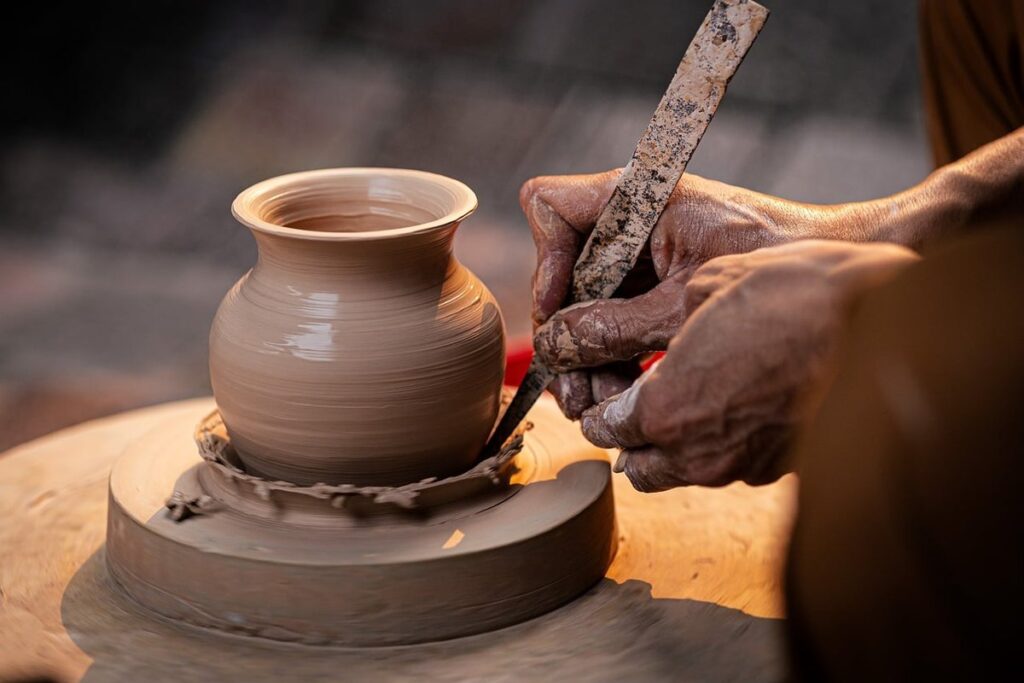
History and Background of Awaji Pottery
Awaji pottery has a rich history dating back centuries, with its origins deeply rooted in Japanese culture. Let’s take a step back to explore how this beautiful craft evolved over time.
Origins of Awaji Pottery
The region’s unique geology and climate played a crucial role in shaping Awaji pottery as a distinct ceramic style. The island of Awaji, located off the coast of Hyogo Prefecture in Japan, is characterized by its rugged terrain, with mountains giving way to fertile valleys and coastal plains. This varied landscape influenced the local potters’ choice of materials and techniques, resulting in a unique blend of styles.
Awaji pottery production dates back centuries, with evidence suggesting that it flourished during the Heian period (794-1185 CE). The region’s rich soil and abundant natural resources made it an ideal location for ceramics. Potters took advantage of the area’s kaolin deposits to create high-quality earthenware and stoneware.
The harsh climate on Awaji Island also had a significant impact on pottery production. The frequent rainfall and high humidity led to the development of specialized techniques to prevent cracking and warping, resulting in robust and durable pieces. This unique combination of geological and climatic factors contributed to the distinct style that Awaji pottery is known for today.
Characteristics of Traditional Awaji Pottery
Traditional Awaji pottery is characterized by its distinctive glazing techniques. One of the most notable features is the use of a natural ash glaze, which creates a subtle sheen and a range of earthy tones. This technique requires great skill and control to achieve the desired effect.
The forms and shapes used in traditional Awaji pottery are also distinct from other styles. For example, the “tsubo” form, a type of small, rounded container, is often decorated with intricate designs and patterns. Another common form is the “donabe,” a large, deep pot used for cooking and serving food.
Decorations on traditional Awaji pottery typically feature natural motifs such as leaves, flowers, and branches. These are often hand-painted or applied using a resist technique to create a raised design. The level of detail and intricacy in these decorations can vary greatly depending on the piece and the artist’s skill level. In general, however, the emphasis is on creating a sense of natural harmony and balance rather than elaborate ornamentation.
Types of Awaji Pottery Marks
Awaji pottery marks can be divided into several distinct categories, each with its own unique characteristics and significance. In this section, we’ll explore the main types of awaji pottery marks to help you accurately identify your piece.
Maker’s Marks
Maker’s marks on Awaji pottery often feature symbols or monograms representing individual potters or workshops. These marks can be found on various types of ceramics, from small decorative items to large vessels. To identify a maker’s mark, look for distinctive shapes, patterns, or combinations of symbols that appear consistently across multiple pieces.
Some common features of Awaji maker’s marks include:
- Seals bearing the potters’ names or initials
- Monograms or combinations of characters that reflect the potter’s workshop or family crest
- Symbols associated with specific potters or regions, such as plum blossoms for Hyogo prefecture
- Geometric patterns or motifs repeated across various ceramics
When interpreting a maker’s mark, consider the context in which it appears. Is it on a high-end piece or a mass-produced item? Does it feature intricate details or simple designs? Researching the mark can help you determine its significance and connect it to specific potters or workshops. Keep in mind that some marks may be more common than others, so look for patterns or consistencies across multiple pieces to build your understanding of their meaning.
Provenance and Collection Marks
Provenance and Collection Marks are essential indicators of an Awaji piece’s history and authenticity. Collectors, dealers, and institutions use these marks to document a piece’s ownership, exhibition history, or other significant events in its life.
Some common stamps used by collectors include the “Made in Japan” stamp, which indicates that the piece was imported from Japan during a specific period. The “Export Certificate” stamp is another example, verifying that the piece was officially exported from Japan to another country. Dealers may also use labels or stickers with their business name and contact information.
Institutions like museums often include inscriptions on the back or bottom of the piece, listing its exhibition history or acquisition details. These marks can provide valuable context for understanding a piece’s significance and provenance. When researching an Awaji piece, pay attention to these marks as they can significantly impact its value and authenticity.
Look for stamps or labels that are legibly printed and not easily removable. Inscriptions should be neatly written in a clear hand. Consider consulting the institution’s records or contacting the dealer directly if you have questions about a particular mark.
Deciphering Awaji Pottery Marks: Tips and Tricks
To help you decipher those mysterious marks on your Awaji pottery pieces, we’ll be sharing essential tips for identifying and verifying their authenticity. These expert insights will simplify the process for you.
How to Research Awaji Pottery Marks
Start by visiting online databases and websites dedicated to Japanese ceramics, such as the Japan Ceramic Society’s database or the Tokyo National Museum’s collection records. These resources often feature detailed descriptions of Awaji pottery marks and may even offer digital images for comparison.
Reference books on Japanese ceramics are another valuable resource. Look for publications that focus specifically on Awaji pottery, as they will likely include detailed information about various marks and their corresponding makers. Some examples of relevant reference books include “The Potter’s Bible” by Marylin Scott and “Japanese Ceramics: From the Collection of the Tokyo National Museum”.
Online forums and communities dedicated to ceramics collectors and enthusiasts can also be a rich source of information. Websites like Ceramic Arts Network or Reddit’s r/Ceramics community often feature discussions about Awaji pottery marks, with members sharing their expertise and experiences.
When researching specific marks, take note of any relevant details that might help identify the piece, such as the type of glaze used or the era in which it was created. Keeping a record of your findings can also be helpful for future reference.
Common Awaji Pottery Mark Patterns
Awaji pottery marks often display recurring patterns that can aid in authentication and dating of pieces. Familiarizing yourself with these common patterns is essential for collectors and researchers.
One prevalent pattern involves a combination of characters or symbols arranged vertically, horizontally, or diagonally. For example, the mark ” ” consists of two characters stacked on top of each other. Another pattern features a series of concentric circles surrounding a central character. In some cases, these patterns may be accompanied by specific motifs, such as flowers, leaves, or geometric shapes.
Another common pattern involves the use of stamps or seals featuring Kanji characters, which often indicate the maker’s name or studio affiliation. The mark ” ” features a Kanji character for the word ‘sakura,’ meaning cherry blossom, while another example includes the character “,” representing the word ‘kaze,’ meaning wind.
In some cases, these patterns may be used in conjunction with other marks or symbols to convey additional information about the piece’s provenance. Recognizing and understanding these recurring patterns is crucial for accurately dating and authenticating Awaji pottery pieces. By familiarizing yourself with these common mark patterns, you can better evaluate the authenticity of a piece and its place within the broader context of Awaji pottery production.
Advanced Identification: Rare and Unusual Marks
Some Awaji pottery marks are so rare and unusual that they require a closer look to decipher their meaning, which can be both fascinating and frustrating. We’ll explore some of these enigmatic marks in more detail here.
Unique Signatures and Monograms
When examining rare or early Awaji pieces, collectors may come across unique signatures and monograms that require specialized knowledge to interpret. These distinctive marks can be a combination of kanji characters, hiragana, or katakana scripts, often used by individual artisans or families to signify their work.
One notable example is the use of “Matsuba” signature, which appears on several early Awaji pieces. Researchers believe that this mark was created by a prominent family of artisans who produced high-quality ceramics during the Edo period. Another rare signature is the “Tsuruoka” monogram, characterized by its distinctive shape and arrangement of kanji characters.
Understanding these unique signatures and monograms can provide valuable insights into the piece’s origin, age, and authenticity. When researching Awaji pottery marks, collectors should be aware that some signatures may be attributed to fictional or non-existent artisans. To verify the authenticity of a signed piece, it is essential to consult reputable sources, such as museum records, collector databases, or scholarly publications.
In particular, look for any inconsistencies in the signature’s style, size, or placement on the piece. Be cautious of over-restoration or deliberate alterations that may compromise the mark’s originality.
Authenticating Signed Pieces
Verifying the authenticity of signed Awaji pottery can be a daunting task due to the potential for forgery and misattribution. Signed pieces are often highly prized by collectors, but their value is directly tied to their legitimacy. To authenticate a signed piece, start by researching the maker’s signature or monogram. Consult reputable sources such as art books, online databases, or expert opinions to determine if the mark is genuine.
Compare the signature to known examples of the artist’s work and note any variations in style or quality. A small deviation may indicate an authentic but imperfectly executed piece, whereas a dramatically different style could suggest forgery. Be cautious when encountering signatures that appear overly neat or polished – these may be indicative of modern reproduction techniques.
Additionally, consider the context in which the piece was signed. Was it inscribed at the time of creation, or added later? Look for evidence of wear and tear around the signature to establish its age. It’s also essential to examine the overall condition and quality of the piece, as a fake may exhibit inconsistent materials or craftsmanship.
Collecting and Valuing Awaji Pottery
When it comes to collecting and valuing Awaji pottery, understanding the marks that identify specific pieces is crucial for making informed purchases. This includes identifying rare and valuable marks that command a premium price at auction.
Factors Affecting Value
The value of an Awaji piece can fluctuate significantly depending on several factors. Condition is a crucial aspect, as minor flaws or restoration work can substantially lower its worth. A well-maintained piece with minimal wear and tear will typically command higher prices than one with visible damage.
Rarity also plays a significant role in determining an item’s value. Limited edition pieces or those created using unique techniques may fetch higher prices due to their scarcity. Provenance, including documentation of ownership history and exhibition records, can significantly enhance an Awaji piece’s value. A piece with documented connections to prominent collectors or exhibitions can increase its market worth.
Another factor affecting value is the artist’s reputation and signature. A well-known artist’s signed piece will generally be more valuable than one from a lesser-known creator. However, a unique or rare mark may also impact an item’s value, making it essential for collectors to research and understand the significance of different marks.
To gauge a piece’s potential value, consider its condition, rarity, provenance, and artist reputation. Researching similar pieces sold at auction or privately can provide valuable insights into market trends. When evaluating an Awaji piece, prioritize these factors to make informed decisions about its worth.
Tips for Building a Collection
When building a collection of Awaji pottery, it’s essential to approach your search with a clear strategy. Start by identifying your areas of interest – are you drawn to rare and unusual marks or traditional pieces? Knowing what you’re looking for will help you focus your efforts. Research reputable dealers and collectors in the field, as they often have extensive knowledge and access to unique pieces.
Developing relationships with these individuals can be invaluable in helping you grow your collection. Attend auctions and ceramics exhibitions to network and stay informed about new discoveries. Be prepared to ask questions and learn from others – building a strong community of like-minded collectors will enrich your experience.
When evaluating potential additions to your collection, consider the rarity and condition of the piece. Rare marks or those with unique characteristics can significantly impact value. Don’t be afraid to pass on pieces that don’t meet your standards – a smaller, curated collection is often more valuable than a large one filled with mediocre items.
Frequently Asked Questions
Can I use online platforms to authenticate Awaji pottery marks without consulting an expert?
Yes, some online databases and forums can provide valuable information about specific marks, but it’s essential to cross-check any findings with expert opinions or reputable sources to ensure accuracy. Be cautious of unverified claims and take note of the credibility of the sources you consult.
What if I find a rare Awaji pottery piece without any marks? Can I still determine its authenticity?
Yes, while maker’s marks are crucial for authentication, other factors like the piece’s condition, glazing techniques, forms, and decorations can also indicate its origins. Consult reference books, online resources, and expert opinions to make an educated assessment.
How do I handle common pitfalls in collecting Awaji pottery, such as misattribution or forgery?
Common challenges include verifying the authenticity of signed pieces, identifying rare marks, and distinguishing between genuine and forged pieces. To mitigate these risks, consult reputable dealers, experts, and online resources, and be cautious of unusually low prices or overly promising claims.
Can I use my existing knowledge of Japanese ceramics to help identify Awaji pottery marks?
Yes, your background in Japanese ceramics can provide a foundation for understanding some aspects of Awaji pottery. However, keep in mind that Awaji pottery has its unique characteristics, and you may still need guidance from experts or specialized resources to accurately interpret specific marks.
What if I have an Awaji pottery piece with a mark that doesn’t seem to match any known patterns? Should I seek professional help?
Yes, if the mark is unclear or doesn’t match any documented patterns, it’s best to consult an expert or a reputable dealer for further guidance. They can help you research the mark and provide a more informed assessment of its significance.