
The first day of spring in the Northern Hemisphere is one of the most significant events on our planet’s calendar, yet many of us don’t give much thought to its science and history. The vernal equinox marks a moment when night and day are equal in length, a phenomenon that has captivated humans for thousands of years with its promise of renewal and rebirth. Beyond its cultural significance, this event also has a profound impact on our environment and lives today. As the seasons shift, it affects everything from the migration patterns of animals to the rhythms of human behavior. In this article, we’ll explore the fascinating science behind the vernal equinox, delve into its rich history and cultural associations, and examine how it shapes our world in tangible ways, ultimately leaving you with a deeper understanding of what makes this moment so special – and why it matters in today’s world.
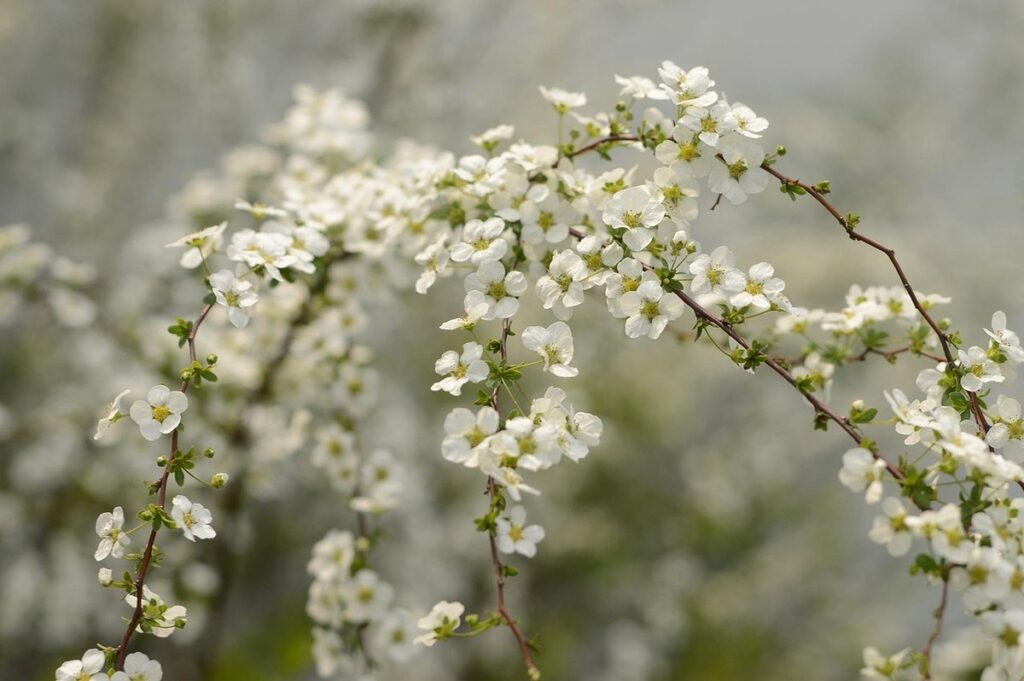
What is the Vernal Equinox?
The vernal equinox marks a significant moment in the Earth’s journey around the sun, occurring when day and night are equal in length. Let’s explore what this event means for our planet.
Definition and Explanation
The vernal equinox is a pivotal moment in the Earth’s orbit around the sun, where day and night are balanced in length. This phenomenon occurs when the tilt of the Earth’s axis is neither towards nor away from the sun, resulting in approximately 12 hours of daylight and 12 hours of darkness. In the Northern Hemisphere, this event typically falls on March 20 or 21, marking the beginning of spring.
One key aspect of the vernal equinox is its impact on the length of daylight hours. As the Earth continues its orbit, the days gradually grow longer, allowing for more sunlight to reach the planet’s surface. This increase in solar energy has a profound effect on the environment, triggering the growth of plants and the renewal of natural cycles.
In practical terms, the vernal equinox is often celebrated as a time of new beginnings and renewal. Many cultures mark this occasion with festivals and rituals that honor the return of spring. By understanding the scientific basis for the vernal equinox, we can better appreciate its significance in both astronomical and cultural contexts.
Historical Significance
In ancient civilizations, the vernal equinox was a pivotal moment, often marked with grand celebrations and rituals. The Egyptians, for instance, held festivals to honor the goddess Isis, while the Greeks and Romans worshipped Dionysus and Flora, respectively. These spring equinox festivities were not merely social gatherings but also deeply rooted in agricultural cycles. As the earth awakened from its winter slumber, these cultures recognized the importance of renewal and fertility.
In ancient Egypt, the vernal equinox coincided with the flooding of the Nile, which was seen as a symbol of rebirth. The Greeks associated the spring equinox with Dionysus, the god of wine and fertility, while the Romans celebrated Flora’s arrival, marking the beginning of new life in fields and forests. These ancient cultures understood that the vernal equinox marked the turning point between darkness and light, between scarcity and abundance.
The cultural significance of the vernal equinox transcends geographical boundaries, with various civilizations sharing similar themes and motifs. By studying these historical practices, we can gain a deeper appreciation for the interconnectedness of human experience and the natural world.
The Science Behind the Vernal Equinox
The Earth’s tilt is a crucial factor in determining the timing and characteristics of the vernal equinox, which marks a significant shift in our planet’s orbit. This section explains how Earth’s unique tilt affects the seasons.
Earth’s Axial Tilt
The Earth’s axial tilt plays a vital role in determining the timing and characteristics of the vernal equinox. At an angle of approximately 23.5 degrees, the planet’s axis is tilted away from or towards the Sun as it orbits around it. This tilt has two main effects: it affects the distribution of solar energy across the Earth’s surface and it influences the duration of day and night.
As a result, the vernal equinox marks a critical moment when the Northern Hemisphere begins to tilt towards the Sun, increasing the amount of sunlight it receives. This shift triggers a series of cascading effects that ultimately lead to the renewal of spring. For instance, the increased solar radiation causes temperatures to rise, plants to grow, and trees to bloom.
In contrast, regions in the Southern Hemisphere experience winter during this time due to their tilted position away from the Sun. Understanding the Earth’s axial tilt provides valuable context for appreciating the complexities of our planet’s climate system and the significance of seasonal changes.
Solar Energy and Climate Change
As the Earth tilts towards the sun on the vernal equinox, solar energy patterns shift significantly. The increased hours of daylight and direct sunlight lead to a substantial rise in solar radiation, warming the planet’s surface. This boost in solar energy has a profound impact on climate patterns, influencing temperature fluctuations, precipitation, and weather extremes.
In regions near the equator, where the sun is directly overhead during this time, temperatures often soar due to the concentrated solar radiation. In contrast, areas at higher latitudes receive more oblique sunlight, resulting in milder temperatures. This differential warming contributes to seasonal variations in climate, with some regions experiencing a rapid transition from winter’s chill to spring’s warmth.
The increased solar energy also affects global weather patterns, including the migration of high and low-pressure systems, wind patterns, and precipitation distributions. As a result, the vernal equinox plays a crucial role in shaping our planet’s climate, making it an essential factor in understanding seasonal changes and their associated environmental impacts.
Celebrations and Traditions Around the World
As we celebrate the arrival of spring, let’s take a journey around the globe to discover how different cultures mark this special day with unique traditions and festivities. From festivals to rituals, every culture has its own way of welcoming the vernal equinox.
Spring Festivals and Rituals
Nowruz, Ostara, and Holi are just a few of the many spring festivals celebrated around the world during the vernal equinox. Nowruz, observed on March 20th or 21st, marks the beginning of spring in Iran, Afghanistan, and Central Asia with vibrant parades, traditional food, and family gatherings.
In contrast, Ostara is an ancient Germanic festival that falls on the same day as the vernal equinox. It’s a time to celebrate renewal, fertility, and the return of light and warmth after a cold winter. Many modern Pagans and Wiccans observe Ostara with rituals, feasting, and decorating eggs – a symbol of new life.
Holi, celebrated in India and Nepal, is a joyous festival that welcomes the arrival of spring. The festivities begin with the lighting of bonfires to purify and drive away winter’s chill, followed by the scattering of colors – an act meant to represent the vibrant hues of nature.
Each of these festivals offers a unique perspective on the vernal equinox, highlighting the significance of renewal, growth, and the cyclical nature of life. By participating in or learning about these celebrations, you can connect with people from different cultures and deepen your understanding of this special time of year.
Cultural Significance of Nature’s Renewal
In many cultures, the arrival of spring is seen as a time of spiritual renewal and rebirth. For example, in Japan, the vernal equinox (Shubun no hi) marks the moment when day and night are equal in length, symbolizing balance and harmony. People often visit shrines and temples to honor their ancestors and pray for good fortune.
In many Indigenous cultures, spring is a time of renewal and rejuvenation. The Ojibwe people of North America celebrate the vernal equinox with a sunrise ceremony, where they dance and sing to awaken the earth from its winter slumber. Similarly, in ancient Greece, the festival of Anthesteria celebrated the arrival of spring with feasting, music, and wine.
In some cultures, the vernal equinox is also associated with fertility and abundance. In India, for example, the festival of Rangapanchami celebrates the arrival of spring with colorful processions and rituals to ensure a bountiful harvest. By embracing these diverse cultural perspectives on nature’s renewal, we can deepen our understanding of the vernal equinox as a time of transformation and growth.
Astrological and Spiritual Perspectives on the Vernal Equinox
From a spiritual standpoint, the vernal equinox is seen as a time of renewal and rebirth, aligning our energies with the natural world’s awakening. Explore how ancient cultures and mystics have interpreted this pivotal moment in history.
The Role of Zodiac Signs
In astrology, the vernal equinox marks a pivotal moment as it signals the beginning of Aries, the first sign of the zodiac. This event is often referred to as the “Aries Point” or “Zero Degrees Aries.” As the sun crosses into Aries, astrologers believe that a new cycle of energy and potential begins.
The significance of this event lies in its association with the cardinal signs, which are known for their initiatory and pioneering qualities. The vernal equinox serves as a catalyst for growth, renewal, and forward momentum. Many astrological traditions view Aries as a symbol of courage, innovation, and risk-taking, making it an ideal starting point for new endeavors.
As the sun enters Aries, individuals with prominent Aries placements in their birth charts may experience heightened energy and motivation. Some practitioners also believe that this event can be a powerful trigger for personal growth and transformation. While these claims are not universally accepted, they reflect the rich symbolism and cultural significance surrounding the vernal equinox in astrology.
Spiritual Significance and Rituals
Many cultures and spiritual traditions view the vernal equinox as a time of profound renewal and transformation. This alignment is rooted in the astronomical phenomenon’s symbolic connection to new beginnings, fertility, and growth. As the sun begins its journey northward, many people see it as an opportunity for introspection, self-reflection, and rebirth.
In some spiritual practices, the vernal equinox is associated with the release of old patterns, habits, and energies that no longer serve us. This can be a powerful time to let go of what’s holding you back and make space for fresh perspectives and opportunities. Some people use this occasion to set intentions, plant seeds (literally or metaphorically), or engage in rituals that honor the cycle of life.
Examples include candlelight ceremonies, seed planting, or nature walks with intention-setting exercises. Others observe traditional spring festivals like Ostara or Nowruz, which celebrate the return of light and fertility. By embracing the spiritual significance of the vernal equinox, you can tap into its transformative energy and cultivate a deeper sense of renewal in your life.
The Vernal Equinox in Modern Times
While modern technology and urbanization have changed our relationship with nature, many still celebrate the vernal equinox as a time of renewal. We’ll explore how this ancient tradition adapts to contemporary life.
Environmental Impact
Human activities have a profound impact on the timing and characteristics of the vernal equinox. Deforestation, for instance, can alter local climate conditions by reducing the amount of sunlight absorbed during the spring months. This can lead to changes in temperature and precipitation patterns, affecting the timing of seasonal events like the vernal equinox.
Climate change is another critical factor that influences the vernal equinox. As global temperatures rise, the planet’s axial tilt shifts, causing the date of the equinox to drift slightly over time. This may seem minor, but it can have significant effects on ecosystems and human societies that rely heavily on seasonal patterns.
The consequences of these changes are far-reaching. In some regions, the vernal equinox arrives earlier than in the past, leading to unpredictable weather patterns and disrupted ecosystems. For example, warmer springs can cause plants to bloom earlier, attracting pollinators like bees before they’re ready for nectar-rich flowers. This mismatch can have cascading effects on food chains.
To mitigate these impacts, consider reducing your carbon footprint by adopting sustainable practices in your daily life. Make conscious choices about energy consumption, transportation, and waste management to contribute to a more environmentally friendly lifestyle.
Technological Advances and Astronomical Observations
Advances in technology have significantly improved our understanding of the vernal equinox. Satellite imaging allows us to track changes in Earth’s climate and vegetation patterns with greater accuracy. For instance, NASA’s Terra and Aqua satellites use a combination of sensors to monitor temperature fluctuations, atmospheric conditions, and vegetation health. This data helps scientists better comprehend the effects of seasonal variations on our planet.
Astronomical observations have also become more precise due to technological advancements. Telescopes like the Atacama Large Millimeter/submillimeter Array (ALMA) can study the solar system’s formation and evolution in unprecedented detail. By analyzing the light emitted by celestial bodies, astronomers gain insights into their composition, temperature, and motion. These findings contribute to our understanding of the vernal equinox’s astronomical context.
The precision gained through satellite imaging and telescopic observations enables researchers to make more accurate predictions about weather patterns and climate shifts during this time of year. This knowledge can be used to develop strategies for mitigating extreme weather events and promoting sustainable land use practices, ultimately benefiting both ecosystems and human societies.
Conclusion: Embracing the Cycle of Life
As we’ve explored the significance of the vernal equinox, it’s time to reflect on its lasting impact and how we can integrate its lessons into our daily lives now. Letting go of what’s past is key.
Reflecting on the Vernal Equinox’s Significance
As we’ve explored the various aspects of the vernal equinox, it’s clear that this momentous occasion holds significant meaning for cultures and individuals around the world. The significance of the vernal equinox as a symbol of renewal and growth cannot be overstated.
One of the most striking themes to emerge from our discussion is the way in which the vernal equinox marks a return to light and life after a period of darkness and dormancy. This is reflected in many cultures’ celebrations, such as spring festivals like Nowruz and Ostara, where people come together to welcome the new season.
The scientific significance of the vernal equinox cannot be ignored either – it’s a crucial moment for farmers and gardeners, who rely on the precise timing of the equinox to plan their planting schedules. And for those interested in astrology, the vernal equinox is an important date for calculating zodiac signs and understanding celestial movements.
Moreover, the spiritual significance of the vernal equinox is multifaceted – it’s a time for personal renewal, a chance to shed old habits and make room for new growth. Many people use this moment to set intentions and reflect on their place within the natural world.
As we conclude our exploration of the vernal equinox, let us remember that its significance extends far beyond mere celebration or observance – it’s an opportunity for introspection, renewal, and growth. By embracing the cycle of life that the vernal equinox represents, we can cultivate a deeper appreciation for the natural world and our place within it.
In practical terms, this means taking time to connect with nature, whether through gardening, walking in the woods, or simply observing the changes in your local environment. It also means being mindful of our own habits and behaviors – are there areas where we’re stuck or stagnant? How can we apply the principles of renewal and growth to our daily lives?
Frequently Asked Questions
Can I observe the vernal equinox from anywhere in the world?
Yes, while it’s most prominent in the Northern Hemisphere, you can still observe the effects of the vernal equinox on your local climate and nature. Be aware that its significance might be celebrated differently depending on your region.
How does the timing of the vernal equinox affect my garden or crops?
The vernal equinox typically marks a period of increasing daylight hours and temperatures, which can lead to new growth in plants. However, be prepared for potential weather fluctuations and plan accordingly by checking local climate forecasts and soil conditions before planting.
Can I use the vernal equinox as an opportunity to adopt more sustainable practices?
The vernal equinox is indeed a time for renewal and growth, including adopting eco-friendly habits. Consider reducing your carbon footprint by implementing energy-efficient measures in your home or exploring ways to reduce waste and promote local sustainability initiatives.
Is it possible to celebrate the vernal equinox without relying on commercialized traditions?
Yes, you can create your own unique celebration that honors the renewal of nature while avoiding commercialized festivities. Explore local customs, incorporate eco-friendly practices, and focus on activities that promote a deeper connection with the natural world.
How can I involve my family or community in celebrating the vernal equinox?
Involving others in your celebration can be as simple as hosting a garden clean-up event, organizing a nature walk, or planning a potluck dinner featuring locally sourced ingredients. Be sure to communicate your intentions and encourage others to participate in meaningful ways that align with their interests.