
As a vinyl collector, you know that the thrill of scoring a rare gem is matched only by the agony of finding out it’s in poor condition. Accurate condition grading can make all the difference between a valuable addition to your collection and a disappointing loss. But what exactly goes into determining a record’s condition? And why does it have such a significant impact on resale prices? For collectors, enthusiasts, and even sellers, understanding vinyl record condition grading is crucial for making informed decisions and setting realistic expectations. In this article, we’ll break down the importance of accurate condition grading, explore how it’s determined, and examine its effects on collector enthusiasm and resale values – by the time you finish reading, you’ll be able to assess the condition of a record with confidence.
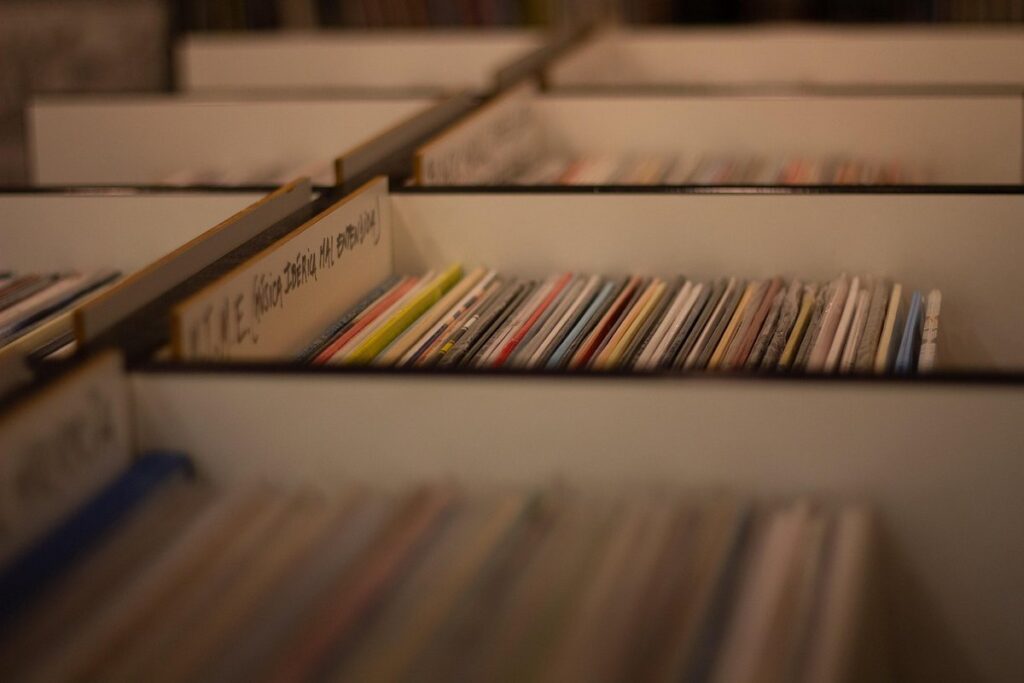
Understanding Vinyl Record Condition Grades
When evaluating the condition of a vinyl record, understanding its grade is crucial for both buyers and sellers. This section breaks down the key factors that determine a record’s grade.
The Importance of Accurate Grading
Accurate grading is essential for collectors, dealers, and enthusiasts alike. It directly impacts the value of a record, as minor flaws can significantly decrease its worth. For instance, a small scratch on a rare album might reduce its price by hundreds or even thousands of dollars.
Beyond monetary value, accurate grading also ensures authenticity. Misrepresenting a record’s condition can lead to disputes and damage trust among buyers and sellers. This is particularly important for rare and collectible records, where the slightest flaw can affect their rarity and desirability.
Moreover, accurate grading enhances the overall experience for collectors and enthusiasts. It allows them to appreciate the record’s true condition, rather than being misled by overly optimistic descriptions. For dealers, accurate grading helps build trust with customers, who can rely on their expertise to make informed purchasing decisions.
To achieve accurate grading, it’s crucial to understand the common condition grade systems used in the industry and be familiar with the key characteristics of each grade. By doing so, collectors, dealers, and enthusiasts can confidently assess a record’s condition and make informed decisions based on its true value.
How Condition Grades Are Determined
When determining a record’s condition grade, several factors come into play. Surface noise is one key consideration – records with excessive surface noise may be graded lower due to their compromised sound quality. Scratches and scuffs are another important factor; while some scratches can be superficial, deeper ones that affect playback can significantly impact the final grade.
Warping or warping imperfections also influence condition grades. Warped records may not sit flat on a turntable, leading to uneven wear and potential skipping. Other factors include label condition, spine wear, and any repairs or restorations made to the record. The weight given to each factor can vary depending on the grading system used.
For example, under some systems, surface noise is prioritized over minor scratches, while others may emphasize visual appeal over sound quality. To get a sense of how these factors are weighted in specific grading systems, it’s essential to consult the relevant guidelines or consult with experienced graders.
Common Condition Grade Systems Used
The vinyl community has adopted several condition grading systems to ensure consistency and accuracy when evaluating record conditions. One of the most widely recognized is the Goldmine Grading System, which divides records into grades from Mint (M) to Poor (P). Another popular system is Discogs Grades, which uses a more detailed 5-graded scale (Near Mint, Very Good+, Very Good, Good, and Fair).
The Record Collector’s Price Guide also employs its own grading system, with categories ranging from Excellent to Sealed. While these systems share similarities, they have distinct methodologies for evaluating condition. For instance, the Goldmine Grading System places greater emphasis on the record’s appearance, whereas Discogs Grades considers both visual and sonic factors.
When working with different grading systems, it’s essential to understand their specific criteria and nuances. This knowledge will enable you to accurately compare records graded under various systems and make informed decisions when buying or selling. Familiarizing yourself with multiple condition grading systems can also help you develop a more comprehensive understanding of record condition and its impact on value.
The Goldmine Grading System: A Detailed Explanation
The Goldmine grading system is a widely accepted standard for evaluating vinyl record condition, comprising six grades that help determine a record’s value. Let’s break down each grade in detail to ensure you’re accurately assessing your records.
Grade Definitions for Mint to Poor
The Goldmine grading system is a widely accepted standard for evaluating vinyl record condition. For records graded as Mint to Poor, the following definitions apply:
Mint (M-): A record with no defects or wear. The surface should be clean and free of scratches, with no signs of dust, dirt, or fingerprints. Labels and sleeves should be pristine, with no creases, tears, or other damage.
Near Mint (NM): A record that is nearly indistinguishable from a Mint copy. It may have minor cosmetic flaws, such as a slight scratch or a faint scuff on the surface. Labels and sleeves should still be in excellent condition.
Very Good Plus (VG+): A record with noticeable wear but still retaining most of its original sound quality. Visible scratches and scuffs are acceptable, but deep grooves or major damage to labels and sleeves will drop the grade.
Good (G): A record with significant wear, including visible scratches, scuffs, and possibly some surface noise. Labels and sleeves may show signs of aging, such as yellowing or tears.
Fair (F): A record in poor condition, with deep grooves, major scratches, or extensive damage to labels and sleeves. The sound quality is likely impaired due to wear and tear.
Identifying Key Characteristics for Each Grade
When evaluating a record’s condition, it’s essential to identify specific characteristics associated with each grade. For example, when assessing a Mint-grade record, look for surface noise and scratches on both sides of the disc. A clean, flat surface is crucial for this grade.
Moving down the scale, records graded Very Good (VG) will often exhibit some minor scuffs or hairline scratches. However, these imperfections should not be too distracting to the listener. Be mindful that warping can also occur in VG records, making them more prone to skipping during playback.
In Poor-grade records, expect significant damage, such as deep gouges or severe warping. The disc may even be cracked or broken. When inspecting a record for condition, hold it up to light to check for any visible damage. You can also use a loupe or magnifying glass to examine the surface more closely.
Some common characteristics to look out for in each grade include:
• Minor scuffs or hairline scratches (VG)
• Moderate warping or bending (Good)
• Severe warping, deep gouges, or cracked surfaces (Poor)
Comparing Grades: What’s the Difference?
When comparing grades, it’s essential to understand how each grade differs from its adjacent counterparts. Let’s consider an example: Near Mint (NM) and Very Good Plus (VG+). At first glance, these two grades may seem similar, but there are distinct differences.
Near Mint records typically have no visible flaws, with only minor imperfections such as faint hairlines or a slight lack of luster on the surface. On the other hand, VG+ records will often exhibit more noticeable scratches or scuffs, and may show some wear around the edges. The difference between NM and VG+ is not just about the number of flaws, but also their severity.
For instance, a record graded as VG+ might have a scratch that affects sound quality, while an NM record would likely have no such issues. To illustrate this further, consider a record with a small scuff on one side: if it’s barely noticeable and doesn’t affect playback, it might be considered NM; but if the scuff is more pronounced or impacts sound quality, it would likely grade as VG+.
By carefully examining these distinctions, you’ll become more confident in your ability to accurately compare grades and make informed decisions about a record’s condition.
Condition Grading for Specific Types of Records
When grading vinyl records, it’s essential to consider specific factors that affect condition, such as rare pressings, colored vinyl, and picture discs. These unique characteristics require special attention when evaluating a record’s overall grade.
Rare and Collectible Records
When it comes to rare and collectible records, condition grading is more critical than ever. The value of these records lies not only in their music but also in their scarcity and historical significance. Condition graders must consider the overall aesthetic and structural integrity of the record, including pressings, artwork, and packaging.
A rare or collectible record’s condition can greatly impact its value. A pristine example with original artwork and packaging can fetch a significantly higher price than one that is damaged or incomplete. Conversely, a mint-condition pressing may be worth more if it comes with rare or unique artwork.
When grading rare and collectible records, pay close attention to the following:
- Pressings: Look for any signs of wear on the vinyl, such as scratches or warping.
- Artwork: Examine the original sleeve art, including labels and inserts. Check for creases, tears, or missing items.
- Packaging: Ensure that all original packaging is intact, including boxes, bags, or other protective materials.
A rare record’s condition can be a delicate balance between its aesthetic appeal and functional integrity. Condition graders must carefully evaluate each aspect to ensure accurate and fair grading.
Limited Editions and Promotional Records
Grading limited edition or promotional records requires a nuanced understanding of their unique characteristics. These records often come with special packaging, inserts, or other exclusive items that can impact their condition and value. For example, a limited edition record might feature a special embossed cover or include a signed poster. When grading these records, it’s essential to consider the condition of any accompanying materials, such as booklets, stickers, or holographic covers.
When evaluating the condition of promotional records, you may encounter issues like creased inserts or torn packaging. In these cases, the overall grade should reflect the presence and condition of these items. If a record is part of a special edition set, consider the condition of the entire package, including any bonus materials. Keep in mind that some promotional records might be harder to find than others, which can impact their value.
When grading limited edition or promotional records, it’s also crucial to note any signs of tampering or alterations, such as stickers or labels applied after the record was manufactured. This can significantly affect the record’s authenticity and value.
Reissues and Repressings
Reissues and repressings often introduce unique challenges when it comes to condition grading. Unlike original pressings, which may have inherent flaws due to age or production methods, reissues and repressings can exhibit material differences that affect their overall grade. For instance, some reissues may be pressed on heavier or thinner vinyl than the originals, altering their sound quality and tactile feel.
In new pressings, potential flaws can arise from manufacturing processes or material choices. These might include warping, bowing, or other visual imperfections. Condition graders must consider whether these issues impact the record’s overall sound quality and collectibility.
When evaluating reissues and repressings, pay attention to any deviations from the original pressing’s specifications. This includes the type of vinyl used, sleeve design, and mastering process. Even minor changes can affect a record’s condition grade.
Here are some factors to consider when grading reissues:
- Material differences: Heavier or lighter vinyl, different types of plastic, etc.
- Manufacturing flaws: Warping, bowing, scratches, etc.
- Deviations from original specs: Sleeve design, mastering process, etc.
Condition Grading for Beginners: Tips and Tricks
For those new to vinyl collecting, understanding condition grading is crucial to making informed purchases. Let’s start by covering the basics of evaluating a record’s condition.
What to Look for When Inspecting a Record
When inspecting a record’s condition, proper lighting is essential. Natural light is ideal, but be aware of glare and reflections on glossy surfaces. Avoid using overhead lights, which can create harsh shadows and make it difficult to assess the record’s condition. If possible, use soft, indirect light to illuminate the record from multiple angles.
Cleaning techniques are also crucial when evaluating a record’s condition. Gently remove any dust or debris that may be obscuring your view, but avoid using chemicals or abrasive materials that can damage the record or leave residue. Instead, use a dry cotton swab or a soft-bristled brush to gently sweep away loose particles.
Handling techniques are equally important when inspecting a record’s condition. Avoid touching the surface of the record with your bare hands, as oils from your skin can transfer and leave marks. Instead, handle the record by its edges or use a clean, dry cloth to support it. When rotating the record, do so slowly and carefully to avoid causing stress on the vinyl.
Inspecting a record’s condition also involves checking for signs of wear, such as scratches, scuffs, and warping. Look closely at the label and sleeve for any signs of damage or wear. Check the edges for any creasing or bending, and inspect the spine for any signs of cracking or separation.
Common Mistakes to Avoid
When grading vinyl records for condition, beginners often make mistakes that can significantly impact the accuracy of their assessment. One common pitfall is overestimating a record’s condition due to minor flaws, which may seem insignificant but actually indicate underlying damage or wear.
For instance, a small scratch on the surface may be overlooked, leading to an inflated grade. Similarly, underestimating a record’s condition can occur when minor imperfections are dismissed as unimportant. In both cases, the grade is not reflective of the actual condition, which can have significant consequences for buyers and sellers.
To avoid these mistakes, it’s essential to thoroughly inspect the record, paying close attention to any surface scratches or marks, warping, or damage to the label. A thorough inspection may also reveal more serious issues, such as dust or dirt accumulation that compromises sound quality.
When assessing a record’s condition, consider the following: don’t rely solely on visual inspections; look for signs of wear and tear on the sleeve and packaging; and be cautious when handling records with existing damage to avoid exacerbating it.
A well-graded record is not just about aesthetics but also reflects its overall value.
Resources for Learning More
For those looking to improve their condition grading skills, there are several resources available. “The Record Collector’s Bible” by Paul O’Brien is a comprehensive guide to record collecting and features detailed information on condition grading. Online forums such as Reddit’s r/records and Vinyl Collectors Exchange provide opportunities to ask questions and learn from experienced collectors.
Additionally, websites like Discogs and MusicStack offer resources and tutorials on condition grading. The Goldmine Price Guide, which features a condition grading system, is also a valuable resource for learning more about record condition.
To further hone your skills, consider participating in online communities or local record collector groups where you can practice evaluating records with others. Regularly inspecting and comparing records will help develop your eye for detail and improve your ability to accurately grade conditions.
The Impact of Condition Grading on Record Values
The condition grading of your vinyl records can greatly impact their resale value, making it essential to understand how each grade affects the final price. Understanding these factors will help you make informed decisions when buying and selling records.
How Condition Affects Record Prices
A record’s condition has a direct and significant impact on its value. The better the condition, the higher the price it can command at auction or resale. This is because collectors are willing to pay a premium for records that are in near-mint or mint condition, as these are rare and highly sought after. Conversely, records with significant wear, scratches, or other damage will see their value plummet accordingly.
In extreme cases, minor cosmetic issues can make all the difference between a record’s being highly valuable or virtually worthless. For example, a small hairline crack on a pressing of a rare album might reduce its value by thousands of dollars. On the other hand, a mint copy of a highly sought-after record can sell for tens of thousands of dollars.
Market trends and collector enthusiasm also play a role in determining the value of a record based on its condition. Some grades are more desirable than others at any given time, so understanding these fluctuations is crucial for collectors and sellers alike. Keep in mind that condition grading is not an exact science – different graders may assign different values to the same record depending on their expertise and criteria.
Market Trends and Condition Grade Demand
Market trends and condition grade demand are closely intertwined. Currently, there’s a high demand for records graded as Near Mint (NM) to Very Good Plus (VG+). This is reflected in their prices, which tend to be significantly higher than those of lower-grade records. In particular, NM records with original labels and minimal wear can fetch substantial sums, especially if they’re rare or highly sought-after titles.
Conversely, Poor (P) and Bad (B) graded records are often relegated to cheaper online marketplaces or sold in bulk. This isn’t to say they have no value; rather, their prices tend to be lower due to their condition. Understanding current demand is essential for sellers, as it directly impacts the price they can command.
Some grades, like Very Good (VG), have seen a recent resurgence in popularity. This might be attributed to buyers looking for more affordable options without sacrificing sound quality. As the vinyl market continues to evolve, it’s crucial for collectors and dealers alike to stay informed about condition grade demand and adjust their strategies accordingly. By doing so, they can maximize their profits or find the best deals on their desired records.
Advanced Condition Grading Techniques
For experienced graders, mastering advanced techniques is key to accurately assessing rare and unique condition issues on vinyl records. This section will focus on those nuances that can make all the difference in a collector’s purchase decision.
Using Visual Inspection to Determine Condition
Using specialized lighting and equipment can significantly enhance a record’s condition evaluation through visual inspection. For instance, using a black light can reveal hidden defects such as warping, shrinkage, or excessive wear on the vinyl. This is particularly useful for identifying fine scratches that may not be visible under normal lighting conditions.
A magnifying glass or a jeweler’s loupe allows for closer examination of surface details and can help identify minor imperfections like hairline cracks or micro-scratches. Some experts also use a UV light to detect ink bleeds, which can indicate handling damage or improper storage.
When utilizing specialized equipment, it is essential to note the limitations of visual inspection alone. Material properties and degradation can be complex processes that may not always be apparent through visual means. To accurately evaluate condition, one must consider the entire record’s history, including its past ownership, storage conditions, and any repairs or restoration attempts.
Understanding Material Properties and Degradation
When evaluating a vinyl record’s condition, it’s essential to consider the degradation of various materials. Vinyl itself can become brittle and prone to scratches over time, while cardboard sleeves may yellow or crack. Labels made from paper-based materials may fade or become brittle, affecting their overall appearance.
In general, plastic components like center labels and poly-lined inserts tend to degrade at a slower rate than other materials. This is because they often contain stabilizers that slow down the degradation process.
A key factor in material degradation is exposure to environmental factors such as light, heat, and moisture. Records stored in attics or basements may be more susceptible to damage due to temperature and humidity fluctuations.
For grading purposes, it’s crucial to assess the condition of each component separately, taking into account its expected lifespan based on the materials used. For example, a vinyl record with a deteriorated cardboard sleeve but otherwise pristine labels might be graded differently than one with worn-out plastic components. By understanding material properties and degradation patterns, you can make more informed grading decisions that accurately reflect a record’s condition.
Advanced Grading Tools and Software
Experienced graders often rely on specialized tools and software to evaluate records with precision. One popular option is condition grading apps, which use advanced algorithms to assess a record’s condition based on visual inspection. These apps can analyze factors such as dust accumulation, surface noise, and warping, providing a detailed report of the record’s condition.
Another tool used by experienced graders is audio analysis software. This type of software uses sophisticated algorithms to examine a record’s audio quality and identify potential issues that may affect its value. For example, some software can detect slight variations in pitch or tone that could indicate wear on the record.
Some examples of condition grading apps include Record Collector, which allows users to scan barcodes and track collection values, and Discogs, which provides detailed information on records and their conditions. When choosing a tool or software, consider factors such as ease of use, accuracy, and compatibility with your existing workflow.
It’s worth noting that while these tools can be highly effective, they should not replace human judgment entirely. Experienced graders often combine the insights from these tools with their own visual inspection and knowledge of record history to arrive at a final condition grade.
Frequently Asked Questions
Can I use the Goldmine Grading System for all vinyl records, even rare and collectible ones?
Yes, the Goldmine Grading System can be applied to most vinyl records, but special considerations may apply to rare and collectible records. These records often have unique factors that affect their condition grade, such as limited pressings or special packaging.
How do I know if a record is worth grading at all? Should I only focus on rare or high-value records?
Not necessarily. Accurate grading can benefit any vinyl enthusiast, collector, or dealer, regardless of the record’s value. Grading helps establish authenticity, provides context for condition-related issues, and contributes to a more informed market.
What if I’m not familiar with specialized equipment like audio analysis software? Can I still become proficient in condition grading?
Yes, you can develop skills in condition grading without relying on advanced tools or software. Focus on developing your visual inspection techniques, learning from online resources and expert advice, and practicing your grading skills with a variety of records.
How do I decide between two similar grades for a record? What are the key differences to consider?
When deciding between adjacent grades, focus on the severity and impact of specific flaws, such as scratches or warping. Consider how these factors affect the overall listening experience and the record’s value. Refer to detailed grade definitions and consult expert opinions if needed.
Can I use condition grading to authenticate counterfeit records? How does it help in this process?
Yes, accurate condition grading can aid in identifying potential counterfeits. By understanding the characteristics of authentic records and comparing them with suspect ones, you can identify anomalies that suggest a record may be fake. However, keep in mind that condition grading is not a foolproof method for authentication; use it in conjunction with other verification techniques.