
As you venture into nature to collect or observe, it’s easy to get caught up in the excitement of discovering new specimens or spotting rare wildlife. However, this enthusiasm can sometimes lead to unintended consequences for the environment. Collectors and observers often unintentionally disrupt delicate ecosystems, leaving behind a trail of trash, damage, and disturbance that can take years to recover from. To minimize your impact on these natural areas, it’s essential to follow Leave No Trace principles. These guidelines provide a framework for responsible behavior in the great outdoors, ensuring that you don’t harm the very environment you’re trying to enjoy or study. In this article, we’ll cover the key principles of Leave No Trace and how to apply them as a collector or observer, so by the end, you’ll know exactly what to do (and avoid doing) to protect these precious areas.
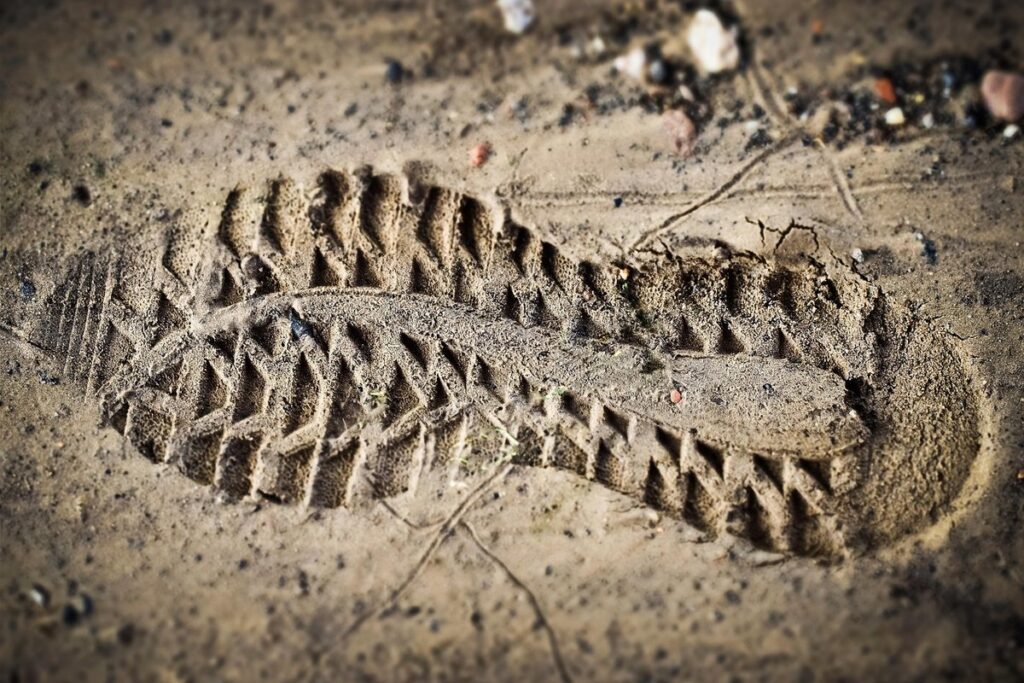
Understanding Leave No Trace Principles
Leave No Trace principles are essential for collectors and observers who want to minimize their impact on our natural heritage. Let’s explore the core ideas behind these guidelines.
The Seven Principles of Leave No Trace
The seven core principles of Leave No Trace are designed to minimize human impact on the environment. These principles serve as a framework for responsible behavior and are applicable to both collectors and observers. The first principle is “Plan Ahead and Prepare.” This involves researching the site, checking regulations, and preparing for emergencies before heading out.
Another key principle is “Travel and Camp on Durable Surfaces,” which means sticking to designated trails and campsites to avoid damaging vegetation and wildlife habitats. The principle of “Dispose of Waste Properly” emphasizes the importance of packing out trash and human waste, as well as properly disposing of it when you leave the site.
The fourth principle is “Leave What You Find,” which includes not collecting or disturbing plants, rocks, or other natural features. The remaining three principles are “Minimize Campfire Impacts,” “Respect Wildlife,” and “Be Considerate of Other Visitors.” These principles work together to minimize human impact on the environment and preserve the natural heritage for future generations.
A crucial aspect is understanding that these principles should be applied consistently, not just in exceptional circumstances. By following each principle, you can significantly reduce your environmental footprint.
Why Leave No Trace is Important for Collectors and Observers
Collectors and observers can unintentionally harm the environment if they don’t follow Leave No Trace guidelines. This is particularly concerning when it comes to natural areas with sensitive habitats or protected species. For instance, a collector digging for fossils may accidentally damage roots or disturb underground water sources, causing long-term damage to the ecosystem.
Similarly, observers who set up camp near wildlife habitats can disrupt feeding patterns and alter the behavior of local animals. In some cases, human activity can even lead to the decline or extinction of specific species. For example, the introduction of non-native plants or pets can outcompete native flora for resources, causing an imbalance in the delicate ecosystem.
By following Leave No Trace guidelines, collectors and observers can minimize their impact on natural areas. This includes staying on designated trails, avoiding sensitive habitats, and properly disposing of waste. By taking these simple steps, individuals can help protect our natural heritage and preserve it for future generations to enjoy.
Preparing for Your Visit: Planning and Packing
Before you head out to explore, it’s essential to plan ahead and pack thoughtfully to minimize your impact on the environment and ensure a safe experience. Proper preparation is key to respecting the natural heritage of these special places.
Researching the Site and Regulations
Before visiting a natural area, it’s crucial to research the site and regulations specific to that location. This includes understanding any local rules or restrictions on collecting or observing wildlife. For instance, some areas may prohibit collecting certain species, while others may require permits for photography or videography. Familiarize yourself with these regulations to avoid unintentionally harming the environment.
Check the official website of the park or protected area you plan to visit. Look for information on specific rules and restrictions, as well as any necessary permits or licenses required for your activities. You can also contact park rangers or local authorities directly to ask questions and clarify any doubts.
In some cases, regulations may vary depending on factors like weather conditions, time of year, or special events. Stay informed about these changes and adjust your plans accordingly. By taking the time to research the site and regulations beforehand, you’ll be better equipped to minimize your impact and respect the natural environment. This will also help ensure a safe and enjoyable experience for both yourself and other visitors.
Packing the Right Gear and Supplies
When venturing into natural areas, it’s essential to pack the right gear and supplies to minimize your impact. Start with a sufficient supply of water, considering the climate and duration of your visit. Aim for at least one gallon per person per day for drinking, cooking, and hygiene. Don’t forget to bring food that can be prepared and consumed without generating waste, such as energy bars or dried fruits.
A well-stocked first aid kit is also crucial, including essentials like bandages, antiseptic wipes, pain relievers, and any medications you may need. Be sure to check the expiration dates of any supplies before heading out. Clothing should be layered for changing conditions, with a hat, sunglasses, and sunscreen for sun protection.
When packing clothing, consider the environment and activities you’ll be doing. For example, sturdy boots are necessary for hiking, while gloves can protect your hands from thorns or other hazards. Don’t forget to bring a map, compass, and/or GPS device to help navigate the area. A small backpack or daypack with multiple compartments will also keep your gear organized and within reach.
On-Site Best Practices: Minimizing Impact
When collecting and observing in sensitive natural areas, it’s crucial to minimize your impact on the environment by following best practices that protect the land for future generations. This section outlines essential guidelines for reducing harm to plants, wildlife, and ecosystems.
Staying on Designated Trails and Avoiding Sensitive Habitats
Staying on designated trails is crucial to preventing erosion and protecting wildlife habitats. When you stray from marked paths, even if it’s just a few feet, you can cause significant damage to vegetation and soil. This is especially true in sensitive areas like meadows, wetlands, or areas with loose or unstable terrain.
In these environments, every step counts: a single misplaced footstep can trample delicate plants or create miniature landslides. Moreover, sensitive habitats often rely on specific microclimates, which can be disrupted by human activity. For example, in alpine regions, compacting snow can lead to the loss of rare plant species.
Be aware of your surroundings and take note of any warning signs or trail closures. If you’re unsure about a particular area, err on the side of caution and stick to designated trails. This simple precaution can go a long way in preserving these fragile ecosystems for future generations. In areas with loose terrain, consider using trekking poles or taking smaller steps to minimize your impact.
Proper Use of Foliage and Plant Life
When exploring natural areas, it’s essential to respect the foliage and plant life. This means not damaging or removing plants, as they play a crucial role in the ecosystem. Avoid trampling vegetation, especially in sensitive habitats like meadows, wetlands, or alpine zones.
Don’t collect or uproot any plants, including rare or endangered species. This helps prevent damage to the root system and allows the plant to continue its natural growth cycle. If you need to navigate through dense foliage, try to avoid using a machete or other sharp tools that can cause unnecessary harm.
Respect protected areas, such as botanical gardens or nature reserves. These sites are often home to rare or sensitive species, and any damage to these plants can have long-term consequences. Familiarize yourself with the site’s rules and regulations regarding plant collection or removal.
When interacting with foliage, be mindful of your gear. Avoid using ropes or cables that could snag on branches or uproot small plants. If you need to hang gear like backpacks or cameras, use carabiners or other secure attachment points to minimize impact.
Managing Waste and Human Hygiene
When venturing into natural areas, human waste and garbage can be a significant issue for both humans and wildlife. Properly managing these aspects is crucial to minimizing our impact on the environment.
Proper Disposal of Trash and Human Waste
When disposing of trash and human waste, it’s essential to follow specific guidelines to minimize environmental impact. Designated receptacles are provided at most sites for collecting non-biodegradable waste like plastic water bottles, food packaging, and other disposable items. Use these containers instead of scattering litter or burying trash, which can harm wildlife and contaminate soil and water.
For human waste, follow the “pack it in, pack it out” principle by storing human feces in a sealed container or using portable toilets when available. Digging holes for waste is not recommended, as it can contaminate groundwater and damage vegetation. When selecting a location to dispose of human waste, choose an area at least 200 feet away from water sources and trails.
To maintain personal hygiene in the wild, wash hands with soap and water whenever possible. If no sink or running water is available, use hand sanitizer as a substitute. Avoid using biodegradable soap near water sources, as it can still harm aquatic life. Always keep toilet paper and other sanitary products stored in sealed containers to prevent them from blowing away and littering the area.
Maintaining Personal Hygiene in the Wild
When collecting or observing in the wild, maintaining personal hygiene is crucial to prevent unnecessary impact on the environment. This doesn’t mean sacrificing cleanliness for the sake of nature; rather, it’s about being mindful of the products you use and how you dispose of waste.
Use biodegradable soap when washing hands or bathing in natural water sources. Regular soap can contaminate streams and harm aquatic life, while biodegradable options break down more quickly and safely. Toilet paper is another essential item to consider: opt for biodegradable or compostable varieties to minimize the risk of polluting nearby ecosystems.
When using toilet paper, also be mindful of how you dispose of it. If you’re in a designated campsite or bathroom facility, use the provided waste receptacles as usual. In more remote areas, bury used toilet paper at least 6 inches deep and cover it with soil to prevent attracting wildlife. This simple step can help maintain a clean and healthy environment for both humans and animals.
Respecting Wildlife and Their Habitats
When interacting with wildlife, it’s crucial to remember that they are not just subjects for observation, but living creatures deserving of respect and care. This includes avoiding disturbances and respecting their natural habitats.
Keeping a Safe Distance from Wildlife
Maintaining a safe distance from wildlife is crucial to avoid disrupting their natural behavior. When interacting with animals, it’s essential to remember that they are not domesticated and may behave unpredictably. A sudden approach or presence can cause stress, leading them to abandon their young, change habitats, or even attack.
When observing wildlife, keep a minimum of 25 yards (23 meters) distance, as recommended by the Leave No Trace Center for Outdoor Ethics. This allows animals to feel comfortable and reduces the risk of disturbance. For species like bears, wolves, or mountain lions, it’s best to maintain an even greater distance – ideally 100 yards (91 meters) or more.
In some cases, wildlife may appear habituated to human presence due to food sources or lack of natural fear. However, this doesn’t mean they’re comfortable with close proximity. Even if animals seem tolerant, their behavior can change rapidly when threatened or surprised. Avoid using binoculars or zoom lenses to get closer views; instead, invest in good quality optics that allow you to observe from a safe distance.
When observing wildlife, stay calm and move slowly to avoid sudden movements that might startle them.
Not Feeding or Approaching Protected Species
Feeding or approaching protected species is strictly prohibited, not only because it disrupts their natural behavior and habitat but also because it poses a significant risk to human safety. Many animals, especially those with sharp claws or teeth, can become aggressive when fed by humans. A notable example is the black bear, which has been known to attack people who habituate them to food.
Protected species are often labeled as such due to their vulnerability and sensitivity to human interaction. Feeding these animals can erode their natural fear of humans, leading to unwanted encounters and potentially catastrophic consequences. In some cases, protected species may also carry diseases that can be transmitted to humans.
To avoid harming both humans and animals, it’s essential to keep a safe distance from protected species at all times. If you encounter such an animal, remain calm and slowly back away while maintaining eye contact. Never attempt to feed or touch them, as this can lead to severe consequences for both parties involved.
Collaborating with Park Rangers and Authorities
Working closely with park rangers and authorities is crucial when collecting samples or observing sensitive species, as they can provide valuable insights and ensure your research doesn’t harm the environment. They can also help you understand local regulations and best practices.
Reporting Incidents and Concerns
When you encounter an incident or concern during your visit to a protected area, it’s essential to report it to park rangers and authorities. This information helps them maintain a healthy environment and respond quickly to potential threats.
Reporting incidents can be as simple as informing a park ranger about a trail closure due to weather conditions or wildlife activity. However, some situations may require more attention. If you observe someone violating leave no trace principles, such as littering or disturbing wildlife, report the incident anonymously if needed. You can also share observations of unusual animal behavior, unexplained changes in vegetation, or other potential threats.
If you’re unsure whether to report an incident, ask yourself: “Could this harm the environment or disrupt the natural balance?” If the answer is yes, reach out to park rangers or authorities as soon as possible. They’ll be able to assess the situation and take necessary actions. When reporting incidents, provide as much detail as you can, including locations, times, and descriptions of what you observed.
In many protected areas, there are specific protocols for reporting incidents, such as submitting an online form or contacting a designated contact person. Familiarize yourself with these procedures before your visit to ensure you know the best course of action in case of an emergency.
Supporting Conservation Efforts
When visiting natural areas to collect or observe, many collectors and observers want to give back to the environment they’ve come to appreciate. Supporting conservation efforts can be a tangible way to make a positive impact on the land and its inhabitants. One way to do this is by volunteering with local organizations that manage protected areas. These groups often have volunteer programs for tasks such as trail maintenance, habitat restoration, or species monitoring.
Donating to reputable conservation organizations is another option. These donations can help fund critical research, education initiatives, or on-the-ground projects aimed at protecting and preserving natural habitats. You can also consider spreading awareness about the importance of conservation through social media platforms, local events, or community outreach programs.
For example, the National Park Service has a program that allows individuals to adopt a park or monument for a year, providing funding for specific projects such as trail maintenance or habitat restoration. By taking an active role in supporting conservation efforts, collectors and observers can demonstrate their commitment to protecting our natural heritage for future generations.
Conclusion: Making a Lasting Impact through Responsible Behavior
As you conclude your journey to become a responsible collector and observer, it’s essential to make lasting impressions on the natural environments we’ve explored. Let’s discuss how to maintain these positive impacts.
Review of Key Leave No Trace Principles
To make a lasting impact through responsible behavior, it’s essential to grasp the core principles of Leave No Trace. These guidelines are designed to minimize human impact on natural areas and preserve their integrity for future generations. For collectors and observers, adhering to these principles is crucial to protecting our shared heritage.
One key principle is to respect wildlife and their habitats. This means keeping a safe distance from animals, not feeding or approaching protected species, and avoiding sensitive habitats that are critical for their survival. It’s also vital to dispose of trash and human waste properly, using designated receptacles whenever possible. Additionally, maintaining personal hygiene in the wild can help prevent the spread of invasive species and diseases.
When it comes to minimizing impact, staying on designated trails is crucial to preventing erosion and protecting sensitive habitats. Proper use of foliage and plant life is also essential, as over-trampling or removing vegetation can harm ecosystems. By following these key principles, collectors and observers can significantly reduce their footprint in natural areas and contribute to the long-term health of our planet’s precious ecosystems.
Encouraging Collective Action for Environmental Protection
As you conclude your journey through these Leave No Trace guidelines, remember that responsible behavior is not a solo endeavor. Environmental protection requires collective action and a culture of stewardship among collectors and observers alike. By sharing your knowledge with others, you can inspire a ripple effect of positive change in the natural world.
Start by engaging with fellow enthusiasts online or at local events. Share articles, photos, or personal stories about your experiences following Leave No Trace principles. You can also participate in local conservation groups or volunteer for park cleanups and restoration projects. These actions not only promote environmental responsibility but also foster a sense of community among like-minded individuals.
When interacting with others, encourage them to adopt responsible behavior by modeling the practices you’ve learned. If you witness someone engaging in destructive behavior, politely educate them on the Leave No Trace principles and their importance. Your influence can be powerful, so use it wisely. By working together and promoting environmental stewardship, we can make a lasting impact on our natural heritage for generations to come.
Frequently Asked Questions
How can I apply Leave No Trace principles to my specific type of collecting or observing activity?
You can apply the seven core principles to your specific activity by considering how it might impact the environment. For example, if you’re a fossil hunter, be mindful of your footprints and not damaging fossils in situ. If you’re a birdwatcher, keep a safe distance from nests and avoid disturbing habitats.
What are some common mistakes collectors and observers make that can harm the environment?
Common mistakes include littering, damaging plants or animals, and disrupting wildlife behavior. To avoid these mistakes, research the site beforehand, stay on designated trails, and follow specific guidelines for your activity.
Can I leave a small campfire or candle unattended in a natural area to enjoy the scenery at night?
No, leaving a campfire or candle unattended can be hazardous and damage the environment. If you need to light a fire, make sure to fully extinguish it before leaving it, and follow local regulations regarding open flames.
How do I know if I’m approaching a sensitive habitat or wildlife sanctuary without being told by park rangers?
Be aware of your surroundings and look for signs indicating protected areas or sensitive habitats. Use a field guide or consult with park rangers to learn more about the area’s specific regulations and guidelines.
What if someone else in my group is not following Leave No Trace principles – what can I do to educate them without being confrontational?
Educating your group members can be challenging, but start by explaining why Leave No Trace is important and how it benefits everyone. Offer to help plan a more responsible activity or provide resources for further learning.