
When venturing into nature, many of us are eager to capture the intricate details that surround us. A well-designed field journal can be a powerful tool for improving observation skills and creativity in these settings. However, without a thoughtful layout, notes can become scattered and difficult to follow, hindering our ability to retain valuable information about the natural world. By customizing your field journal layout, you can better organize your thoughts, track patterns and changes over time, and deepen your understanding of the environment around you. In this article, we’ll explore practical tips for designing an effective field journal layout that complements your outdoor experiences and enhances your connection with nature. By the end of this guide, you’ll be able to create a personalized system for recording observations that will help you make more meaning out of your time spent in the wild.
Understanding the Basics of Field Journaling
Field journaling is a unique and creative way to document your outdoor adventures, allowing you to capture memories and insights through a combination of writing and art. In this section, we’ll break down the fundamentals of field journaling.
What is a Field Journal?
A field journal is more than just a notebook – it’s a portable companion for documenting your experiences and observations in the great outdoors. Its primary purpose is to record notes, sketches, and insights gained from exploring nature, conducting research, or simply spending time in the wilderness.
As an essential tool for nature enthusiasts, scientists, artists, and anyone who wants to document their experiences, a field journal allows you to capture the essence of your surroundings in real-time. This might involve sketching plants, animals, or landscapes; noting weather patterns, seasonal changes, or geological features; or jotting down observations about wildlife behavior, habitat diversity, or ecosystem health.
In practical terms, a good field journal should be designed with flexibility and durability in mind. Look for one that has durable binding, water-resistant pages, and a layout that accommodates sketches, notes, and any additional media you might want to include.
Benefits of Using a Field Journal
Using a field journal can significantly enhance your observation skills by forcing you to slow down and pay attention to details. This is particularly beneficial when documenting nature sightings, where small changes in environment, weather patterns, or species behavior can be crucial for understanding the ecosystem as a whole.
Field journals also provide an outlet for creativity, allowing you to express observations through sketches, watercolors, or doodles. The act of creating visual representations of what you’ve seen can deepen your connection with the subject matter and even inspire new ideas. For instance, drawing a detailed landscape of a park visit might encourage you to revisit it regularly and explore different areas.
By recording your findings in a field journal, you’ll retain knowledge better than if you were simply taking mental notes or snapping photos. When reviewing previous entries, you can look for patterns, identify cause-and-effect relationships between events, or recognize seasonal changes. This kind of reflection helps solidify understanding and often leads to new insights – the kind that might not have been apparent at first glance.
Choosing the Right Field Journal
When selecting a field journal, consider factors such as paper quality, binding style, and size to suit your needs and preferences. A suitable journal will serve as a loyal companion for your creativity and exploration.
Types of Paper Suitable for Field Journaling
When it comes to field journaling, you’ll want paper that can withstand regular use and exposure to various environments. Grid paper is a popular choice for its structured layout, making it ideal for note-taking and sketching. The grid pattern helps maintain proportions and ensures accurate measurements.
Dot paper, on the other hand, offers a more flexible format. Each page features evenly spaced dots instead of lines, allowing you to create freehand sketches or maps without worrying about precision. This type of paper is perfect for those who prefer a more organic approach.
Watercolor paper is also suitable for field journaling, particularly if you plan on incorporating water-based media like painting or drawing with watercolors. Look for papers labeled as “hot press” or “cold press,” which offer varying degrees of texture and resistance to moisture. Some papers may even be specifically designed for mixed media use.
When selecting paper, consider factors like durability and water resistance. Choose a weight that can withstand regular handling, and opt for paper with built-in water resistance if you plan on using wet media.
Notebook Size and Binding Options
When selecting a field journal, consider the notebook size and binding options that best suit your needs. Ring binders offer flexibility as pages can be easily added or removed without damaging the surrounding content. This feature is particularly useful for those who prefer to work with loose-leaf paper or like to frequently rearrange their layouts.
Spiral-bound notebooks provide a more traditional journal experience, with pages attached to a central spine. While this binding style may not offer the same flexibility as ring binders, it’s often preferred by those who prefer a more contained and structured approach.
Hardcover notebooks offer durability and a professional appearance, making them suitable for presentations or sharing with others. However, they can be less portable than other options due to their weight and size. Consider your field journaling environment – will you primarily use the notebook in an office setting or while traveling? Choose a binding style that balances functionality and aesthetics according to your needs.
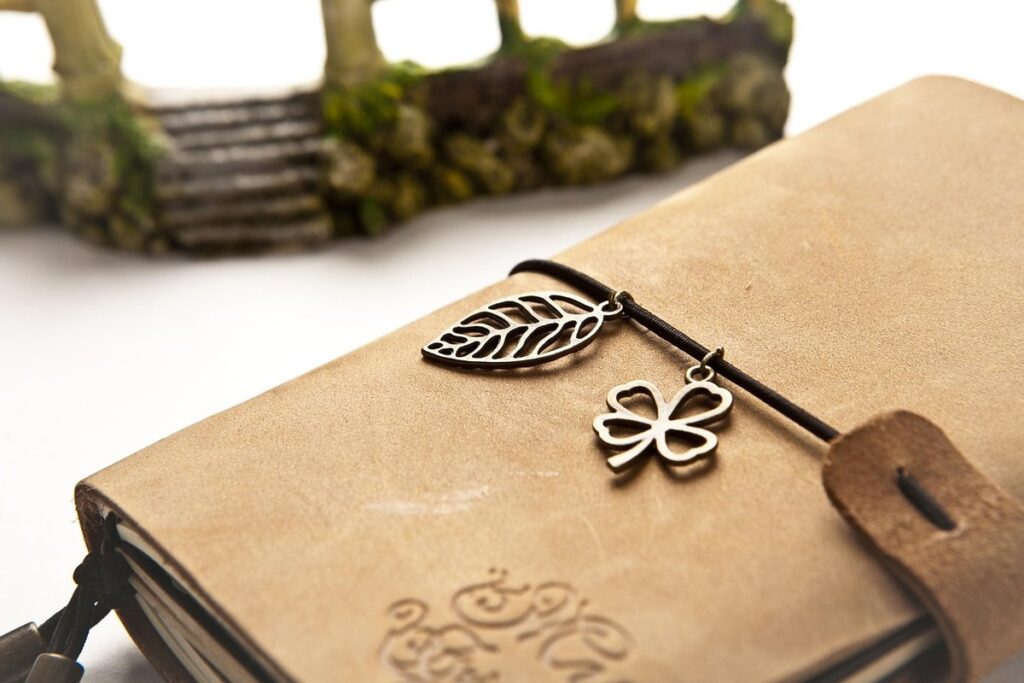
In addition to these traditional binding styles, some notebooks also feature elastic closures, ribbons, or bookmarks for added functionality. When selecting a notebook size, consider how much space you need for writing and sketching. A larger notebook may be more suitable for those who work in multiple disciplines or prefer to include extensive notes and sketches.
Planning Your Field Journal Layout
To create a field journal layout that truly reflects your personality and needs, let’s start by planning out the essential sections you want to include. This will help you establish a clear framework for your journal.
Creating a Consistent Format
Use headers to break up long entries and provide visual cues for navigation. A consistent header system can help you quickly locate specific notes and keep track of progress over time. Some common headers include date, location, activity, or topic of note-taking.
Consider using a footer section to record additional information that doesn’t fit within the main entry. This could be a daily weather log, a list of readings or observations, or even a simple “to-do” list for the next day.
You can also maintain an index or table of contents to provide quick access to specific entries and sections. This is especially useful if you’re using a large notebook or multiple notebooks over time.
When designing your header system, keep it flexible enough to accommodate changing needs. You might start with a simple “date” and “topic” format, but as you continue to use your journal, you may want to add more specific categories or subheadings.
Remember that the goal of a consistent format is to improve accessibility and make it easier to revisit past entries. Experiment with different header and footer configurations until you find one that works for you and your unique field journaling needs.
Incorporating Visual Elements
Incorporating visual elements is an essential aspect of creating a field journal layout. Sketches, paintings, and photographs can add depth, personality, and meaning to your notebook pages. These visuals not only break up text but also provide a unique way to document your experiences and observations.
When incorporating sketches, consider using a range of mediums, such as pencils, pens, or watercolors. You can use simple stick figures or more detailed drawings, depending on the context and your skill level. For example, you might sketch the architecture of a building or capture the shapes and textures of natural surroundings.
Photographs can also be an excellent addition to your field journal. Use small prints or insert Polaroids to add visual interest without overwhelming the page. Consider creating a “memory lane” section with photos from previous trips or experiences. This can help you reflect on past adventures and appreciate how far you’ve come.
Remember, your visuals should complement your text, not compete with it. Experiment with different layouts and arrangements to strike the right balance between words and images. By incorporating visual elements in a thoughtful and intentional way, you’ll create a field journal that’s both beautiful and functional.
Field Journal Layout Ideas
To help you create a visually appealing field journal, we’ll explore various layout ideas that will inspire your creativity and keep you organized on-the-go.
Nature-Inspired Designs
Nature-inspired designs can add a unique touch to your field journal layout. One way to incorporate these elements is by using leaf patterns and motifs. You can create intricate designs with real leaves, press them between pages or use their images for inspiration. Consider adding illustrations of flowers, trees, or birds to bring in a sense of nature.
Animal silhouettes are another great option. Use simple shapes or more detailed drawings to add visual interest. A small deer or bird silhouette on the cover can set the tone for your field journal’s contents. To create a cohesive look, use consistent colors and patterns throughout.
For inspiration, look to botanical prints, watercolor paintings, or nature photography. You can also experiment with different materials like twigs, pinecones, or seashells to add texture and depth to your designs. When incorporating nature-inspired elements, remember that less is often more. Balance these elements with negative space to avoid overwhelming the page.
Consider using a repeating pattern of leaves or flowers to create a visually appealing background for your journal entries. This can also help you stay organized by separating different sections or categories within your field journal.
Minimalist Approach
A minimalist field journal layout emphasizes clean lines, simple typography, and ample space for notes and sketches. This approach is perfect for those who prefer a clutter-free visual experience. To achieve a minimalist look, start by choosing a plain paper or a light-colored background that won’t compete with your handwriting.
Use a limited color palette, sticking to one or two primary colors and perhaps an accent color. Avoid elaborate doodles and focus on simple typography, using a consistent font throughout the journal. Leave plenty of space between entries for easy navigation and minimize the use of dividers or tabs.
When it comes to layout, consider a grid system with evenly spaced columns and rows. This will help maintain consistency and make your journal feel more organized. Don’t be afraid to leave blank pages – they can serve as a canvas for future sketches or notes. Remember, minimalism is about simplicity, so resist the temptation to over-accessorize your field journal.
Advanced Field Journal Techniques
As you refine your field journal layout, it’s time to explore more advanced techniques that will help you unlock new levels of creativity and organization. We’ll cover expert methods for tracking complex projects and habits.
Using Doodles and Zentangles
Doodles and zentangles can add an extra layer of depth and visual interest to your field journal layout. These techniques involve creating intricate patterns and designs using repetitive lines, shapes, and motifs. To get started, try incorporating simple doodles like hatching or cross-hatching into your journal pages. This can be as easy as drawing a series of parallel lines with varying spacings or layering curved lines to create texture.
For more complex designs, consider creating zentangles. These involve starting with a central shape and then adding layers of lines, patterns, and motifs around it. You can use a single pen or pencil, or experiment with different colors and materials like markers or colored pencils. One key technique is to focus on the process, not the end result – let your pen move freely without worrying about perfection.
When incorporating doodles and zentangles into your field journal layout, remember that less is often more. Start small and build up complexity gradually, allowing yourself time to experiment and refine your skills. As you become more comfortable with these techniques, you can begin to incorporate them into other areas of your journaling practice, such as illustrating observations or adding visual notes to text entries.
Incorporating Additional Media
Incorporating additional media into your field journal layout can add visual interest and personality to your pages. One way to do this is by using stickers. Choose stickers that are relevant to your field observations, such as botanical illustrations or geographical symbols. Apply them strategically throughout your journal to highlight important information or create a visually appealing border.
Stamps are another versatile option for adding media to your field journal. You can use clear stamps to add quotes, lyrics, or inspiring phrases to your pages. Alternatively, use rubber stamps to create repeating patterns or add visual texture to your layouts. Experiment with different stamp sizes and placements to find the look that suits you best.
Washi tape is a fun and easy way to add color and dimension to your field journal pages. Use it to create borders, separate sections, or draw attention to specific entries. You can also use washi tape to mask out areas of your page or create subtle backgrounds for photos or sketches. Consider storing rolls of different colors in a designated spot in your journal so they’re easily accessible when inspiration strikes.
Frequently Asked Questions
What if I’m not artistic? Can I still create an effective field journal layout?
Yes, creating an effective field journal layout doesn’t require extensive art skills. Focus on using simple typography, consistent formatting, and incorporating visual elements that resonate with your subject matter. Use photographs, sketches, or even printed images to add depth to your entries.
How do I balance creativity with practicality in my field journal layout?
Aim for a harmonious balance between creative expression and functional organization. Allocate dedicated space for notes, sketches, and observations, while reserving areas for more artistic expressions. This will help you maintain structure without sacrificing the joy of experimentation.
Can I use digital tools to enhance my field journal layout?
Yes, digital tools can be valuable additions to your field journaling experience. Utilize apps or software that allow you to scan or digitize your entries, making it easier to organize and reflect on your progress. Consider incorporating digital media into your layouts for added visual interest.
How do I handle mistakes or changes in my field journal layout?
Mistakes are an inevitable part of the creative process. When errors occur, simply acknowledge them with a gentle note or correction, then continue with your entry as planned. If you need to make significant changes, use stickers or washi tape to cover up incorrect entries and start fresh.
Is it necessary to include an index in my field journal layout?
While an index is not strictly necessary, including one can significantly enhance the usability of your field journal over time. Consider dedicating a section at the beginning or end for indexing key terms, dates, or locations. This will facilitate quick reference and help you track patterns and insights within your entries.