
Recording your observations of sky conditions accurately is crucial for anyone involved in astronomy, meteorology, or photography. Whether you’re tracking weather patterns, capturing stunning astrophotography images, or monitoring celestial events, reliable records of the sky’s condition are essential. However, many people struggle to effectively document these details, leading to inconsistent or incomplete data. This comprehensive guide will walk you through the tools and techniques necessary for accurately recording sky conditions in your notes. We’ll explore how to make consistent observations, choose the right instruments, and note down relevant information such as cloud types, wind direction, and temperature readings. By the end of this article, you’ll be able to confidently record and utilize accurate sky condition data for any application.
Understanding the Importance of Sky Condition Records
Sky condition records are crucial for photographers, as they help document and predict weather patterns that can impact your shoots. Let’s examine why accurately recording these conditions matters in your note-taking practice.
What are Sky Conditions?
Sky conditions refer to the state of the atmosphere at a particular location and time. This encompasses various factors such as cloud cover, precipitation, temperature, humidity, wind direction, and visibility. Accurately recording sky conditions is crucial for several reasons. In astronomy, observing guides and checklists often rely on specific weather patterns to determine optimal viewing times for celestial events.
Meteorologists use detailed records of past weather conditions to predict future forecasts. Photography enthusiasts need to consider factors like light intensity and cloud cover to capture the best shots. For example, capturing a clear blue sky can be challenging without knowing the expected cloud cover or time of sunrise/sunset.
Weather stations and automated systems provide data on temperature, humidity, wind direction, and pressure. However, personal observations, recorded in notes, offer valuable context and detail that machines may miss. They allow for a more nuanced understanding of local weather patterns, which can be particularly useful in areas with unique microclimates or where data from automated systems is scarce.
Types of Sky Observations
When recording sky conditions, it’s essential to consider various types of observations. Start by noting the overall brightness of the sky, using a simple scale such as “clear,” “partly cloudy,” or “overcast.” Next, describe the dominant cloud cover, including their type (e.g., cumulus, stratus), height, and any notable features.
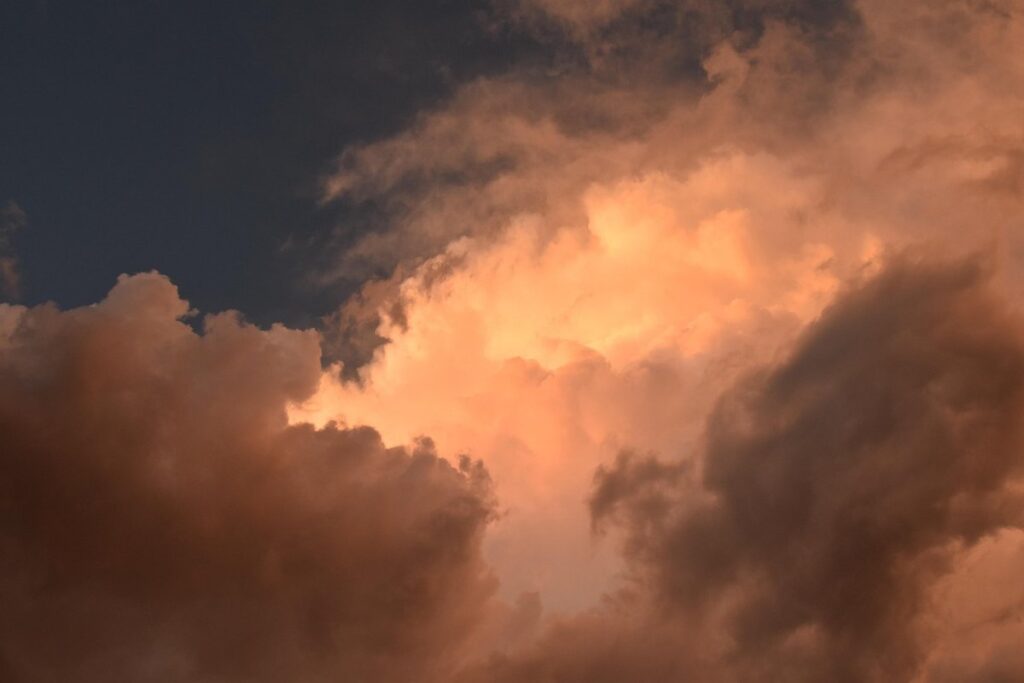
Color can also be an important aspect to record. Note if the sky has taken on any unusual hues, such as a orange or pink tint during sunrise or sunset. Be sure to specify whether these color variations are subtle or pronounced.
Another crucial observation is cloud cover’s effect on visibility. Are you able to see distant objects clearly, or is there haze limiting your view? Any notable events or phenomena should also be documented, including lunar phases, planetary alignments, and astronomical events like meteor showers or solar eclipses.
In addition to these general observations, record any specific details that catch your attention. For example, if a cloud formation has an unusual shape or is producing interesting patterns, note its description and location in the sky. By considering these various types of observations, you’ll build a more comprehensive picture of the sky’s conditions on any given day.
Basic Tools for Recording Sky Conditions
When recording sky conditions, it’s essential to start with the basics: knowing what tools to use and how to accurately describe cloud types, shapes, and movements. Let’s take a closer look at these fundamental tools.
Choosing a Notebook System
When it comes to recording sky conditions, having a reliable and accessible notebook system is crucial. You have two primary options: physical notebooks or digital note-taking apps.
Physical notebooks offer portability and tactile experience, making them suitable for outdoor observations. Look for notebooks with weather-resistant covers, smooth paper, and a layout that accommodates your observation needs. Consider a notebook with separate sections for different types of observations, such as cloud types, lunar phases, and wind direction.
Digital note-taking apps provide greater accessibility and customization options. Choose an app that allows tagging and categorizing entries for easy retrieval. Some popular options include Evernote, OneNote, and Simplenote. These apps often offer cloud syncing, which ensures your records are safe in case of equipment loss or damage.
Before making a final decision, consider the following factors: Do you need to record observations in low-light conditions? If so, a digital app with a screen-friendly interface might be more suitable. Alternatively, if you prefer a hands-on approach and don’t mind carrying a physical notebook, this option can provide a sense of satisfaction and tangible progress.
Essential Observations to Record
When recording sky conditions, there are several essential observations to note. Start by documenting the date and time of each observation, as well as the location where you’re making the notes. This may seem straightforward, but accuracy is crucial – use a dedicated calendar or planner for tracking dates, and consider labeling your notebook with the corresponding month and year.
Next, record the prevailing weather conditions at the time of observation. Note the temperature, humidity, wind direction, and any other relevant factors that might influence what you’re seeing in the sky. This information will help you better understand how weather affects astronomical observations.
Additionally, pay attention to the moon’s phase – note whether it’s full, new, crescent, or gibbous, as this can impact viewing conditions. You should also record any notable celestial events or phenomena, such as planetary alignments, meteor showers, or aurora activity. Consider including a sketch or drawing of what you observe, using symbols or abbreviations to denote different features – this will help you quickly identify and reference specific observations in the future.
Advanced Techniques for Accurate Sky Condition Recording
As you refine your skills, it’s essential to master advanced techniques for accurately recording sky conditions, including identifying subtle variations in cloud types and shapes. This section will explore those nuances in detail.
Using Observing Guides and Checklists
Using observing guides and checklists can significantly enhance the accuracy and comprehensiveness of your sky condition records. These tools provide a structured framework for noting various aspects of the atmosphere, ensuring you don’t miss critical details. For instance, when using a cloud type guide, you’ll be prompted to record specific characteristics like height, thickness, and any notable formations.
A checklist can help you stay organized by breaking down observations into manageable categories. Consider incorporating fields for wind direction, temperature, humidity, and atmospheric pressure. By systematically noting these parameters, you’ll develop a more nuanced understanding of the sky’s conditions.
To get started with observing guides and checklists, begin by identifying your specific recording needs. Are you tracking changes in cloud cover or monitoring weather patterns? Tailor your guide or checklist to focus on the most relevant factors for your observations. Some popular resources include astronomy apps, online databases, or even custom-created spreadsheets tailored to your specific interests.
When creating or using these tools, remember to regularly review and update them as needed. This will help ensure they remain effective in supporting your recording efforts and continue to provide valuable insights into the sky’s conditions.
Involving Additional Tools in Record-Keeping
Integrating additional tools into your record-keeping process can significantly enhance the accuracy and detail of your sky condition data. For instance, using a camera to capture images of the sky can provide visual documentation of cloud types, their distribution, and any notable phenomena like sun dogs or halos.
If you’re an astrophotographer, you might already have a camera setup that can be used for this purpose. Simply make sure to note the time, date, and conditions under which each image was taken, as well as any relevant metadata about the camera settings and equipment used.
Another useful tool is a weather station, which can provide real-time data on temperature, humidity, wind speed, and other environmental factors that influence sky conditions. This information can be recorded alongside your visual observations to create a more complete picture of the atmosphere.
When using additional tools, it’s essential to balance the benefits of increased detail with the potential for added complexity in your record-keeping system. Consider keeping a separate log or spreadsheet to store data from these tools, and make sure to link it back to your main observation records.
Best Practices for Maintaining Consistency in Records
Consistency is key when recording sky conditions, and maintaining accurate records requires a few essential habits to ensure reliability and trustworthiness of your notes. Let’s explore how to develop these good practices.
Developing a Routine Observing Schedule
Establishing a regular observing schedule is crucial for maintaining consistency in recording sky conditions over time. By setting aside specific times each day or week to observe and record the sky, you can develop a reliable routine that ensures accuracy and completeness.
Begin by identifying the optimal time of day for observing the sky in your location. Typically, early morning or late evening hours offer clearer skies and more stable atmospheric conditions. Schedule these periods into your daily planner or calendar to ensure consistency.
When developing your observing schedule, also consider factors such as moon phase, weather forecasts, and astronomical events like planetary alignments or meteor showers. These can impact the clarity of observations and should be taken into account when planning your routine.
To maintain a consistent observing schedule, break down larger tasks into smaller, manageable chunks. For example, allocate 10-15 minutes each day for sky observation and recording. This can be further divided into specific tasks like noting cloud types, recording temperature readings, or documenting any notable celestial events. By doing so, you’ll create a reliable routine that streamlines your record-keeping process and enhances the accuracy of your observations.
Ensuring Record Accuracy and Completeness
To ensure record accuracy and completeness, calibration checks are essential. Regularly compare observations with a standard reference, such as a sky condition guide or a calibrated instrument like a photometer. This helps to identify biases and inconsistencies in recording techniques.
Developing a data backup system is also crucial. Store records securely, both physically and digitally, using methods that prevent unauthorized access or data loss. Consider implementing a three-tiered storage approach: a primary copy of the record, a secondary backup stored off-site, and an archive for historical data.
When handling missing or incomplete records, consider employing proxy variables to estimate values. This can be done by analyzing patterns in existing data or using nearby observation points as substitutes. For instance, if a specific observing period is missing due to equipment failure, use the average sky conditions from adjacent periods to fill in the gap.
Integrating Sky Condition Records with Other Data Sources
To get the most out of your sky condition records, you’ll want to combine them with other relevant data sources, such as weather forecasts and photographs. This section shows how to do just that.
Correlating Observations with Weather Data
Combining sky condition records with weather data can be a powerful tool for enhancing our understanding of atmospheric phenomena and improving predictive models. By correlating observations of cloud cover, precipitation, and other sky conditions with concurrent weather data, you can identify patterns and relationships that might not be apparent when looking at either type of data in isolation.
For instance, if you’ve recorded a series of clear skies followed by sudden, intense rainfall, examining the corresponding weather data may reveal a high-pressure system building over the region. This insight can help inform your predictions about future weather patterns. You can use this combined information to create more accurate forecasts or to identify areas where additional research is needed.
To get started with correlating your sky condition records with weather data, begin by identifying reliable sources of weather information, such as local weather stations or online services that provide real-time data. Next, consider creating a system for linking your observations directly to the relevant weather data, perhaps using timestamps or specific keywords to facilitate easy lookup and comparison.
Using Digital Platforms for Record Management
Digital platforms have become increasingly popular for recording and managing astronomical and meteorological data. These tools can streamline record-keeping by providing a centralized location to store observations and corresponding images, weather reports, or other relevant data. Some benefits of using digital platforms include improved organization, reduced errors due to manual transcription, and enhanced accessibility through cloud storage.
Platforms like Weather Underground, Citizen Weather Observer Program (CWOP), and Sky & Telescope offer digital tools specifically designed for recording sky conditions. These platforms often feature customizable templates, automated record-keeping, and integration with other data sources such as satellite imagery or weather forecasts. However, it’s essential to note that these platforms may have limitations, including data storage capacity, compatibility issues with certain devices or software, and potential security concerns.
When choosing a digital platform for record management, consider the type of data you plan to collect, your preferred level of automation, and any integration requirements. By leveraging digital tools, astronomers and meteorologists can optimize their record-keeping processes, freeing up time for more in-depth analysis and observation.
Conclusion: The Value of Comprehensive Sky Condition Records
Now that we’ve covered the process of recording sky conditions, let’s examine how maintaining comprehensive records can benefit your overall weather journaling practice.
Recap of Key Points
When recording sky conditions in notes, it’s essential to remember the importance of comprehensive records for various applications. Throughout this guide, we’ve emphasized the significance of accurate and detailed observations for astronomical research, environmental monitoring, and personal tracking.
Developing a consistent observing routine and using observing guides and checklists can significantly enhance record accuracy and completeness. Essential tools like notebooks, pencils, and digital platforms have been discussed in previous sections to help you manage your records effectively.
It’s also crucial to correlate your observations with weather data to gain a deeper understanding of the relationships between sky conditions and other environmental factors. This integration can be achieved by using digital platforms that combine observational data with weather information.
In addition to these key points, this guide has highlighted the importance of developing a routine observing schedule and ensuring record accuracy and completeness. By incorporating these best practices into your note-taking routine, you’ll be able to create valuable records that serve as a reliable resource for future reference.
To recap, here are some essential takeaways from this comprehensive guide:
- Record sky conditions regularly using a consistent format and tools.
- Use observing guides and checklists to ensure accuracy and completeness.
- Correlate your observations with weather data to gain a deeper understanding of the relationships between sky conditions and other environmental factors.
- Develop a routine observing schedule to maintain consistency in your records.
By following these key points, you’ll be well on your way to creating valuable and comprehensive sky condition records that serve as a reliable resource for various applications.
Frequently Asked Questions
Can I Use a Smartphone App for Recording Sky Conditions?
Yes, many smartphone apps offer features to record sky conditions, including brightness, cloud cover, and celestial events. These apps can be convenient for those who prefer digital recording methods or want to supplement their notebook records.
How Do I Handle Missing or Incomplete Records in My Notebook System?
To handle missing or incomplete records, establish a backup system where you store your data both digitally and physically. This way, even if one record is incomplete or lost, the other copy can be used for reference. Additionally, review your observing schedule regularly to identify patterns of missed entries.
What’s the Best Way to Integrate Weather Data with My Sky Condition Records?
One effective method for integrating weather data is to use a digital platform that allows you to correlate observations from both sources. This integration can provide valuable insights into atmospheric phenomena and enhance predictive models. Consider using platforms specifically designed for astronomical or meteorological data management.
Can I Record Sky Conditions in the Middle of the Night, or Are There Specific Times When It’s Better to Observe?
Yes, it is possible to record sky conditions at any time of day or night, depending on your schedule and observing needs. However, certain phenomena like astronomical events may be more visible during specific times of the year or under optimal viewing conditions. Always consider the timing of your observations for maximum accuracy.
How Do I Know When My Sky Condition Records Are Accurate Enough for My Needs?
Accuracy can vary based on the application of your records. For general astronomy, ensuring you’ve recorded essential observations like date and time, location, weather, moon phase, and notable events is crucial. In more specialized applications, such as meteorology or photography, additional factors might need to be considered. Regular calibration checks and using observing guides can help ensure accuracy.