
Have you ever stopped to think about the mysterious forces at play in our universe? The lunar cycle, also known as the moon phase cycle, has been captivating humans for centuries with its rhythmic ebb and flow. From the predictable tides that rise and fall with each new moon to the subtle effects on ecosystems, the moon’s influence is both fascinating and complex. But the significance of the moon phase cycle extends far beyond science; it also holds deep cultural and historical meaning for many communities around the world. In this article, we’ll delve into the intricacies of the lunar cycle, exploring its impact on our environment, its rich cultural heritage, and how it continues to inspire us today with its timeless rhythms and symbolism.
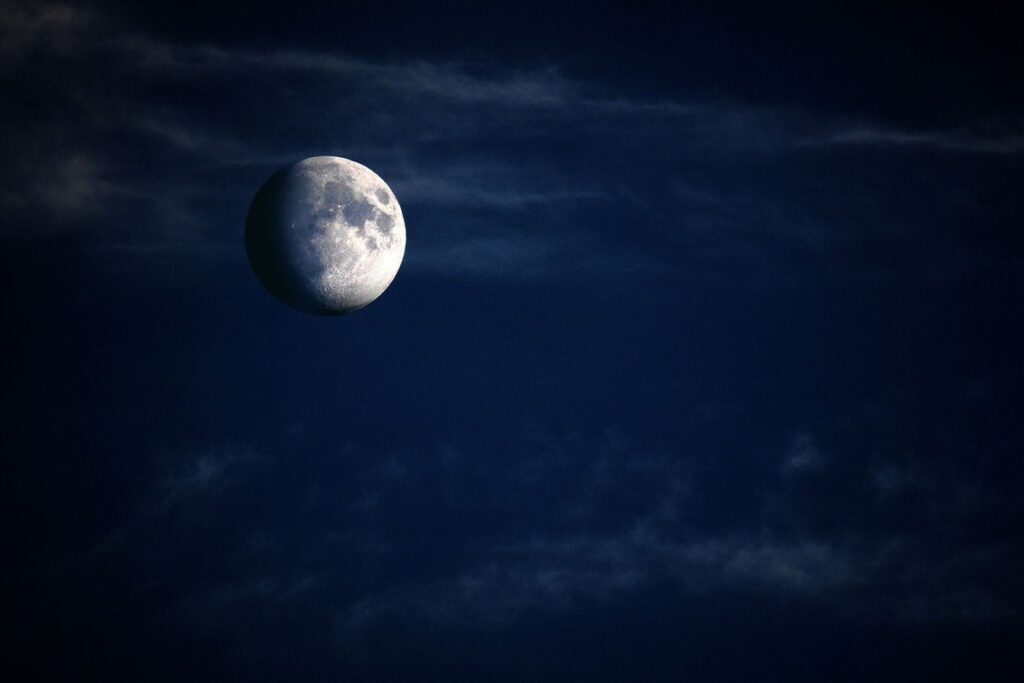
Introduction to Moon Phases
Let’s start by exploring the basics of moon phases, a fundamental concept that will help you understand and appreciate the lunar cycle’s beauty and significance. We’ll break down the eight distinct phases in a simple and easy-to-understand way.
What are Moon Phases?
As we explore the fascinating world of moon phases, it’s essential to understand the fundamental concept behind this lunar phenomenon. So, what are moon phases exactly? Simply put, a moon phase is the periodic change in the appearance of the Moon as it orbits around our Earth. This transformation occurs due to the varying positions of the Earth, Sun, and Moon relative to each other.
As the Moon moves through its elliptical orbit, different amounts of sunlight reflect off its surface, creating distinct phases that we observe from our planet. The Earth’s position between the Sun and the Moon determines which phase is visible at any given time. When the Moon is between us and the Sun, it’s new moon, while when it’s on the opposite side, we see a full moon. In between these extremes lie various partial phases, such as crescent, gibbous, and quarter moons.
To put this into perspective, imagine holding a glowing ball in front of a lamp. The amount of light that shines through depends on where you place the ball relative to the lamp’s position. Similarly, the Moon’s phase changes as it moves around our planet, revealing its illuminated surface to us at different times. By understanding these basic principles, we can better appreciate the intricate dance of celestial bodies that governs the moon phase cycle.
Importance of Moon Phases in Astronomy
Understanding moon phases is crucial for astronomers and space enthusiasts as it provides valuable insights into the Earth’s natural satellite. The lunar cycle has a significant impact on various astronomical phenomena, making it essential to comprehend its different phases. For instance, knowing when the Moon is in its new phase can help astronomers track planetary alignments and solar eclipses.
Moreover, understanding moon phases aids in predicting tidal patterns and ocean currents, which are vital for marine navigation and climate modeling. By recognizing the correlation between lunar cycles and astronomical events, scientists can refine their predictions and better comprehend the complex interactions within our celestial system.
As a space enthusiast, being aware of moon phases can enhance your observational experience during stargazing sessions. You’ll be able to identify specific lunar features and appreciate the dynamic changes that occur throughout its cycle. By grasping the importance of moon phases, you’ll develop a deeper appreciation for the intricate relationships within our solar system.
Understanding the Lunar Cycle
Let’s dive into understanding the lunar cycle, which is essential for grasping how the moon phases affect our daily lives and natural world.
The Eight Traditional Moon Phases
The traditional moon phase cycle is based on eight distinct phases that occur throughout each lunar month. Let’s break down each of these phases to understand their characteristics and significance.
The New Moon marks the beginning of a new lunar cycle, where the side of the Moon facing Earth is not illuminated by the Sun. This phase typically occurs every 29.5 days and is an opportunity for renewal and fresh starts.
As the Moon waxes, it enters the Waxing Crescent phase, becoming more visible in the night sky. During this period, you can see a small sliver of light on the right side of the Moon, which gradually increases in size over the next few days.
The First Quarter marks a turning point in the lunar cycle, where the Moon has completed one-quarter of its orbit around Earth and is now half-illuminated. This phase often corresponds to increased energy and motivation.
Next comes the Waxing Gibbous phase, where the Moon appears larger and fuller as it continues to grow towards full illumination. You may notice that the time between moonrises shortens during this period.
The Full Moon is a peak moment in the lunar cycle, where the entire face of the Moon is illuminated by the Sun, making it visible all night long. This phase often coincides with heightened emotions and awareness.
As the Moon wanes, it enters the Waning Gibbous phase, decreasing in size as it moves away from full illumination. During this period, you may notice a decrease in energy levels.
The Last Quarter marks another turning point in the lunar cycle, where the Moon has completed three-quarters of its orbit and is now half-illuminated on the opposite side of Earth.
Finally, the Waning Crescent phase occurs when the Moon appears as a thin crescent in the sky, with decreasing illumination until it reaches the New Moon phase again.
Characteristics of Each Moon Phase
As we explore the lunar cycle, it’s essential to understand the distinct characteristics of each moon phase. This will not only deepen our appreciation for the natural world but also help us tap into its energies and rhythms.
New Moon: The new moon marks the beginning of a new cycle, where the moon is between Earth and the sun, making it invisible from our planet. This is an ideal time to set intentions, plant seeds, and initiate projects that will flourish in the coming weeks. Take advantage of this dark, quiet phase to reflect on what you want to manifest in your life.
Waxing Crescent: As the moon grows in light, we begin to see a small sliver of illumination. This phase is perfect for taking small steps towards our goals, making progress without feeling overwhelmed. Use this time to build momentum and lay the groundwork for future success.
During the Waxing Gibbous phase, the moon continues to shine brighter, reflecting the increasing energy and growth in our lives. Be prepared to face challenges head-on and make adjustments as needed to stay on track. Finally, the Full Moon represents a peak moment of illumination, where our inner and outer worlds align. Take advantage of this time to release what no longer serves you and celebrate your accomplishments.
The Waning Gibbous phase signals a decline in energy, but don’t worry – it’s not about loss; rather, it’s an opportunity for refinement and renewal. This is the perfect time to review progress, make necessary adjustments, and let go of what’s holding you back.
How to Observe and Track Moon Phases
To accurately observe and track moon phases, you’ll want to start by understanding the lunar cycle’s eight distinct phases, each with its unique characteristics. Let’s dive into the practical steps of observing these cycles in real-time.
Tools for Tracking Moon Phases
Tracking moon phases can be done with ease using various tools available. Mobile apps have revolutionized the way we observe and track lunar cycles. Apps like Moon Phase Pro, Lunar Calendar, and The Photographer’s Ephemeris provide detailed information on moon phases, rise and set times, and even weather forecasts.
For those who prefer online resources, websites like Space.com, NASA, and the United States Naval Observatory’s Data Services offer accurate and up-to-date information on moon phases. These websites also provide astronomical data for a wide range of planets and celestial bodies.
Traditional methods still hold value in tracking moon phases. Almanacs have been used for centuries to record lunar cycles. You can find almanacs at most bookstores or online. Some popular ones include the Farmer’s Almanac and Old Moore’s Almanack. These traditional resources are great for those who prefer a more tactile approach to tracking moon phases.
Consider combining digital tools with traditional methods for a holistic understanding of the moon phase cycle. For instance, you can use an app to track lunar cycles and reference an almanac for historical data. This integrated approach will give you a deeper insight into the moon’s influence on our lives.
Tips for Observing Moon Phases
To truly appreciate the beauty of moon phases, it’s essential to observe them regularly. Here are some practical tips for observing and appreciating the different lunar cycles.
Start by identifying a suitable location with minimal light pollution for optimal stargazing. Invest in a pair of binoculars or a telescope to get a closer look at the moon’s surface. Download mobile apps like Moon Phase Pro or The Photographer’s Ephemeris to track the moon’s phases and receive notifications when it’s visible.
Create a habit of observing the moon on the same day each month, whether it’s during its first quarter, full moon, or last quarter phase. Take note of the differences in light and shadow patterns across the lunar surface. You can also try sketching or painting the moon to record your observations.
By following these simple tips, you’ll become more attuned to the ever-changing face of the moon and develop a deeper appreciation for its unique beauty.
The Impact of Moon Phases on Tides and Coastal Ecosystems
The moon’s gravitational pull has a profound effect on our oceans, causing tides to rise and fall in a predictable pattern. Let’s explore how this phenomenon impacts coastal ecosystems.
How Moon Phases Affect Tides
The gravitational pull of the Moon has a profound impact on Earth’s tides. To understand this phenomenon, let’s break it down: the Moon’s gravity causes the ocean water to bulge out in two areas – one on the side of the Earth facing the Moon and the other on the opposite side. This creates two high tides and two low tides each day.
The Sun also plays a role in tidal patterns. When the Sun and Moon are aligned, their gravitational pulls work together, resulting in more pronounced high and low tides – known as spring tides. Conversely, when the Sun and Moon are at right angles to each other, their effects cancel out, producing neap tides with less extreme water levels.
To illustrate this concept, consider a recent study that showed a 10% increase in tidal range during spring tides compared to neap tides. This significant difference affects coastal ecosystems, influencing erosion patterns and marine life habitats. Understanding these lunar influences is crucial for predicting tidal behavior and mitigating its impacts on our coasts.
Effects of Moon Phases on Marine Life
As we delve into the world of marine life, it becomes evident that moon phases have a profound impact on their feeding patterns and breeding behaviors. During certain lunar cycles, the tides play a crucial role in regulating the availability of food for marine animals. For instance, during full moons and new moons, the tides are at their strongest, resulting in an abundance of food being washed up onto shorelines. This phenomenon is particularly beneficial for marine species such as sea turtles, crabs, and fish, which rely on these tides to feed.
However, not all moon phases have a positive impact on marine life. During quarters, the tides are at their weakest, leading to a scarcity of food for many marine animals. This can cause a decline in populations, particularly among species that rely heavily on tidal activity for survival. To mitigate this effect, conservation efforts often focus on restoring habitats and protecting critical breeding areas.
Some marine species have adapted to these lunar cycles by adjusting their own behaviors accordingly. For example, certain fish species have been observed migrating to shallow waters during full moons to feed on abundant nutrients. In contrast, others retreat to deeper waters during quarters when food is scarce. By understanding the intricate relationships between moon phases and marine life, we can develop more effective strategies for conservation and habitat preservation.
The Cultural Significance of Moon Phases in History and Modern Times
Throughout history, various cultures have imbued moon phases with spiritual significance, influencing art, literature, and even modern-day practices. We’ll explore these fascinating examples and how they continue to impact our lives today.
Ancient Civilizations’ Connection to Moon Phases
Ancient cultures recognized the significance of moon phases and utilized them for various purposes. In ancient Mesopotamia, farmers would plant crops during specific moon phases to ensure optimal growth. For instance, wheat was typically planted during the full moon when soil conditions were most suitable for germination.
Similarly, the ancient Egyptians used moon cycles for spiritual practices, often scheduling rituals and ceremonies around lunar events. The new moon marked the beginning of a fresh cycle, while the full moon symbolized completion and renewal. These connections not only influenced their spiritual lives but also informed their daily routines, such as navigation. Sailors in ancient Greece relied on the moon’s phases to chart courses safely.
In many cultures, moon phases were associated with various qualities or energies. For example, some viewed the new moon as a time for new beginnings and the full moon as an opportunity for release and transformation. By tuning into these patterns, our ancestors found meaning and practical application in their daily lives.
Contemporary Practices and Traditions
As we navigate the complexities of modern life, it’s fascinating to see that many people continue to observe and celebrate the moon phases. In contemporary times, lunar cycles are being reinterpreted and integrated into various aspects of daily life. For instance, full moon events have become increasingly popular, with communities coming together for meditation sessions, yoga practices, and other mindful activities.
Some individuals even plan their menstrual cycles in sync with the lunar phases, capitalizing on the natural rhythms to enhance fertility, emotional balance, and overall well-being. Others turn to astrology, using moon phase predictions to inform life decisions, from planting crops to scheduling important meetings. To incorporate these traditions into your own life, consider setting aside time each month to align with the full moon or new moon phases.
Reflect on how you can sync your activities with the lunar cycle. You might find that a full moon prompts you to tackle challenges head-on, while a new moon inspires fresh beginnings and new ideas.
Science Behind Moon Phase Cycles
Let’s dive into the fascinating science behind moon phase cycles, exploring the celestial mechanics that govern the lunar cycle and its impact on our planet.
Lunar Cycle and Earth’s Rotation
At its core, the lunar cycle is intricately linked with Earth’s rotation. To understand this relationship, let’s break it down: every 29.5 days, the Moon orbits our planet twice – once on the same side as the Sun and again on the opposite side. This process is known as a sidereal month.
Here’s how it affects our daily lives: when the Moon aligns with the Earth and the Sun (a new moon), it takes about 27.3 days to complete its orbit. However, due to Earth’s rotation, we only observe this alignment once every 29.5 days, which is known as a synodic month.
To put this in perspective, consider the Moon’s elliptical orbit around Earth – at its closest point (perigee), it’s about 225,622 miles away from our planet. This distance affects the Moon’s apparent size and brightness in the sky, which is why we see variations in lunar illumination throughout the month.
Understanding the relationship between the lunar cycle and Earth’s rotation helps you better anticipate tidal patterns, ocean currents, and even climate fluctuations. By recognizing this connection, you’ll appreciate the intricate dance between our planet and its closest celestial companion – the Moon.
Theories on Moon Formation and Evolution
Theories on Moon Formation and Evolution suggest that our lunar companion was born from a massive collision between Earth and a Mars-sized object known as Theia around 4.5 billion years ago. This catastrophic event is believed to have caused debris to be ejected into orbit, eventually coalescing into the Moon we see today.
Computer simulations support this Giant Impact Hypothesis, with some studies indicating that the Moon’s iron-poor composition could be a result of Theia being an Earth-like object. However, other theories propose alternative origins for our lunar companion, including capture by the gravitational pull of early Earth or the gradual accretion of material from the solar nebula.
Regardless of its origin story, scientists agree that the Moon has undergone significant changes since its formation. Its surface is characterized by a rugged terrain of dark basaltic plains and lighter-colored highlands, indicating intense bombardment by asteroids and comets over billions of years. Understanding these theories sheds light on our lunar companion’s composition and evolution, highlighting the ongoing geological processes that continue to shape our Moon’s appearance today.
Conclusion: Embracing the Beauty and Complexity of the Moon Phase Cycle
As you’ve now gained a deeper understanding of the moon phase cycle, it’s time to integrate this knowledge into your daily life. Remember that the lunar cycles are not just a natural phenomenon, but also a powerful tool for personal growth and self-awareness. By acknowledging and working with the different phases, you can tap into their energy and use it to enhance your well-being and relationships. For instance, during the new moon phase, set intentions and create a vision board to manifest your desires. As the cycle progresses, reflect on your progress and make adjustments accordingly.
Embracing the beauty and complexity of the moon phase cycle requires patience, self-reflection, and practice. Be gentle with yourself as you navigate the ebbs and flows of life, just as the moon navigates its own cycles. By doing so, you’ll develop a deeper appreciation for the lunar rhythms and their profound impact on our lives.
Frequently Asked Questions
What are some practical ways to observe and track moon phases?
If you’re interested in observing the lunar cycle, start by downloading a moon phase tracking app or consulting a physical calendar that displays the moon’s phases. You can also purchase a sky map or binoculars to get a closer look at the moon’s changing appearance. Try to observe the moon during different times of day and night to appreciate its varying brightness and position in the sky.
How do I understand the impact of moon phases on tides and coastal ecosystems?
The moon’s gravitational pull causes tides to rise and fall, affecting marine life and coastlines. Research how different moon phases influence specific regions’ tidal patterns and marine habitats. For example, during full moons, some areas may experience stronger tidal currents or more pronounced low tides.
Can I use moon phase tracking for planning outdoor activities?
Yes! Many outdoor enthusiasts plan activities around the lunar cycle to maximize their experiences. Consider using the new moon or first quarter phases for activities like hiking or camping, as these phases often bring clearer skies and improved visibility. Conversely, avoid planning water-based activities during full moons when tides are at their strongest.
How do I incorporate moon phase awareness into my daily life?
Incorporating moon phase awareness can be as simple as paying attention to your body’s natural rhythms. Many people find that the waxing crescent phase is a good time for new beginnings, while the waning gibbous phase is ideal for letting go of old patterns. Experiment with using the lunar cycle to inform your self-care routine, creative projects, or goal-setting endeavors.
Can I use moon phase tracking for agriculture and gardening?
Yes! Many farmers and gardeners have long used the lunar cycle to inform their planting schedules and care routines. Research how specific moon phases affect plant growth, fruit ripening, and pest cycles in your region. For example, some growers believe that planting during new moons can promote healthy root development.