
Are you a bird enthusiast eager to catch a glimpse of those tiny, energetic wrens in action? Or perhaps you’re an avid photographer looking for unique subjects to capture on camera. Whatever your reason, identifying wren nests is an exciting challenge that requires patience and knowledge. But where do you start?
Wrens are notoriously difficult to spot, as they flit about between dense foliage, making their nests a treasure trove of secrets waiting to be uncovered. As we delve into the world of wren nest identification, you’ll learn how to recognize different types of wrens and their distinctive nesting habits. We’ll explore the characteristics that set these tiny abodes apart, from placement in shrubs or trees to subtle signs of activity that hint at an occupant’s presence. With our comprehensive guide, you’ll become a pro at spotting wren nests and respecting these delicate ecosystems as you do so.
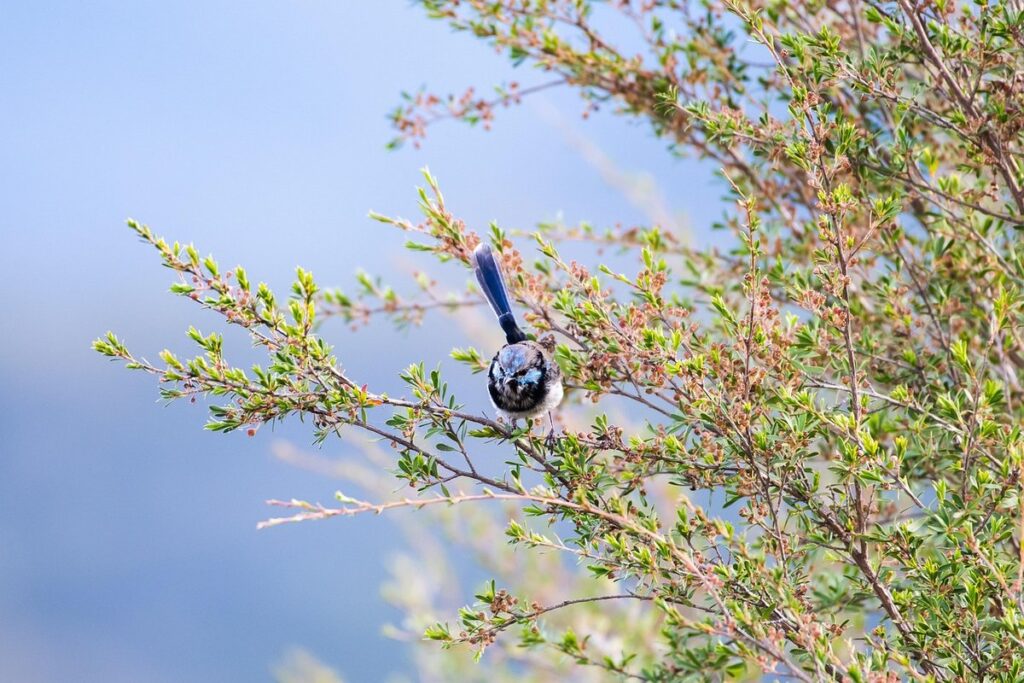
Understanding Wrens and Their Nests
When it comes to identifying wren nests, understanding their habits and characteristics is crucial. In this next part of our guide, we’ll delve into the world of wren behavior and nesting patterns.
Types of Wrens Found in North America
The wren family is comprised of 88 species, with six different types found in North America. These birds are known for their distinctive songs and energetic behavior, often flitting between branches with rapid wingbeats.
The House Wren (Troglodytes aedon) is one of the most common species found in urban areas, including backyards and parks. They build cup-shaped nests using twigs, grasses, and plant material, often taking over abandoned nests or nesting boxes. These birds are known for their boldness and adaptability.
The Bewick’s Wren (Thryomanes bewickii) is a smaller species typically found in dense shrublands and woodland edges. Their nests are cup-shaped, but with a more delicate construction using moss, lichen, and spider webs. These birds are quiet and secretive, often going unnoticed by observers.
The Carolina Wren (Thryothorus ludovicianus), the Blue-gray Gnatcatcher (Polioptila caerulea), the Marsh Wren (Cistothorus palustris), and the Sedge Wren (Cistothorus platensis) are other common species found in North America. Understanding the unique characteristics of each type can aid in wren nest identification, helping you distinguish between these different species when searching for nests.
Identifying Wren Habitats
When it comes to identifying wren habitats, it’s essential to understand that these birds are adaptable and can thrive in various environments. Forest edges, where deciduous trees meet open fields, are a favorite among wrens. These areas provide an abundance of insects, their primary food source, and offer protection from harsh weather conditions.
Backyards can also be home to wren nests, especially if they have dense shrubs or trees with hollows. Wrens often take advantage of existing cavities or create new ones using twigs, grasses, and other plant material. If you suspect a wren nest is present in your backyard, look for subtle signs such as twigs stuck to the walls or debris on the ground.
Urban areas are another habitat where wrens have been spotted building nests. These birds can be found in parks, gardens, and even urban backstreets. Keep an eye out for dense vegetation, especially near water sources like birdbaths or ponds, as these provide ideal conditions for wren nesting.
When searching for wren habitats, remember to observe from a distance and respect the birds’ space. Avoid disturbing their nests, as this can cause stress and potentially harm the birds.
Nest Characteristics and Construction
To get a closer look at wren nests, it’s essential to understand their unique characteristics, from cup-shaped designs to clever camouflage techniques used by these tiny birds.
Shape, Size, and Material of Wren Nests
When it comes to identifying wren nests, paying attention to their shape, size, and materials is crucial. These distinctive features can help you determine whether a nest belongs to a house sparrow, song thrush, or other bird species.
Wren nests are typically cup-shaped, with a deep depression in the center. They are usually around 3-4 inches (7-10 cm) wide and 2-3 inches (5-7.5 cm) deep. The entrance is small, often no bigger than a penny, which helps to protect the nest from predators.
Wrens use an assortment of materials for their nests, including twigs, grasses, moss, lichen, and plant fibers. They will also incorporate human-made materials like string or yarn if they encounter them. The nest’s base is usually made of sturdy twigs, while the cup itself is filled with softer materials to provide insulation.
When searching for wren nests, look for small, compact structures that blend seamlessly into their surroundings. Keep in mind that wrens are skilled at camouflaging their nests, so a keen eye and patience will be necessary to spot one.
Comparing Wren Nests to Other Bird Species’ Nests
When it comes to identifying wren nests, understanding their unique characteristics compared to other bird species’ nests is crucial. One of the most distinctive features of wren nests is their small size. Unlike robins and sparrows, which build larger nests with more robust materials, wrens construct tiny cups that are often barely visible to the naked eye.
For instance, a robin’s nest can be up to 8 inches in diameter, whereas a wren’s nest typically measures between 2-3 inches. The material used for construction also differs significantly. Wrens gather plant down and other soft materials to create a cozy interior, while robins use more robust twigs and grasses.
Another notable difference lies in the nesting location itself. Unlike some bird species that build open nests or even ground nests, wrens are notorious for their love of hidden locations, often placing their nests behind vegetation, under eaves, or within other concealed spots. By considering these unique characteristics, you can confidently identify a wren nest and distinguish it from those built by other bird species.
Placement and Orientation of Wren Nests
Now that we’ve covered wren nest shapes, let’s discuss how to identify them based on their placement and orientation within a tree or shrub.
Nesting Sites and Preferences
When identifying wren nests, it’s essential to understand where these birds typically place their homes. Wrens are known to be prolific nesters, and they can be found in a variety of locations. The most common nesting sites for wrens include tree cavities, shrubs, and dense vegetation.
In terms of specific locations, wrens often choose spots that provide protection from the elements and predators. They may select hollow tree trunks or branches with existing nests, such as those built by other birds or insects. Shrubbery is another popular choice, particularly if it’s dense and provides a sense of security. Wrens will also nest in vegetation like tall grasses or reeds.
When looking for wren nests, keep an eye out for areas with plenty of cover and minimal visibility from potential predators. Avoid searching during peak breeding seasons, as this can cause stress to the birds. By understanding these preferences, you’ll be better equipped to identify wren nests in their natural habitats.
Factors Affecting Nest Placement Decisions
When it comes to deciding where to place their nest, wrens consider several environmental factors that can make all the difference between a safe and successful breeding season and one marred by predators, harsh weather conditions, and limited resources. Climate is a primary consideration for wren nest placement decisions. Wrens tend to favor locations with partial shade or cover from extreme temperatures, humidity, and precipitation. This is why you’re likely to find their nests in dense shrubs, evergreen trees, or hidden nooks near water sources.
Another crucial factor influencing wren nest placement decisions is predator avoidance. Wrens are vigilant birds that have learned to associate certain locations with a higher risk of predation. They often choose nesting sites that provide a clear escape route from potential threats, such as hawks, owls, and snakes. This might mean positioning the nest near dense foliage or under an overhanging branch.
The availability of suitable nesting materials also plays a significant role in wren nest placement decisions. Wrens seek out areas with an abundance of twigs, grasses, and other plant material that they can use to construct their nests. These resources are often scarce in urban environments, which is why wrens may be more likely to adapt to artificial nesting sites or utilize human-provided nesting materials.
Signs of Wren Activity Around Nests
When exploring wren nests, keep an eye out for subtle signs of activity that indicate whether a nesting pair is present and thriving. Look for these cues to verify nest occupancy.
Eggs, Chicks, and Parental Care
When observing a potential wren nest site, it’s essential to look for signs of egg presence and chick care. Wrens typically lay 2-6 eggs per clutch, which are usually pale blue-green in color with dark brown markings. If you’re lucky, you might catch a glimpse of the female wren incubating her eggs or collecting food for her young.
Pay attention to the behavior of the adult wrens around the nest site. They will often take turns feeding and caring for their chicks, which are initially blind and helpless when they hatch. You may see one parent delivering food items like insects, spiders, or even small frogs to the nest entrance while the other parent stays inside to tend to the young.
Keep an eye out for chick chirping, which usually starts a few days after hatching. This is a critical period in the development of wren chicks, and their parents will work tirelessly to provide them with sustenance and protection until they fledge at around 10-14 days old.
Warning Signs and Predator Deterrents
When it comes to protecting their nests from predators, wrens are notorious for their bold and clever strategies. One of the most common warning signs that a nest is present is an increased presence of wrens making loud, shrill calls. These alarm calls serve as a warning to potential predators that the area is under surveillance and that they’re being watched.
Wrens will often repeat this call multiple times in rapid succession, creating a cacophony of noise designed to deter any would-be intruders. If you find yourself in an area where wren activity is high, listen carefully for these calls – they can be a dead giveaway that a nest is nearby.
But warning calls are just one part of the wren’s defense strategy. These birds will also engage in aggressive displays when threatened, puffing out their bodies and fluffing out their feathers to appear larger than they actually are. If you observe this behavior, it’s likely that a nest is in the vicinity – and it’s best to exercise caution when approaching the area.
Common Challenges in Identifying Wren Nests
Identifying wren nests can be a tricky business, especially when you’re new to birdwatching. In this next part of our guide, we’ll explore some common challenges that might trip you up.
Misidentification and Confusion with Other Birds’ Nests
When venturing into wren nest identification, one of the most common challenges is misidentifying them as nests from other bird species. For instance, the robin’s nest is often mistaken for a wren’s due to its similar shape and size. However, upon closer inspection, you’ll notice that robins use more twigs and grasses in their nests compared to wrens. Similarly, wrens may be confused with man-made structures like birdhouses or even abandoned insect nesting sites.
To avoid these misidentifications, it’s essential to pay attention to the nest’s overall structure and material composition. Wren nests are typically cup-shaped, around 2-3 inches in diameter, and constructed from plant down, spider webs, and other soft materials. They’re often placed near the ground or on low-hanging branches. When inspecting a potential wren nest, ask yourself: “Is it using sturdy twigs? Is it lined with fine plant material?” If not, it’s likely not a wren’s nest.
If you’re still unsure, try observing the bird’s behavior around the suspected nest. Wrens are known to be fiercely protective of their young and will often be seen bringing food or other materials to their nests.
Environmental Factors Affecting Nest Visibility
When venturing into wren habitat identification, it’s essential to consider the environmental factors that affect nest visibility. The dense foliage of vegetation can make spotting nests challenging, especially during peak breeding seasons when the surrounding area is overgrown with leaves and twigs.
Weather conditions also play a significant role in determining nest visibility. Extreme temperatures, heavy rainfall, or strong winds can lead to camouflage-like effects on the nest’s surroundings. For instance, snow cover can obscure the nesting site from view, making it difficult to spot wren nests during winter months. Similarly, dense fog can reduce visibility, while intense sunlight might reveal subtle details about the nesting structure.
The time of year is another critical factor affecting nest visibility. Wrens often build their nests in spring and early summer, when vegetation is lush and growth is rapid. As the seasons change and leaves fall or grow denser, the nest may become more difficult to spot. Understanding these seasonal fluctuations can help bird enthusiasts anticipate and prepare for wren nesting activities.
Best Practices for Wren Nest Observation
When observing wren nests, it’s crucial to handle them gently and minimize disruption to the birds’ sensitive habitats. Follow these best practices to ensure a safe and informative experience.
Responsible Birdwatching and Photography
When observing wrens and their nests, it’s essential to prioritize responsible birdwatching and photography. Wrens are naturally skittish birds, and disturbing them can disrupt their breeding habits and potentially lead to nest abandonment.
To avoid disturbing wrens or their nests, maintain a safe distance of at least 10-15 feet (3-4.5 meters) away from the nesting site. Use binoculars or a spotting scope to observe the nest without approaching it. If you’re planning to take photographs, invest in a good pair of telephoto lenses (at least 200mm) and use a tripod for stability.
Be mindful of your surroundings and avoid creating noise that may startle the wrens. Wear camouflage clothing to blend in with your environment, and never approach or touch the nest, as this can lead to accidental disturbance. Remember that some wren species are listed as threatened or endangered; your responsible behavior will help protect these birds and their habitats.
By being mindful of your impact on the wren population, you’ll be able to enjoy observing these remarkable birds while also contributing to their conservation.
Tips for Capturing High-Quality Photos of Wren Nests
When photographing wren nests, it’s essential to strike a balance between capturing clear images and not disturbing the birds. To start, use a camera with good zoom capabilities, allowing you to observe and capture images without getting too close to the nest.
Look for natural light sources, such as the early morning or late afternoon sun, when possible. This will help illuminate the nest and its occupants without causing harsh shadows or glare. A macro lens can also be beneficial in capturing detailed shots of the nest’s intricate architecture and any surrounding vegetation.
When composing your shot, consider the background. Remove any clutter or distractions by using a wide-angle lens or adjusting your camera position. This will help isolate the nest and draw attention to it. Avoid sudden movements or loud noises that might startle the birds, causing them to leave their nests prematurely.
Lastly, respect the wren’s nesting site and avoid touching or manipulating the surrounding vegetation. By following these tips, you can capture high-quality photos of wren nests while minimizing your impact on the environment.
Frequently Asked Questions
Can I spot wren nests during different seasons or times of the day?
Yes, it’s essential to observe wren behavior across various seasons and times of day to better understand their nesting habits. Wrens are more active during breeding season (spring-summer), but they may also be seen foraging for food in early morning or late afternoon when insects are most abundant.
How do I avoid disturbing the nest or scaring away the wren parents?
To minimize disruption, approach the nesting site slowly and quietly, avoiding sudden movements that might alarm the birds. Keep a safe distance to prevent stressing the parents, and consider using binoculars or a telephoto lens for photography to maintain a respectful distance.
What should I do if I’m unsure about the type of wren species or its nest?
If you’re uncertain about the species or the nest’s characteristics, consult field guides or seek advice from experienced birders or ornithologists. They can provide valuable insights and help you identify the wren species based on plumage, song, or other distinctive features.
Can I take photos of wren nests in protected areas without permission?
Be aware that some protected areas may have restrictions on photography or wildlife observation. Always check with park rangers or local authorities to ensure you’re complying with regulations and respecting conservation efforts. With permission, follow best practices for responsible birdwatching and photography.
How can I encourage wrens to nest in my backyard or garden?
Create a welcoming environment by providing native plant species, dense shrubs, or trees that offer sheltered nesting sites. Consider installing a birdhouse or nesting box specifically designed for wrens, placing it in an area with minimal predator activity and adequate food sources nearby.