
Are you tired of staring at a blank page in your sketchbook, unsure where to start? Do you want to unlock a world of creativity and bring your artistic ideas to life? Look no further! In this comprehensive guide, we’ll take you on a journey through the endless possibilities of sketchbook drawing ideas. From serene landscapes to captivating portraits, we’ll explore the techniques and inspiration behind some of the most stunning art out there.
We’ll delve into abstract concepts, experimenting with colors and shapes, as well as still life compositions that showcase your attention to detail. Whether you’re a seasoned artist or just starting out, this article is designed to spark your imagination and fuel your creativity. By the end of it, you’ll be equipped with a wealth of ideas and inspiration to transform your sketchbook into a vibrant canvas of artistic expression.
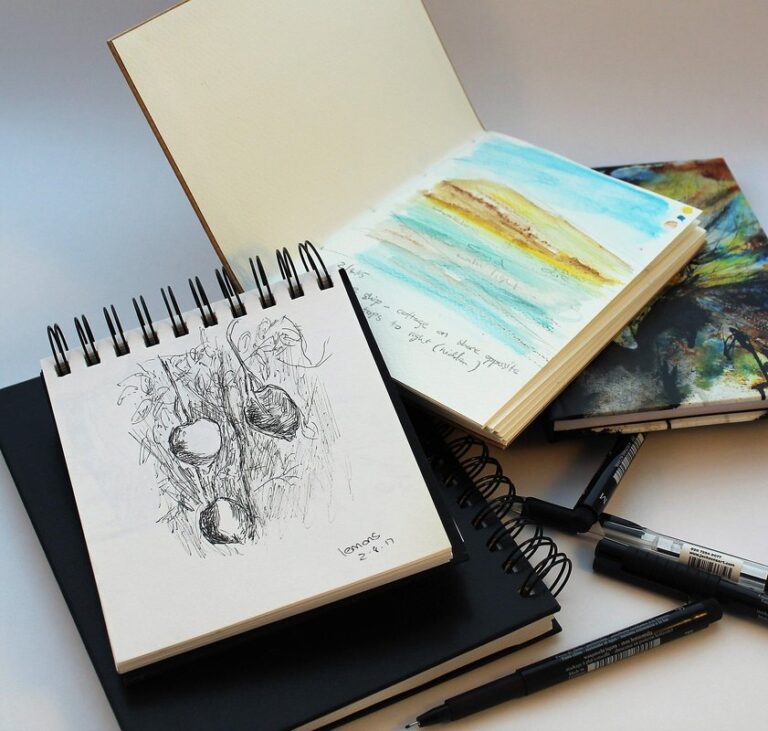
Getting Started: Understanding Your Medium
Before diving into sketchbook drawing ideas, it’s essential to understand what medium you’re working with and how it will impact your creative process. What kind of paper, pencils, or markers are you using?
Choosing the Right Tools and Materials
When it comes to sketchbook drawing, having the right tools and materials can make all the difference. You don’t need a vast collection of fancy supplies to get started, but investing in some basics will help you achieve better results and stay creative.
Begin with a good quality sketchbook paper that suits your drawing style. Look for 80-100 gsm weight paper, which is smooth and durable enough for most media types. You can opt for mixed-media or watercolor-specific papers if you plan to experiment with different techniques. For pencils, start with a set of graphite pencils (HB, 2B, 4B, 6B) and a few colored pencils for added color.
A good eraser is also essential for sketchbook drawing. Choose between kneaded erasers that can be molded into various shapes or white vinegar erasers for precise corrections. A sharpener will keep your pencils in top condition, while a blending stump helps smooth out shading. Don’t forget to store your supplies in an easy-to-access location so you can jump right back into drawing whenever inspiration strikes.
For beginners, consider keeping it simple and investing in the basics: paper, pencils, eraser, and sharpener. You can always add more materials as you experiment with different techniques and find what works best for you.
Setting Up a Comfortable Workspace
Setting up a comfortable workspace is essential for sparking creativity and productivity when working on sketchbook drawing ideas. A cluttered and uncomfortable space can stifle your artistic expression, while a well-designed one can fuel your imagination.
When it comes to setting up your desk or table, good lighting is paramount. Natural light is ideal, but if that’s not possible, invest in a high-quality desk lamp to illuminate your work area. Avoid harsh overhead lighting, which can create unflattering shadows on your paper.
Storage and organization are also crucial for maintaining focus and reducing distractions. Designate a specific spot for your sketchbook, pencils, markers, and other art supplies. Consider using a desk organizer or storage bins to keep frequently used items within easy reach. This will save you time and energy searching for materials, allowing you to concentrate on bringing your ideas to life.
In addition to these basics, consider incorporating some personal touches that inspire creativity. A vase with fresh flowers, a motivational quote, or a favorite art piece can create a welcoming atmosphere that fosters imagination and innovation.
Inspiration from Nature: Landscapes and Skies
Nature has a way of inspiring us, and observing the ever-changing landscapes and skies can spark some incredible sketchbook drawing ideas to try. Let’s draw inspiration from the great outdoors!
Capturing Realistic Landscapes
When capturing realistic landscapes in your sketchbook, it’s essential to consider perspective, proportion, and texture. Start by establishing a strong sense of depth using atmospheric perspective techniques, where distant objects appear lighter and less detailed than those closer to the viewer.
To achieve accurate proportions, study the relationships between elements within the landscape, such as the size and placement of buildings, trees, and bodies of water. Use measuring devices or grid paper to help you get these details right. For instance, a typical house might be about 1/4 the height of its nearest neighbor.
Pay attention to texture by varying line weights and hatching patterns to suggest different materials and surfaces. This is especially crucial for depicting natural elements like leaves, bark, and water. Practice observing how light interacts with various textures in real-life settings to refine your rendering skills. By honing these fundamental techniques, you’ll be well on your way to capturing realistic landscapes that transport the viewer’s imagination to new environments.
Depicting Varying Weather Conditions
Draw different weather conditions like clouds, sunsets, and storms in your sketchbook using various mediums and techniques. Start by studying the subtleties of light and shadow, which greatly impact the atmosphere and mood of a scene.
When depicting clouds, consider their texture, shape, and color. Use soft pastels or watercolors to capture their gentle wisps, or bold charcoal for dramatic thunderheads. Think about the time of day – early morning clouds are often softer and more diffuse, while late afternoon clouds can be darker and more ominous.
Sunsets are a great opportunity to practice warm color mixing. Try layering thin washes of orange, pink, and yellow to achieve a sense of depth and luminosity. Don’t forget to suggest the presence of the sun itself, even if it’s not visible in the composition.
Stormy weather is an excellent way to experiment with bold brushstrokes and expressive lines. Use thick paint or heavy charcoal to convey the turbulent energy of the scene. Study the way lightening illuminates the clouds from within, casting eerie shadows on the surrounding landscape.
Exploring Abstract Concepts: Emotions and Expressions
Let’s dive into exploring abstract concepts, like emotions and expressions, through sketchbook drawing to tap into your inner world of feelings and ideas. This can be a liberating way to express yourself creatively.
Conveying Emotional Depth Through Facial Expressions
When drawing portraits or capturing likenesses of people, facial expressions are an essential aspect to consider. They convey emotions and add depth to your artwork. A key skill to master is conveying subtle nuances in expression, which can be achieved by paying attention to the way eyebrows curve, mouths tilt, and eyelids droop.
Start by observing how different emotions manifest on a person’s face. Notice the way a raised eyebrow can signify excitement or skepticism, while a furrowed brow indicates concern or annoyance. Then, practice capturing these expressions in your sketches. Try drawing someone with a soft smile versus one with a more pronounced grin – pay attention to where the corners of their mouth curve.
Another technique is to capture subtle emotions through eyes and eyelids. For instance, droopy eyelids can imply sadness or exhaustion, while raised lids convey curiosity or excitement. Practice varying these expressions in your drawings to create a sense of emotional depth. Remember that facial expressions can change rapidly, so try to capture their subtlety by observing the slight variations between one expression and another.
Bringing Life to Your Abstract Sketches
When working with abstract sketches, it’s easy to get caught up in creating perfect lines and shapes. However, that’s often where the creativity dies – in perfection. To bring life to your abstract sketches, you need to let go of control and tap into the expressive qualities of drawing.
One way to do this is through gestural drawing. This involves capturing a subject or emotion with bold, sweeping strokes rather than precise lines. Think of it like writing a letter to a friend – sometimes the most beautiful letters are those that flow from one sentence to the next without stopping for commas and periods.
To practice gestural drawing in your sketchbook, try setting a timer for 5-10 minutes and then quickly sketching out shapes or forms that evoke an emotion or feeling. Use bold lines, soft strokes, and expressive marks to convey the energy of the subject. For example, if you’re trying to capture a sense of movement, use curved lines that seem to flow across the page.
Experiment with adding gesture lines – loose, energetic lines that suggest the movement or action of a subject. These can be overlaid on top of more precise drawings to add a dynamic element. The goal is to create pieces that feel alive, like they’re moving off the page. Remember, abstract sketches are all about capturing emotions and moods rather than creating perfect representations.
Drawing People: Portraits and Figures
As you explore the art of sketchbook drawing, learn how to capture a person’s likeness and personality through various portrait styles, from realistic to more expressive. Try out these techniques to add character to your figures.
Mastering Proportion and Measurement
When drawing people, it’s easy to get caught up in trying to capture their likeness, but without proportion and measurement, your portraits and figures can quickly become distorted. To avoid this, it’s essential to understand the importance of measuring body proportions.
One way to start is by dividing the body into simple sections: head, torso, arms, and legs. Measure these areas against each other to ensure they’re in balance. For example, the length of the head should be about 1/6th to 1/7th the total height of the figure. This will give you a solid foundation for drawing accurate proportions.
Use reference images to help guide your measurements. Observe how the proportions of the body are distributed and try to replicate this in your own drawings. Remember, it’s not just about measuring the overall size of each section, but also their relationship to one another. Practice regularly and you’ll find that your skills improve dramatically – soon you’ll be able to capture the essence of your subjects with ease.
Capturing Movement and Energy in Figure Drawings
Capturing movement and energy in figure drawings is all about conveying the dynamism of the human form. Gesture drawing is a fantastic technique to start with – simply set a timer for 1-2 minutes, choose a pose from reference images or observe someone directly, and sketch what you see without worrying too much about proportions or details.
To really capture energy in your drawings, try experimenting with action poses. These can be inspired by sports, dance, or even everyday activities like cooking or playing music. Focus on conveying the movement and flow of the body as it transitions from one position to another.
Another powerful tool for capturing movement is dynamic lines – loose, expressive strokes that follow the contours of the body. Practice drawing with different line weights and styles to achieve a range of effects. You can also experiment with incorporating motion blur or other visual elements to enhance the sense of dynamism in your drawings.
Creating Whimsical Worlds: Fantasy and Imaginary Creatures
Let your imagination run wild as we explore fantastical creatures, mythical beings, and enchanted realms to inspire your next sketchbook drawing adventure. Bring dragons, unicorns, and phoenixes to life on paper!
Designing Unique Character Features
When designing unique character features for fantasy creatures and imaginary beings, it’s essential to think beyond traditional depictions. Instead of relying on common tropes like human-like faces, experiment with unusual body parts that reflect the creature’s habitat, behavior, or magical abilities.
For example, consider a dragon with iridescent scales that shimmer in harmony with its surroundings. Or a mermaid with bioluminescent fins that illuminate her underwater kingdom. Think about how your creature interacts with its environment and incorporate that into its design. Horns can be made from coral, vines, or even icebergs, depending on the ecosystem.
Unusual body parts don’t have to be just aesthetically pleasing; they can also serve a functional purpose in the world you’re creating. A winged creature might have delicate, almost-translucent wings that allow it to soar through misty skies, while a land-dwelling being might possess sturdy legs with built-in rock-climbing claws.
To get started, brainstorm a list of potential body parts your creature could have and explore their possible functions and connections to the world around them. This will help you create a cohesive and immersive design that sparks your imagination and inspires further creativity in your sketchbook drawing endeavors.
Building Environments for Your Fantastical World
When building environments for your fantastical world, it’s essential to strike a balance between imagination and believability. To create landscapes that transport viewers to new realms, start by observing the natural world around you. Study how light interacts with terrain, casting shadows and highlighting textures.
For architecture, consider the styles and materials found in real-world cultures, but then twist them in unexpected ways. For example, a fantastical city might have buildings with glowing windows or curved lines that defy gravity. Atmospheric effects like misty valleys, glowing auroras, or eerie fog can add depth and mystery to your environments.
To achieve these effects, practice landscape drawing by sketching different types of terrain – forests, mountains, deserts – in various lighting conditions. Experiment with atmospheric perspective by layering hazy edges on distant objects. For architecture, play with proportions, textures, and ornate details. By combining realistic elements with imaginative twists, you’ll craft environments that transport your viewers to enchanting worlds.
Advanced Techniques: Experimentation and Risk-Taking
Take your sketchbook drawing to the next level by pushing boundaries and exploring unconventional techniques that will help you grow as an artist and stay creatively charged. In this section, we’ll dive into experimentation and risk-taking.
Pushing the Boundaries of Traditional Media
When working within the constraints of traditional media, it’s easy to get stuck in a creative rut. However, by experimenting with new mediums and techniques, you can breathe fresh life into your sketchbook drawing ideas. One way to push boundaries is through mixed media collage. This involves combining different materials like paper, fabric, or found objects with traditional drawing tools.
For example, try layering paint over a drawn image or incorporating torn book pages into your composition. Not only will this add visual interest, but it also challenges you to think outside the box and explore new textures and effects. Another technique is painting over drawings – an unconventional approach that can produce surprisingly effective results.
To experiment with these techniques in your sketchbook, start by setting aside time for pure exploration. Set a timer or dedicate a specific day to playing with different mediums without any expectations of creating a “finished” piece. This freedom will allow you to tap into your creative subconscious and stumble upon unique combinations that might have never occurred to you otherwise.
Overcoming Creative Blockages and Fear of Failure
When working on creative projects like sketchbook drawing, it’s inevitable to encounter periods of stagnation and self-doubt. Creative blockages can be paralyzing, making you wonder if you’re good enough or if the work is worth continuing. Fear of failure is a natural companion to these thoughts. However, giving in to fear will only stifle your growth as an artist.
To overcome creative blockages, try approaching your sketchbook with fresh eyes. Change your environment – draw outdoors, at a park or coffee shop, or even while traveling. Sometimes, a change of scenery can spark new ideas and perspectives. Another strategy is to experiment with different mediums or techniques. Try drawing with your non-dominant hand, using unconventional tools like sponges or stencils, or exploring various digital drawing apps.
To stay motivated, set achievable goals for yourself. Break down large projects into smaller tasks that can be completed within a day or a week. This will help you track progress and maintain momentum. Additionally, remind yourself why you started creating in the first place – for the love of art, self-expression, or relaxation. Focus on enjoying the process rather than worrying about perfection.
Frequently Asked Questions
Can I apply the techniques learned from this article to other art forms, such as painting or mixed media?
Yes, many of the principles discussed in this guide can be adapted to various artistic mediums, including painting and mixed media. By understanding how to combine shapes, colors, and textures, you’ll be able to apply these skills across different art forms.
How do I balance realism with creativity when drawing landscapes, especially when depicting realistic weather conditions?
To strike a balance between realism and creativity, focus on capturing the essence of the scene rather than every detail. Consider experimenting with exaggerated or stylized depictions of weather conditions, like vibrant skies or dramatic clouds, to inject your unique perspective.
Can I use this guide as a starting point for teaching my own students or workshop participants?
Absolutely! This article is designed to be a comprehensive resource for artists of all levels. You’re welcome to share the techniques and inspiration with your students or workshop participants, adapting them to suit their skill levels and interests.
What if I’m struggling to capture movement and energy in figure drawings – are there any specific exercises or tips?
To capture movement and energy in figure drawings, try focusing on capturing the flow of lines and gestures. Practice drawing quick poses or dynamic movements, emphasizing the way muscles flex and limbs move. This will help you develop a sense of fluidity and energy in your art.
How can I overcome creative blockages and still manage to produce quality artwork?
To overcome creative blockages, try switching between different mediums, like pencil and ink, or drawing from life instead of reference images. Also, take breaks, explore new sources of inspiration, and remind yourself that it’s okay to make mistakes – they often lead to unexpected breakthroughs!