
Geodes have long been a source of fascination for rockhounds and nature enthusiasts alike. These stunning natural wonders are created through a complex process that involves mineral-rich groundwater, volcanic activity, and millions of years of pressure and patience. But how exactly do geodes form? In this article, we’ll take you on a journey to the earth’s crust, exploring the fascinating geological processes that shape these unique formations. From the initial buildup of minerals to the eventual cracking open of the geode, we’ll delve into the science behind their creation. By understanding the intricate details of geode formation, we can gain a deeper appreciation for the natural world and its incredible ability to craft beauty from within. So, let’s dive in and uncover the secrets of these captivating geological wonders!
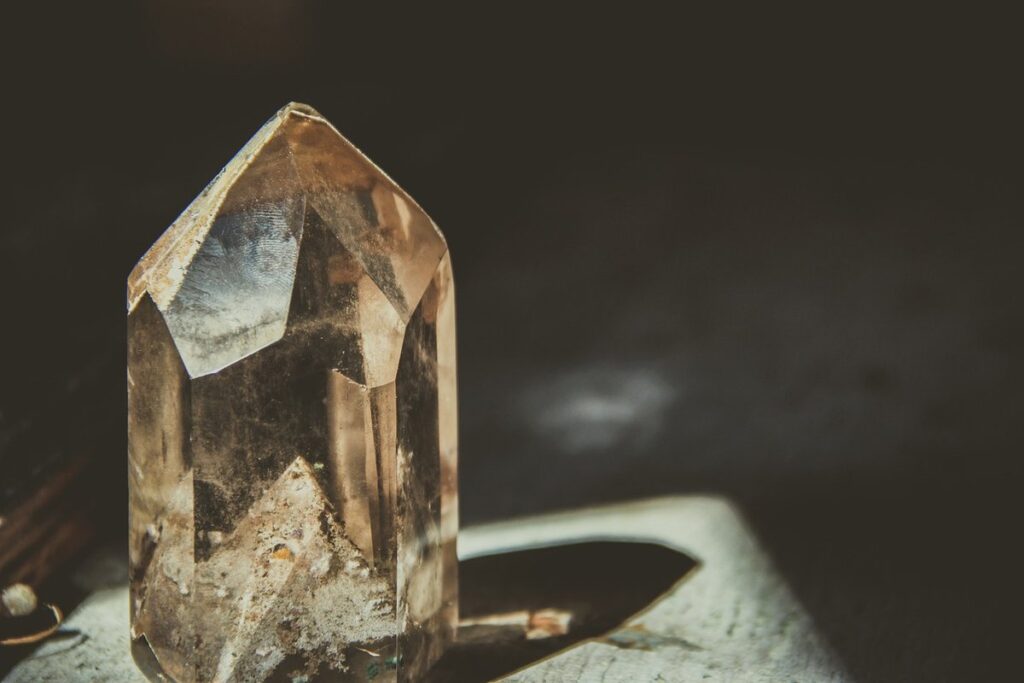
What are Geodes and Why Do They Form?
Let’s dive into the fascinating world of geodes by understanding what they are and why they form through a unique geological process. We’ll start with the basics of these stunning natural wonders.
Definition and Characteristics
Geodes are unique, hollow rocks that contain crystalline structures within their cavities. They form when water rich in minerals seeps into existing rock cavities, such as fractures or vugs, and deposits layers of minerals over time. This process can take thousands to millions of years, depending on the rate of mineral flow and other geological factors.
Geodes are often found in volcanic rocks like rhyolite, basalt, and tuff, which have a higher propensity for hosting cavities that can fill with minerals. They can also form in sedimentary rocks like limestone and dolostone, particularly those that have undergone significant chemical alteration or weathering processes.
What sets geodes apart from other types of rocks is their characteristic internal crystallization. This is due to the unique conditions within their hollow spaces, where minerals are able to precipitate out of solution and form intricate crystal structures. The distinct appearance and composition of geodes make them highly prized by collectors and enthusiasts alike.
Geological Processes Involved
Geological processes play a crucial role in the formation of geodes. Mineral-rich groundwater is one of the primary contributors to this process. As water flows through underground rock formations, it carries dissolved minerals such as silica, calcite, and iron oxide. Over time, these minerals are deposited on the walls and ceilings of caves or other confined spaces, gradually building up layers of crystalline material.
Volcanic activity is another significant geological process involved in geode formation. When magma from volcanic eruptions cools rapidly, it creates a unique environment for mineral precipitation to occur. The rapid cooling causes the minerals to crystallize quickly, often forming large, hollow cavities within the rock. These cavities can then be filled with additional minerals over time, resulting in the characteristic crystal-lined interior of a geode.
In areas where both groundwater and volcanic activity are present, the conditions are ideal for geode formation. The combination of mineral-rich water and rapid cooling from volcanic activity creates an environment that fosters the growth of large, crystalline structures within rocks. This rare convergence of geological processes is what makes geodes so unique and highly prized by collectors.
Types of Rocks That Form Geodes
You might be wondering which types of rocks are more likely to form geodes, and fortunately, we’ve got that covered. Let’s dive into the different rock types that have a higher chance of producing these amazing crystal-filled wonders.
Limestone and Dolostone Formation
Limestone and dolostone rocks are two common sedimentary formations that can give rise to geodes. The formation of these types of rocks typically begins with the accumulation of calcium carbonate (limestone) or calcium magnesium carbonate (dolostone) from ancient marine organisms, such as coral, shellfish, and algae.
Over time, as more layers of sediment build up on top of existing rock structures, pressure increases, causing mineral-rich fluids to seep through the rock. As these fluids interact with the surrounding rock, they deposit minerals such as calcite or dolomite, gradually filling any existing voids or cavities within the limestone or dolostone.
This process can create an ideal environment for geode formation. If a cavity is created within a limestone or dolostone rock, it can become a conduit for mineral-rich fluids to accumulate and deposit minerals over time. The result is the growth of a geode, often taking thousands or even millions of years to form.
Volcanic Rocks and Geode Formation
When it comes to volcanic rocks and geode formation, there are several key players involved. Rhyolite and andesite, both types of igneous rocks, can create the perfect conditions for geodes to form through magma chamber processes. In a nutshell, magma chambers are vast underground reservoirs that hold molten rock, which eventually solidifies into different types of rocks.
As magma rises from the Earth’s mantle towards the crust, it cools and crystallizes, creating minerals such as quartz, calcite, or barite. These minerals then aggregate to form larger crystals, which eventually combine to create a hollow space within the rock – voilà, a geode is born! The size and shape of the geode are determined by factors like the rate of cooling, pressure, and concentration of minerals.
Geologists have found that rhyolite and andesite rocks often form in areas where tectonic plates are colliding or moving apart. These regions experience increased heat flow, which leads to the formation of magma chambers. Over millions of years, these magma reservoirs cool, solidify, and crystallize, giving rise to geodes like halite or selenite.
The Role of Groundwater in Geode Formation
Groundwater plays a vital role in geode formation, transporting minerals and nutrients that eventually crystallize inside these hollow rocks. Let’s explore how this process unfolds.
Mineral-Rich Water and Its Effects
Mineral-rich water plays a crucial role in creating hollow spaces within rocks where geodes can form. As groundwater flows through underground rock structures, it dissolves minerals from the surrounding rock, gradually weakening its structure. Over time, this process creates cavities or vugs within the rock, which eventually become chambers for mineral accumulation.
This concept is illustrated in the example of Mammoth Cave in Kentucky, where groundwater containing dissolved minerals has been eroding limestone formations for millions of years. The result is a vast network of caverns and passageways that continue to grow as water flows through them.
As water continues to circulate within these rock structures, it brings with it a rich assortment of minerals, including silica, calcite, and barite. These minerals begin to precipitate out of the solution, depositing themselves into the newly formed cavities. As more minerals accumulate, they eventually fill the chamber, forming the concentric layers that are characteristic of geodes.
In areas where mineral-rich groundwater is abundant, conditions are ripe for geode formation. However, it’s worth noting that not all mineral-rich water leads to geode formation – specific combinations of chemical and physical processes must come together for this phenomenon to occur.
Hydrothermal Veins and Geode Formation
As hot water circulates through rocks, it can carry dissolved minerals and metals that eventually precipitate out of solution, forming hydrothermal veins. These veins are a crucial component in the formation of geodes. The interaction between groundwater and rock formations is what creates these cavities.
The process begins when groundwater seeps into cracks or fractures in rock layers, often carrying heat from deeper sources within the Earth’s crust. As it cools down, the water’s ability to hold dissolved minerals decreases, causing them to precipitate out of solution and accumulate along fractures. Over time, this can create distinct patterns, such as tubular structures, crystals, or veins.
The mineral deposits that form during this process can be significant, with some geodes containing large amounts of agate, jasper, calcite, or amethyst. These minerals often grow outward from the initial cavity, creating a characteristic “nest” shape or filling the entire space with crystalline structures.
In summary, hydrothermal veins play a pivotal role in the formation of geodes by providing a conduit for mineral-rich water to deposit its contents within rock formations. The unique patterns and colors produced during this process make geodes highly sought after for their aesthetic value and scientific significance.
The Mineralization Process
So, you’re curious about how geodes develop their beautiful crystals? This is where mineralization comes into play, a complex process that shapes these stunning formations.
Types of Minerals Found in Geodes
Geodes can contain an astonishing array of minerals, each with its own unique characteristics and crystal structures. One of the most common types of minerals found in geodes is quartz, which often forms in a variety of colors including white, pink, yellow, and purple. Calcite is another highly common mineral that can be found in geodes, typically exhibiting a range of shades from pale blue to vibrant orange.
Amethyst is perhaps one of the most prized minerals discovered within geodes, renowned for its distinctive deep purple hue. Geodes containing amethyst often have an opaque, milky white or gray appearance on the outside, which contrasts strikingly with the crystal-clear amethyst within.
In addition to these three types of minerals, other common inclusions include pyrite (fool’s gold), goethite, and stibnite, each contributing their own distinct characteristics to the geode.
Factors Influencing Mineral Accumulation
When it comes to the formation of geodes, mineral accumulation is a crucial step that’s heavily influenced by various factors. Temperature and pressure are two key elements that play a significant role in this process.
Temperature affects the rate at which minerals crystallize within the cavity. When temperatures are high, minerals tend to form rapidly, leading to a more intense accumulation. Conversely, lower temperatures result in slower growth rates. For instance, calcite crystals often form at cooler temperatures, while quartz crystals require higher temperatures to develop.
Pressure also has an impact on mineral accumulation. Increased pressure forces the solution to move towards areas of lower pressure, causing minerals to precipitate out and accumulate within the cavity. This process is known as “pressure-driven crystallization.” Geological events such as tectonic uplift or volcanic activity can generate the necessary pressure for this phenomenon to occur.
Chemical composition is another critical factor that influences mineral accumulation. The solution’s chemistry determines which minerals will precipitate, and at what rate. For example, a solution with a high concentration of calcium ions is more likely to form calcite crystals, while a solution rich in silica ions will favor the formation of quartz. Understanding these factors can help geologists predict where and how geodes might form.
Case Studies: Famous Geode Formations
Let’s take a closer look at some of the most impressive geode formations around the world, each with its own unique story to tell. From Mexico’s cave-dwelling wonders to Romania’s sprawling limestone formations.
The Carlsbad Flower Agate Geode
One of the most renowned geode formations is the Carlsbad Flower Agate Geode located in New Mexico, USA. This natural wonder stretches 35 feet long and weighs over 17 tons, making it an impressive example of geological marvels.
Geologically, the Carlsbad Flower Agate Geode is a large calcite crystal-lined cavity within a volcanic rock called rhyolite. Its formation began with intense magmatic activity that produced the surrounding rocks millions of years ago. As the magma cooled and solidified, gas bubbles were trapped inside, creating cavities. Over time, groundwater rich in minerals seeped into these voids, depositing layers of calcite crystals.
This geode is notable for its exceptional size and striking appearance, characterized by vibrant agate patterns within the crystalline structure. Visitors can marvel at the intricate details and experience the awe-inspiring scale of this natural wonder firsthand.
The Carlsbad Flower Agate Geode serves as a fascinating example of how geological processes shape our planet’s landscape over millions of years.
Other Notable Geode Formations
Geodes can be found in various shapes and sizes around the world, each with its unique characteristics. The “Rose Quartz” geode in Brazil is a notable example of this diversity. This stunning formation features a massive quartz crystal-lined cavity, measuring over 10 feet in diameter and weighing several tons.
Other countries like Mexico, the United States, and Madagascar are also known for their impressive geode formations. The “Naica Mine” in Mexico, for instance, houses some of the largest selenite crystals ever discovered, while the “Carlsbad Caverns” in New Mexico boast giant calcite crystals.
Interestingly, these formations often occur within volcanic or sedimentary rocks and can provide valuable insights into geological processes that took place over millions of years. To appreciate their beauty, geodes are often cut and polished to reveal intricate patterns and crystal arrangements within.
When visiting geode-rich areas, it’s essential to respect local regulations and environmental guidelines to ensure the preservation of these natural wonders for future generations. This not only helps maintain the integrity of the site but also supports ongoing geological research and conservation efforts.
Conclusion: The Significance of Geodes
Now that we’ve explored how geodes form, let’s take a moment to appreciate their significance and importance in our understanding of geological history. We’ll examine why geodes matter.
Importance of Geodes in Geological Research
Geodes have been a cornerstone for geologists seeking to understand Earth’s complex history. These hollow, mineral-filled rocks are not just visually striking, but also serve as gatekeepers of geological information. By studying geodes, scientists can gain valuable insights into the processes that shaped our planet over millions of years.
One of the most significant contributions of geodes is their ability to provide a snapshot of ancient environments. The minerals found within them are often indicative of the conditions under which they formed – be it high temperatures, low oxygen levels, or intense chemical activity. For instance, the presence of quartz crystals in a geode can indicate that it was formed in a hot, hydrothermal system.
The study of geodes also helps us better understand Earth’s tectonic history. By analyzing the minerals and structures within these rocks, scientists can reconstruct past plate movements and interactions. This knowledge is crucial for understanding the dynamic nature of our planet and predicting future geological events.
Fostering an Appreciation for Geodes
Geodes have been captivating humans for centuries with their unique beauty and intricate formations. As we’ve explored the process of geode formation, it’s essential to acknowledge their significance beyond mere natural wonders. Geodes serve as a reminder of the Earth’s incredible geological history, a testament to the dynamic forces that shape our planet.
As you hold a geode in your hands, appreciate not only its aesthetic appeal but also the complex geological processes involved in its creation. Take note of the crystalline structures within, and imagine the mineral-rich waters that dissolved rock layers to form these hollow cavities. This process, though slow and intricate, has been unfolding for millions of years, shaping the very fabric of our planet.
To foster an appreciation for geodes, try this simple exercise: next time you come across one, observe it closely. Note the colors, textures, and patterns that have developed over time. Reflect on the fact that every geode is unique, with its own distinct history etched into its surface. As we learn to appreciate these natural wonders, we’re also encouraged to respect their fragility and protect them for future generations. By doing so, we not only preserve the beauty of geodes but also safeguard the geological heritage of our planet.
Frequently Asked Questions
What are the ideal conditions for geode formation to occur naturally?
Geodes form when water rich in minerals seeps into existing rock cavities, but the ideal conditions involve specific combinations of temperature, pressure, and mineral availability. Typically, these conditions are met in areas with volcanic activity or where limestone and dolostone formations exist. The perfect blend of factors can take millions of years to occur, which is why geodes are relatively rare.
Can I replicate geode formation in a laboratory setting?
While it’s theoretically possible to recreate the conditions necessary for geode formation in a lab, it’s highly unlikely due to the immense pressure and time required. However, scientists have successfully created synthetic geodes using various techniques, which can provide valuable insights into the natural process.
How do I identify a genuine geode versus a fake one?
Verifying the authenticity of a geode can be challenging without proper expertise. Look for signs of wear and tear, such as cracks or imperfections in the crystal structure. Check if the geode has been professionally authenticated by a geological expert or a reputable organization. Additionally, consider factors like the geode’s provenance, mineral composition, and overall appearance.
What role does groundwater play in shaping geodes?
Groundwater rich in minerals is essential for geode formation as it deposits layers of minerals over time. The rate at which groundwater flows through rock cavities affects the size and shape of the geode. Areas with high levels of groundwater activity are more likely to produce large, well-formed geodes.
Can I find geodes in areas other than volcanic regions?
While volcanic regions are common locations for geode formation due to the presence of hydrothermal veins, you can also find geodes in areas where limestone and dolostone formations exist. These types of rocks can provide a suitable environment for mineral-rich water to flow through and deposit minerals over time.