
If you’ve ever been curious about the unique properties of shale texture, or how it’s used in construction and mining, then this is the article for you. Shale texture refers to the distinct characteristics and patterns found within shale rock formations. It’s not just a term for geologists – understanding shale texture has significant implications for various industries.
From its formation processes to its industrial applications, shale texture plays a vital role in everything from building materials to energy production. In this article, we’ll delve into the definition of shale texture, its different types and classifications, as well as its uses across construction, mining, and other sectors. By exploring these topics, you’ll gain valuable insights into the world of shale texture and how it impacts our daily lives.
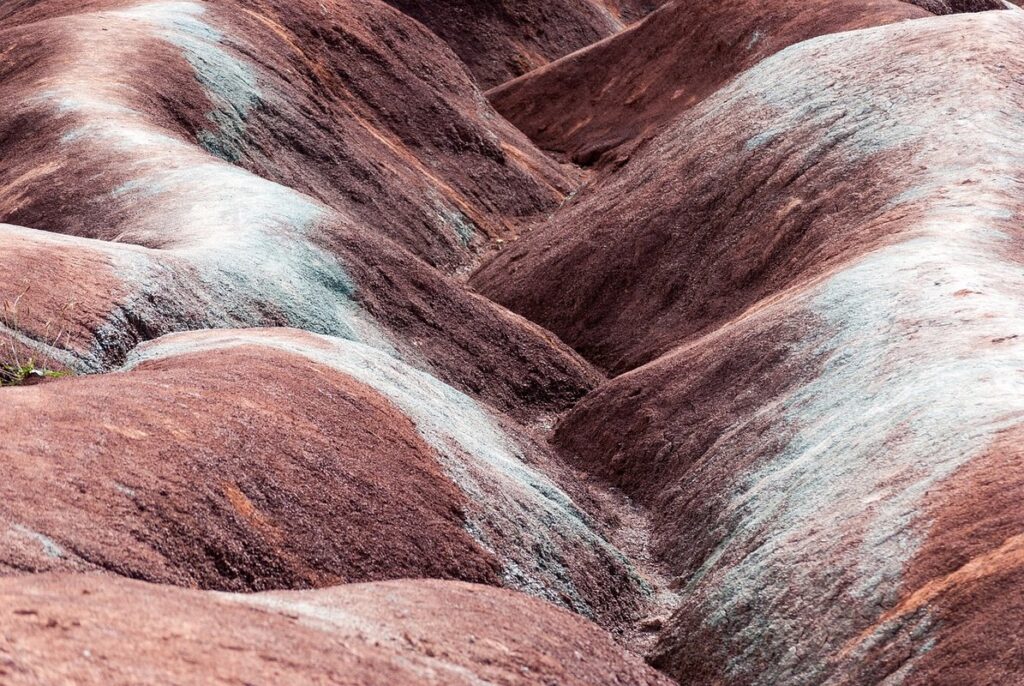
What is Shale and its Importance
Let’s dive into what shale actually is and why it plays such a crucial role in our understanding of texture. Shale, as you may know, is a type of fine-grained sedimentary rock that’s abundant on Earth.
Definition of Shale
Shale is a type of fine-grained sedimentary rock that forms through the compaction of silt or clay-sized particles. This process occurs when sediments, such as clay and silt, are compressed by layers of sand or other minerals, causing them to become compacted into a dense, solid form.
The composition of shale is primarily made up of silica (SiO2) and alumina (Al2O3), which give it its characteristic fine-grained texture. Shale can also contain small amounts of other minerals such as calcite, dolomite, and pyrite, depending on the local geology and the conditions under which the rock formed.
It’s worth noting that shale is a highly variable rock type, and its composition can change significantly from one location to another. For example, some shales may be rich in organic matter, such as plant or animal remains, while others may contain significant amounts of minerals like quartz or feldspar. Understanding the specific mineral makeup of a shale sample is crucial for accurately assessing its texture and potential uses.
Geological Formation of Shale
Shale is formed through a complex process involving plate tectonics, weathering, erosion, and deposition. It begins with the movement of tectonic plates, which causes the Earth’s crust to fold and deform. As rocks are subjected to immense pressure and heat, they break down into smaller particles that can be carried away by water or wind.
Weathering and erosion play crucial roles in shaping shale’s texture. Mechanical weathering involves physical forces like freezing and thawing, causing rocks to fracture and crumble. Chemical weathering, on the other hand, involves reactions with chemicals like acids and oxygen, which break down minerals and alter their composition. As these processes wear away the original rock material, sediments are transported to new locations through erosion.
Deposition is the final step in shale formation, where sediments accumulate at the bottom of a body of water or on land. Over time, these layers of sediment compress and cement together, forming a hard, compact rock known as shale. Understanding the geological processes that form shale is essential for various industries, including oil and gas exploration, mining, and construction.
The unique texture of shale, shaped by its formation process, has significant implications for its use in different applications. For instance, shale’s high porosity and permeability make it an attractive resource for unconventional oil and gas production. Similarly, the varying composition of shale rock affects its strength and durability, influencing its suitability for construction materials like roofing shingles or aggregates.
The geological history of shale is a testament to the dynamic forces that shape our planet. By examining the formation process of shale, we can gain insights into the Earth’s tectonic evolution and appreciate the intricate relationships between plate movement, weathering, erosion, and deposition. This knowledge not only enhances our understanding of shale texture but also informs responsible resource extraction and utilization practices.
Types of Shale Textures
There are several key types of shale textures, each with its own unique characteristics and implications for oil and gas exploration. Let’s take a closer look at the most common ones.
Smooth Shale Texture
Smooth shale texture is characterized by its uniform and even surface, often appearing glassy or vitreous. This type of texture is a result of the shale’s mineral composition and the way it has been compacted over time. Smooth shale is often found in sedimentary rocks that have undergone low-grade metamorphism, which helps to recrystallize the minerals and create a smoother surface.
One of the benefits of smooth shale texture is its increased durability and resistance to erosion. This makes it an ideal choice for applications where long-term stability is crucial, such as in construction projects or as a building material. For example, smooth shale has been used to construct buildings in regions prone to heavy rainfall, where its water-resistant properties have helped to prevent damage.
In terms of common applications, smooth shale texture is often used in interior design and architecture for its unique appearance. It can be polished to create a glossy finish or left unpolished to showcase its natural beauty. Its uniform surface also makes it an excellent choice for use as a flooring material or wall cladding.
Rough Shale Texture
Rough shale texture is one of the most rugged and unforgiving types of shale textures. Characterized by its coarse, uneven surface, rough shale can be a challenge to work with due to its high porosity and tendency to crumble under stress. When viewed up close, rough shale often features prominent fissures and cracks that make it prone to weathering and erosion.
In terms of properties, rough shale tends to have a higher density than other types of shale, but this also makes it more difficult to cut or machine. Its high porosity can lead to water absorption issues, which may compromise the structural integrity of buildings or infrastructure made from rough shale materials. Despite these challenges, rough shale has been used in various construction projects due to its natural resistance to erosion and decay.
When working with rough shale, it’s essential to exercise caution and develop strategies to mitigate the risks associated with its unique properties. This might involve using specialized equipment or techniques to minimize damage during extraction, processing, and installation.
Factors Affecting Shale Texture
When analyzing shale texture, it’s essential to consider various factors that can influence its characteristics, such as mineral composition and weathering processes. These elements play a significant role in determining the overall texture of the rock.
Tectonic Forces
Tectonic forces play a crucial role in shaping shale texture. Compressive stress, in particular, causes shale to compact and become more dense, leading to a finer-grained texture. This process occurs when layers of rock are subjected to immense pressure over millions of years, causing the minerals within the shale to recrystallize into smaller crystals.
Shear stress, on the other hand, leads to the formation of fractures and fissures in the shale, resulting in a more heterogeneous texture. As tectonic forces push against the layers of rock, they can create areas where the minerals are forced out of alignment, creating spaces for gas and water to accumulate.
Temperature also has an impact on shale texture, with higher temperatures causing minerals to recrystallize into larger crystals. This process is often observed in diagenetic environments where hydrothermal fluids circulate through the rock, depositing minerals that alter the original texture of the shale.
Understanding these tectonic forces and their effects on shale texture can be crucial for accurate interpretation of well logs and core samples. By recognizing how compressive stress, shear stress, and temperature interact to shape the texture of shale, geologists and engineers can better predict its behavior in various geological settings, ultimately informing decisions related to hydrocarbon exploration and production.
Mineral Composition
The mineral composition of shale plays a pivotal role in determining its texture. Different minerals possess unique properties that can either strengthen or weaken the rock’s characteristics. For instance, the presence of quartz and feldspar can contribute to shale’s mechanical strength and resistance to weathering. Conversely, minerals like clay and mica can introduce weaknesses, making the rock more susceptible to deformation.
Understanding the mineral composition is essential in predicting how shale will behave under various conditions. A high concentration of calcite, for example, may lead to increased porosity and permeability, affecting the rock’s ability to store fluids. On the other hand, a predominance of kaolinite can result in reduced hardness and increased shrinkage upon drying.
To accurately assess the mineral composition, geologists employ various techniques such as X-ray diffraction (XRD) and scanning electron microscopy (SEM). These tools enable them to identify specific minerals present within the shale. By analyzing the mineral makeup, researchers can better comprehend the rock’s texture and behavior under different environmental conditions. This information is invaluable in industries reliant on shale, including oil and gas exploration, where accurate predictions of reservoir properties are critical for successful operations.
Applications and Uses of Shale Texture
Shale texture plays a crucial role in various industrial applications, from oil and gas extraction to construction materials, where its unique properties are harnessed for efficiency and durability. Let’s explore these practical uses together!
Construction Industry
The construction industry has been leveraging shale texture for its unique properties and benefits. One of the primary uses of shale texture is as a building material, particularly for constructing walls, floors, and roofs. Its compressive strength and durability make it an ideal choice for load-bearing structures.
In some regions, shale texture is used as aggregate in concrete production. This adds to the material’s strength and resistance to erosion. For instance, the use of shale aggregates in road construction has improved pavement quality and reduced maintenance needs. Additionally, shale texture can be employed as a fill material, providing a cost-effective solution for backfilling excavated areas.
Real-life examples include the use of shale texture in constructing the iconic Guggenheim Museum in Bilbao, Spain, where it was used to create unique wall surfaces. Similarly, shale aggregates have been used in major infrastructure projects like highways and bridges to enhance structural integrity.
Industrial Uses
Shale texture plays a crucial role in various industrial sectors beyond construction. In mining, for instance, shale’s unique properties make it an ideal material for drilling and excavation equipment. The compact, fine-grained structure of shale allows it to withstand high pressures and temperatures, making it a suitable choice for drill bits and cutting tools.
In the oil and gas industry, shale texture is used in extraction processes due to its ability to retain fluid flow. This property enables efficient extraction of hydrocarbons from shale formations, which has contributed significantly to the growth of unconventional oil and gas production. Moreover, the texture’s uniform structure facilitates the formation of stable fractures, allowing for better control over hydraulic fracturing operations.
Emerging trends in industrial uses of shale texture include its application in environmental remediation. Researchers have explored using shale-based materials to clean contaminated soil and groundwater by adsorbing pollutants. This innovative approach highlights the versatility of shale texture in addressing various industrial challenges.
Challenges and Opportunities
As we delve deeper into understanding shale texture, it’s essential to acknowledge the challenges that come with its complex structure and varying compositions. Let’s explore these hurdles together.
Challenges Associated with Shale Texture
Working with shale texture can be a challenging task due to its inherent properties. One of the primary concerns is its brittleness, which makes it prone to cracking and breaking under stress. This characteristic can lead to equipment damage, reduced productivity, and increased maintenance costs. For instance, during drilling operations, shale’s brittleness can cause the drill bit to wear out faster, leading to downtime and lost revenue.
Another challenge associated with shale texture is its high porosity, which can result in gas desorption and reservoir pressure management issues. The chemical reactivity of shale is also a concern, as it can lead to corrosion and equipment degradation over time. To overcome these challenges, it’s essential to implement strategies that account for shale’s unique properties. This may involve using specialized drilling fluids, adjusting drilling parameters, or employing advanced diagnostic tools to monitor shale behavior in real-time.
One innovative approach is the use of smart drill bits equipped with sensors that can detect changes in shale texture and composition. These data can be used to adjust drilling operations in real-time, reducing the risk of equipment damage and improving overall efficiency. Additionally, operators can consider using hydraulic fracturing techniques to minimize shale’s brittleness and enhance its stability. By understanding and addressing these challenges, you can optimize your operations and unlock the full potential of shale resources.
Emerging Trends and Future Directions
As we delve into the world of shale texture, it’s essential to consider its vast potential for future growth. Technological advancements are driving innovation in this field, and changes in market demand are further fueling interest. For instance, the increasing focus on renewable energy sources has led to a surge in exploration and production activities, particularly in areas with favorable shale textures.
Emerging trends like hydraulic fracturing (fracking) have transformed the industry, enabling more efficient extraction of hydrocarbons from shale formations. This trend is expected to continue, with advancements in drilling technologies and improved understanding of shale geology. The potential impact on various industries is immense, from energy production to environmental management.
The increasing availability of data and analytics tools is also paving the way for predictive modeling and optimized field development strategies. Companies are now better equipped to identify areas with high potential and develop targeted exploration programs. As a result, we can expect significant growth in shale-based energy production and related industries, driving innovation and economic development worldwide.
Conclusion
Now that you’ve learned about the different types and characteristics of shale texture, let’s summarize the key takeaways and reflect on their significance. This concludes our comprehensive guide to understanding shale texture.
Recap of Key Points
In conclusion to our comprehensive guide on understanding shale texture, let’s recap the key points to ensure you have a clear grasp of this complex topic. As we’ve explored throughout this article, shale texture is a critical factor that affects the production and exploration of shale resources.
You now understand the different types of shale textures, including clean, dirty, and vugular shales, each with its unique characteristics and implications for hydrocarbon extraction. We discussed the importance of recognizing shale texture in well logging and formation evaluation, as it can significantly impact the accuracy of interpretations and subsequent decision-making.
Moreover, you’ve learned about the various methods used to classify shale textures, including visual inspection, acoustic logging, and petrophysical analysis. These techniques enable geoscientists and engineers to identify and differentiate between different shale textures with greater precision.
To retain this knowledge and apply it in real-world scenarios, remember that understanding shale texture is an ongoing process that requires continuous learning and adaptation. By combining theory with practical experience, you’ll be better equipped to tackle the challenges of exploring and producing from shale reservoirs.
Future Research Directions
As we conclude our comprehensive guide to understanding shale texture, it’s essential to propose future research directions that can further advance our knowledge of this complex subject. One area for exploration is the development of more sophisticated methods for characterizing and classifying shale textures. For instance, researchers could investigate the use of advanced imaging techniques such as X-ray computed tomography (CT) or synchrotron-based microtomography to better capture the intricacies of shale texture at various scales.
Another promising direction would be to study the relationships between shale texture and its geochemical properties. This can include investigating how variations in pore size, surface area, and mineral composition influence the behavior of shale during hydrocarbon maturation and migration. By gaining a deeper understanding of these interactions, scientists can improve their ability to predict the reservoir quality and resource potential of shale formations.
Moreover, integrating machine learning algorithms with high-resolution imaging data could help identify new patterns and correlations in shale texture that might not be apparent through traditional analytical methods. This fusion of computational power and geological expertise has the potential to reveal novel insights into the complex interplay between shale’s physical and chemical properties.
Frequently Asked Questions
What can I do with the knowledge of shale texture?
With an understanding of shale texture, you can explore various industrial applications, such as optimizing drilling and extraction processes for oil and gas production, or developing more efficient construction materials.
Can shale texture be altered through human intervention?
While it’s difficult to alter the inherent properties of shale, certain treatments like hydraulic fracturing (fracking) can temporarily change its texture. However, these methods come with environmental concerns that must be carefully considered.
How do I determine the type of shale texture in a given formation?
To identify the type of shale texture, you should examine the rock’s mineral composition, porosity, and permeability. Consulting geological maps and conducting on-site sampling can also provide valuable insights into the local geology.
Can shale texture be used for insulation or soundproofing purposes?
Yes. Shale’s dense, compact nature makes it an effective material for thermal insulation and soundproofing. Its application in building construction can help minimize energy losses and reduce noise pollution.
How does tectonic activity affect shale texture over time?
Tectonic forces can significantly alter the texture of shale formations by causing deformation, faulting, or metamorphism. These processes can lead to changes in mineral composition, porosity, and permeability, which in turn affect the rock’s overall properties.