
The world of mineralogy is full of fascinating properties, but one key characteristic stands out above the rest: hardness. The Mohs scale, developed by Friedrich Mohs in 1812, ranks minerals from softest to hardest based on their scratch resistance. This fundamental concept has far-reaching implications in various fields, including jewelry making, industry, and education. Understanding the hardness levels of minerals is crucial for determining their applications and uses. From identifying gemstones in precious jewelry to developing new materials for construction and manufacturing, the Mohs scale plays a vital role. In this article, we’ll delve into the significance of the Mohs scale, explore its properties, testing methods, and applications, giving you a comprehensive understanding of hardness minerals and their importance in our daily lives.
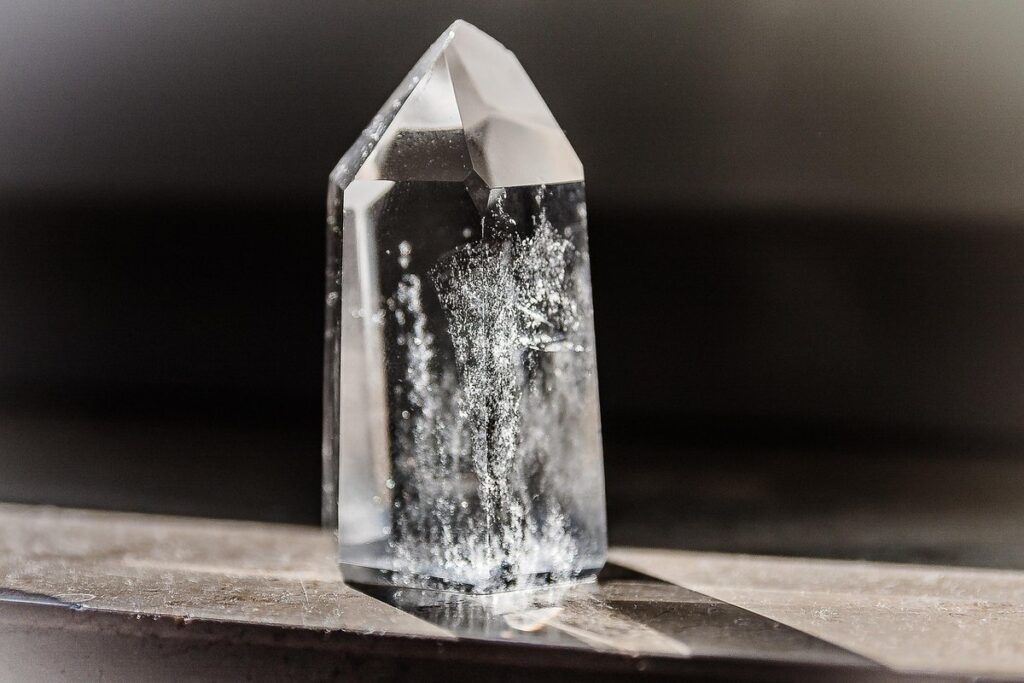
Introduction to Mohs Scale
Let’s start by exploring what the Mohs scale is and how it helps us understand the relative hardness of minerals found on Earth. This crucial foundation will set the stage for our deeper dive into harder minerals.
What is the Mohs Scale?
The Mohs scale is one of the most widely used and recognized scales to measure the scratch resistance of minerals. Developed by Friedrich Mohs in 1812, it’s a simple yet effective way to determine how resistant a mineral is to scratching. The scale ranks minerals from 1 (softest) to 10 (hardest), with each number indicating a significant increase in scratch resistance.
To put this into perspective, the Mohs scale works by assigning a specific mineral as a reference point for each number. For example, if a mineral can be scratched by talc (which has a hardness of 1), it’s considered very soft. On the other hand, if a mineral is resistant to scratching even with corundum (ruby or sapphire, which has a hardness of 9), it’s extremely hard.
Understanding the Mohs scale is crucial for anyone interested in geology, mineralogy, or working with minerals in any capacity. It helps you identify and differentiate between various types of minerals, which is essential for scientific research, mining, and even everyday uses like jewelry-making.
Brief History and Development of Mohs Scale
The development of the Mohs scale is attributed to Friedrich Mohs, an Austrian mineralogist who lived during the late 18th and early 19th centuries. Mohs was tasked with creating a simple method for determining the hardness of minerals, which at that time was a complex and often inaccurate process. He chose ten minerals that he knew well, and through experimentation, developed the scale that now bears his name.
Each mineral on the Mohs scale is assigned a number from 1 to 10, based on its relative hardness. The scale ranges from talc (softest) at 1, to diamond (hardest) at 10. This innovative method of ranking minerals by their hardness revolutionized the field of mineralogy, allowing for more accurate identification and classification of minerals.
The significance of the Mohs scale extends beyond its practical application in mineralogy. It has also played a crucial role in the development of various industries that rely on the mining and processing of minerals, such as construction, manufacturing, and jewelry-making. Today, the Mohs scale remains an essential tool for geologists, collectors, and anyone interested in understanding the properties of minerals.
Importance of Mohs Scale in Mineral Identification
The Mohs scale is a fundamental tool for mineral identification and classification. Its importance lies in providing a standardized method for determining the hardness of minerals, which is essential for understanding their properties and behavior. Without the Mohs scale, identifying and distinguishing between different minerals would be extremely challenging, if not impossible.
Imagine trying to identify a mineral without knowing its hardness level – it’s like searching for a needle in a haystack! The Mohs scale helps scientists and collectors alike narrow down the possibilities by providing a clear ranking of mineral hardness from 1 (softest) to 10 (hardest). This scale enables accurate identification, which is critical in various fields such as geology, mining, and even forensic science.
The practical application of the Mohs scale extends beyond simple identification. It helps determine the durability and resistance of minerals to scratching and abrasion, making it a vital tool for industries that rely on mineral properties, like construction and manufacturing. By understanding the importance of the Mohs scale in mineral classification, you’ll be better equipped to tackle the world of hardness minerals with confidence!
Understanding Hardness Levels on Mohs Scale
To get a better grasp of hardness levels, let’s dive into the details of the Mohs scale and how it’s used to measure mineral hardness. We’ll explore its key characteristics and applications.
Minerals with Low Hardness (1-3)
Talc, gypsum, and calcite are perfect illustrations of minerals with low hardness on the Mohs scale. Let’s dive into their properties and characteristics to understand why they fall under this category.
Minerals like talc have a hardness rating of 1, making them highly susceptible to scratches and abrasions. This is because talc is composed of soft plate-like layers that easily break apart when subjected to pressure or friction. As a result, talc is often used in applications where its softness is beneficial, such as baby powder or cosmetics.
Gypsum, with a hardness rating of 2, is another mineral that exhibits low hardness. Its soft and porous nature makes it ideal for use in plaster and drywall construction. However, gypsum’s softness also means it can be easily damaged by moisture or pressure.
Calcite, the third example, has a hardness rating of 3. While slightly harder than talc or gypsum, calcite is still relatively soft and prone to scratches and wear. Its common occurrence in limestone and marble makes it an important component in many geological formations.
Minerals with Medium Hardness (4-6)
Quartz, feldspar, and amphibole minerals fall within the medium hardness range of 4-6 on the Mohs scale. This category is quite diverse, with each mineral exhibiting distinct properties that make them valuable for various industrial, commercial, and even personal uses.
Quartz, often referred to as one of the most abundant minerals in the Earth’s crust, boasts a moderate hardness level of 5.5-7. Its exceptional durability, resistance to heat, and ability to withstand scratches make it an essential component in electronic components, lenses, and watches. For instance, quartz crystals are used in timekeeping devices due to their stable frequency and accuracy.
Feldspar minerals, with a hardness range of 6-6.5, are also widely utilized in various applications. They are common constituents of igneous rocks and sedimentary deposits. The potassium content in feldspar makes it a key component in ceramic glazes and enamels. Their relatively low price point and high volume production have made them an attractive option for industries such as glassmaking.
Amphibole minerals, with hardness levels ranging from 5 to 6, display distinct chemical compositions that set them apart from other minerals within the medium range. They often form in igneous rocks and contribute significantly to metamorphic processes. Due to their fibrous structure, amphiboles like talc and tremolite are frequently used in insulation materials, brake pads, and as components in fire-resistant textiles.
Minerals with High Hardness (7-10)
Minerals with high hardness levels are truly exceptional due to their exceptional properties and uses. Let’s take a closer look at three notable minerals: diamond, corundum, and topaz.
Diamond is the hardest substance known, boasting an impressive 10 on the Mohs scale. Its unmatched hardness makes it highly valued for industrial applications, such as cutting tools and windows for high-pressure situations. You might be surprised to learn that diamonds are also used in jewelry due to their unparalleled durability and brilliance.
Corundum, another extremely hard mineral with a Mohs hardness of 9, is commonly known as sapphire or rubies. These vibrant gemstones owe their striking colors and exceptional hardness to the presence of chromium or iron impurities. Corundum’s remarkable scratch resistance makes it an ideal choice for high-end jewelry and optical instruments.
Topaz, though slightly softer with a Mohs hardness of 8, is still a highly prized mineral due to its unique properties. This versatile gemstone comes in various colors, including the distinct blue topaz. Topaz is often used in jewelry and decorative objects, taking advantage of its exceptional durability and affordability compared to harder minerals like diamond or corundum.
These minerals’ extraordinary hardness levels make them perfect for applications where scratch resistance is crucial. When working with high-hardness minerals, remember that their exceptional properties can also be leveraged in various industries, from cutting tools to jewelry-making.
Common Applications of Mohs Scale
You might be wondering how the Mohs scale is used in real-life situations, and that’s exactly what we’ll explore next as we examine some common applications.
Jewelry Making and Gemstone Identification
When working with gemstones and creating jewelry pieces, accurate identification of their hardness is crucial. This is where the Mohs scale comes into play. By using this scale, jewelers can easily identify the type of mineral they’re dealing with, which helps determine its potential uses in various projects.
For instance, a piece of jewelry featuring a large amethyst may require more care than one made from a less dense stone like turquoise. This distinction is rooted in the Mohs scale’s ranking system, where softer minerals are often more prone to scratches or damage.
Gemstone identification can also be facilitated by examining its luster and streak characteristics. For example, a mineral with a vitreous luster (glossy appearance) and conchoidal fracture pattern may suggest it is a quartz-based stone like amethyst. By combining these observations with the Mohs scale’s hardness ratings, you’ll have a more accurate assessment of your gemstone.
Consider this: when creating custom jewelry pieces for clients, having a comprehensive understanding of Mohs scale rankings can help prevent damage to their investments and ensure they’re choosing stones that meet specific requirements for durability.
Industrial Uses of Hardness Minerals
Hardness minerals play a crucial role in various industries due to their unique properties and versatility. In construction, for instance, quartz, one of the hardest minerals on the Mohs scale, is often used as an aggregate in concrete due to its exceptional durability and resistance to wear and tear.
In manufacturing, hardness minerals like corundum (ruby) are employed in cutting tools and abrasive materials because of their extreme hardness. This property allows them to effectively grind and polish other materials without sustaining damage themselves.
Similarly, apatite, a relatively hard mineral, is used in the production of fertilizers and pesticides due to its ability to resist acidic environments. Its chemical stability also makes it an essential component in various industrial processes.
The versatility and hardness properties of these minerals make them indispensable in various applications across different sectors. By understanding their unique characteristics, industries can optimize resource usage and improve efficiency, leading to increased productivity and cost savings.
Educational Significance of Mohs Scale
The Mohs scale is an invaluable tool for geology students and researchers, providing a straightforward and accessible way to determine the hardness of minerals. This simplicity makes it an essential learning aid, particularly during early stages of geological study when understanding mineral properties is crucial. By mastering the Mohs scale, students can develop a deeper appreciation for the inherent characteristics of different rocks and minerals.
One key benefit of using the Mohs scale in educational settings is its ability to illustrate the significance of hardness as a defining property of minerals. For instance, quartz is one of the most common minerals encountered in geological studies, and its placement at position 7 on the Mohs scale highlights its durability and resistance to scratching. This example serves as an important teaching tool, enabling students to grasp the concept that mineral hardness is directly linked to its chemical composition and structural arrangement.
The Mohs scale’s educational value lies not only in its practical application but also in its capacity for sparking curiosity about the earth sciences. By introducing this fundamental concept early on, educators can foster a lifelong interest in geology among their students, encouraging exploration of more advanced topics as they progress through their studies.
Interesting Facts about Hardness Minerals
You might be surprised by some of the interesting facts about hardness minerals on the Mohs scale, and we’re excited to share them with you next. Let’s dive into these fascinating characteristics!
Mineral Compositions and Structures
When we delve into the world of hardness minerals, it’s fascinating to explore their underlying atomic structures and compositions. This is because these characteristics play a significant role in determining the mineral’s overall hardness.
Let’s take, for instance, the mineral Quartz (SiO2). Its atomic structure consists of silicon (Si) atoms bonded covalently with oxygen (O) atoms in a repeating pattern of tetrahedral bonds. This unique arrangement endows Quartz with its impressive hardness rating on the Mohs scale – a 7 out of 10.
On the other hand, minerals like Halite (NaCl), with their simple ionic bonding between sodium and chloride ions, exhibit relatively softer characteristics on the Mohs scale – with a rating of just 2.5. The difference in atomic composition directly affects how these minerals interact with external forces and substances, ultimately influencing their overall hardness.
As you explore the world of hardness minerals, understanding their mineral compositions and structures can help you better appreciate the intricacies at play. By knowing what makes each mineral tick, you’ll gain a deeper appreciation for their unique properties – and perhaps even spark new ideas for practical applications or experiments to try in your own laboratory!
Mineral Properties and Crystal Systems
When examining hardness minerals on the Mohs scale, it’s essential to consider their unique properties. One such property is cleavage, which refers to the way a mineral breaks apart when subjected to stress. Cleavage can be either perfect, imperfect, or nonexistent, and it plays a significant role in determining how easily a mineral can be crushed or broken. For instance, quartz exhibits perfect cleavage along its crystal faces, making it highly susceptible to breakage.
Another crucial property is luster, which describes the way light interacts with a mineral’s surface. Luster can range from metallic to non-metallic, and each type conveys valuable information about a mineral’s composition and behavior. For example, minerals like pyrite exhibit a shiny, metallic luster due to their iron content.
In addition to these properties, hardness minerals on the Mohs scale also exhibit various crystal systems, including monoclinic, orthorhombic, and hexagonal. Understanding these systems can provide insight into a mineral’s internal structure and how it interacts with other substances.
Environmental Impact and Conservation
When it comes to hardness minerals, responsible mining practices and conservation efforts are crucial for their sustainability. The demand for these minerals is on the rise due to their unique properties and applications in various industries. However, this increased demand has put a strain on natural resources, leading to environmental degradation and depletion of mineral deposits.
To mitigate these effects, mining companies must adopt environmentally friendly methods that minimize waste generation and reduce the impact on local ecosystems. For instance, the use of electric or hybrid drilling equipment can significantly reduce emissions and noise pollution. Additionally, implementing recycling programs for mine tailings can help recover valuable minerals and reduce waste disposal costs.
As consumers, you also play a vital role in promoting responsible mining practices. When purchasing products containing hardness minerals, look for certifications like Conflict-Free Minerals or Responsible Minerals Initiative (RMI) that ensure the materials are sourced sustainably. By making informed choices, we can encourage companies to prioritize environmental conservation and promote a more sustainable future for hardness mineral extraction.
Testing for Hardness Minerals
To accurately identify hardness minerals, you’ll need to know how to test them using a variety of methods that rely on their unique properties. Let’s explore some of these techniques.
Mohs Scratch Test: Theory and Practice
The Mohs scratch test is a fundamental method for determining the hardness of minerals on the Mohs scale. To perform this test, you’ll need to carefully select a reference mineral with a known hardness value and have a collection of unknown minerals to test.
First, hold the reference mineral firmly in one hand and use it as a “scratcher” to gently scratch the surface of each unknown mineral. If the unknown mineral is scratched by the reference mineral, record its hardness value as being softer than that of the reference mineral. Conversely, if the reference mineral is scratched or damaged when attempting to scratch the unknown mineral, then the unknown mineral has a higher hardness.
One common pitfall is applying too much pressure while scratching the minerals, which can damage the sample and lead to inaccurate results. To avoid this mistake, be gentle and use only light strokes when testing each mineral. Another important consideration is selecting reference minerals that are free of scratches or imperfections, as these can skew your test results.
Other Methods for Determining Mineral Hardness
While the Mohs scale is a widely accepted method for determining mineral hardness, there are other alternative methods that can be used to achieve similar results. Indentation hardness testing is one such method, which involves pressing a pointed object into the mineral surface and measuring the depth of indentation created. This method is particularly useful for softer minerals that may be too fragile to withstand scratching tests.
Another alternative method is ultrasonic testing, which uses high-frequency sound waves to measure the hardness of a material. This method is often used in industrial settings where equipment is regularly tested for wear and tear. By bombarding the surface with high-frequency sound waves, technicians can determine the mineral’s resistance to deformation and cracking.
While these methods may not be as straightforward as the Mohs scale, they offer valuable insights into a mineral’s hardness properties. For example, indentation testing can provide a more detailed understanding of a mineral’s mechanical strength, which is essential for assessing its durability in various applications.
Conclusion and Future Directions
Now that we’ve explored the Mohs hardness scale, let’s summarize what you’ve learned and discuss potential applications for your newfound knowledge.
Recap of Key Points
In conclusion, we’ve covered a wide range of hardness minerals on the Mohs scale. We started by understanding what the Mohs scale is and how it’s used to measure mineral hardness. From there, we explored the different types of minerals that fall under each category, from talc (1) to diamond (10).
We discussed the properties and characteristics of each group of minerals, including their uses in everyday life and industrial applications. For example, quartz (7) is a common mineral used in electronics and watches due to its hardness and electrical conductivity.
Some key takeaways from this guide include understanding how to identify minerals using the Mohs scale, recognizing the differences between various mineral types, and appreciating the importance of each mineral’s unique properties. By applying these concepts, you’ll be better equipped to identify and work with hardness minerals in your own projects or daily life.
To recap, it’s essential to familiarize yourself with the Mohs scale and its corresponding hardness levels when working with minerals. By doing so, you’ll avoid mistakes and ensure accurate results in various applications.
Emerging Trends and Research in Hardness Minerals
Research into hardness minerals is continuously evolving, driven by advances in technology and an increasing understanding of these materials’ unique properties. Scientists are currently investigating the potential applications of hardness minerals in various fields, including energy storage, electronics, and biomedicine.
One promising area of research involves the development of new battery technologies that leverage the high thermal conductivity and durability of certain hardness minerals. For example, researchers have explored using silicon carbide (SiC) as a component in advanced lithium-ion batteries due to its exceptional ability to withstand high temperatures. This innovation could lead to improved energy storage capacity, longer battery lifetimes, and enhanced overall performance.
Another emerging trend involves the use of hardness minerals in medical applications, such as creating implantable devices or developing new diagnostic tools. Researchers have shown that certain hardness minerals, like titanium dioxide (TiO2), exhibit excellent biocompatibility and can be used to create implantable prosthetics with improved durability and reduced risk of complications.
These examples illustrate the vast potential for innovation and growth in the field of hardness minerals. As research continues to advance our understanding of these materials, it is likely that new applications will emerge, driving further progress and development in various industries.
Frequently Asked Questions
How do I determine the hardness of a mineral without the Mohs scratch test?
You can use other methods, such as the Vickers hardness test or the Knoop hardness test, to determine the hardness of minerals. These tests involve applying a specific amount of force to the mineral under a microscope and measuring the resulting indentation.
Can minerals with low hardness (1-3) be used in jewelry making?
While minerals with low hardness are generally not suitable for everyday wear due to their scratch sensitivity, they can still be used in jewelry making. For example, talc or gypsum could be used in decorative pieces where durability isn’t a concern.
What’s the environmental impact of extracting and processing hardness minerals?
Extracting and processing hardness minerals can have significant environmental impacts, such as water pollution, land degradation, and energy consumption. Minimizing waste and using sustainable practices during extraction and processing is crucial for reducing these negative effects.
How do I choose between different hardness minerals for specific industrial applications?
Consider the requirements of your industry, including temperature resistance, corrosion resistance, and durability. Then, select a mineral with the optimal balance of properties to meet those needs. For instance, quartz’s high hardness and chemical stability make it suitable for electronics and construction.
Can I use a hardness mineral in one application be repurposed for another?
Some minerals can be repurposed or upcycled, but their original characteristics may not remain intact. Be cautious when reusing minerals, as their properties might change due to environmental factors or processing methods. Always assess the suitability of the reused material before using it in a new context.