
Geodes have long fascinated us with their intricate beauty and hidden treasures. These natural wonders are more than just rocks, but mysterious orbs waiting to be cracked open and reveal their inner splendor. As we delve into the world of geodes, one question often arises: what types of geodes exist? From the stalactite-encrusted Calcite Geodes to the gemstone-filled Quartz Geodes, each type has its unique characteristics shaped by geological factors like location, climate, and time. In this comprehensive guide, we’ll take you on a journey through the diverse realm of geode types, exploring their formations, properties, and what makes them so special. Whether you’re a seasoned rockhound or just starting to explore the world of geodes, our article will cover everything you need to know about these stunning natural wonders.
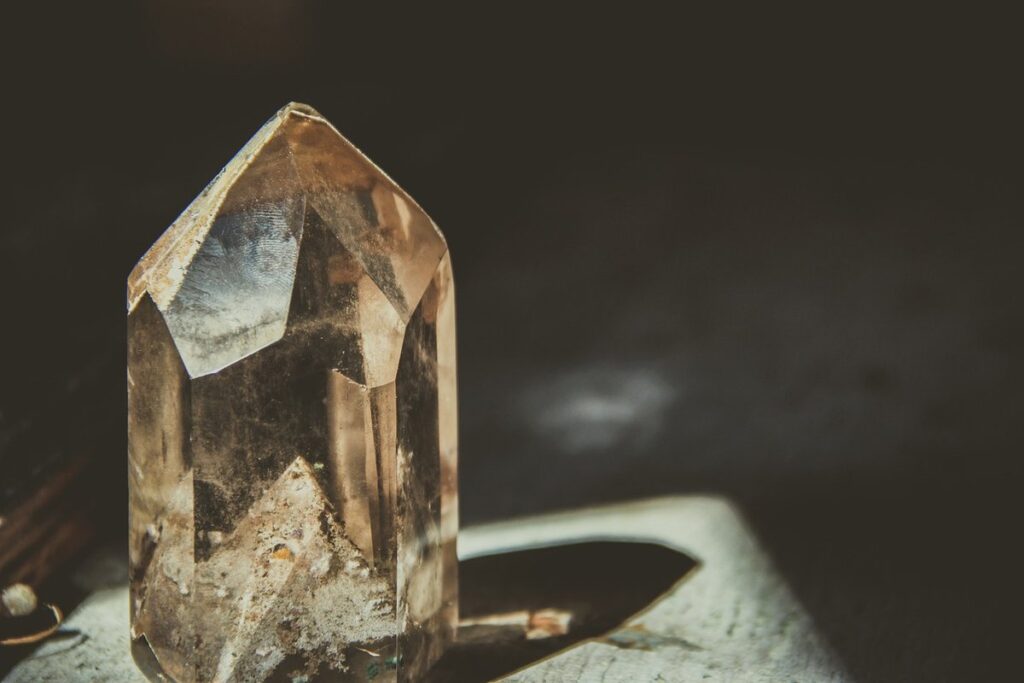
Introduction to Geodes
Let’s start by exploring what geodes are and why they’re so fascinating, and we’ll delve into their unique characteristics that set them apart from other types of rocks.
What are Geodes?
So, you’re curious about geodes and wondering what all the fuss is about. Geodes are fascinating natural wonders that have captivated people for centuries. In simple terms, a geode is a type of rock that has a hollow cavity or chamber inside, which is usually filled with crystalline structures such as quartz, amethyst, or calcite.
What’s unique about geodes is the way they form. They’re created when water carrying minerals like silica or alumina flows through rocks and slowly builds up over time, eventually forming a crystalline structure within the rock. This process can take thousands of years, making each geode a one-of-a-kind treasure.
Geodes come in various shapes and sizes, but most often they have an irregular shape with a smooth, rounded exterior. When you crack open a geode, you’ll find an amazing array of colors and patterns inside, created by the arrangement of crystals within the cavity. It’s like discovering a hidden world inside a rock!
Importance of Geodes in Science and History
Geodes have been a fascinating subject for scientists and researchers for centuries, providing valuable insights into geological processes and the Earth’s history. One of the key reasons geodes are so significant is that they offer a unique window into the planet’s past. By studying the formations and fillings within geodes, scientists can gain a better understanding of volcanic activity, tectonic plate movement, and the conditions that existed millions of years ago.
In addition to their scientific importance, geodes have also played a significant role in human history. Many ancient cultures revered geodes as symbols of spiritual power or as talismans for protection and good fortune. For example, the Aztecs believed that geodes contained powerful healing properties and used them in rituals and ceremonies. Similarly, in modern times, geodes continue to hold cultural importance, with many people collecting and admiring their unique formations.
As a collector of geodes yourself, it’s worth noting that each one is a natural treasure trove of information about the Earth’s history and geological processes. By examining your own geode collection or visiting museums and exhibitions featuring these natural wonders, you can gain a deeper appreciation for the importance of geodes in science, history, and culture.
Common Misconceptions About Geodes
When it comes to geodes, there are several common misconceptions that can be misleading. One of the most widespread myths is that all geodes contain crystals or precious stones. However, this isn’t always the case. While some geodes do hold beautiful crystals like quartz or amethyst, others may be empty or contain only small fragments.
Another misconception is that geodes are rare and difficult to find. In reality, many types of geodes can be found in various regions around the world, and they don’t necessarily require a lot of effort to discover. For instance, some common types of geodes like agate geodes or jasper geodes can often be found in rock shops or online marketplaces.
Some people also believe that geodes need to be broken open to reveal their crystals, but this isn’t always true. Depending on the type and condition of the geode, it may already be visible on the surface or contain a small opening that allows you to see inside without needing to break it open.
It’s essential to separate fact from fiction when exploring the world of geodes, so we can appreciate these natural wonders in all their forms.
Types of Geode Formations
Geodes can form in a variety of different settings, including volcanic regions and areas with significant mineral deposits. Let’s explore some common geode formations together.
Selenite Geodes: The Iconic “Crystal Cave”
Selenite geodes are among the most iconic and coveted types of geodes, earning their reputation as the “Crystal Cave.” Formed through a process known as hydrothermal activity, selenite geodes are created when superheated water rich in minerals flows through underground rock formations. As the water cools, it deposits layers of crystals within the rock cavity, resulting in stunning selenite geode formations.
One of the most striking characteristics of selenite geodes is their translucent appearance. Due to their composition of pure gypsum (calcium sulfate), these geodes often display a ghostly white or pale yellow hue when lit from within. The crystal formations within can take on various shapes and sizes, creating intricate patterns that add to the geode’s allure.
For rockhounds and collectors, selenite geodes are highly prized for their beauty and rarity. When searching for these geological wonders, look for areas where hydrothermal activity is prevalent, such as near hot springs or volcanic regions. Once found, handle these delicate formations with care, as they can be prone to damage from physical stress or exposure to moisture.
Calcite Geodes: The Most Common Type
Calcite geodes are the most common type of geode formation, making up a significant portion of all geodes discovered. These hollow rocks are formed when mineral-rich water flows through cracks and crevices in limestone or dolostone, depositing layers of calcite crystals over time. The process can take thousands to millions of years, resulting in stunning formations with unique crystal patterns.
The structure of calcite geodes is typically spherical or oval-shaped, with a thin outer layer of rock giving way to a hollow interior filled with crystalline calcite. These formations are often found in areas where limestone or dolostone has been eroded, such as in caves, sinkholes, and streams. When opened, the crystals inside can be seen to radiate from a central point, creating a striking visual effect.
For rockhounds interested in collecting calcite geodes, it’s essential to know that these formations are often found in areas where limestone or dolostone is exposed. Look for regions with extensive karst topography, such as the American Southwest or Mexico. When searching, be sure to follow local regulations and obtain any necessary permits before collecting.
Amethyst Geodes: A Rare but Valuable Find
Amethyst geodes are considered one of the most valuable and sought-after types of geodes due to their rarity and aesthetic appeal. These geodes owe their deep purple color to the presence of iron and aluminum impurities in the quartz crystals, which creates a stunning amethyst hue. The value of an amethyst geode is largely determined by its size, clarity, and the quality of the amethyst formation.
However, it’s essential to note that high-quality amethyst geodes are extremely rare, making them highly valuable. Factors contributing to their rarity include geological events such as volcanic activity, which can create the right conditions for amethyst crystal growth. Additionally, the presence of specific minerals like iron and aluminum is also crucial in forming these unique geodes.
When searching for amethyst geodes, it’s essential to inspect the geode carefully for signs of clarity and quality. A well-formed amethyst geode with minimal imperfections can command a high price at auction or from reputable dealers. If you’re interested in collecting amethyst geodes, consider investing in a smaller specimen as a starter piece, and gradually build your collection over time.
Geological Factors Influencing Geode Formation
Geodes form when mineral-rich water seeps through rock layers, depositing minerals that eventually crystallize into a cavity. Let’s take a closer look at how geological factors shape this process.
Tectonic Plate Movement and Geode Creation
Geode formation is intricately linked to the dynamic movement of tectonic plates. As these massive slabs of the Earth’s crust shift and collide, they create unique conditions for geodes to form. When tectonic plates converge or diverge, it leads to intense pressure and chemical reactions within the rock layers. This process can result in the creation of cavities or voids, which eventually become filled with minerals and crystalline structures – forming a geode.
For instance, the movement of the North American plate beneath the Pacific plate has led to the formation of numerous geodes in the southwestern United States. The pressure from this plate collision triggers chemical reactions within the rock layers, creating ideal conditions for mineral-rich fluids to seep in and deposit crystals. Over time, these deposits accumulate, eventually forming geode structures.
Geologists studying tectonic plate movement can infer potential geode locations based on regional geological features and plate boundary characteristics. By understanding how these processes shape our planet’s surface, we gain valuable insights into the complex mechanisms governing geode distribution – a crucial aspect of this fascinating field of study.
Mineral Composition and Pressure Effects
The mineral composition and pressure effects play a significant role in shaping geodes over time. The type of minerals present within a geode can greatly impact its formation and appearance. For example, calcite-rich geodes tend to form in areas with high calcium concentrations, such as limestone caves. On the other hand, quartz-rich geodes often form in granitic rocks where there is an abundance of silica.
As sedimentary layers are compressed over millions of years, minerals from the surrounding rock are dissolved and redeposited into cavities within the geode. This process can result in the formation of stunning crystal clusters or drusy formations. However, the pressure exerted on these deposits also has a profound impact on their shape and structure.
In some cases, excessive pressure can cause crystals to grow outward from the cavity walls, creating an intricate network of crystalline fibers. Conversely, inadequate pressure may result in poorly formed or absent crystal structures. By understanding the interplay between mineral composition and pressure effects, geode enthusiasts can better appreciate the unique conditions required for these natural wonders to form.
Water’s Role in Geode Erosion and Formation
Water plays a dual role in the formation and erosion of geodes. It’s responsible for both breaking down rocks that contain the minerals necessary for geode formation and carving out hollow cavities where these minerals can accumulate.
The erosion process begins when water seeps into cracks or fissures in the rock, slowly wearing it away over time. As the rock is dissolved, a cavity forms, creating an ideal environment for mineral-rich solutions to precipitate out of the water. This is how many geodes are formed – through the gradual accumulation of minerals within these cavities.
For example, in Arizona’s Petrified Forest National Park, groundwater has carved out thousands of hollow logs that have since been filled with stunning agate and jasper formations. Similarly, in Mexico’s Naica Mine, water has eroded the limestone to create giant selenite crystals. These examples demonstrate how water’s erosive powers can contribute to geode formation.
Distinguishing Between Real and Faux Geodes
So, you’ve got your hands on what looks like a geode, but are you sure it’s not just a clever fake? Let’s dive into how to spot the real deal from a reproduction.
Identifying Authenticity: A Guide for Collectors and Hobbyists
When collecting geodes, it’s essential to identify authenticity, as some may be artificial or enhanced. This is especially true for rare and valuable specimens.
To begin with, study the geode’s appearance, considering its size, shape, color, and texture. Genuine geodes often have an irregular shape due to natural formation processes. Be wary of overly uniform or symmetrical shapes, which can indicate human intervention. Also, examine the geode’s surface for any signs of artificial enhancement, such as added colors or textures.
Another key aspect is the geode’s composition. Real geodes typically consist of a natural mineral-rich matrix and crystalline structures formed over time through geological processes. If the composition seems too uniform or lacks distinct layers, it may be artificially created. You can also inspect the geode under magnification to detect any signs of artificial additions.
Lastly, research the seller or source of the geode to ensure authenticity. Reputable dealers and collectors often provide documentation, such as certificates of authenticity or scientific analysis reports.
The Dark Side of Fake Geodes: Industry Impact and Concerns
The rise of fake geodes on the market has significant consequences for both the industry and consumers. Economically, the proliferation of synthetic geodes can lead to a decrease in demand for natural specimens, causing financial losses for collectors, dealers, and miners who rely on genuine geode sales. This can also result in the undervaluation of real geodes, making it challenging for collectors to determine their authenticity.
Furthermore, fake geodes raise important ethical concerns. Natural geodes are often imbued with cultural and historical significance, but synthetic replicas lack this value. The creation and sale of fake geodes can perpetuate a cycle of deception, damaging the trust between collectors and dealers. Moreover, the market for authentic geodes relies on the integrity of specimens being sold as genuine. When fake geodes flood the market, it erodes consumer confidence in the entire industry.
To navigate this issue, collectors should be vigilant about purchasing from reputable sources and examining geodes closely for signs of artificial enhancement or suspicious materials.
Conclusion: Appreciating the Beauty and Rarity of Geodes
As we conclude our exploration of various geode types, let’s take a moment to appreciate their unique beauty and rarity in nature. Geodes truly are treasures waiting to be discovered.
Recap of Key Points
As we conclude our comprehensive guide to geodes, let’s take a moment to recap the main types of geodes and their unique characteristics. You now have a solid understanding of the various forms these natural wonders can take, from agate geodes and amethyst geodes to calcite geodes and jasper geodes.
Remember, agate geodes are known for their layered banding patterns, while amethyst geodes owe their deep purple hue to iron oxide impurities. Calcite geodes, on the other hand, often feature a striking white or transparent crystal formation. Jasper geodes boast intricate patterns of red and white bands, making each one truly unique.
Whether you’re an experienced rockhound or just starting your collection, it’s essential to note that each type of geode has its own distinct characteristics. By understanding these differences, you can better appreciate the beauty and rarity of these natural wonders. As you continue on your geological journey, keep in mind that geodes are not only visually stunning but also offer a glimpse into the Earth’s ancient history.
Encouraging Further Exploration and Study
As you delve into the world of geodes, it’s natural to feel a sense of wonder and awe at these unique formations. However, our journey with geodes is far from over – there’s still so much to learn and discover about these fascinating rocks. Encouraging further exploration and study of geodes is crucial for both scientific understanding and public appreciation.
For scientists, continued research into geodes can unlock new secrets about the Earth’s geological history, plate tectonics, and even the processes that shape our planet’s surface. By studying the characteristics and formation mechanisms of various geode types, researchers can gain valuable insights into the complex interactions between rock, water, and time.
For enthusiasts, delving deeper into the world of geodes can be a richly rewarding experience. Not only can you develop a more nuanced understanding of these captivating formations, but you’ll also have the opportunity to contribute to our collective knowledge of geodes. So, where do you start? Begin by selecting a specific type of geode that piques your interest and explore its unique characteristics, formation mechanisms, and notable features.
Final Thoughts on the Enigmatic World of Geodes
As you’ve delved into the world of geodes with us, we hope you’re still reeling from the sheer diversity and majesty of these natural wonders. From the vibrant agate-lined cavities of Mexico’s Chihuahuan Desert to the crystal-studded stalactites of South America’s caves, each geode is a testament to geological time and patience.
The allure of geodes lies in their enigmatic nature – an unseen world within, waiting to be unearthed. It’s this mystique that draws us to them, to unravel their secrets and appreciate the intricate beauty within. Whether you’re an experienced rockhound or just starting your journey, the appreciation for geodes is rooted in understanding their rarity.
The next time you come across a geode, take a moment to marvel at its uniqueness. Notice the subtle variations in color, pattern, and formation that set it apart from others. In doing so, you’ll begin to see beyond the surface level – a reflection of the earth’s own story, written on the walls of these hollowed-out stones.
Frequently Asked Questions
How do I identify the type of geode I’ve found?
Identifying a geode’s type can be challenging, especially for beginners. A good starting point is to examine the geode’s size, shape, and color. For instance, Calcite Geodes tend to have a more irregular shape, while Quartz Geodes often exhibit a crystal-clear appearance. Researching online or consulting with experts can also provide valuable insights. Always remember that proper identification requires expertise, so don’t hesitate to seek professional guidance if you’re unsure.
Can I grow my own geode at home?
Growing your own geode is theoretically possible but highly improbable. Geodes form over millions of years through geological processes involving intense pressure and temperature changes. Replicating these conditions in a home environment is not feasible, even with advanced equipment. However, you can still cultivate crystals or mineral formations using controlled experiments and precise conditions.
How do I care for my geode to prevent damage?
Caring for your geode requires attention to detail and an understanding of its specific needs. Avoid exposing it to extreme temperatures, direct sunlight, or high humidity. Store the geode in a protective case or container to shield it from dust and other environmental factors. Handle it gently and avoid touching the crystal surfaces to prevent damage.
Can I use my geode for healing purposes?
While some people claim that certain types of geodes possess healing properties, there is no scientific evidence supporting these claims. Geodes are valued for their aesthetic appeal, rarity, and historical significance rather than alleged metaphysical benefits. Approach such uses with a critical perspective and focus on appreciating the geode’s natural beauty.
Are all geodes valuable or can some be found in nature?
Not all geodes hold significant monetary value, but they still possess inherent worth due to their geological uniqueness. Many geodes can be found in nature, particularly in areas where volcanic activity has occurred. Their rarity and aesthetic appeal determine their market value, rather than their existence as a natural phenomenon.