
Identifying antique bottles can be a fascinating hobby for collectors, but it often requires expertise and research. You may find yourself wondering about the age, material, and value of an old bottle discovered in your attic or at an estate sale. To unlock its historical significance and worth, understanding how to identify and evaluate antique bottles is crucial. This process involves examining various factors such as the type of glass, markings, and shape, as well as researching the history and preservation techniques used. A comprehensive approach will help you determine whether a bottle is rare or valuable. In this guide, we’ll cover the key aspects of identifying and valuing antique bottles, including their materials, historical context, and preservation methods, empowering you to make informed decisions about your collection.
Understanding the Basics of Antique Bottles
When it comes to identifying old bottles, understanding the basics is essential for distinguishing between authentic antiques and reproductions. Let’s start by examining the fundamental characteristics that define antique bottles.
What Are Vintage Bottles?
Antique bottles are often sought after by collectors and enthusiasts for their historical significance, rarity, and monetary value. To understand what makes a bottle vintage, it’s essential to consider its age, design, and materials used.
Rarity plays a significant role in determining an antique bottle’s value. Bottles from the 19th century, particularly those with unique shapes or designs, can be extremely rare. For instance, the “Milk of Magnesia” bottles produced by the Dr. King’s Laboratory in the late 1800s are highly prized among collectors due to their distinctive shape and limited production run.
The historical significance of antique bottles lies in their ability to provide insight into the past. They can offer clues about manufacturing techniques, labeling practices, and even cultural trends. For example, certain types of whiskey bottles from the early 20th century feature elaborate designs that reflect the booming economy and cultural values of the time.
Identifying Materials Used in Old Bottles
Old bottles can be made from a variety of materials, each with its own distinct characteristics. One of the most common materials used is glass, which comes in several types. Soda-lime glass, for example, was widely used in the late 19th and early 20th centuries due to its affordability and durability. Lead crystal, on the other hand, was a more expensive option often reserved for high-end bottles.
Ceramic materials are also used in old bottles, particularly for apothecary jars and decorative containers. Look for visible glaze patterns or colored decorations to identify ceramic bottles. Metal closures, such as screw tops and corks, can also be an indicator of the bottle’s material composition. The type of closure may be specific to certain glass types, like lead crystal bottles often featuring ornate metal caps.
When examining a suspected antique bottle, pay attention to the texture, color, and clarity of the material. Glass bottles, for instance, will typically have a smooth surface with minimal inclusions or imperfections. Ceramic materials may display more visible glaze lines or slight cracking under closer inspection. By familiarizing yourself with these differences, you’ll be better equipped to identify the materials used in old bottles and narrow down their age and origin.
Researching Bottle History and Origins
To research a bottle’s history and origins, you’ll need to examine its shape, size, material, and any markings or signatures that can help pinpoint its age and origin. This information is often hidden in plain sight.
Dating Antique Bottles
When dating antique bottles, attention to detail is crucial. Start by examining the bottle’s design and manufacturing techniques. Look for distinguishing marks such as raised logos, mold numbers, and patent dates etched into the glass or on the label. These marks can indicate the era and manufacturer of the bottle.
Manufacturing techniques also provide clues about a bottle’s age. For example, bottles from the 19th century often feature a distinctive “gathered” shape at the base, where the glassmaker gathered and pressed the molten glass into shape. In contrast, earlier bottles may display a more rounded or elongated shape.
Consider the historical context in which the bottle was produced. Research the company that made the bottle to determine if it was active during the time period indicated by other dating methods. For instance, if the raised logo is from a well-known manufacturer of the late 19th century, but the mold number indicates an earlier era, you may have found a rare example of a rebranded or repurposed mold.
Keep in mind that some bottle designs were reused or modified over time, so historical context is essential to accurately date your antique bottles.
Understanding Bottle Manufacturers’ Marks
When researching vintage bottles, it’s essential to examine manufacturer’s marks or logos for clues about a bottle’s origins. These marks often provide valuable information about the bottle’s production date, location, and even the type of glass used.
Look for embossed or printed marks on the bottle’s body, base, or neck. Some manufacturers placed their marks in a specific pattern, such as along the bottom edge or on one side of the bottle. Researching these marks can help you pinpoint the manufacturer and narrow down your search.
To research manufacturer’s marks, start by consulting online resources like bottle collector forums, museums’ databases, or antique glassware websites. Many organizations specialize in documenting and preserving historical glassmaking techniques and products. You can also examine reference books on antique glassware, which often include illustrations of manufacturer’s marks and their corresponding dates and locations.
For example, the Libbey Glass Company, a well-known American manufacturer, used various marks throughout its history. By identifying these marks, you may be able to determine if your bottle is from the early 20th century or a specific product line.
Analyzing Bottle Shapes and Designs
As you examine old bottles, paying attention to their shape and design can reveal a wealth of information about its age and origin. Look for distinctive features like rounded shoulders and necks, as these often indicate a specific era or manufacturer.
Unique Shape Characteristics of Antique Bottles
Antique bottles often possess unique shape characteristics that can be telltale signs of their age and origin. One distinctive example is the apothecary jar, which features a wide mouth and rounded body. These jars were commonly used for storing medicinal powders and liquids during the 18th and early 19th centuries.
Perfume flacons are another notable example, characterized by their slender necks and bulbous bodies. Produced primarily in Europe between the mid-18th and early 20th centuries, these bottles often feature decorative etchings or engravings on their bases. To identify an apothecary jar or perfume flacon, examine its mouth size: if it’s very wide, you’re likely looking at a vintage apothecary jar. Conversely, if the neck is long and slender with a small opening, consider it to be a perfume flacon.
When searching for other distinctive shapes, pay attention to the bottle’s body shape, shoulder placement, and finishing details like engravings or mold marks. These subtle features can reveal a lot about an antique bottle’s age and intended use.
Decorative Patterns and Embossing
Decorative patterns and embossing on antique bottles can reveal valuable information about their age, origin, and intended use. During the late 18th to early 20th centuries, various countries developed distinct styles of decorative printing, which often featured florals, landscapes, or scenes from mythology. For instance, German bottles often displayed intricate floral patterns, while American examples frequently sported patriotic emblems.
To decipher the meaning behind these designs, consider the historical context in which they were created. Embossed images, such as grapes on a Roman-themed bottle, may indicate that the vessel was intended for wine or other beverages. Similarly, depictions of specific animals can hint at the bottle’s purpose: for example, an eagle might signify its use for medicinal products.
When examining decorative patterns and embossing, also look for evidence of mass production techniques versus handmade craftsmanship. Machine-made bottles often display more uniform patterns, whereas hand-engraved designs may exhibit subtle variations in style or quality. Carefully observe these details to gain a deeper understanding of your antique bottle’s history.
Inspecting Bottle Condition and Authenticity
When examining a potentially valuable old bottle, it’s crucial to inspect its condition and authenticity closely to determine its original state and potential value. This includes assessing any signs of wear, damage, or restoration that could impact its worth.
Common Signs of Wear and Aging
When inspecting a vintage bottle, it’s essential to assess its condition to determine its authenticity and value. Signs of wear and aging can often be misleading, but some indicators are more telling than others.
Check for patina on the glass, which can indicate age and exposure to light. Aged bottles may also exhibit minor scratches or scuffs from handling over time. However, beware of restoration attempts: if a scratch appears too neatly filled in or an uneven patch is applied, it’s likely a deliberate fix.
Another key sign is uneven coloration, such as cloudy glass or discoloration around the lip and base. These imperfections can result from aging, but they might also be evidence of improper manufacturing processes or chemical treatments during production.
Inspect the bottle’s original labels and packaging, too. Gaps, tears, or worn-out adhesive indicate that a label has been removed and reapplied, often in an attempt to cover up authenticity issues. Even minor signs like these can significantly impact a vintage bottle’s value and collectibility.
Verifying Authenticity: Tips for Discerning Fakes
When inspecting old bottles for authenticity, one crucial step is verifying their legitimacy. Potential fakes or reproductions often exhibit suspicious features and inconsistencies that can be spotted with close examination.
Check the bottle’s material and weight. Modern glass production techniques make it easy to create replicas that mimic vintage bottles. However, authentic antique bottles often have a distinct heft due to the denser, heavier glass of their time. Compare this to modern glass, which tends to be lighter in weight.
Another telltale sign is the bottle’s color and clarity. Antique glass can exhibit subtle imperfections like inclusions or striations, while reproductions often appear too uniform and bright. Inspect the bottle’s color for any signs of aging, such as a worn, yellowed appearance.
Finally, scrutinize the label and packaging. Authentic antique bottles may have worn or faded labels, while modern reproductions typically retain their crisp, vibrant condition. Pay attention to font styles, logos, and other branding elements, as these can be easily faked but often reveal inconsistencies upon close inspection.
Preserving and Displaying Your Vintage Bottles
Now that you’ve identified your vintage bottles, learn how to care for them and showcase their beauty by following some simple steps. Protecting your collection from damage is essential.
Storage and Handling Techniques
When storing vintage bottles, it’s essential to prioritize their protection against physical damage and environmental factors. Avoid storing them upright on a shelf, as this can cause the glass to become brittle and prone to cracking over time. Instead, place each bottle in a sturdy box or container filled with packing materials like paper filler or bubble wrap. This will help absorb any shocks or movements that might occur during transportation.
When handling vintage bottles, make sure to wash your hands first to prevent oils from your skin from transferring to the glass and causing damage. Hold the bottle by its body, avoiding direct contact with the neck or rim. If you need to transport multiple bottles, consider using a custom-made crate or a plastic bottle case specifically designed for this purpose.
To minimize exposure to light, store vintage bottles away from direct sunlight, which can cause color degradation and fading of labels. Avoid storing them in attics, basements, or other areas with extreme temperatures or humidity levels, as these conditions can lead to moisture accumulation inside the bottle and subsequent damage.
Display Ideas for Antique Bottles
Proper display is crucial for showcasing antique bottles in their best light. Adequate lighting illuminates the bottle’s colors and textures, making it easier to examine its features. Consider installing LED museum-grade lights or warm-toned table lamps with adjustable arms to create a gentle glow.
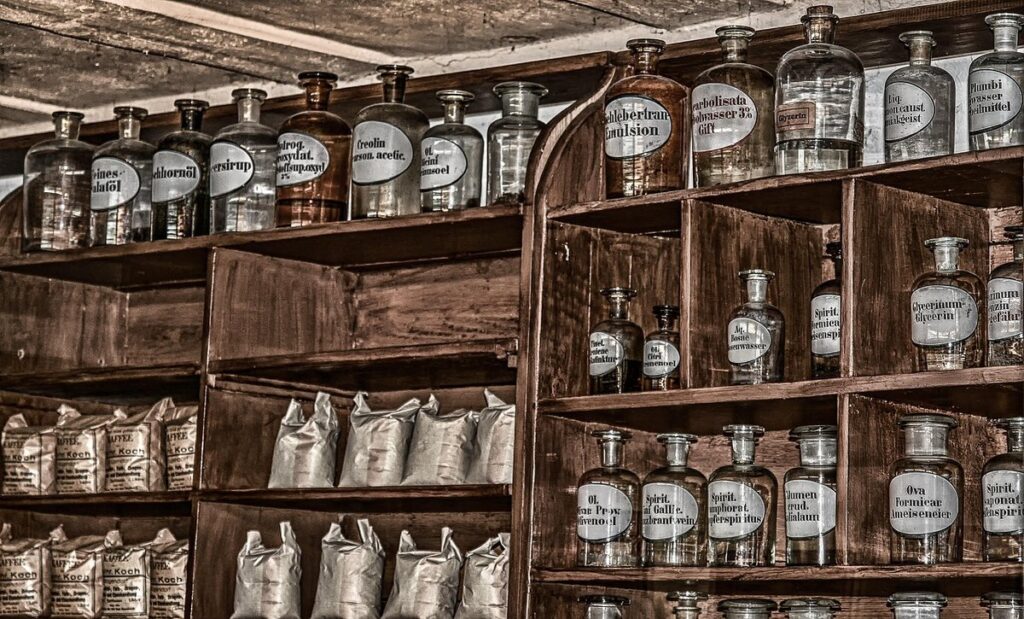
Contextualization is equally important as proper lighting. Antique bottles often come from specific industries or time periods, so consider grouping them by type or era. For example, a collection of 19th-century apothecary jars can be displayed together on a wooden shelf, creating a visually appealing vignette.
Avoid cluttering the surrounding area with too many objects; focus on the bottles as the main attraction. If displaying multiple bottles, use a consistent background color to create visual harmony. Consider using glass shelves or acrylic displays to minimize the visibility of any supporting structures and draw attention to the bottles themselves.
To add an extra layer of interest, pair antique bottles with period-specific items like old medicine labels, apothecary equipment, or vintage packaging materials. This creates a narrative around each bottle and invites viewers to engage more deeply with its history.
Frequently Asked Questions
Can I clean my vintage bottles to prevent breakage?
Yes, it’s essential to gently clean your antique bottles to remove dirt and grime that can weaken their glass. Use mild soap and lukewarm water for delicate cleaning, but avoid harsh chemicals or abrasive materials that might damage the glass.
How do I handle and store my valuable old bottles to prevent damage during a move?
When handling vintage bottles, support them from the bottom and use padding to protect against shocks and vibrations. For storage, wrap each bottle in bubble wrap or tissue paper before placing it in a sturdy box with sufficient packing material to prevent movement.
What if I find an old bottle with a manufacturer’s mark that doesn’t match any records online? Should I be suspicious?
Yes, if you can’t identify the manufacturer’s mark through research, it may indicate a reproduction or counterfeit piece. Look for other signs of authenticity, such as age-related wear or consistent construction quality.
Can I combine old bottles from different eras and styles in one display case, or should they each have their own section?
Combining antique bottles with distinct periods and designs can create an interesting narrative, but it may also detract from individual pieces. Consider grouping similar-era items together for a cohesive look while highlighting exceptional or historically significant pieces separately.
If I inherit a collection of old bottles but don’t know much about them, where do I start researching their value?
Begin by consulting reputable online marketplaces and antique bottle collector forums to get an idea of current prices and trends. Then, consult with experts in the field, either locally or through remote services, who can assess your bottles’ condition, rarity, and historical significance for a more accurate valuation.