
Moths are often overlooked in favor of their more showy counterparts, but these nocturnal creatures have a unique charm that can be observed up close with the right tools. A well-set-up light sheet is essential for effective moth observation, allowing you to study and identify species safely and efficiently. However, setting up a light sheet for moth observation requires careful consideration of equipment, lighting, and handling techniques to avoid stressing or harming the moths. You’ll also want to take steps to minimize environmental impact while attracting these delicate creatures. In this guide, we’ll walk you through the process of setting up a light sheet, including tips on UV lighting and identification techniques, as well as expert advice on safely attracting and handling moths. By the end of this article, you’ll be able to set up your own effective moth observation station using environmentally responsible methods.
Setting Up Your Light Sheet
Before you start observing those beautiful moths, let’s ensure your light sheet is set up properly to provide a safe and welcoming environment for these delicate creatures. Proper setup is crucial for effective moth observation.
Choosing the Right Equipment
When selecting a light source for moth observation, consider a high-intensity LED light with adjustable brightness. This will allow you to tailor the illumination to suit different moth species and reduce eye strain during extended viewing periods. A compact fluorescent lamp (CFL) can also be used, but LEDs are generally more energy-efficient.
UV filters are essential for attracting moths that rely on ultraviolet light for navigation. Use a UV-transmitting glass or acrylic filter with a 365nm wavelength to maximize the effectiveness of your light sheet. These filters are readily available online or at specialty stores catering to entomologists and researchers.
Additional equipment can enhance the moth observation experience. A camera-mounted microscope can provide high-resolution images of moths, while a data logger can help track temperature and humidity levels that may affect moth behavior. If you’re capturing specimens, consider using a small net or insect container with mesh screens to prevent escape and injury.
Creating an Inviting Environment
Positioning the light sheet near a wall or screen allows you to capture images of moths landing and flying without worrying about them escaping. Consider placing a dark-colored background surface behind the sheet, as moths will often land on it. This also makes it easier to observe their behavior.
Light placement is crucial for attracting nocturnal insects. Position the light source at an angle of around 45 degrees to the light sheet, rather than directly overhead. This helps create a more natural environment and prevents moths from being overwhelmed by direct illumination.
Including potential attractants like sugar or fruit near the light sheet can also increase moth activity. However, be cautious not to place them too close, as this may cause moths to become over-excited and fly erratically. A small dish of pure sugar water on a nearby surface is often sufficient for attracting various species. Some experts recommend adding a few pieces of ripe fruit like bananas or apples, but be aware that these can attract other pests, such as flies.
When placing attractants, consider the moth species you’re trying to observe and their individual preferences.
Attracting Moths with Light Spectrum
Understanding light spectrum is crucial for moth observation, as certain wavelengths can attract specific species, allowing you to observe a wider variety of moths.
Understanding UV Lighting
UV lighting is a crucial aspect of attracting moths to a light sheet. Most adult moths are attracted to ultraviolet (UV) light, which is invisible to humans. In fact, many species rely on UV radiation to navigate and find potential mates. The importance of UV light lies in its ability to stimulate the moth’s photoreceptors, triggering a response that draws them towards the light source.
Different wavelengths within the UV spectrum can influence attraction in various ways. For example, shorter wavelengths (typically 365nm) are more effective at attracting small moths and those with long antennae, while longer wavelengths (around 395nm) tend to attract larger species and those with shorter antennae. It’s also worth noting that some moth species may be repelled by certain UV wavelengths.
When setting up your light sheet, consider using a UV-rich source, such as a black light or LED strip specifically designed for entomology. Be aware that the type of UV light used can affect the number and variety of moths attracted to the area. Experiment with different setups to see what works best for you and the species you’re interested in observing.
Tips for Optimizing Light Intensity
When adjusting light intensity for moth observation, it’s essential to consider the specific needs of each species. Some moths are attracted to low-intensity lights, while others prefer brighter illumination. For instance, the rare hummingbird hawk-moth is drawn to soft, golden light, which mimics the warmth of flowers. In contrast, the large yellow underwing moth prefers a more intense white light.
To avoid over-illumination that may repel or harm moths, start by positioning your light sheet near a natural source of illumination, such as a window or a doorway. This will allow you to gauge the optimal light intensity for the specific species you’re observing. You can also experiment with different light intensities by adjusting the brightness of your light sheet or using filters to soften the light.
Avoid placing lights directly overhead, as this can create harsh shadows and make it difficult for moths to navigate around the light sheet. Instead, position lights at a 45-degree angle to minimize glare and create a more welcoming environment for moths. By adjusting light intensity in this way, you can attract a wider variety of moth species and enhance your observation experience.
Identifying Moth Species at the Light Sheet
At the light sheet, a variety of moth species congregate, and being able to identify them is crucial for any enthusiast. This is where attention to detail and knowledge of key characteristics come into play.
Basic Field Guide Information
When observing moths at a light sheet, you’ll encounter a diverse range of species from several distinct families. One common family is the Noctuidae, which includes approximately 35,000 species worldwide. These noctuids are often recognized by their stout bodies and feathery antennae. The genus Agrotis, within this family, contains species like the Large Yellow Underwing and the Autumn Green Carpet.
Another prominent family near light sources is the Geometridae, with over 25,000 described species. Geometrids tend to have narrow wings and a slender appearance, often featuring eyespots on their forewings for defense against predators. Genera such as Alsophila and Eupithecia are common within this family.
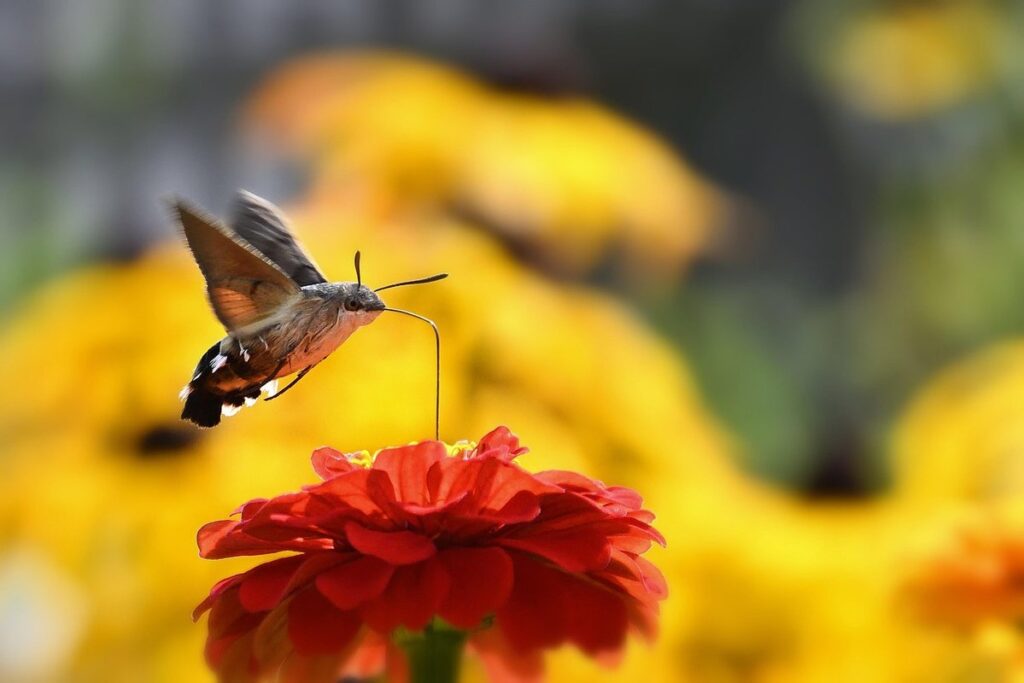
The Sphingidae family, comprising hawk moths, is also frequently encountered near light sources. These medium- to large-sized moths typically feature a stout body, long proboscis, and striking coloration or patterns on their wings. Species like the Hummingbird Hawk Moth and the Pipe Vine Sphinx are characteristic examples of this family.
When identifying these moth families and genera, consider the time of year, geographical location, and distinctive features of each species.
Advanced Techniques for Identification
When examining moths under a light sheet, experienced observers employ advanced techniques to accurately identify species. One such technique involves closely inspecting wing scales, which can reveal crucial details about a moth’s diet, habitat, and even its geographic distribution. For instance, the presence of certain scale patterns or colors may indicate that a moth feeds on specific plant families.
To examine wing scales effectively, observe them at different angles under high magnification. Note the shape, size, and arrangement of individual scales, as well as any distinctive features such as ridges or nodules. This information can be particularly useful when identifying species within certain genera, like the polyphagous Gelechiidae family.
Another advanced technique is to examine a moth’s genitalia, which often display unique characteristics that distinguish one species from another. This requires careful handling and dissection of the specimen, taking care not to damage delicate structures. Experienced observers will note the shape, size, and arrangement of the genitalia, as well as any distinctive features such as spines or setae.
In some cases, other specialized features may be necessary for accurate identification, such as examining a moth’s antennal structure or body setation.
Behavioral Observations at the Light Sheet
As you observe moths at the light sheet, pay close attention to their behavior and movements, which can reveal valuable insights into their habits and preferences. Note how they interact with each other in this unique environment.
Social Behavior of Moths
Moths often gather in impressive aggregations on light sheets, particularly those with a warm tone. These collections can range from just a few individuals to hundreds of moths, sometimes creating a mesmerizing spectacle for observers. A notable example is the lichen moth (Orthocnidia lichenaria), which frequently aggregates at mercury vapor lights.
During these gatherings, a hierarchical structure often emerges, with dominant males or females asserting their dominance over others. In some cases, this can lead to aggressive displays of dominance, such as aerial battles between males vying for mating rights. On the other hand, some species exhibit cooperative behavior, with individuals working together to maintain a stable temperature on the light sheet.
Observers can take advantage of these social behaviors by paying attention to the spatial dynamics within the aggregation. By noting which individuals appear dominant or subordinate, you may gain insights into the population’s composition and the factors influencing their behavior. Additionally, watching how moths interact with each other can provide valuable context for understanding their overall ecology.
Mating and Courtship Rituals
Some moth species display complex courtship behaviors near light sources. For instance, the Luna Moth (Actias luna) uses pheromones to attract mates, often releasing them from abdominal glands while fluttering its wings. In contrast, males of the Polyphemus Moth (Antheraea polyphemus) engage in a ritualistic dance, vibrating their wings and releasing pheromone trails that lead females to potential mates.
Other species, like the Hummingbird Hawk Moth (Macroglossum stellatarum), use sound as part of their courtship display. These moths produce a humming noise by rapidly moving their proboscis in and out while flying around lights. Some moth species also rely on visual cues, such as flashing lights or movement patterns, to attract mates.
When observing these behaviors at the light sheet, consider keeping a close eye on males, who often initiate courtship rituals. Note the specific pheromones or sound displays used by different species and the reactions of potential mates. By paying attention to these complex interactions, you can gain a deeper understanding of moth mating habits and improve your observations overall.
Safety Precautions and Best Practices
When observing moths at a light sheet, it’s essential to follow some basic safety guidelines to avoid injuries from live insects. Always use protective gear when handling specimens.
Handling Moths with Care
When handling moths at a light sheet, it’s essential to prioritize their safety and well-being. Moths are delicate creatures, and rough handling can cause them undue stress or injury. To avoid disrupting their natural behavior, handle them gently but firmly.
Begin by supporting the moth’s body with your thumb and index finger, making sure not to touch their fragile wings. You can also use a soft-bristled brush to carefully guide them into a container for closer observation. Avoid touching the moths’ antennae or legs, as these areas are particularly sensitive.
When releasing moths back into the wild, ensure they have enough clearance from the light sheet to fly freely without colliding with the equipment. It’s also crucial to release them in a location where they can easily find food and shelter. By handling moths with care and attention to their needs, you’ll not only promote their well-being but also enhance your observation experience at the light sheet.
Minimizing Environmental Impact
When observing moths at light sheets, it’s essential to consider the environmental impact of our actions. One key area for improvement is energy efficiency. Using LED lights instead of traditional incandescent bulbs can significantly reduce energy consumption and carbon emissions. For example, some popular LED light brands offer options that use up to 90% less power than their traditional counterparts.
Another strategy for minimizing environmental impact is to be mindful of attractant usage. This typically refers to the sugar or fruit solutions used to lure moths into observation areas. To reduce waste and minimize attractant-related pollution, consider using small, measured quantities or exploring alternative attractants like plant extracts. Some researchers have successfully employed banana peels as a cost-effective and biodegradable moth attractant.
When selecting lighting and attractants, look for products that prioritize sustainability and eco-friendliness. Many manufacturers now offer environmentally responsible options, such as recyclable packaging or sustainably sourced materials. By adopting these practices, we can not only reduce our environmental footprint but also contribute to a healthier environment for moths and other wildlife.
Frequently Asked Questions
Can I use LED light bulbs instead of traditional light sources?
Yes. LED bulbs can be an energy-efficient alternative to traditional light sources and may even enhance the attraction of moths due to their specific spectral output.
When choosing LED lights, consider selecting those with a high UV emission (around 365nm) for optimal moth attraction. Additionally, ensure that your LED lights have a warm-up time, as some species are more responsive to flickering or warm-up effects.
How long do moths usually stay at the light sheet before flying away?
The duration of moth visits can vary greatly depending on factors like species, temperature, and lighting conditions. Generally, most moths will remain near the light for several minutes to an hour before departing.
Some species may exhibit longer stays or even become trapped in aggregations, while others might fly in and out quickly. Be prepared to observe your moths’ behavior over time to appreciate these varying patterns.
Can I use a single light sheet for multiple nights without cleaning?
No. It’s crucial to clean the light sheet regularly to maintain the health and attraction of moths. Failing to do so may lead to reduced moth activity or even damage to the equipment due to accumulated debris.
When cleaning your light sheet, gently wipe it with a damp cloth to remove any sugar spills, dust, or other substances that might repel moths. This will help maintain an optimal environment for observation and attraction.
What if I notice unusual behavior in my moth population?
If you observe unusual behavior among your moths, such as aggressive interactions or failed mating attempts, it could be a sign of stress caused by over-illumination or other environmental factors.
Monitor the lighting conditions closely and consider making adjustments to the intensity or spectrum of the light. Additionally, research specific species behaviors to better understand their needs and adapt your setup accordingly.
Can I use multiple UV filters at once for enhanced moth attraction?
Yes, using multiple UV filters can further refine the spectral output and potentially attract a wider range of moths. When combining filters, choose those with complementary wavelengths (e.g., 365nm and 395nm) to create an optimal blend for attracting different species.
Keep in mind that excessive filtering may lead to reduced light intensity or altered color perception for the moths, so monitor their behavior and adjust your filter setup accordingly.