
Juvenile blue jays are a common sight in backyards and parks across North America, but despite their familiarity, many people struggle to identify these young birds. As you gaze out at the vibrant plumage of a juvenile blue jay perched on a branch, it’s easy to get caught up in their energetic antics, but have you ever stopped to think about what makes them tick? Understanding the development, habitat needs, and behavior of these young birds is crucial for both backyard bird enthusiasts and conservationists. In this comprehensive guide, we’ll take a closer look at how to identify juvenile blue jays, provide tips on creating a welcoming habitat for them in your yard, and explore the importance of conservation efforts to protect these magnificent creatures. By the time you finish reading, you’ll be equipped with the knowledge to care for and conserve juvenile blue jays.
Understanding Blue Jay Development
As you learn more about juvenile blue jays, it’s essential to grasp their development stages, from fledgling to young bird. This process typically takes several months and requires proper nutrition and care.
Life Cycle of a Blue Jay
A blue jay’s life cycle is a complex process that spans about 30-40 days from egg to fledgling. The journey begins with incubation, which lasts around 18-20 days. During this time, the female blue jay lays her eggs and sits on them to keep them warm. She’ll also take short breaks to forage for food and stretch her wings.
Once hatching occurs, the young birds will be blind and helpless, relying on their parents for sustenance and protection. They’ll grow rapidly, developing their feathers and learning essential survival skills within a few weeks.
At around 20-22 days post-hatching, the chicks’ eyes begin to open, and they start to venture out of the nest. This marks the beginning of the fledgling stage, during which they continue to rely on their parents for food but become more independent with each passing day. Fledglings typically leave the nest within 30-40 days of hatching.
It’s essential to note that the duration of a blue jay’s life cycle can vary depending on environmental factors such as temperature and food availability. Understanding these stages is crucial for proper identification, care, and conservation efforts.
Recognizing Juvenile Plumage
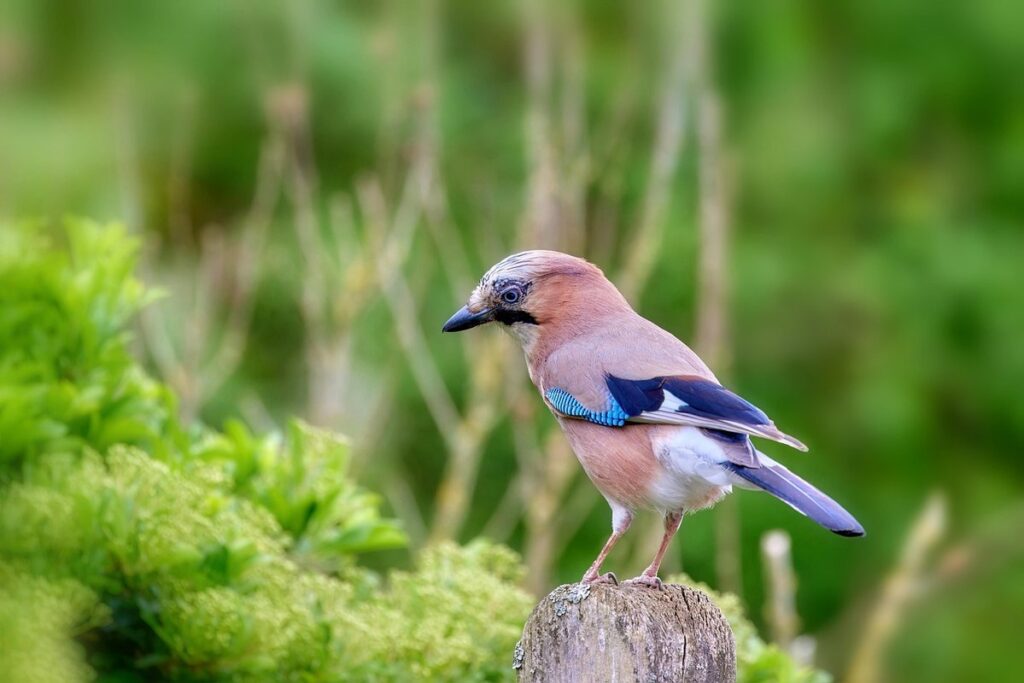
To recognize a juvenile blue jay, look for distinctive plumage characteristics. Juveniles have a mix of gray and white feathers on their head, neck, and body, creating a mottled appearance. The grayish-brown wings and tail are striped with white, giving them a speckled effect. In contrast, adult blue jays have bright blue and white feathers.
One way to identify juveniles is by the beak color: young birds have a light yellow or pale pink beak, while adults have a bright orange one. Juveniles also lack the distinctive crest of adult blue jays, which can help you distinguish between the two.
When observing a juvenile blue jay in the wild, take note of its size: they are slightly smaller than adults. The overall shape and proportions of the bird should be similar to an adult’s, but with a more subdued color palette. Keep in mind that juveniles may still have some downy feathers on their neck and body, giving them a slightly fluffy appearance.
Key Physical Differences Between Adults and Young
One of the most noticeable differences between adult and juvenile blue jays is size. Juveniles are typically around 10-12 inches long, whereas adults reach a length of approximately 11-13 inches. This slight variation may not be immediately apparent, but it’s essential to recognize when identifying young birds.
Beak shape also undergoes significant changes as the bird matures. Young blue jays have a more squared-off beak tip, which gradually becomes more tapered and pointed as they mature. Adults have a distinctive black stripe running along the edge of their lower mandible, whereas juveniles lack this characteristic marking.
Coloration is another crucial aspect to consider when distinguishing between adult and juvenile blue jays. Young birds often display a duller, grayer plumage with white wing bars, whereas adults sport vibrant blue and white feathers with a distinctive black necklace around the neck. Pay close attention to these differences in feather pattern and color intensity to accurately identify a juvenile blue jay.
Habitat and Nesting Preferences
Juvenile blue jays typically prefer densely forested areas for shelter, but they also often nest near human settlements, making them a common sight in backyards. Let’s take a closer look at their nesting habits.
Juvenile Blue Jay Home Range
Juvenile blue jays tend to inhabit a specific type of forest, typically one with a mix of deciduous and coniferous trees. This combination provides them with an abundance of food sources, including insects, fruits, and seeds. They often prefer areas with dense understory vegetation, such as shrubs and small trees, which offer shelter and protection from predators.
In terms of specific forest types, juvenile blue jays can be found in both temperate and boreal forests. However, they tend to avoid areas with high levels of human activity or disturbance. When exploring their home range, young blue jays will often follow the edges of clearings or meadows, where they can forage for food while minimizing their risk exposure.
The density of vegetation is also a crucial factor in determining a juvenile blue jay’s home range. They prefer areas with moderate to high levels of canopy cover, which provide them with protection from harsh weather conditions and predators. In general, juvenile blue jays tend to avoid open fields or areas with sparse tree cover, as these can leave them vulnerable to predation.
When observing juvenile blue jays in the wild, it’s essential to consider their habitat preferences when interpreting their behavior. By understanding the types of forests and vegetation densities that young blue jays inhabit, you can gain a better appreciation for their needs and adaptations.
Nesting Behavior and Site Selection
Juvenile blue jays participate in nesting behavior under the guidance of adult birds. When building a new nest, young birds often rely on existing structures, such as tree cavities or rock crevices. However, they also play a crucial role in gathering materials and constructing the nest itself.
During site selection, juvenile blue jays typically favor areas with dense foliage and proximity to food sources. They may also consider the safety of their chosen location, often avoiding open areas and instead opting for more secluded spots. A common nesting site is near water sources, such as streams or ponds, which provide a readily available source of drinking water and can help regulate the young birds’ body temperature.
In terms of nest architecture, juvenile blue jays often create cup-shaped nests using twigs, grasses, and other plant material. The adult blue jay will typically add a layer of soft materials, such as moss or feathers, to line the nest. This shared effort helps ensure the nest is both sturdy and comfortable for the young birds.
When selecting a nesting site, consider offering juvenile blue jays access to dense vegetation and water sources in your yard. Avoid using pesticides or other chemicals that could harm these young birds, and instead opt for integrated pest management techniques that promote a healthy ecosystem.
Impact of Environmental Factors on Juvenile Habitat Use
Climate change and human activity significantly impact juvenile blue jays’ habitat use. Rising temperatures alter food availability and distribution, forcing young birds to adapt their foraging strategies. For example, warmer winters may lead them to rely more on cached seeds and nuts instead of insects, which are often scarce during this period.
Urbanization and deforestation further limit available habitat and nesting sites. Juvenile blue jays in fragmented woodlands must navigate through human-dominated landscapes to find suitable breeding grounds. They often settle for suboptimal habitats due to the lack of alternative options.
Human activity also introduces invasive species, such as brown-headed cowbirds, which can destroy eggs or kill young birds. In some areas, pesticide use has contaminated food sources, affecting juvenile blue jays’ growth and development.
To mitigate these effects, consider creating blue jay-friendly habitats in your backyard. Plant native tree species that provide fruit and berries, and maintain a mix of deciduous and evergreen trees for year-round shelter. Avoid using pesticides, which can harm birds and other wildlife. By adapting our surroundings to the needs of juvenile blue jays, we can help them thrive despite environmental pressures.
Behavior and Social Interactions
As juvenile blue jays develop, you’ll notice significant changes in their behavior and social interactions, which can be fascinating to observe and understand.
Their unique personalities and quirks will begin to emerge as they learn important survival skills.
Learning from Adult Blue Jays
Juvenile blue jays rely heavily on their adult parents for learning essential survival skills and behaviors. When it comes to foraging, young birds often observe adults searching for food, noting the types of insects, seeds, and fruits they find edible. Parents may even lead their offspring to specific locations, teaching them which areas are most productive for foraging.
One critical skill that juvenile blue jays learn from their parents is predator avoidance. Adults will often alert their young to potential threats, such as hawks or owls, through warning calls and visual displays. Juvenile birds can then learn to associate these cues with danger, helping them develop a vital survival strategy.
In addition to foraging and predator avoidance, juvenile blue jays also learn important social behaviors from their parents. By watching adults interact with each other, young birds learn about dominance hierarchies, territorial boundaries, and cooperative behavior. This knowledge helps them navigate complex social dynamics within their own flocks as they mature.
Juvenile Blue Jay Communication
Juvenile blue jays employ a distinctive repertoire of vocalizations and visual displays to convey their needs and intentions. One notable aspect of juvenile communication is the use of high-pitched, repetitive calls to alert adults to potential threats or food sources. These vocalizations often serve as a means for young birds to initiate interactions with adults, such as begging for food or soliciting attention.
Visual displays also play a crucial role in juvenile blue jay communication. For example, when competing for resources or seeking social interaction, juveniles will frequently perform aerial displays, including rapid wingbeats and soaring maneuvers. These visual cues help young birds to signal their energy levels, aggression, or receptivity to interactions.
In addition to vocalizations and visual displays, juvenile blue jays also use body language to convey information to adults and other juveniles. Posture, facial expressions, and even preening behavior can all serve as important communication signals. By paying attention to these cues, adult blue jays can better understand the needs and intentions of their young.
Social Structure and Dominance Hierarchies
Juvenile blue jays are social birds that live in complex societies with established dominance hierarchies. These hierarchies are not as rigidly defined as those found in adult blue jay populations, but they still play a crucial role in determining access to food, mating opportunities, and other resources. In a group of juvenile blue jays, you may observe a dominant individual that leads the way to feeding sites or nesting areas.
Younger birds will often follow this leader, learning important survival skills and social cues. However, dominance hierarchies can shift as individuals mature and grow in size and strength. A bird’s position within the hierarchy is also influenced by its age, with older juveniles typically holding higher ranks than younger ones.
In a group of juvenile blue jays, you may see different levels of interaction between birds at various stages of development. For example, younger birds may engage in playful interactions like chasing and mobbing, while older juveniles may be more focused on acquiring food or establishing their dominance status. Observing these social dynamics can provide valuable insights into the behavior and needs of juvenile blue jays.
Care and Conservation
To ensure these beautiful birds thrive, it’s essential to understand how to provide proper care and conservation for juvenile blue jays. From nutrition to habitat maintenance, we’ll cover the key considerations.
Raising Orphaned Juvenile Blue Jays
When caring for an orphaned juvenile blue jay, it’s essential to provide a suitable environment that mimics its natural habitat. A spacious enclosure with adequate ventilation and protection from predators is crucial. The enclosure should be equipped with branches and twigs for perching and climbing, as well as a shallow dish of fresh water.
A diet rich in protein is vital for the young blue jay’s growth and development. Offer a high-quality commercial seed mix specifically formulated for birds, supplemented with fruits like berries, cherries, or apples. You can also provide mealworms, suet, or peanut butter to cater to its nutritional needs. It’s essential to avoid overfeeding, as this can lead to malnutrition and other health issues.
If the young blue jay is injured, it may require specialized care, such as bandaging or splinting. In most cases, however, orphaned juvenile blue jays can be rehabilitated with proper care and released back into the wild. When reintroducing the bird, choose a location that provides adequate food and shelter, and ensure the area is free from potential threats like cats, dogs, or other predators.
Habitat Restoration and Preservation Efforts
Preserving natural habitats is crucial for juvenile blue jays’ survival. As these birds rely heavily on their surroundings for food, shelter, and breeding grounds, it’s essential to implement conservation efforts that protect their habitat.
Restoring degraded or damaged areas can significantly benefit local ecosystems. For example, reintroducing native plant species, removing invasive vegetation, and creating artificial nesting sites can all contribute to a healthier environment. In areas where juvenile blue jays have been impacted by human activities, such as deforestation or urbanization, restoration efforts should prioritize the re-establishment of natural habitats.
In addition to restoration, preserving existing habitats is equally important. This involves protecting mature forests from logging and development, maintaining wetlands, and conserving grasslands. In these areas, it’s essential to minimize human disturbance, allowing juvenile blue jays to forage, roost, and breed without interruption.
Some effective conservation strategies include collaborating with local communities to establish protected areas, promoting sustainable land-use practices, and educating the public about the importance of preserving natural habitats. By working together, we can ensure that future generations of juvenile blue jays continue to thrive in their natural environment.
Community Engagement and Education Initiatives
Community-based initiatives are crucial for promoting education and awareness about juvenile blue jays and their ecological significance. Many organizations, such as wildlife refuges and nature centers, offer educational programs specifically designed for children and families to learn about these birds. These programs often include hands-on activities like bird-watching excursions, habitat restoration projects, and bird-banding demonstrations.
Some notable examples of community engagement initiatives include the Blue Jay Blitz, a citizen science project that encourages volunteers to report blue jay sightings and contribute to research on their populations. Additionally, some zoos and wildlife sanctuaries offer educational programs for schools and community groups, providing a unique opportunity for people to learn about juvenile blue jays up close.
For individuals looking to get involved in promoting education and awareness, consider partnering with local organizations or starting your own initiative. This could be as simple as creating a social media campaign to share interesting facts about juvenile blue jays or organizing a community clean-up event focused on habitat restoration.
Frequently Asked Questions
Can I keep an orphaned juvenile blue jay as a pet?
Yes, it’s possible to care for an orphaned juvenile blue jay temporarily, but releasing them back into the wild is essential. Consult local wildlife rehabilitation centers or experts on proper care and eventual reintroduction.
What if I notice multiple juvenile blue jays competing for food at my bird feeder? How can I ensure they get enough to eat?
It’s not uncommon for young birds to congregate around reliable food sources. Consider installing a separate bird feeder specifically designed for small birds, using feeders that can be easily cleaned and maintained.
Can I use human baby formula as a substitute for the specialized diet recommended in the article for orphaned juvenile blue jays?
No, using human baby formula is not suitable for young blue jays due to their specific nutritional needs. Consult with wildlife rehabilitation experts or follow established guidelines for feeding orphaned birds.
How can I contribute to local habitat restoration efforts that benefit juvenile blue jay populations?
Many organizations and community groups participate in habitat restoration projects. Research and contact local conservation groups, participating in events such as tree planting, invasive species removal, or habitat monitoring programs.
What if I notice a juvenile blue jay showing signs of disease or injury but it’s not injured enough to warrant capture by a wildlife expert? Can I still care for it until help arrives?
While well-intentioned, attempting to care for a sick or injured bird can sometimes do more harm than good. If you suspect a juvenile blue jay is ill or hurt, contact local wildlife rehabilitation centers or experts immediately for guidance on the best course of action.