
When you spot a robin in your backyard, chances are it’s a beautiful adult with its distinctive red breast. But have you ever stopped to think about where that bird came from? The juvenile robin is a fascinating creature, undergoing rapid physical development and learning essential survival skills as it grows into an independent adult. Born after a 12-day incubation period, these young birds emerge blind and helpless but are fed by their parents for several weeks. As they develop, they learn to forage for insects and seeds on their own, eventually migrating to new territories in search of food and potential mates. In this article, we’ll take a closer look at the juvenile robin’s life cycle, including its breeding habits, physical development, and conservation tips to ensure these amazing birds thrive. By the end of this article, you’ll have a deeper understanding of how to support these incredible creatures.
Characteristics and Identification
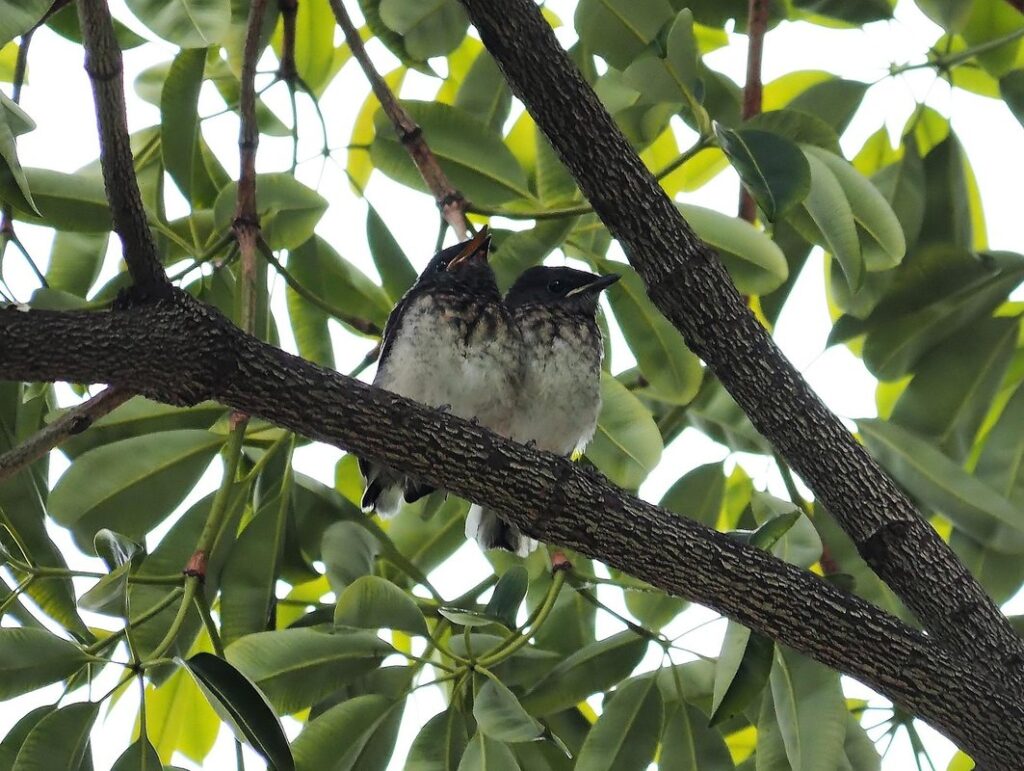
To identify a juvenile robin, it’s essential to look for distinctive characteristics that set them apart from their adult counterparts, as well as similar species.
Physical Development
As juvenile robins develop from hatchlings to fledglings, they undergo significant physical changes. One of the most noticeable transformations is feather growth. At hatching, robins are nearly naked, with only a few soft, downy feathers covering their bodies. However, as they grow and mature, they develop a full coat of feathers that helps them regulate their body temperature and protect themselves from the elements.
In addition to feather growth, juvenile robins also experience changes in beak shape and size. Their beaks are initially soft and pink, but as they begin to eat solid food, they harden and turn a darker color. The beak shape itself also becomes more pointed, allowing the young robin to efficiently forage for seeds, insects, and fruits.
As robins reach fledgling stage, their size increases dramatically. They can grow up to 50% larger than when they hatched, reaching lengths of about 6-7 inches (15-18 cm). This rapid growth is fueled by a diet rich in protein and fat from insects, worms, and other small prey.
Behavioral Changes
Young robins exhibit distinct behavioral changes as they mature from fledglings to independent adults. One notable difference is their foraging habits. Unlike adults, which often forage on the ground, juveniles tend to search for food in trees and shrubs, where insects and worms are more abundant. This adaptation allows them to exploit a different food source while avoiding potential predators.
Juveniles also engage in distinct social interactions. They often follow adult robins, learning essential survival skills by observing their behavior. In some cases, juveniles will even participate in communal foraging, gathering with other young robins to hunt and share food. This behavior is thought to be an important step in their development, as it teaches them the value of cooperation and resource sharing.
In terms of communication methods, juvenile robins rely more heavily on visual cues than adults. They use body language, such as posturing and wing-flicking, to convey messages and assert dominance. This visual approach is likely a result of their still-developing vocal skills, which won’t fully mature until they reach adulthood.
Nesting and Parenting
As you watch your juvenile robin’s behavior, it’s essential to understand how they learn crucial skills from their parents, such as foraging and predator avoidance. This section reveals the key roles mom and dad play in their young ones’ development.
Breeding Habits
Juvenile robins typically begin their breeding season around late spring to early summer, although this can vary depending on factors such as climate and geographic location. During courtship, male robins engage in a series of displays to attract females, including singing, aerial displays, and presenting food offerings.
One notable aspect of robin courtship is the importance of pair bonding. After selecting a mate, pairs form long-term bonds that can last multiple breeding seasons. In fact, many robins remain with their mates for several years, and some even mate for life.
To facilitate successful breeding, juvenile robins engage in behaviors such as territory defense and nest preparation. They will often work together to build complex nests using twigs, grasses, and other plant material. The female robin typically lays 3-5 eggs per clutch, which are incubated for approximately 12-14 days.
Robins breed in a monogamous fashion, with the male providing food and care for his mate and young during the breeding season. This cooperative behavior is essential to the robins’ reproductive success, allowing them to raise healthy chicks and ensure the continuation of their genetic lineage.
Parental Care
Both male and female robins play a crucial role in caring for their young. The female robin lays 3-5 eggs in the nest, which is typically cup-shaped and lined with plant material. Once the eggs hatch, both parents take turns incubating them, keeping them warm and safe from potential threats. After the eggs hatch, the male and female robin divide responsibilities: the female broods the young while the male brings her food. This cooperative behavior ensures that the female can devote more time to feeding and caring for their chicks.
In terms of feeding, both parents bring insects, worms, and other invertebrates back to the nest. They also begin to teach their young how to forage for themselves by bringing them partially eaten prey items. The male robin will often perch near the nest, watching for potential predators while the female feeds or broods the young.
To maintain a safe environment, both parents remain vigilant and alert for threats such as hawks, owls, and domestic cats. They’ll frequently change positions around the nest to ensure that their young are never left unattended. This shared responsibility allows juvenile robins to grow strong and healthy under the watchful eyes of both parents.
Foraging and Hunting Skills
To survive on their own, juvenile robins must learn essential foraging and hunting skills from their parents, which is a crucial phase of their development. We’ll explore how they master these vital survival techniques.
Learning to Hunt
Juvenile robins typically begin learning to hunt around 10-14 days after fledging, when their parents still provide some food. At first, they focus on catching small insects like aphids and caterpillars, which are abundant and relatively easy to catch. To develop this skill, juvenile robins watch and imitate their parents’ foraging behavior. They practice swooping, pouncing, and pecking at potential prey, gradually refining their technique.
Juvenile robins also learn to dig up earthworms by observing their parents’ digging behavior. They use their strong, pointed beaks to probe into soil and leaf litter, eventually developing the necessary strength and coordination to extract worms from underground burrows.
It’s essential for juvenile robins to develop these hunting skills quickly, as they soon become independent and must fend for themselves. Parents continue to provide some guidance and support during this critical period, but their role gradually diminishes as the young birds become more confident and proficient hunters. By mastering these basic foraging techniques, juvenile robins set themselves up for success in their future lives, when they’ll need to compete with other robins for food and resources.
Dietary Expansion
As juvenile robins mature, they gradually expand their diet to include a wider variety of food sources. Initially, they rely heavily on insects and worms, which are rich in protein and energy. However, as they grow and develop, they begin to explore other options. Fruits and berries become increasingly important, providing essential nutrients and antioxidants.
In the summer months, young robins start to incorporate more fruits into their diet, such as cherries, blueberries, and raspberries. They often forage in areas with an abundance of these food sources, like parks, gardens, or wooded areas. Berries are particularly appealing due to their high sugar content, which helps support the robins’ rapid growth.
As they continue to mature, juvenile robins also learn to exploit other food sources, including seeds, nuts, and even small invertebrates like snails and slugs. This dietary expansion is crucial for their development, allowing them to adapt to changing environments and capitalize on seasonal fluctuations in food availability. By observing and learning from their parents, young robins develop the skills necessary to navigate this complex food landscape and thrive as independent birds.
Migratory Patterns and Social Behavior
As young robins grow, they begin to establish their own migration routes and social habits, influenced by factors such as food availability and predator avoidance. Let’s take a closer look at how these patterns shape their daily lives.
Juvenile Migration
Juvenile robins typically migrate with their parents to new breeding grounds each spring. However, there’s a crucial point to note: not all juvenile robins make these journeys with their parents. Some, especially those born earlier in the season or in areas with abundant food, may begin their solo migration at an age of around 10-12 weeks.
Research suggests that young robins who migrate alone often face higher mortality rates than those traveling with experienced adults. This increased risk is likely due to several factors: inexperienced foraging strategies, unfamiliarity with new habitats, and vulnerability to predators in unfamiliar territory. For instance, a study found that juvenile robins migrating without parental guidance had lower body masses upon arrival at their destination, indicating inadequate food acquisition.
To ensure the survival of young robins, it’s essential for parents to teach their offspring essential migration skills, such as navigation and foraging strategies, before they set out on their own. If you’re a robin enthusiast or simply want to support these birds, consider creating bird-friendly habitats with abundant food sources in areas that are likely to be used by juvenile robins during their migrations.
Establishing Flocks
Young robins form social bonds with other birds through a process of gradual association and interaction. As they leave their natal territories, juvenile robins encounter other robins and species alike, often resulting in the formation of flocks. These groups typically consist of 5-20 individuals and provide essential protection and foraging opportunities.
Within these flocks, dominance hierarchies emerge as birds establish their place within the social structure. Submissive birds defer to more dominant individuals, who often control access to resources such as food and nesting sites. Dominant robins may also engage in aggressive behaviors like territorial displays and agonistic interactions to maintain their position.
To observe juvenile robins establishing flocks, look for areas with abundant food sources and suitable habitat. Birdwatchers can increase their chances of spotting these birds by visiting locations with dense vegetation, such as woodlands or parks with shrubbery. By understanding the social dynamics at play in these young bird communities, we can gain a deeper appreciation for the complex behaviors that shape their lives.
Threats to Juvenile Robins
Juvenile robins face numerous challenges as they grow and mature, including predators that see them as a potential meal. Let’s take a closer look at some of these threats and how they impact young robin survival rates.
Predation Risks
Juvenile robins face numerous predation risks as they forage for food and navigate their surroundings. Hawks and owls are two of the most common avian predators, skilled at swooping down on unsuspecting birds. These birds of prey often target juvenile robins near open fields or woodland edges, where their agility and sharp talons give them an advantage.
Foxes and domestic cats also pose a threat to juvenile robins. Foxes are opportunistic hunters that will scavenge for food in areas with high bird activity, while domestic cats are known to stalk and kill birds in backyards and parks. In urban areas, the presence of these predators can be mitigated by providing safe havens for juvenile robins, such as enclosed gardens or cat-free zones.
To minimize predation risks, it’s essential to create a safe environment for juvenile robins. This can be achieved by removing attractants like pet food and bird seed, which can draw in predators. Additionally, using deterrents like motion-activated sprinklers or ultrasonic repellent devices can help keep these predators at bay. By taking proactive steps, you can help protect these vulnerable birds and ensure their survival.
Habitat Loss and Fragmentation
Habitat loss and fragmentation are major concerns for juvenile robins. Deforestation, urbanization, and climate change contribute to reduced green spaces, making it challenging for young birds to find food and shelter. As forests are cleared for agriculture or development, trees that once provided berries, seeds, and insects for robin chicks disappear.
Urbanization also plays a significant role in habitat loss. Urban areas often have limited vegetation, reducing the availability of food sources. Additionally, urban environments can be noisy and polluted, making it difficult for robins to communicate and find mates. Climate change further exacerbates this issue by altering the distribution of plant and animal species, affecting the availability of food resources.
A study in a temperate region found that areas with high levels of deforestation had significantly lower robin populations. To mitigate these effects, consider creating bird-friendly habitats in your backyard or community garden. Plant native shrubs and trees that provide berries and seeds for robins, such as dogwood, hawthorn, and oak. Avoid using pesticides, which can harm birds and other wildlife. By taking small steps to preserve natural habitats, we can help ensure the survival of juvenile robins and their ecosystems.
Conservation Efforts and Tips for Supporting Juvenile Robins
As we’ve learned more about juvenile robins, it’s essential to consider how you can help protect these young birds and their habitats. Let’s explore some simple yet effective ways to support their growth and development.
Creating Bird-Friendly Habitats
Creating a backyard habitat that supports juvenile robins requires thoughtful planning and intentional design. Native vegetation is essential for attracting these birds, as they have co-evolved with specific plant species over time. Incorporating native trees, shrubs, and flowers into your yard will provide the necessary food, shelter, and breeding grounds for juvenile robins.
When selecting plants, prioritize those that produce berries, seeds, or nectar, which are crucial food sources for robins. Consider incorporating coniferous trees like pines or spruces, as well as shrubs like dogwood or hawthorn, which provide dense foliage for nesting and roosting. Additionally, native grasses and wildflowers can add visual appeal while also serving as a vital food source.
Reducing pesticide use is also crucial in creating a bird-friendly habitat. Many pesticides can be toxic to robins and other birds, so it’s essential to adopt integrated pest management techniques instead. This might involve using physical barriers, introducing beneficial insects, or practicing crop rotation. By making these simple changes, you can help create a welcoming environment for juvenile robins and support their development into healthy adult birds.
Community Involvement
Participating in local conservation efforts is a great way to support juvenile robins. Many birding organizations offer opportunities for volunteers to participate in citizen science projects, such as monitoring robin populations or tracking their migration patterns. These projects not only provide valuable data but also help raise awareness about the importance of conserving robin habitats.
For example, the National Audubon Society has a program called “Citizen Science” that allows individuals to contribute to bird research and conservation efforts in their local communities. You can participate by downloading their app, eBird, which guides you through bird surveys and helps you track your observations.
Volunteering with local birding organizations is another way to get involved. Many groups offer guided walks or bird counts where you can meet other enthusiasts and learn more about the robins in your area. Some organizations also offer opportunities for hands-on conservation work, such as restoring habitats or monitoring nest boxes.
Before getting involved, consider reaching out to local birding clubs or conservation organizations to see what opportunities are available. You can also check with your local park or nature reserve to see if they have any volunteer programs in place.
Frequently Asked Questions
Can I create a bird-friendly habitat in an urban area with limited space?
Yes, you can still create a welcoming environment for juvenile robins in small spaces like balconies or rooftops. Focus on providing native plants that offer berries and insects, and consider using vertical planters or hanging baskets to maximize space.
How long does it take for juvenile robins to develop their adult plumage after fledging?
Juvenile robins typically take several weeks to a few months to fully replace their juvenile feathers with adult plumage. During this time, they may still exhibit some of the physical characteristics mentioned in the article, such as a more rounded beak or shorter tail.
Are there any specific types of plants that I should avoid planting in my backyard if I want to support juvenile robins?
Yes, it’s best to avoid planting invasive species like English ivy or Japanese knotweed, which can harm native ecosystems and reduce food sources for juvenile robins. Instead, focus on native vegetation that offers berries, seeds, and insects.
What are some common mistakes people make when trying to attract juvenile robins to their backyard habitats?
One common mistake is using pesticides, which can harm the very birds you’re trying to attract. Another mistake is not providing a source of fresh water, such as a birdbath or shallow dish. Make sure to also offer a mix of native plants that cater to different stages of the robin’s life cycle.
Can I start creating a bird-friendly habitat in my backyard during any time of year, or are there specific seasons when it’s better to do so?
Yes, you can create a bird-friendly habitat at any time of year, but some seasons may be more beneficial than others. For example, planting native vegetation that produces berries and seeds in the spring will provide food for juvenile robins during their peak growth period.