
Geodes are nature’s most intriguing treasures, with their hollow interiors filled with sparkling crystals. You might stumble upon one on a hike or in a rock shop, but how do you know for sure that it’s a geode and not just any ordinary rock? Understanding the formation process of these natural wonders can give you an edge when identifying them. Geodes form over millions of years as minerals precipitate out of water, creating intricate crystal-lined cavities within the rock.
Identifying geodes is not only fascinating but also essential for collectors and enthusiasts who want to appreciate their true value. With so many rocks resembling geodes, it’s crucial to know how to extract, clean, and display them properly. In this article, we’ll explore advanced identification techniques that will enable you to confidently recognize geodes among other rocks. By the end of reading, you’ll be able to identify these natural wonders with ease and appreciate their beauty in your own collection.
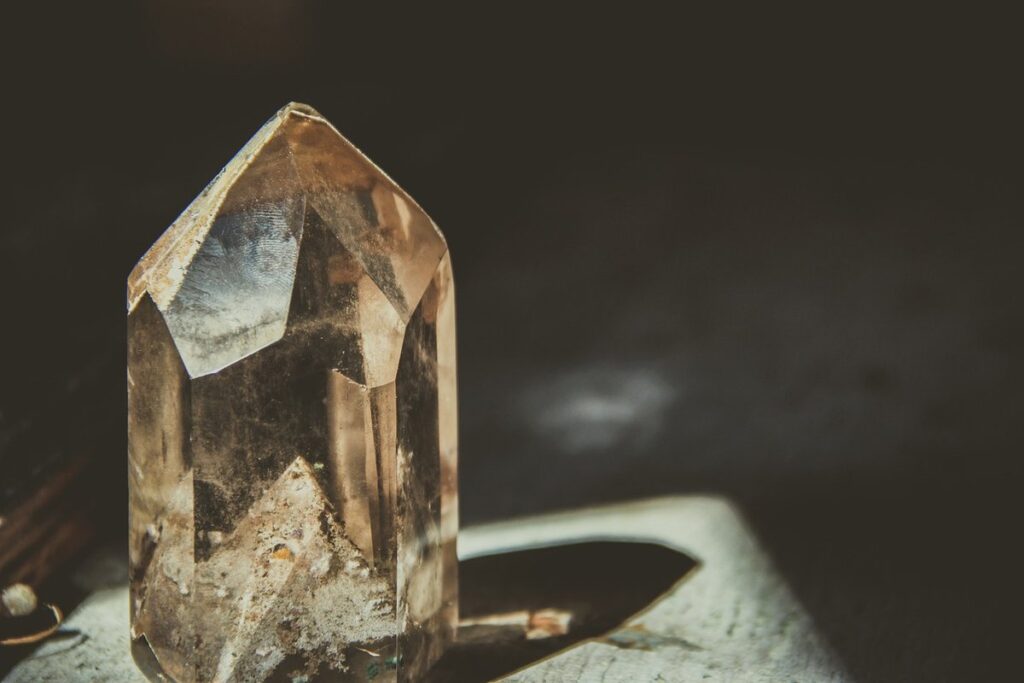
Understanding What a Geode Is
A geode is essentially a hollow rock formation that has been carved out by natural processes over thousands of years. It’s essential to understand what a geode looks like before you can identify one.
Defining Geodes and Their Formation Process
Geodes are hollow rocks lined with crystalline structures, often featuring vibrant colors and distinctive patterns. They form through a natural process involving mineral-rich water seeping into underground cavities, such as lava tubes or joints between rock layers. Over time, these fluids deposit minerals like quartz, calcite, or amethyst, gradually filling the cavity.
The formation of geodes is often tied to tectonic activity and volcanic regions, where the right conditions for this process are present. Water rich in dissolved minerals flows through underground channels, collecting within cavities that provide a stable environment. As more minerals are deposited, the walls of the cavity begin to thicken with crystalline formations.
The unique combination of mineral-rich water, stable cavities, and time is essential for geode formation. This process can occur over thousands or even millions of years, resulting in diverse shapes and structures within the rock. Understanding the geological context where geodes are found can provide valuable clues when trying to identify them.
Importance of Identifying Geodes
Identifying geodes is crucial for collectors and researchers alike. For collectors, the value of a geode lies not only in its aesthetic appeal but also in the potential for hidden crystals within. A well-preserved geode can command high prices at rock shops and auctions, making identification essential for those looking to build their collection. In addition, many collectors seek out specific types of geodes, such as amethyst or quartz-lined ones, which can significantly impact the price.
In science and industry, geodes have various uses beyond their monetary value. Geologists study geodes to gain insights into geological processes, such as volcanic activity and erosion patterns. The formation of geodes often provides clues about the Earth’s past conditions, making them valuable for paleoenvironmental research. Furthermore, geodes can be a source of rare minerals and crystals used in industrial applications, like electronics and construction materials. When examining a potential geode, look for distinctive shapes, such as rounded cavities or hollows, which may indicate hidden crystals.
Preparing for Geode Hunting
Before you head out to hunt geodes, it’s essential to prepare yourself and your gear for a successful and safe adventure. This involves learning how to identify potential locations and recognizing the warning signs of potential hazards.
Choosing the Right Location
When selecting a location for geode hunting, you need to consider geological formations. Look for areas with a history of volcanic activity or tectonic plate movement, as these environments can create conditions conducive to geode formation. Climate is also crucial – dry and arid regions tend to be more favorable than humid ones.
In terms of accessibility, it’s essential to choose locations that are feasible to reach. Research the terrain and consider whether you’ll need specialized gear or permits to access certain areas. For instance, if you’re planning to hunt in a remote desert region, ensure you have sufficient transportation and knowledge of navigation.
Geological formations like faults, folds, and volcanic fields can be indicators of geode-rich areas. Familiarize yourself with the local geology and study maps to identify potential targets. Additionally, consider consulting local experts or geologists for guidance on specific locations and their likelihood of hosting geodes. By carefully evaluating these factors, you’ll increase your chances of finding geodes in a location that suits your needs and skill level.
Necessary Equipment and Safety Measures
When venturing out to hunt for geodes, having the right equipment and safety measures is crucial. Start by investing in a good pair of gloves to protect your hands from blisters and cuts caused by rough terrain and jagged rocks. A rock hammer or geologist’s pick is also essential for prying open potential geode-bearing rocks without damaging them.
A hand lens, typically 10x magnification, allows you to examine the surface details of rocks more closely, which can be critical in identifying geodes. Consider bringing a portable magnifying glass as well for added convenience.
First aid kits are a must-have when exploring the outdoors, and geode hunting is no exception. Pack essentials like bandages, antiseptic wipes, and pain relievers to treat any minor injuries that may occur. Don’t forget to bring plenty of water and snacks to stay hydrated throughout your expedition. Additionally, be sure to let someone know where you’re going and when you plan to return, especially if you’ll be venturing into remote areas.
Recognizing Geodes in the Field
When searching for geode rocks, one of the most crucial skills to develop is recognizing them in their natural habitat. This involves observing subtle clues and patterns that distinguish geodes from other types of rock formations.
Identifying Potential Geodes
When searching for geodes, it’s essential to recognize potential candidates before collecting and cutting them open. Look for rocks with a rough, irregular surface or those that exhibit unusual patterns of coloration. Geodes often form in areas where there is limited access to water, resulting in the formation of cavities or voids within the rock.
Size can also be an indicator – while geodes come in various sizes, most are relatively small, typically ranging from a few inches to several feet in diameter. Shape-wise, geodes often resemble a rough sphere or irregular oval. Avoid rocks that appear too perfectly spherical, as these might be manufactured.
Pay attention to coloration: geodes frequently exhibit bands of color, with shades of brown, beige, and gray being common. If the rock has an unusual color pattern, it may indicate the presence of a cavity. Finally, inspect the texture – geodes often have a more porous or pockmarked surface than other rocks. Keep in mind that many factors can influence these characteristics, so use them as guidelines rather than hard-and-fast rules.
Testing for Hollow Cavities
When examining a potential geode in the field, it’s essential to test for hollow cavities. One way to do this is by listening for scratching sounds when running a probe or sharp tool along the rock’s surface. If you hear a hollow sound, it may indicate an empty cavity inside. However, this method can be misleading if the rock contains loose material or sediment.
A more reliable approach is to conduct a tapping test. Gently tap the rock with a hammer or similar object, and listen for the tone produced. A solid rock will produce a clear, ringing sound, while a geode with a hollow cavity may yield a dull thud. Be cautious not to strike too hard, as this can cause damage.
Some geologists also recommend using a metal detector to locate hollow cavities within geodes. This method is particularly useful for finding cavities that don’t produce a distinct scratching or tapping sound. Simply sweep the metal detector over the rock’s surface, and look for spikes in signal strength that might indicate an empty space inside. Remember that not all geodes will show up on a metal detector, so this technique should be used in conjunction with other methods.
Removing and Preparing Geodes
Now that you’ve identified a geode rock, it’s time to carefully remove any soil or debris from its surface, revealing its hidden interior. Next, you’ll learn how to prepare your geode for safe handling and further study.
Careful Extraction Techniques
When extracting geodes from rock formations, it’s essential to use careful techniques to avoid damaging them. Start by gently prying away loose rocks and debris with a hammer or chisel. This helps expose the geode without applying too much pressure on the surrounding stone.
Next, carefully score the rock face with a specialized tool like a geode pick or a steel scraper. This creates a weak point in the rock where you can safely break it away. However, avoid applying excessive force, as this can cause the geode to crack or shatter. Instead, use a series of gentle taps to help the rock break along your scored line.
It’s also crucial to identify any fragile or loose areas on the geode itself before attempting extraction. Inspect for cracks, weaknesses, or signs of decay that may indicate it’s more prone to breaking during removal. By taking these precautions, you can safely extract geodes without causing irreparable damage to their internal structures or risking injury.
Cleaning and Stabilizing Geodes
Cleaning and stabilizing geodes is a crucial step in preserving their integrity. Before handling geodes, gently brush away any loose debris with a soft-bristled brush to prevent scratching the surface. Next, soak the geode in warm water for several hours or overnight to loosen dirt and grime. A mild dish soap can be added to the water if needed, but avoid using harsh chemicals that might damage the rock’s surface.
To stabilize the geode, you can use a sealant specifically designed for minerals and rocks. Apply the sealant according to the manufacturer’s instructions, making sure it’s evenly coated and doesn’t pool in any crevices. This will help prevent water from seeping into the rock’s cavities and causing damage or decay.
It’s essential to note that geodes can be quite fragile, so handle them with care to avoid chipping or cracking. After cleaning and stabilizing, inspect the geode for any visible signs of damage or decay. If you notice any cracks, fissures, or soft spots, it’s best to err on the side of caution and store the geode separately from other specimens.
Advanced Identification Techniques
Now that you’ve learned the basics of geode identification, let’s take it to the next level by exploring advanced techniques for distinguishing between different types of geodes. This includes analyzing mineral composition and patterns within the rock.
Microscopic Examination
Using a microscope is a crucial step in examining geode cavities, crystals, and other internal structures for more precise identification. This technique allows you to zoom in on specific features that may be difficult or impossible to see with the naked eye.
When examining geodes under a microscope, look for characteristic crystal growth patterns, such as cubic or octahedral shapes. These patterns can help distinguish between different types of crystals, like calcite or quartz. For example, calcite often forms in a scalenohedral pattern, while quartz typically grows in a prismatic shape.
To prepare geodes for microscopic examination, gently break off a small piece of the rock and mount it on a microscope slide using a suitable adhesive, such as epoxy resin. Be sure to clean the sample thoroughly before mounting to avoid any debris or residue affecting your observations.
Microscopes with high magnification capabilities (100x to 400x) are ideal for examining geode crystals. Look for features like crystal faceting, growth striations, and any signs of twinning or inclusions. By carefully observing these details, you can gain valuable insights into the geode’s mineral composition and structure, ultimately aiding your identification efforts.
Chemical Testing and Analysis
Chemical testing and analysis can be a valuable tool for identifying specific minerals within geodes. One common method is X-ray fluorescence (XRF) spectroscopy, which uses an intense beam of X-rays to excite the atoms in the sample, causing them to emit characteristic X-rays that are then measured by a detector. This information can be used to identify the presence and abundance of certain elements, such as calcium or iron.
For example, if you suspect a geode contains calcite, XRF analysis can help confirm this by detecting the presence of calcium ions. Similarly, if you’re looking for evidence of quartz, XRF can detect silicon and oxygen ions. However, it’s essential to note that XRF is not 100% accurate and may require additional testing or verification.
Another method, X-ray diffraction (XRD), involves measuring the way X-rays scatter off the sample’s crystal structure. This information can help identify minerals based on their unique crystal patterns. By combining XRF and XRD analysis, you can gain a more comprehensive understanding of your geode’s mineral composition.
Displaying and Preserving Geodes
Now that you’ve found a geode, it’s essential to showcase its beauty while keeping it intact for years to come. Displaying and preserving your newly discovered geode requires careful consideration of its delicate inner structures.
Display Options for Geodes
Displaying geodes can be just as important as preserving them. You have several options to showcase these beautiful rocks without compromising their integrity. Glass cases are a popular choice for displaying geodes, as they offer protection from dust and moisture while allowing you to appreciate the rock’s interior.
When selecting a glass case, consider one with a transparent or lightly tinted front panel to minimize reflections. Avoid cases with overly decorative frames that may obstruct your view of the geode. Place the geode on a pedestal or riser within the case to create visual interest and make it easier to observe from multiple angles.
Alternatively, you can use a wooden pedestal to display your geode. Choose a sturdy base made from durable wood, such as oak or maple, and select a size that complements the geode’s scale. Consider adding a small shelf or tray underneath the pedestal to store accompanying materials like labels or educational resources. If you have limited floor space, consider wall mounts designed specifically for geodes. These often feature a secure clamping system that allows you to easily attach and detach the rock.
Tips for Long-Term Preservation
To preserve geodes for long-term display, it’s essential to maintain a stable environment. Store them away from direct sunlight, moisture, and extreme temperatures. A cool, dry place with minimal air circulation is ideal. Avoid displaying geodes near heating vents or radiators.
When handling geodes, avoid touching the crystalline interior, as oils from your skin can damage the structure over time. Instead, handle them by their exterior surfaces. If you must clean a geode, use a soft-bristled brush and mild soap solution to gently remove dirt and debris. Avoid using harsh chemicals or abrasive materials that could scratch the surface.
Regularly inspecting your geodes for signs of wear can also help prevent damage. Check for any changes in color, texture, or weight. Some geodes may develop cracks or fissures due to natural processes like weathering or mining activities. Address these issues promptly by consulting a professional if necessary. By taking these precautions, you can enjoy your geode collection for years to come without compromising their integrity.
Frequently Asked Questions
Can I find geodes in my backyard?
Yes, it’s possible to find geodes in your own backyard, especially if you live in an area with suitable geological formations. Geodes often form in areas with limestone, dolomite, or other sedimentary rocks that are rich in minerals like quartz and calcite.
What if I find a geode but I’m not sure how to extract it without damaging it?
When extracting a geode from rock, start by gently loosening the surrounding stone using a rock hammer. Then, carefully pry the geode loose, working your way around its edges. Use a soft-faced mallet or a geode pick for added protection against damage.
Can I use a metal detector to find geodes?
Yes, you can use a metal detector to locate geodes, especially those with hollow cavities that contain metallic minerals like pyrite or galena. However, be aware that some geodes may not have conductive minerals and therefore won’t trigger a metal detector.
How long do geodes typically last if I display them in a glass case?
Geodes can last for many years when properly displayed and maintained. Avoid exposing your geodes to direct sunlight or extreme temperatures, which can cause color loss, cracking, or damage to the crystals. Clean your geodes occasionally with a soft brush and mild soap to prevent dust buildup.
Can I use a microscope at home to examine geode cavities?
You don’t necessarily need a high-end microscope to examine geode cavities. A handheld magnifying glass (about 10-20x power) can be sufficient for spotting small crystals or other internal structures. However, if you’re serious about advanced identification, consider investing in a higher-powered microscope with more precise controls and illumination options.