
A Victorian-style hallway table can be just the thing to elevate your home’s entrance from ordinary to extraordinary. You may have seen them in grand estates or historic mansions, but these elegant pieces can also bring a touch of sophistication to any style of home. The intricate carvings, ornate details, and rich finishes of a Victorian-style hallway table are designed to make a statement, and with the right design elements, materials, and finishes, you can choose one that perfectly complements your home’s unique aesthetic. But selecting the perfect piece for your hallway isn’t just about aesthetics – it’s also about functionality and durability. In this article, we’ll explore expert advice on how to select and style a Victorian-style hallway table that adds elegance and sophistication to your home.
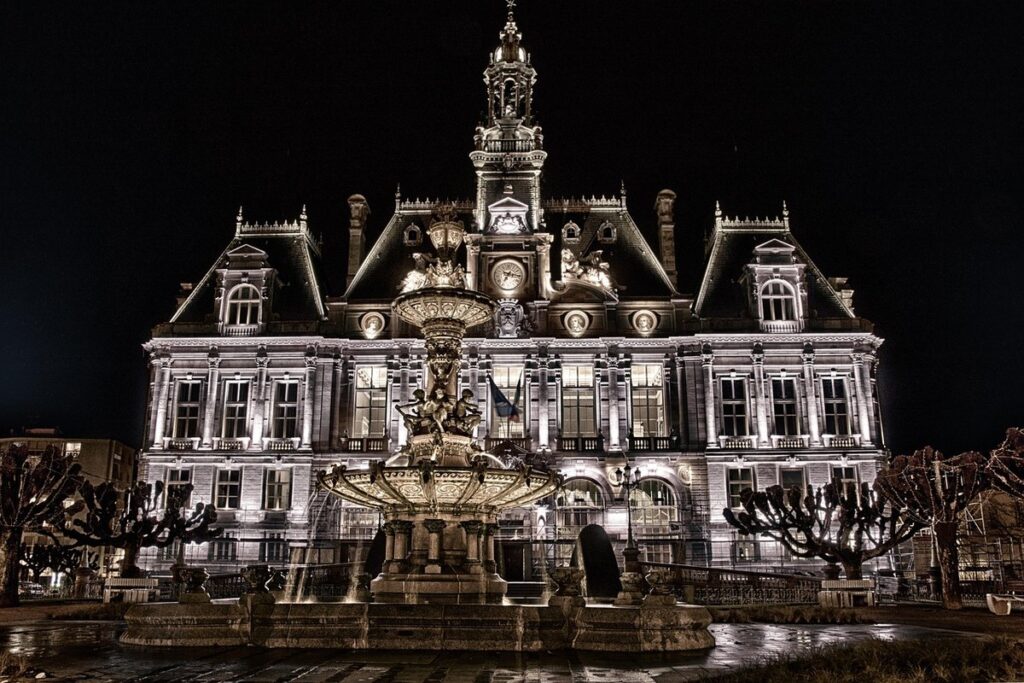
Designing Your Perfect Victorian Style Hallway Table
Now that you have a sense of the style, let’s focus on designing your perfect Victorian hallway table to perfectly complement your home’s aesthetic. We’ll explore key elements to consider for a beautiful and functional piece.
Choosing the Right Size and Shape
When selecting a Victorian style hallway table, it’s essential to consider the space constraints of your hallway. Measure your hallway carefully, taking into account not only its length and width but also the location of doorways, windows, and any other obstacles. A general rule of thumb is to leave at least 12-18 inches of clearance on either side of the table for easy navigation.
In terms of shape and size, Victorian style hallway tables come in a variety of forms. Console tables are a popular choice, often featuring a narrow profile that fits comfortably against walls. Console cabinets offer additional storage, which can be particularly useful in hallways with limited closet space. Consider a rectangular or oval-shaped table to create a sense of flow and visual interest.
Remember, the hallway table should complement the existing architecture, rather than compete with it. Take note of your home’s original features, such as moldings and archways, and choose a table that will enhance these elements without overwhelming them. By carefully considering space constraints and style options, you can create a beautifully proportioned Victorian-style hallway table that serves both form and function.
Understanding Victorian Era Influences
The Victorian era was characterized by an opulent and ornate aesthetic, which is reflected in its furniture. Intricate carvings, often featuring floral motifs or scrollwork, were a hallmark of the style. These carvings not only added visual interest but also served as a form of storytelling, conveying the owner’s status and taste.
Ornate details such as gilded hardware, carved moldings, and inlays of precious materials like ivory and mother-of-pearl further emphasized the luxury of the pieces. Rich woods like oak, walnut, and mahogany were prized for their dark, velvety tones, which added depth and warmth to a room.
To incorporate these influences into your hallway table design, consider combining carved wooden legs with an intricately patterned glass top or inlay. Alternatively, add ornate details such as gilded hardware or carved moldings to an otherwise simple design. When choosing materials, opt for high-quality woods that can be stained to bring out their natural beauty. By thoughtfully incorporating these key elements, you can create a hallway table that captures the essence of Victorian-era furniture while still feeling modern and sophisticated.
History of Hallway Tables in the Victorian Era
During the Victorian era, hallway tables evolved from simple storage consoles to intricately designed pieces that showcased the homeowner’s taste and status. Let’s take a closer look at their historical development.
The Evolution of Hallway Furniture
During the Victorian era, hallway furniture underwent significant changes to reflect the growing middle class’s desire for elegance and sophistication. One notable trend was the rise of console tables as a staple piece in middle-class homes. These compact tables, often placed against a wall or under a window, served both functional and decorative purposes. They typically featured ornate carvings, intricate details, and luxurious materials like mahogany or walnut.
The selection of hallway furniture became an essential aspect of social status and wealth. The most affluent households favored grand, imposing pieces with heavy carvings, while the middle class opted for more restrained designs that still conveyed a sense of refinement. Console tables often featured elaborate mirror-backs, which were not only aesthetically pleasing but also served as a practical means to add the illusion of space.
To achieve a similar effect in your own Victorian-style hallway, consider choosing a console table with a delicate yet detailed design. Opt for materials that reflect the era’s emphasis on luxury and craftsmanship, such as polished wood or ornate metalwork.
Notable Designers and Manufacturers
Thomas Chippendale and George Hepplewhite were two prominent designers who significantly contributed to the evolution of Victorian-era hallway tables. Their work showcased a blend of neoclassicism and rococo styles, influencing the aesthetic of these pieces. Thomas Chippendale’s designs emphasized clean lines, symmetry, and minimal ornamentation, while George Hepplewhite focused on intricate carvings, bold curves, and a sense of opulence.
Notable manufacturers from this era included Gillows, Thomas Chippendale & Co., and George Hepplewhite & Co. These companies played a crucial role in mass-producing hallway tables that adhered to the designs of renowned cabinetmakers like Chippendale and Hepplewhite. This collaborative approach between designers and manufacturers led to the widespread availability of high-quality hallway tables, making them accessible to the growing middle class.
The influence of these designers and manufacturers can be seen in the distinctive characteristics of Victorian-era hallway tables, such as ornate carvings, rich woods, and classical motifs. By studying their designs and philosophies, collectors and enthusiasts can better understand the evolution of these iconic pieces and make informed decisions when selecting or restoring a hallway table from this era.
Materials and Finishes for Your Victorian Style Hallway Table
When it comes to selecting materials and finishes for your hallway table, you’ll want to choose ones that enhance its unique character while fitting in seamlessly with the rest of your home’s décor. Consider rich woods and elegant metallic accents.
Traditional Wood Options
When it comes to traditional wood options for a Victorian-style hallway table, several types were popular during the era. Oak is one of the most recognizable choices, prized for its rugged, open grain and ability to withstand heavy use. Walnut, with its rich, dark color and subtle figuring, was also highly sought after. Mahogany, meanwhile, boasted a distinctive red or reddish-brown hue that added warmth to any room.
To incorporate these traditional woods into your hallway table design, consider their inherent characteristics. Oak can be stained to enhance its natural beauty, while walnut is often left unstained to showcase its rich tones. Mahogany, with its slightly softer grain, may require more care in finishing and maintenance. In terms of specific design elements, look for features like curved legs, ornate carvings, or intricate inlays – all hallmarks of traditional Victorian furniture making.
For a truly authentic look, pair your chosen wood type with classic metalwork, such as brass or bronze hardware. This will add a touch of elegance and sophistication to your hallway table while tying it neatly into the era’s aesthetic.
Modern Materials and Finishes
Veneer and laminate can be used to create a Victorian-inspired look without breaking the bank. Veneer is a thin layer of wood applied over a substrate, offering a cost-effective alternative to solid wood. It’s available in various patterns and stains, allowing you to achieve the intricate designs characteristic of Victorian furniture.
However, veneer has its drawbacks: it can be prone to peeling or flaking, especially if subjected to heavy use. Distressed finishes can help conceal these flaws, but they may not be suitable for high-traffic areas. Laminate, on the other hand, is highly durable and resistant to scratches and fading. It’s often used in commercial settings due to its ease of maintenance.
When choosing a distressed finish, consider the style you’re aiming for: ornate Victorian patterns require bold, dark stains, while lighter finishes are better suited for more subdued designs. Keep in mind that distressing can be done with various materials, including laminate and veneer.
Tips for Decorating Your Victorian Style Hallway Table
Add a touch of elegance to your hallway table by incorporating vintage vases, intricately patterned rugs, and ornate picture frames that reflect the opulence of the Victorian era. These decorative tips will elevate your space’s charm.
Adding Ornate Details
Carvings can be a beautiful and distinctive feature of Victorian-style hallway tables. To achieve intricate carvings, you’ll need a high level of craftsmanship and the right tools. Traditional techniques involve using chisels and gouges to carve intricate patterns and designs into the wood. Consider hiring a skilled carpenter or furniture restorer who has experience with period-specific details.
Inlays can also be used to add ornate details to your hallway table. This involves inserting small pieces of material, such as wood, metal, or mother-of-pearl, into recessed areas on the surface of the table. You can choose from a range of materials and patterns to match your desired aesthetic. Some popular inlay techniques include marquetry, which involves arranging small pieces of wood in intricate designs, and stringing, which uses thin strips of material to create decorative borders.
When selecting materials for inlays or carvings, consider the overall style and tone you want to achieve. For example, mother-of-pearl can add a touch of luxury and sophistication, while carved wooden leaves might evoke a more rustic feel. Think carefully about how each element will contribute to the overall appearance of your hallway table.
Balancing with Modern Decor
When combining a Victorian-style hallway table with modern decor, it’s essential to strike a balance between period authenticity and contemporary flair. To achieve this, consider mixing traditional and modern pieces throughout the space. For instance, pair a ornate, antique vase on the table with a sleek, minimalist floor lamp or a console table with clean lines. This juxtaposition of styles creates visual interest without sacrificing the integrity of the Victorian piece.
In terms of texture, combine smooth, polished surfaces with intricate carvings or ornate details on the hallway table. A richly patterned rug can add warmth and depth to the space while also tying together disparate elements. When it comes to color, look for ways to harmonize bold, bright hues with more subdued tones. For example, a vibrant red vase can be paired with a neutral-colored wall or a deep blue area rug that grounds the space.
To maintain period authenticity, focus on updating the table’s surroundings rather than altering the piece itself. This approach ensures that the Victorian-style hallway table remains the focal point of the space while still feeling connected to its modern environment.
Installation and Maintenance of Your Victorian Style Hallway Table
To ensure your hallway table remains a stunning centerpiece, proper installation is crucial, followed by regular maintenance to preserve its original charm. Let’s cover those essential steps together.
Measuring and Installing
Proper measurement and installation are crucial for a Victorian style hallway table to not only look its best but also provide a functional surface. A level table is essential for safety, as an uneven one can cause items to fall off or even tip over.
To ensure accurate measurements, measure the width of your hallway at multiple points, taking into account any obstructions such as door handles or radiators. Compare these measurements to the dimensions of your table, considering not only length but also depth and height. A small margin for error will help you gauge whether the table will fit comfortably in its intended location.
When installing the table, use a spirit level to ensure it is perfectly horizontal. If possible, position the table near an electrical outlet or use a long cordless drill to avoid cables trailing across the floor. Secure the table firmly to the wall using wall anchors or screws to prevent it from shifting over time.
Caring for Finishes and Materials
To maintain the integrity of your Victorian style hallway table’s finishes and materials, it’s essential to adopt a regular cleaning routine. For polished surfaces such as wood or metal, use a soft cloth and a gentle cleaning solution specifically designed for that material. Avoid using harsh chemicals or abrasive cleaners, which can scratch or damage the finish.
For waxed or oiled finishes, use a clean cloth to apply a small amount of the original wax or oil to maintain the protective barrier. This will help prevent drying out and cracking over time. If you notice any scuff marks or scratches, apply a touch-up polish or wax according to the manufacturer’s instructions.
When polishing, work in circular motions with a clean, soft cloth to avoid creating swirl marks. Regularly inspect your table for signs of wear, such as fading or discoloration, and address them promptly. By following these simple care tips, you’ll be able to maintain the beauty and integrity of your hallway table’s finishes for years to come.
Conclusion: Bringing Victorian Elegance to Your Hallway
Now that you’ve chosen your perfect Victorian style hallway table, let’s bring everything together with some final design tips. We’ll cover the key elements needed to create a stunning entrance hall.
Recap of Key Design Elements
In bringing Victorian elegance to your hallway, several key design elements have been discussed throughout this guide. The classic silhouette of a Victorian-style hallway table is often characterized by clean lines, ornate details, and a stately presence. When selecting a piece, consider the scale of your space: look for tables with legs that are proportional to the room’s dimensions. A small, delicate table may be overwhelmed by a grand foyer, while a large one may dominate a cozy entrance.
The style also often incorporates rich wood tones, such as mahogany or walnut, and ornate metalwork details like bronze or brass. Don’t be afraid to mix and match these elements with other design components to create a unique look that suits your home’s aesthetic. When placing the table, consider the surrounding decor: pair it with a console mirror to create a sense of symmetry, or use it as a base for a beautiful vase or floral arrangement.
Ultimately, the key to effectively integrating a Victorian-style hallway table into your home is to strike a balance between formality and personality. By thoughtfully selecting a piece that complements your space and incorporating it into a cohesive design plan, you can add a touch of timeless elegance to your entranceway.
Final Tips for Creating a Timeless Look
To create a timeless look that effortlessly blends period charm with modern functionality, consider the overall aesthetic you’re aiming for. A good rule of thumb is to stick to neutral color palettes and classic patterns like damask or stripes, which were staples during the Victorian era.
When it comes to choosing complementary furniture, opt for pieces that reflect the same level of craftsmanship and attention to detail as your hallway table. For example, pair a beautifully carved wooden console table with ornate metalwork lamps and a plush armchair upholstered in rich, jewel-toned velvet.
To further enhance the period charm, consider selecting artwork that complements the era’s aesthetic. Opt for prints or paintings featuring floral patterns, botanical illustrations, or landscapes evoking the English countryside. These elements will not only add visual interest but also help tie the space together. By balancing these classic touches with modern functionality, you’ll create a look that remains timeless and elegant for years to come.
Frequently Asked Questions
What if I have a narrow hallway? Can I still choose a large Victorian-style hallway table?
Yes. While it’s true that a larger table may overwhelm a narrow space, you can still opt for a bigger piece if you choose a more minimalist design and balance it with other elements in the room, like mirrors or wall art. Consider a console cabinet instead of a traditional console table to maximize storage while maintaining an open feel.
How do I add intricate carvings to my Victorian-style hallway table?
To achieve intricate carvings on your Victorian-style hallway table, consider working with a professional woodcarver or purchasing a pre-carved piece from a reputable manufacturer. Alternatively, you can use inlays and other decorative techniques to create the desired look without excessive carving.
Can I mix modern and Victorian-era styles when choosing fixtures for my hallway table?
Yes. In fact, combining elements from different eras can result in a unique and captivating look. For example, pair a vintage-inspired console cabinet with modern lighting fixtures or a minimalist vase to balance period charm with contemporary flair.
What if I’m not skilled at polishing and refinishing wood finishes? Can I still maintain my Victorian-style hallway table?
Yes. If you’re unsure about maintaining the finish on your Victorian-style hallway table, consider hiring a professional furniture restorer or upholsterer who can handle delicate tasks like polishing and touch-ups. Additionally, many manufacturers offer maintenance services or recommendations for specific products.
How do I know when to opt for a distressed finish versus a traditional one?
Choose a distressed finish if you want to create a vintage look with minimal effort. If you prefer a more authentic appearance that reflects the era’s rich materials and craftsmanship, consider opting for a traditional finish in wood like oak or walnut.