
The sound of a heavy brass knocker on a Victorian-style door is unmistakable, evoking images of grand mansions and elegant entranceways. But beyond their ornate designs and rich history, these door knockers serve a practical purpose: to announce one’s arrival in style. For many homeowners, restoring or replicating a Victorian-style door knocker can be a challenging task, but the end result is well worth the effort. Not only do these knockers add a touch of elegance to your home’s exterior, but they also pay homage to a bygone era of craftsmanship and attention to detail. In this article, you’ll learn about the significance of Victorian-style door knockers, from their origins to modern applications, and discover how to restore or replicate them for a timeless look that will elevate your home’s curb appeal. By the end of this guide, you’ll be able to identify and maintain these beautiful door decorations with confidence.
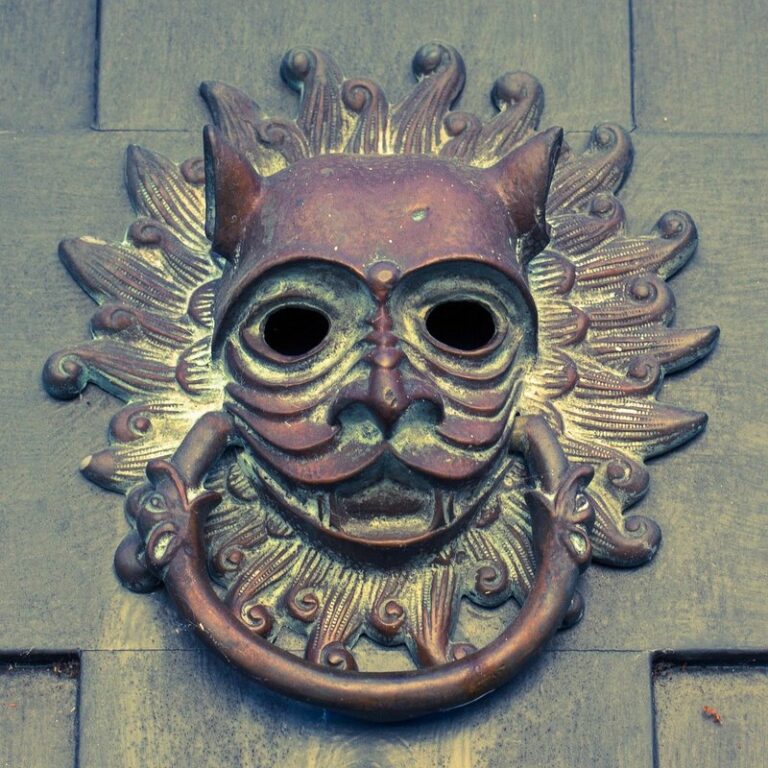
History of Door Knockers in the Victorian Era
During the 19th century, door knockers became a staple on Victorian homes, reflecting the era’s love for ornate details and grandeur. Let’s take a closer look at their fascinating history.
Origins and Evolution of Door Knockers
Door knockers have a rich history dating back to ancient civilizations, where they served as a means of announcing visitors and providing security. The Romans, for instance, used door knockers made from bronze or iron to alert household members to incoming guests. During the Middle Ages, door knockers became more widespread in Europe, particularly among the wealthy, who adorned them with intricate designs and symbols.
However, it was during the Victorian era that door knockers reached new heights of opulence and elegance. British craftsmen began to create elaborate door knockers featuring mythical creatures, coats of arms, and other ornate motifs. These door knockers not only served as functional objects but also became a reflection of the homeowner’s status and wealth.
As the Victorian era progressed, door knocker designs continued to evolve, with the introduction of more intricate details and materials such as copper and brass. The evolution of door knockers during this period was closely tied to changes in British society and culture, including the rise of industrialization and urbanization.
Influence of Victorian Architecture on Door Knocker Design
Victorian architecture’s influence on door knocker design is evident in its ornate details and intricate patterns. Characterized by an abundance of curves, florals, and scrollwork, these designs reflected the era’s emphasis on opulence and elegance.
Door knockers from this period often featured elaborate metalwork, with features such as fleur-de-lis, acanthus leaves, and other Victorian motifs carved or molded into their surfaces. These ornate details not only added visual interest but also served to reinforce the door knocker’s purpose: announcing visitors with a grand flourish.
The use of high-quality materials like brass and bronze further amplified the sense of luxury associated with these designs. By incorporating elements commonly found in Victorian architecture, such as columns, arches, and gabled facades, craftsmen were able to create door knockers that perfectly captured the era’s aesthetic.
When restoring or repurposing a Victorian-style door knocker, look for these characteristic features and materials to ensure authenticity. Consider pairing your door knocker with other period-specific hardware, like antique hinges or door handles, to complete the look and create a cohesive design statement.
Materials Used in Victorian-Style Door Knockers
Victorian-style door knockers are made from a variety of materials, each chosen for its unique aesthetic and durability. Let’s take a closer look at some of the most popular options used during this era.
Common Materials: Brass, Copper, and Iron
Brass, copper, and iron are the most commonly used materials for crafting Victorian-style door knockers. Brass is a popular choice due to its attractive golden hue, which adds warmth and sophistication to a home’s entrance. However, it requires periodic polishing to maintain its luster and prevent tarnishing.
Copper, on the other hand, boasts an elegant reddish-brown color that develops a beautiful patina over time, giving it a unique character. While copper is more prone to oxidation than brass or iron, it can be easily cleaned with vinegar and water. Its durability also makes it suitable for harsh weather conditions.
Iron door knockers are often preferred for their strength and resistance to corrosion. They can withstand heavy use without losing their shape or appearance. However, they may require occasional oiling to prevent rust spots from forming. Additionally, iron’s dark finish can be paired with other materials, such as brass or copper, to create a striking visual contrast.
The Role of Patina in Enhancing Door Knocker Appearance
Patina, a natural chemical reaction that occurs when certain metals are exposed to air, can significantly enhance the appearance of a Victorian-style door knocker. This subtle yet distinctive patina develops over time as the metal reacts with oxygen and humidity in the environment, resulting in a warm, golden hue that adds depth and character to the door knocker’s design.
For example, copper door knockers are particularly susceptible to developing a rich, bronze-like patina, which can take anywhere from several months to a few years to fully establish. This natural aging process is highly valued by collectors and enthusiasts, as it lends an air of authenticity to the door knocker, making it look like a treasured family heirloom.
To encourage patina development in your Victorian-style door knocker, it’s essential to avoid using harsh chemicals or abrasive cleaners that can strip away the metal’s natural oxidation layer. Instead, simply dust and polish the door knocker regularly with a soft cloth to maintain its appearance while allowing the patina to unfold naturally over time.
Symbolism and Meaning Behind Victorian-Style Door Knockers
Let’s take a closer look at what those intricate designs on Victorian-style door knockers actually represent, beyond their beautiful craftsmanship.
Significance of the Lion’s Head Design
The lion’s head design was a ubiquitous feature on Victorian-era door knockers, symbolizing power, nobility, and protection. Its origins date back to ancient Greece and Rome, where lions were revered as symbols of strength and courage. In the Victorian era, however, the lion’s head took on additional significance as a status symbol.
Homeowners who installed lion’s head door knockers signaled their wealth and high social standing. The design was often crafted from expensive materials like brass or bronze, further emphasizing its luxury connotations. Furthermore, the lion’s head motif was frequently paired with other symbols of power, such as the coat of arms or family crests.
When visitors approached a home adorned with a lion’s head door knocker, they were immediately aware that they had arrived at a residence of considerable importance. The design served as an intentional warning to potential unwanted visitors, while also showcasing the homeowner’s refined taste and sophistication. By choosing this design, homeowners could communicate their values and aspirations to anyone who entered their domain.
Other Common Designs and Their Interpretations
Dolphins and gargoyles may seem like unusual choices for door knocker designs, but they often convey a homeowner’s appreciation for elegance and refinement. The dolphin, with its sleek and curvaceous shape, might symbolize a love of luxury and fine living. Some homeowners choose this design to express their aspiration towards opulence and sophistication.
On the other hand, gargoyles – typically depicted as grotesque stone creatures – can represent a more ironic or tongue-in-cheek attitude towards wealth and status. They may indicate that the homeowner is poking fun at societal expectations or embracing a more whimsical approach to elegance. For example, a Victorian-style house with a gargoyle door knocker might suggest a playful and humorous personality.
Other designs like lions’ heads or fleur-de-lis can convey a sense of nobility and honor, while an anchor-shaped door knocker may represent stability and strength. When choosing a door knocker design, consider the style and aesthetic of your home’s exterior, as well as your personal values and preferences. This will help you select a design that not only complements your Victorian-style house but also reflects your unique personality and character.
Restoration and Replication of Victorian-Style Door Knockers
Restoring a vintage door knocker to its former glory requires precision and patience, as we’ll explore the steps for reviving these ornate pieces. From refinishing to repainting, learn how to bring new life to your antique door knockers.
Challenges and Considerations for Restoring Antique Door Knockers
Restoring antique door knockers to their former glory can be a delicate process. When working with original pieces from the Victorian era, it’s essential to prioritize preserving their integrity. One significant challenge is determining the best approach for restoration. Some conservators advocate for minimizing intervention, while others recommend more extensive repairs to ensure the piece remains stable.
When considering restoration, examine the door knocker closely for signs of previous damage or repairs. This can help inform your approach and prevent further deterioration. For example, if a Victorian-era door knocker has been previously repaired with modern materials, it may be necessary to carefully remove these additions to restore its original character.
Additionally, think about the impact of restoration on the piece’s historical value. In some cases, the patina or aging process can be an integral part of the door knocker’s charm. Be cautious not to over-clean or over-sand the surface, as this can strip away valuable details and compromise the piece’s authenticity.
Ultimately, balancing preservation with restoration requires a thoughtful and nuanced approach. Consult with experienced conservators or restorers who specialize in Victorian-era artifacts to ensure that your door knocker is treated with the care and attention it deserves.
Tips for Replicating Authentic Victorian-Style Door Knockers
To replicate authentic Victorian-style door knockers, start by selecting materials that would have been readily available during that era. For example, you can use brass, bronze, or copper for a more opulent look. Alternatively, opt for cast iron for a more subtle yet still elegant appearance. Consider the patina and texture of your chosen material to achieve an authentic finish.
In terms of design elements, pay attention to proportion and scale. Victorian door knockers often featured intricate details such as scrollwork, floral motifs, or animal figures. Balance these decorative elements with clean lines and a symmetrical composition to create a sense of harmony.
When it comes to craftsmanship, consider the skill level required for your chosen method. Hand-casting or hand-forging can produce unique, one-of-a-kind pieces that exude character and charm. However, be aware that these techniques demand significant expertise and time. Alternatively, use 3D printing or laser cutting to achieve complex designs with greater precision and speed. Regardless of the method, ensure attention to detail and a commitment to quality craftsmanship to create an authentic Victorian-style door knocker that adds elegance to any entrance.
Modern Applications of Victorian-Style Door Knockers
We’ll now explore how modern homeowners are incorporating vintage door knockers into their designs, from rustic cottages to sleek urban lofts. From decorative accents to functional entrances.
Incorporating Antique Door Knockers into Contemporary Designs
Antique door knockers can elevate modern designs by infusing them with historical charm. To incorporate antique door knockers into contemporary spaces, consider repurposing an original piece as a statement wall art or a decorative accent for a room divider. Alternatively, you can refinish and rehang an antique door knocker above a modern entryway.
For those who prefer to pair vintage with modern, combining an antique door knocker with sleek, minimalist design elements creates visually appealing contrast. This juxtaposition adds depth and character to spaces that might otherwise appear sterile or overly contemporary. For instance, pairing a Victorian-style door knocker with industrial-chic metalwork or clean-lined cabinetry can produce striking visual tension.
When choosing an antique door knocker for modern use, it’s essential to balance the level of ornamentation with the overall aesthetic of your space. Overscale or intricately detailed pieces might overwhelm smaller rooms or more minimalist settings. Conversely, underdesigned spaces can benefit from a show-stopping piece that serves as a focal point.
Creating Custom Victorian-Style Door Knockers for Modern Homes
To create custom Victorian-style door knockers for modern homes, homeowners can work with experienced artisans or metalworkers who specialize in traditional designs. This collaboration allows individuals to blend classic elements with contemporary materials and styles, resulting in a unique piece that reflects their personal taste.
When commissioning a custom door knocker, it’s essential to provide clear inspiration and guidance. Homeowners might share images of historic door knockers, architectural details from their home, or sketches of the design they envision. This visual communication helps artisans understand the desired aesthetic and ensure the final product aligns with the homeowner’s expectations.
Custom designs often incorporate modern materials, such as copper, bronze, or stainless steel, which offer durability and resistance to corrosion. These materials can be combined with traditional techniques, like hand-forging or casting, to create a distinctive look that seamlessly integrates with contemporary architectural styles. By working closely with artisans, homeowners can bring their vision for a custom Victorian-style door knocker to life.
Conclusion: Preserving the Legacy of Victorian-Style Door Knockers
As we come full circle, let’s talk about what it means to preserve these iconic door knockers for future generations, ensuring their beauty endures.
Importance of Preservation and Restoration Efforts
Preserving vintage door knockers is crucial for maintaining architectural heritage and historical significance. These intricately designed objects not only add aesthetic value to a building’s facade but also provide a tangible connection to the past. When original door knockers are preserved, they serve as a testament to the craftsmanship and attention to detail that characterized Victorian-era architecture.
Restoration efforts can breathe new life into these artifacts, ensuring their continued presence in our built environment. For instance, repairing or replacing worn-out parts can restore the knocker’s original luster, while also preserving the integrity of its design. This is particularly important for buildings listed on historic registries, where any alterations to the door knocker could compromise the structure’s historical authenticity.
Beyond their aesthetic appeal and historical importance, preserved door knockers also contribute to a sense of place and community identity. In neighborhoods with high concentrations of Victorian-era architecture, restored door knockers can become a defining feature that sets these areas apart from other parts of town. Furthermore, when homeowners take steps to preserve and restore their door knocker, they are not only enhancing the look of their property but also contributing to the local architectural heritage.
To get started with preserving your vintage door knocker, it’s essential to identify its original materials and condition. A professional restoration service can then assess the best course of action for repair or replacement. In some cases, minor repairs may be sufficient to restore the knocker’s former glory, while more extensive work may require collaboration between restorers and conservationists to ensure that the finished product aligns with historical accuracy and integrity.
Frequently Asked Questions
Can I use a Victorian-style door knocker on a modern glass door?
Yes, it’s absolutely possible to install a Victorian-style door knocker on a modern glass door. However, you might need to consider additional hardware or adapters to securely attach the door knocker to the glass surface. This will also depend on your door’s design and construction.
What if my antique door knocker is broken beyond repair – can I still use it as a decorative piece?
Yes, even if an antique door knocker is damaged beyond repair, you can still use it as a decorative piece in your home or yard. You might need to remove any remaining hardware or attach it to a wall or pedestal for display purposes.
How do I maintain the patina on my Victorian-style door knocker?
To preserve the patina on your Victorian-style door knocker, avoid using abrasive cleaners or polishes that can strip away the aged surface. Instead, gently dust and clean the door knocker with mild soap and water, then dry it thoroughly to prevent water spots from forming.
Can I mix different materials for my custom Victorian-style door knocker?
While traditional Victorian-era door knockers often featured a single material like brass or copper, modern designs can incorporate multiple materials for added visual interest. When commissioning a custom piece, discuss your design preferences with the craftsman to ensure the final product meets your desired aesthetic.
Is it possible to replicate a specific type of Victorian-style door knocker that’s no longer in production?
Yes, experienced craftsmen or metalworkers might be able to replicate a discontinued Victorian-style door knocker based on historical records and blueprints. This will depend on their expertise, the availability of materials, and your design specifications.