
Persian rugs have been a cornerstone of Middle Eastern culture for centuries, their intricate designs and rich colors woven into the fabric of history. As valuable works of art and cultural heritage, it’s essential to distinguish between authentic Persian rugs and their often-substantial imitations. Many are unaware that fake rugs not only compromise the aesthetic value but also potentially harm the livelihoods of skilled artisans who have spent years perfecting their craft. This article aims to provide a comprehensive guide on identifying genuine Persian rugs and understanding their significance, from their origins in ancient Persia to the importance of proper care and maintenance. By learning how to spot fakes and preserve cultural heritage, you’ll gain a deeper appreciation for these timeless treasures and be equipped with the knowledge to make informed decisions when purchasing or owning an authentic Persian rug.
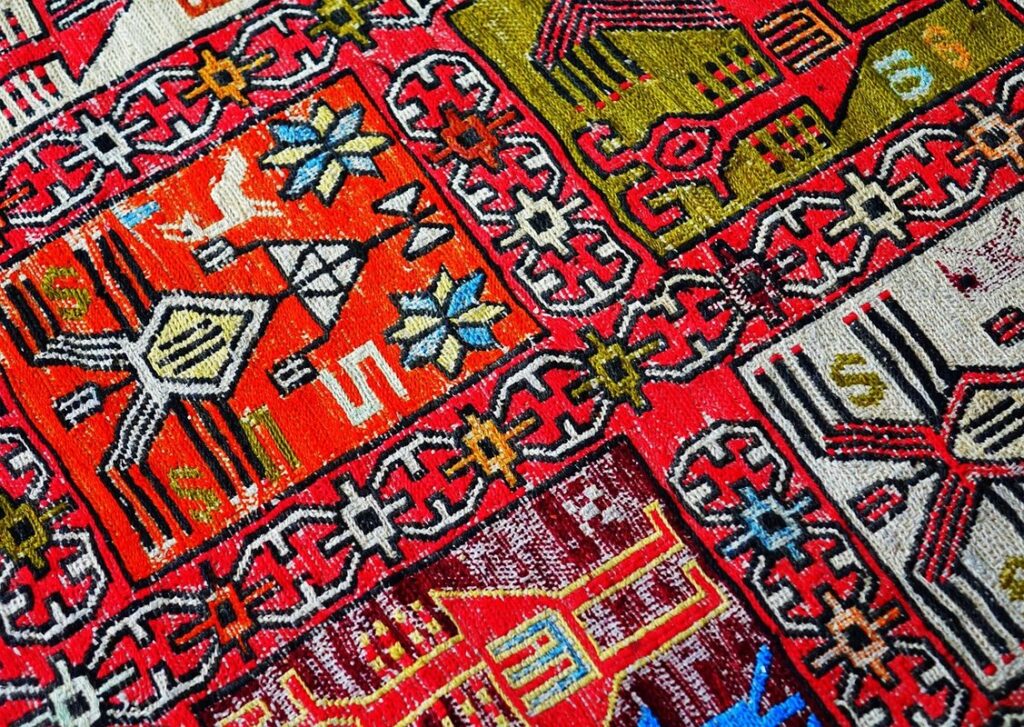
History and Origins of Persian Rugs
Persian rugs have a rich heritage that spans centuries, with their origins dating back to ancient civilizations in Persia. Their intricate designs and exceptional craftsmanship are rooted in this fascinating history.
The Ancient Craft of Persian Weaving
Persian rug weaving has its roots in ancient Persia, dating back to around 2500 BC. The earliest known evidence of Persian weaving comes from the ruins of Persepolis, where intricate designs and patterns were discovered on fragments of woven fabric. These early textiles showcased a deep understanding of color, pattern, and texture, which would become hallmarks of Persian rug craftsmanship.
The art of Persian weaving was refined over centuries, with various dynasties contributing to its evolution. The Sassanian Empire (224-642 AD), for example, is known for its exquisite silk weavings that adorned the palaces and temples of ancient Persia. These early rugs featured intricate floral patterns, often incorporating symbolic motifs that reflected the cultural and spiritual values of the time.
As Persian weaving techniques spread throughout the region, they were influenced by various cultures, including Arab, Turkish, and Mongolian traditions. This cross-cultural exchange resulted in a unique blend of styles, contributing to the rich tapestry (pun intended) of Persian rug design we see today. By understanding the ancient craft behind these magnificent rugs, you can appreciate their enduring beauty and authenticity.
Influences on Traditional Design
Persian rugs have undergone significant transformations due to external influences from various cultures. The most notable impact came from China and Europe during the 19th century, particularly under the Qajar dynasty. Chinese motifs, such as dragons and phoenixes, began to appear on Persian carpets, reflecting the growing trade relationships between the two regions.
European influence is evident in the use of floral patterns, inspired by French Rococo designs, and classical Greek motifs. The introduction of these new elements not only expanded the aesthetic possibilities but also made Persian rugs more appealing to international buyers. For example, the iconic design of the Tabriz rug incorporates intricate floral patterns and geometric shapes, a result of Chinese and European influences.
To appreciate the authenticity of a Persian rug, one should be aware of these external factors that have shaped its design over time. This knowledge can help in identifying genuine antique pieces and distinguishing them from reproductions or contemporary designs inspired by traditional motifs. By understanding the historical context and cross-cultural exchanges, you can develop a deeper appreciation for the craftsmanship and beauty of authentic Persian rugs.
Evolution of Techniques and Materials
Over time, Persian rug craftsmanship has undergone significant advancements in materials, dyes, and techniques. Historically, natural dyes like pomegranate, indigo, and madder were used to create the characteristic red, blue, and yellow hues found in traditional Persian rugs. However, the discovery of synthetic dyes in the late 19th century revolutionized the industry, allowing for more vibrant colors and a wider range of shades.
Techniques also evolved with the introduction of silk production in the Safavid period (1501-1736). Silk threads were used to create intricate patterns and designs that added depth and texture to Persian rugs. Furthermore, advances in weaving techniques enabled artisans to produce larger and more complex pieces with greater precision.
These developments have not only enhanced the aesthetic appeal of Persian rugs but also made them more durable and long-lasting. Today, authentic Persian rug collectors can appreciate the craftsmanship and skill involved in creating these beautiful works of art. When purchasing a Persian rug, look for signs of natural dyes, silk threads, and traditional weaving techniques to ensure you’re buying an authentic piece with genuine historical significance.
Understanding the Authenticity of a Persian Rug
Understanding the authenticity of a Persian rug can be overwhelming, especially for first-time buyers. Let’s take a closer look at the key factors that determine an authentic Persian rug.
Inspecting for Authentic Markings and Signs
When inspecting a Persian rug for authenticity, one key area to focus on is the presence of authentic markings and signatures. Look for stamps or labels bearing the name of renowned weavers or workshops, such as Kerman or Isfahan. These stamps are typically located on the back or underside of the rug.
Authentic Persian rugs often feature a signature or monogram that indicates the creator’s identity. This might be a small inscription or symbol near the edge of the rug. Check for signs of wear or aging around these markings, as they can indicate the rug’s age and authenticity.
Other marks to look for include woven patterns or labels that resemble ancient Persian script. These may be used to authenticate specific designs or styles. Additionally, inspect the back of the rug for kilim backing or other evidence of traditional construction methods.
It’s essential to examine these markings in a well-lit area and with a magnifying glass if necessary, as subtle details can be easy to miss.
Checking for Traditional Materials and Construction Methods
Persian rugs are renowned for their exceptional craftsmanship, but verifying the traditional materials and construction methods used can be a challenge. To ensure authenticity, inspect the rug’s foundation first. A genuine Persian rug typically features a cotton or wool warp and weft, with the knots tied onto a silk foundation. Look for natural fibers, as synthetic materials are not traditionally used.
Next, examine the rug’s fringe. Traditionally, Persian rugs have a hand-knotted fringe that is often left loose to prevent it from fraying. Machine-made rugs usually have a tightly woven and uniform fringe. Check if the knots are evenly spaced and symmetrical; uneven or irregular knotting can indicate machine work.
Examine the rug’s surface for traditional motifs and designs, such as arabesques, vines, and flowers. These patterns often feature intricate details and subtle color variations. A skilled craftsman typically employs a palette of natural dyes to achieve these distinctive colors. Be wary of rugs with overly bright or uniform coloring, as this may indicate the use of synthetic dyes.
Researching the Rug’s Provenance
When researching a Persian rug’s provenance, it’s essential to understand the ownership chain. This typically starts with the weaver or workshop where the rug was created. Look for documentation from reputable dealers or auction houses that have handled the rug before. Check if they’ve provided any information about the rug’s origins, such as its village of origin or the date it was made.
A clear paper trail can be a strong indicator of authenticity. For example, a rug with a certificate of provenance from Sotheby’s or Christie’s is more likely to be genuine than one without. However, be wary of overly polished documentation – some sellers may create fake histories to increase the rug’s value.
To verify the ownership chain, ask for receipts and invoices that show the rug has been sold through reputable channels. You can also look for stamps or labels from notable dealers or collectors. In some cases, a rug’s provenance may be supported by expert opinions or historical research. For instance, a rug with a similar design to one known to have been made in the 19th century is more likely to be authentic.
Factors Affecting an Authentic Persian Rug’s Value
When it comes to authentic Persian rugs, several factors can significantly impact their value and beauty. Understanding these variables is crucial for collectors and enthusiasts alike when making informed purchasing decisions.
Condition, Age, and Rarity
Condition, age, and rarity are fundamental factors influencing an authentic Persian rug’s value. The condition of a rug encompasses its overall state, considering wear and tear, stains, and repairs. Even minor imperfections can significantly impact the rug’s desirability and price. For instance, a rug with minor stains or signs of aging may be less valuable than one in pristine condition.
Age also plays a crucial role in determining value. Older rugs typically hold more significance due to their historical context and the craftsmanship that went into creating them. A 19th-century Qajar-era rug, for example, is generally more valuable than a modern piece. Rarity can further enhance an antique’s worth, especially if it’s from a specific region or tribe.
In contrast, mass-produced rugs often lack value due to their ubiquity and lack of historical significance. When evaluating the authenticity and value of a Persian rug, inspecting its condition, considering its age, and assessing its rarity are essential steps. Keep in mind that some antique pieces may be more valuable than others due to factors like provenance, materials used, or the artist’s reputation.
Quality of Materials and Craftsmanship
The quality of materials used to weave a Persian rug is just as crucial as its intricate design. Wool from certain regions like Kerman and Isfahan is highly prized for its softness, durability, and rich color palette. The finest rugs often incorporate silk, which adds an extra layer of luxury and depth. However, not all wool is created equal – some carpets may contain a blend of natural fibers with synthetic ones, which can compromise the rug’s authenticity.
The craftsmanship behind a Persian rug also significantly impacts its value and beauty. Skilled weavers pour their hearts into each piece, often passing down techniques from generation to generation. Look for rugs with symmetrical patterns, smooth edges, and even knotting – these characteristics indicate a high level of expertise and attention to detail. Inspect the rug’s foundation as well; a sturdy backing ensures that the carpet will hold up over time.
When evaluating the authenticity of a Persian rug, consider both the materials and craftsmanship. An expert eye can spot subtle differences in quality and technique. By understanding what sets apart an authentic Persian rug from its less expensive counterparts, collectors and enthusiasts can make informed purchasing decisions and appreciate these exquisite works of art for years to come.
Demand and Market Trends
Authentic Persian rugs have experienced a resurgence in popularity over the past decade, driven by a growing appreciation for handmade textiles and cultural heritage. The demand for high-quality, genuine Persian rugs has led to increased prices, with rare and antique pieces fetching upwards of $100,000 at auction.
Buyers are now seeking out authentic Persian rugs not only for their beauty but also as a sound investment opportunity. Art dealers and collectors alike recognize the value in owning a piece that is not only stunning but also holds significant cultural and historical significance. To determine whether a rug is authentic, buyers should look for characteristics such as intricate patterns, high-quality wool or silk materials, and signs of age, including fading or wear.
The market for Persian rugs has become increasingly sophisticated, with reputable dealers and sellers now able to authenticate pieces using techniques like X-ray analysis and material testing. As a result, counterfeiters have struggled to keep pace, making genuine Persian rugs even more valuable and sought-after.
Identifying Fakes and Misattributed Rugs
Persian rugs can be incredibly valuable, but fake or misattributed pieces can deceive even seasoned collectors. This is why it’s crucial to know how to spot a genuine Persian rug from a forgery.
Common Signs of a Fake or Misattributed Rug
When examining a rug suspected to be fake or misattributed, look for inconsistencies in design or construction. A genuine Persian rug typically features intricate patterns and motifs that are carefully woven together using specific techniques and materials. In contrast, fakes may exhibit loose threads, uneven weaving, or poorly executed designs. For instance, the border of an authentic Kerman rug should display a smooth, even curve, while a misattributed version might show jagged edges or inconsistent spacing between patterns.
Similarly, check for inconsistencies in the use of materials. Persian rugs are renowned for their high-quality wool, which is typically sourced from local breeds. Fake rugs may use synthetic fibers that mimic the look and feel of wool but lack its texture and durability. Another red flag is an overly symmetrical design or an unrealistic palette of colors. Authentic Persian rugs often feature a natural range of hues, with subtle variations in tone and saturation. By paying attention to these details, you can better assess the authenticity of a rug and make informed purchasing decisions.
Understanding the Role of Dealers and Collectors
Dealers and collectors often play a crucial role in the market for authentic Persian rugs. However, they can inadvertently contribute to the proliferation of fakes and misattributed rugs due to a lack of knowledge or a focus on profit over authenticity.
A collector may unknowingly purchase a rug that has been incorrectly attributed to a renowned weaver or a particular region. For instance, a dealer might label a rug as a rare example of 19th-century Herati weaving when it’s actually a mediocre example from the same era. This misattribution not only devalues the rug’s authenticity but also drives up prices for genuine pieces.
To mitigate this issue, dealers and collectors should prioritize due diligence when purchasing or selling rugs. This involves thoroughly researching the rug’s provenance, examining its condition and craftsmanship, and consulting with reputable experts in the field. By doing so, they can help maintain the integrity of the market and prevent the spread of fakes and misattributions.
Best Practices for Verification and Authentication
Verify the rug’s provenance by examining documentation from reputable dealers. This should include a certificate of authenticity and any relevant import/export records. Look for signs of wear consistent with age, such as faded colors or worn patterns. Inspect the rug’s edges for evenness and the presence of fringe. Check for a label or signature on the underside.
Examine the knot count, which is typically around 1-2 knots per square inch for authentic Persian rugs. Compare this to the density of the pattern and overall visual appeal. Note any inconsistencies in color, texture, or weave quality that might indicate a fake.
A reputable dealer will provide clear information about the rug’s materials, including the wool quality and dye process. Be wary if they seem evasive or unclear on these points.
When buying online, work with sellers who offer detailed descriptions of their rugs’ features and can provide multiple photos from different angles. Trust your instincts – if something seems too good to be true, it may not be authentic.
The Cultural Significance of Authentic Persian Rugs
Authentic Persian rugs are not just beautiful pieces of art, but also a window into Iran’s rich cultural heritage and history. They often tell stories of love, war, and daily life through intricate patterns and designs.
Symbolism and Meaning Behind Traditional Designs
Traditional Persian rug designs are not just aesthetically pleasing; they also carry significant symbolic meaning. Geometric patterns, for instance, often represent protection and strength. A common motif is the ‘bokhara’, a stylized floral pattern that symbolizes love and prosperity. The use of intricate floral motifs is meant to evoke the beauty of Persian gardens, which were renowned for their serene landscapes and vibrant flowers.
In traditional designs, animals such as lions and peacocks are often depicted in harmony with humans, signifying balance between nature and humanity. These symbols add depth to the rug’s overall meaning, inviting the viewer to contemplate the intricate relationships within the natural world. When selecting an authentic Persian rug, look for these symbolic motifs, which not only enhance the rug’s beauty but also provide insight into its rich cultural heritage.
In particular, pay attention to the placement of floral patterns in relation to geometric shapes, as this arrangement is often deliberate and meaningful. A well-balanced combination of these elements can reveal subtle nuances about the artisan who created it. By examining traditional designs through a symbolic lens, you can gain a deeper appreciation for the craftsmanship and cultural context that underlies each rug’s beauty.
Role in Iranian Culture and Heritage
Authentic Persian rugs hold a revered position within Iranian culture and heritage. They are not merely decorative pieces but an integral part of the country’s history and traditions. In many Iranian households, these carpets serve as a visual representation of the family’s cultural identity and values.
The intricate patterns, motifs, and colors used in authentic Persian rugs are deeply rooted in Islamic art and symbolism. The use of geometric shapes, floral patterns, and arabesques is a testament to the country’s rich cultural heritage. Each rug is a unique reflection of its creator’s skill and experience, making every piece a true masterpiece.
When purchasing an authentic Persian rug, it’s essential to consider the rug’s origins and provenance. Look for pieces that have been hand-knotted in traditional weaving villages or cities such as Isfahan, Tabriz, or Qom. These regions are known for their exceptional craftsmanship and adherence to traditional techniques. By choosing a rug from one of these areas, you’re not only acquiring a beautiful piece but also contributing to the preservation of Iran’s cultural heritage.
Care and Maintenance for Authentic Persian Rugs
To keep your precious authentic Persian rug looking its best, proper care and maintenance are crucial to ensure it remains a stunning centerpiece in your home. This includes regular cleaning, vacuuming, and storage practices.
Understanding the Importance of Proper Care
Proper care is not just a matter of aesthetics; it’s crucial for maintaining an authentic Persian rug’s longevity. The delicate wool fibers and intricate designs require gentle handling to preserve their beauty. Daily foot traffic can cause wear and tear, especially in high-traffic areas like hallways and living rooms. Regular vacuuming with a soft-bristled brush attachment is essential to remove dirt and debris that can damage the fibers.
Spills should be addressed immediately to prevent dye bleeding or staining. Blot the area gently with a clean cloth, avoiding excessive moisture that can seep into the rug’s layers. For tougher stains, consider consulting a professional cleaner specializing in antique textiles. Avoid using harsh chemicals or abrasive cleaners, as they can damage the rug’s fibers and compromise its authenticity.
To prevent fading, keep authentic Persian rugs away from direct sunlight, which can cause colors to dull and lose their vibrancy. Rotate your rug every 6-12 months to ensure even wear and prevent creasing. By taking these simple precautions, you’ll be able to enjoy your authentic Persian rug for generations to come.
Tips on Cleaning, Storage, and Handling
When cleaning an authentic Persian rug, it’s essential to use gentle methods. For minor spills, blot the stain with a clean cloth; avoid rubbing as this can damage the fibers. For more extensive cleaning, consider hiring a professional cleaner experienced in working with antique textiles.
For everyday maintenance, vacuum your rug regularly using the upholstery attachment on low suction to prevent damaging the delicate fibers. When storing an authentic Persian rug, fold it every which way is not recommended – instead, roll it with the pile facing inward and secure it with a strap or tape to maintain its shape. Avoid direct sunlight, moisture, and extreme temperatures that can cause fading, warping, or other damage.
When handling your rug, avoid walking on it with dirty shoes or standing on the edges, which can cause creases and dents. Also, keep pets and children away from areas where the rug is placed to prevent excessive wear and tear. Regular inspections will also help you identify any potential problems early on. By following these simple tips, you’ll be able to preserve your authentic Persian rug’s beauty for generations to come.
Conclusion: Appreciating the Beauty and Authenticity of Persian Rugs
As you’ve learned so much about authentic Persian rugs, it’s time to reflect on what truly makes these handmade masterpieces special and how they can add beauty to your home.
Recap of Key Points
A Persian rug’s authenticity is heavily influenced by its materials, craftsmanship, and origin. The quality of wool used can vary greatly, with genuine sheepskin often bearing natural imperfections like unevenness or slight discoloration. Additionally, expert weavers typically sign their work or include subtle markers indicating the region where it was created.
The value of a Persian rug also depends on its age, rarity, and condition. Rugs produced during the Qajar period (1786-1925) are generally highly prized for their intricate designs and skilled craftsmanship. Those from the Safavid era (1501-1736), while more expensive to replicate, can command higher prices due to their historical significance.
Buyers should exercise caution when purchasing a Persian rug, as some may be mislabeled or outright fakes. Authenticity certification from reputable organizations like the International Guild of Specialist Art Restorers can provide assurance. When shopping, look for distinguishing characteristics such as uneven pile heights, subtle color variations, and unique motifs specific to particular regions.
Final Thoughts on Preserving Cultural Heritage
Preserving cultural heritage is a responsibility that extends far beyond owning an authentic Persian rug. It’s about understanding and appreciating the craftsmanship, history, and traditions behind each piece. When you purchase an antique or vintage rug, you’re not just buying a decorative item – you’re also becoming a custodian of its story.
To truly appreciate the cultural significance of your Persian rug, research its origin, age, and provenance. Learn about the artisan who wove it, the tools they used, and the traditions that influenced their design. This knowledge will help you contextualize the rug’s beauty and authenticity.
As a responsible owner, consider preserving the rug by having it professionally cleaned and conserved regularly. Avoid exposing it to direct sunlight or extreme temperatures, which can cause fading and damage. By taking these steps, you’ll not only extend the life of your rug but also ensure that its cultural heritage is passed down to future generations.
Frequently Asked Questions
What If I Inherited an Old Persian Rug and Don’t Know Its Authenticity?
In this case, it’s essential to have the rug appraised by a reputable dealer or expert. They will examine the rug’s materials, construction methods, and any markings or signatures to determine its authenticity. If you’re unsure about the rug’s value or provenance, consider consulting with a professional.
How Can I Be Sure That My Persian Rug Is Being Stored Properly?
To ensure your Persian rug is being stored correctly, look for a dry, cool environment away from direct sunlight. Avoid storing rugs in humid or damp conditions, as this can lead to damage and deterioration. Consider using acid-free tissue paper or breathable storage bags to protect the rug during storage.
Can I Still Buy an Authentic Persian Rug If I’m on a Budget?
While high-quality authentic Persian rugs can be expensive, it’s not impossible to find affordable options. Look for rugs that are slightly smaller in size or have some minor flaws. You may also consider purchasing from dealers who offer more affordable prices without compromising on quality.
How Long Does It Take to Clean and Restore an Authentic Persian Rug?
The cleaning and restoration process can vary depending on the rug’s condition, materials, and level of damage. On average, it can take several weeks to several months for a professional restorer to complete the work. Be prepared to invest time and patience in restoring your authentic Persian rug.
What If I Want to Sell My Authentic Persian Rug, But I’m Not Sure How Much It’s Worth?
To determine the value of your authentic Persian rug, consider consulting with a reputable dealer or appraiser who specializes in antique rugs. They will assess the rug’s condition, materials, and provenance to provide an accurate estimate of its worth. Keep in mind that market trends and demand can affect the rug’s value over time.