
For many homeowners, acquiring an authentic oriental rug is a significant investment that brings both beauty and cultural significance to their space. However, verifying the authenticity of these intricate pieces can be daunting, especially for those new to the world of oriental rugs. Materials such as hand-spun wool or silk, and construction techniques like hand-knotting, are just a few factors that determine an oriental rug’s legitimacy. You may have heard about certification programs and expert appraisals, but understanding their importance can make all the difference in ensuring you purchase a genuine piece of art. This article will break down the key elements to look for when evaluating authentic oriental rugs, from materials and construction techniques to certification and expertise, so that you can confidently assess quality and value.
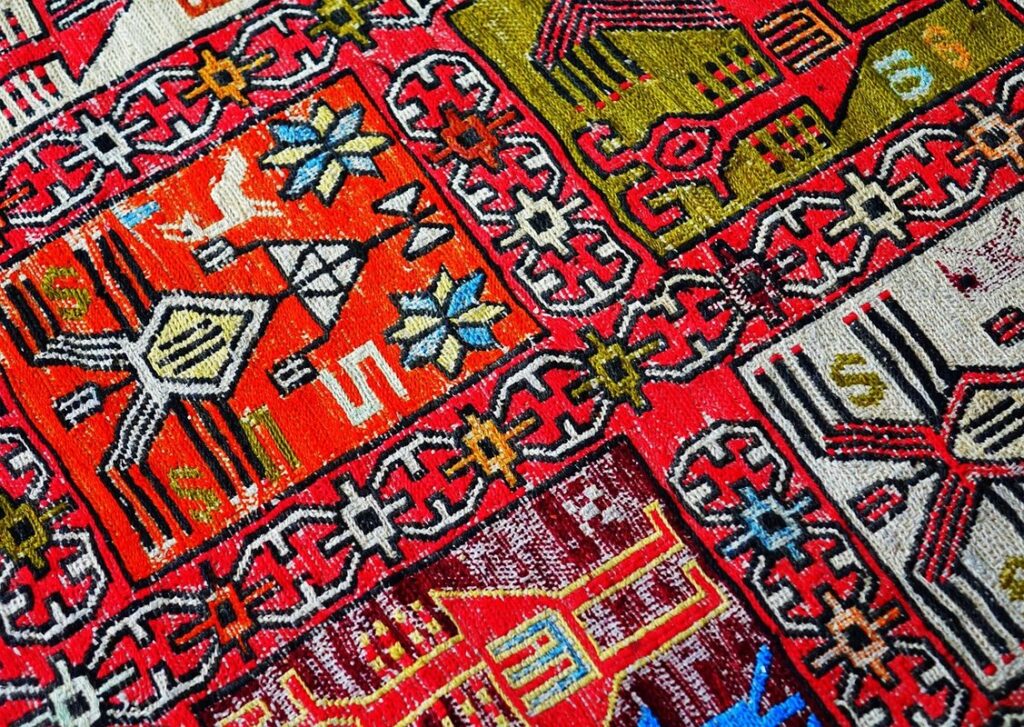
Understanding the Basics of Oriental Rugs
Understanding oriental rugs requires a grasp of fundamental concepts, including the differences between various types of weaving techniques and materials used. Let’s start by exploring these essential basics to appreciate their value.
History and Evolution of Oriental Rugs
Oriental rugs have a rich history that spans thousands of years, originating from ancient civilizations in Central Asia, Persia, and Turkey. These textiles played a vital role in Middle Eastern and Asian cultures, serving not only as decorative elements but also as symbols of wealth, status, and spiritual significance. The art of rug weaving was often passed down through generations, with master craftsmen perfecting their techniques over time.
The Silk Road trade routes facilitated the exchange of ideas, designs, and materials between East and West, influencing the evolution of oriental rugs. Persian rugs, in particular, became renowned for their intricate designs, vibrant colors, and exceptional quality. Turkish and Moroccan rugs also gained popularity for their distinct styles and cultural significance.
Understanding the historical context and cultural importance of oriental rugs can help you appreciate their authenticity. When purchasing an oriental rug, look for signs of age, such as patina, wear, or minor repairs. These imperfections often indicate a rug’s true vintage status. By recognizing the craftsmanship and history behind these textiles, you’ll be better equipped to distinguish between authentic and reproduction oriental rugs.
Materials and Construction Techniques
Authentic oriental rugs are made from a variety of materials, with wool being the most common. High-quality wool is sourced from sheep grazing in specific regions of Asia and Europe, such as Mongolia’s Gobi Desert or New Zealand’s South Island. The fleece is then sorted by color, grade, and texture to ensure consistency throughout the rug.
Wool production involves a process called “hand-combing,” where the fibers are brushed to remove impurities and align them in the same direction. This labor-intensive method produces a soft, dense pile that’s resistant to wear. Some rugs may also incorporate silk or cotton for accents or backing materials, but true authenticity is rooted in traditional wool production.
Construction techniques play a crucial role in determining a rug’s value. Skilled artisans use hand-knotting methods to tie each knot individually, which can take months or even years to complete. A single expert might create just 10-20 square meters per year. In contrast, machine-made rugs often rely on synthetic dyes and mass production techniques that sacrifice quality for speed and lower costs.
Identifying Authentic Oriental Rugs
When browsing for an authentic oriental rug, it can be overwhelming to distinguish between genuine pieces and reproductions. Here’s what to look out for in a vintage or antique rug.
Understanding Rug Markings and Signatures
When examining an oriental rug, look for markings, signatures, or stamps on the underside or back of the rug. These can indicate authenticity and provide insight into the rug’s production process. Well-known manufacturers or weavers often use distinctive marks to identify their products.
Check for a label that bears the name of the manufacturer or weaver. For example, the label may say “Kasmin Fine Rugs” or “Handwoven by the artisans of Tabriz.” These labels can provide valuable information about the rug’s origins and quality. Some manufacturers also use stamps or other markings to indicate the rug’s size, material, or pattern.
Familiarize yourself with the markings used by well-known manufacturers or weavers. For instance, a small “K” may signify that the rug was made by Kerman carpets, while a pair of crossed scissors might indicate that it was woven in the city of Tabriz. Pay attention to the quality and consistency of these marks – authentic rugs typically feature clear, legible markings that reflect the manufacturer’s or weaver’s standards.
Provenance and Documentation
Provenance is a crucial factor in verifying an oriental rug’s authenticity. Documentation and certifications can significantly enhance the legitimacy of an antique or vintage rug. Look for certificates issued by reputable organizations, such as the International Society of Appraisers (ISA) or the Asian Art Research Institute. These documents typically include a detailed description of the rug, its materials, and any notable features.
When examining documentation, consider the following: is the certificate issued by a well-established organization? Does it provide clear information about the rug’s origins and age? Be wary of certificates that appear too generic or lack specific details. Additionally, check if the documentation matches the rug’s condition, size, and materials. A mismatch can indicate alterations or misrepresentation.
It’s also essential to research the seller or dealer, ensuring they have a good reputation for authenticity and transparency. Check for any red flags, such as inconsistencies in their story or evasiveness about the rug’s history. A reputable dealer will provide thorough documentation and be willing to share information about the rug’s provenance.
Factors Affecting Rug Authenticity
When shopping for authentic oriental rugs, it’s crucial to consider several key factors that can impact their quality and value. These factors include the rug’s provenance, materials, and craftsmanship.
Condition and Restoration
A rug’s condition can significantly impact its authenticity. Over time, wear and tear, environmental factors, and improper care can cause damage to the rug’s fibers, dyes, and construction. Restoration attempts may be performed, but these can often lead to further alterations that compromise the rug’s originality.
When evaluating a rug’s condition, look for signs of wear, such as fraying edges, faded or uneven colors, and excessive dirt buildup. Check for restoration attempts by inspecting the rug’s weft (the foundation warp), which is often the most visible aspect of the rug’s construction. Inauthentic rugs may have uneven or mismatched wefts.
In contrast, authentic oriental rugs typically exhibit subtle signs of aging, such as gentle fading and minor wear on high-traffic areas. Be cautious of overly restored or newly cleaned rugs, as these may conceal more extensive damage. When assessing a rug’s condition, also consider its provenance – the history of ownership and any documentation that supports its authenticity. A thorough evaluation of both condition and restoration is essential to ensuring an oriental rug’s true value and quality.
Age and Rarity
When evaluating an oriental rug’s authenticity, age and rarity are crucial factors to consider. A rug’s value can increase significantly with age, especially if it’s from a renowned weaving center or has a significant historical provenance. However, age alone is not enough; the rug must also be rare in terms of its design, size, materials, or provenance.
Rarity can stem from various factors, including limited production runs, specific regional styles, or exclusive designs commissioned for royalty or nobility. For instance, antique Persian rugs produced during the Safavid dynasty are highly sought after due to their exceptional quality and rarity. Similarly, unique designs created by celebrated artists, like the intricate Kerman patterns of the Qajar era, command high prices.
To assess a rug’s scarcity, research its style, materials, and production period. Check for signatures or stamps from renowned weavers or merchants, which can indicate authenticity and value. Additionally, consult reputable dealers, appraisers, or experts to verify the rug’s age, rarity, and provenance. By understanding these factors, you’ll be better equipped to determine an oriental rug’s authenticity and potential value.
Authenticating Oriental Rugs: What to Look For
When inspecting an oriental rug, look for subtle signs that indicate its authenticity, such as intricate weaving patterns and traditional motifs. Genuine antique rugs often have unique flaws and imperfections that add to their character.
Examining Color, Pattern, and Design
Genuine oriental rugs typically feature intricate color palettes that blend harmoniously with one another. Look for subtle gradations between hues rather than stark contrasts. For instance, a Persian rug might display a soft blue that gradually transitions into mauve. Authentic designs often incorporate deliberate asymmetry, avoiding uniform patterns.
In terms of pattern and design elements, authentic oriental rugs frequently feature motifs drawn from nature, such as foliage or animals. These motifs are typically woven in a way that creates visual movement and flow. Pay particular attention to the level of detail within these patterns – intricate details are often indicative of hand-weaving.
When examining an oriental rug’s color, pattern, and design, consider its historical context. Different regions and periods have distinct aesthetic characteristics. For example, rugs from the Kerman region in Iran tend to feature more vibrant colors and complex patterns compared to those from other parts of the country.
Inspecting Weaving Quality and Symmetry
When inspecting an oriental rug’s authenticity, weaving quality and symmetry are crucial factors to consider. A well-crafted rug demonstrates a clear understanding of traditional techniques and attention to detail. Look for even tension in the warp and weft threads, as unevenness can be a sign of machine-made or low-quality materials.
Symmetry is another key aspect to examine. In authentic oriental rugs, symmetry is not always perfect, but there should be a deliberate attempt at balance. Consider whether the design’s center aligns with the rug’s overall composition. A symmetrical repeat in the pattern can indicate machine-made production.
Craftsmanship is evident in the thickness and texture of the pile, as well as the precision of knotting. Hand-knotted rugs typically feature thicker piles and more varied textures due to the manual process. In contrast, machine-made rugs often have uniform piles and less texture variation. When evaluating a rug’s authenticity, it’s essential to consider these details in conjunction with its overall appearance, materials, and history.
The Role of Certification and Expertise
Certification and expertise play a crucial role in authenticating oriental rugs, as untrained buyers often struggle to distinguish genuine pieces from high-quality reproductions. Understanding these credentials is essential for making informed purchasing decisions.
Recognizing Reputable Certifiers and Appraisers
Certification from reputable organizations can significantly increase an oriental rug’s authenticity. The International Society of Appraisers (ISA) and the American Society for Appraisers (ASA) are two prominent bodies that provide certification to appraisers who have demonstrated expertise in evaluating and authenticating rugs. These certified professionals undergo rigorous training and must adhere to a strict code of ethics, ensuring their assessments are unbiased and based on sound knowledge.
When selecting an appraiser or certifier, look for qualifications from these organizations. A certified professional will conduct a thorough examination, including a visual inspection, documentation review, and possibly testing materials, to verify the rug’s age, origin, materials, and condition. They may also provide a detailed report outlining their findings and any conclusions about the rug’s authenticity.
Reputable certifiers and appraisers often have extensive experience working with rare and valuable rugs, allowing them to identify subtle differences in craftsmanship, materials, and design that can indicate authenticity. Their expertise is invaluable in helping collectors and dealers verify the legitimacy of an oriental rug and determine its value accordingly.
Navigating the Authentication Process
Consulting with experts is a crucial step in authenticating an oriental rug. Look for reputable dealers or appraisers who have extensive knowledge of antique and vintage rugs. They can examine the rug, note its condition, materials, and construction techniques, and provide insights into its potential age and origin. Some dealers may also offer authentication certificates or written evaluations.
Next, understand the certification process. The most widely recognized certification for oriental rugs is that offered by the International Society of Appraisers (ISA). ISA-certified appraisers undergo rigorous training and must adhere to a strict code of ethics. They can evaluate a rug’s condition, material composition, and historical significance, providing an estimate of its value.
When evaluating the authenticity of a certified rug, consider the following: the certification itself is not always a guarantee, as some dealers may claim certification without actually having it. Look for documentation or proof from a reputable third-party organization.
Frequently Asked Questions
What if I’m buying an oriental rug online and can’t physically inspect it?
If you’re unable to inspect the rug in person, look for reputable dealers who provide detailed photos and descriptions of the rug’s materials, construction techniques, and any certifications or documentation. You can also ask the seller about the rug’s provenance and whether they have any expert opinions or appraisals available.
Can I still authenticate an oriental rug if it has been restored?
Yes, a restored oriental rug can still be authenticated, but its value and authenticity may be impacted by the extent of the restoration. Look for signs of original materials and construction techniques, and consult with experts to determine the rug’s condition and any potential impact on its authenticity.
How do I know if an oriental rug is worth getting certified?
Certification can add significant value to an authentic oriental rug, but it depends on various factors such as the rug’s age, rarity, and provenance. If you suspect your rug may be a rare or valuable piece, consult with experts who specialize in oriental rugs to determine whether certification is beneficial.
What if I’m considering buying a vintage oriental rug that doesn’t have any documentation or certifications?
While a lack of documentation can make it more difficult to authenticate an oriental rug, it’s not impossible. Look for signs of original materials and construction techniques, examine the rug’s condition and restoration, and consult with experts who specialize in vintage oriental rugs.
Can I get my oriental rug certified if it has been altered or modified over time?
No, certification is typically only available for authentic oriental rugs that have not been significantly altered or modified. If your rug has undergone significant changes, you may need to consider alternative options such as appraisals or expert evaluations to determine its value and authenticity.