
Identifying birds by picture can be a daunting task, especially for beginners. With thousands of species to choose from, distinguishing between similar-looking birds can be frustrating. But with the right guidance and visual cues, you’ll be able to accurately identify birds in no time. The key lies in paying attention to specific characteristics such as plumage patterns, beak shapes, and leg colors. However, even with a keen eye for detail, poor image quality or lack of expert knowledge can hinder your identification skills. In this comprehensive guide, we’ll show you how to make the most of visual characteristics, master the importance of high-quality images, and tap into expert resources to become a confident bird identifier. By the end of this article, you’ll know exactly what to look for when trying to identify birds by picture, and be able to accurately distinguish between different species using a variety of identification techniques.
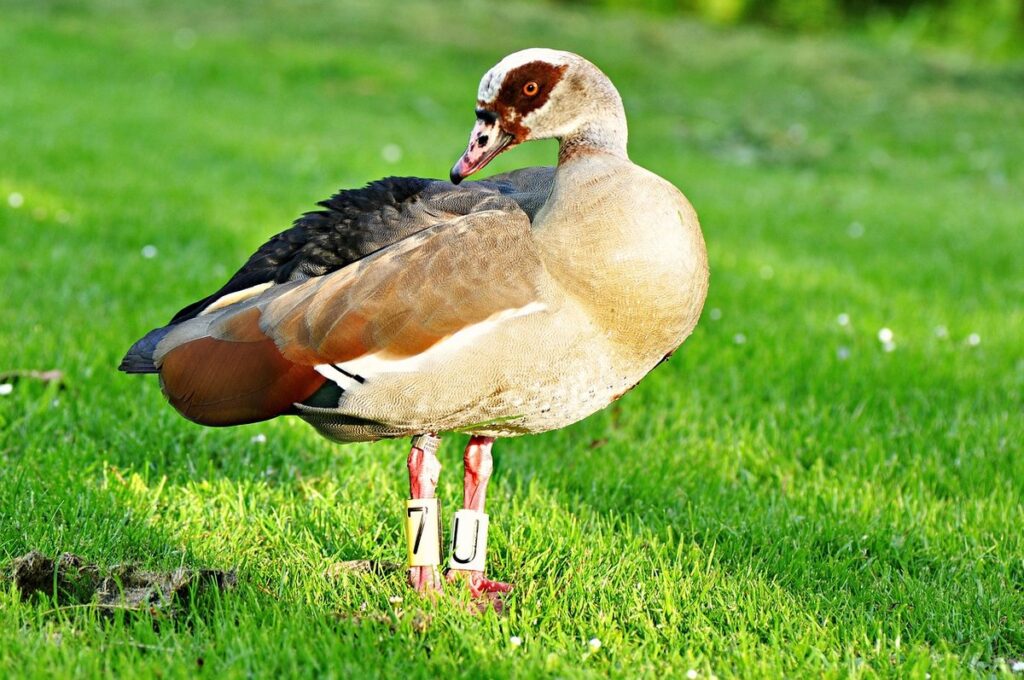
Choosing a Reliable Bird Identification Resource
When it comes to identifying birds by picture, having access to reliable resources is crucial for making accurate identifications. You need to know which sources to trust.
To narrow down your options, consider factors like the resource’s accuracy, coverage of species, and user reviews to ensure you’re using a trustworthy guide.
Using Field Guides and Apps Effectively
Popular field guides and apps like the Sibley Guide to Birds and Merlin Bird ID offer a wealth of information on bird identification. These resources provide detailed descriptions, range maps, and photographs of various species. To use them effectively, it’s essential to familiarize yourself with their features. For instance, the Sibley Guide includes a dichotomous key that helps narrow down identification by specific characteristics.
When consulting these guides or apps, start by identifying the bird’s size, plumage patterns, and beak shape. Refer to the range maps to determine if the species is found in your area. Next, browse through photographs of similar species to get a sense of their distinctive features. Merlin Bird ID, for example, allows you to input your location and camera photo to receive identification suggestions.
Be cautious not to rely solely on these tools, as they may not always provide accurate results. Verify the suggested identification by consulting multiple sources or seeking expert advice.
Understanding the Limitations and Accuracy of Identification Tools
Digital bird identification tools can be highly accurate when used correctly, but their limitations should not be overlooked. Image quality is a significant factor influencing results – poor lighting conditions, for instance, can cause details to blend together or become indistinguishable. Moreover, the presence of noise or compression artifacts in images can further compromise accuracy.
Additionally, digital tools may struggle with certain bird species or characteristics, such as subtle plumage patterns or seasonal changes. For example, some identification apps have difficulty distinguishing between juvenile and adult birds due to overlapping morphological traits. Furthermore, reliance on pre-existing databases can lead to bias towards well-represented species at the expense of less common ones.
To get the most out of digital tools, ensure images are captured in optimal conditions – ideally with good natural light, minimal noise, and a clear focus on the bird’s distinguishing features. Be cautious when using identification apps that rely heavily on user-generated content; while they can be helpful, their accuracy may be variable due to inconsistent quality control.
Preparing Your Bird Photos for Identification
To prepare your bird photos for identification, make sure they’re clear and well-lit, as blurry or dark images can be difficult to decipher. Good lighting is essential for capturing detailed features of the bird’s plumage.
Optimizing Image Quality and Resolution
When taking photos of birds for identification, it’s essential to capture clear and well-lit images from multiple angles. Ensure you’re standing near a reflective surface like water or a window to utilize natural light. Avoid direct sunlight, which can create harsh shadows and overexpose the image.
Experiment with different apertures to achieve optimal focus. A smaller aperture (higher f-stop number) will ensure more of the bird is in sharp focus, but may also increase noise levels. Try using a wide-angle lens to capture more context around the bird’s habitat.
Consider adjusting your camera settings for better low-light performance. Boosting ISO can help brighten images, but be cautious not to introduce excessive noise. Shoot in RAW format to preserve maximum image data, allowing for easier editing and adjustments later on. When possible, take photos from a distance to prevent disturbing the bird and minimize the risk of missing key identification features. Aim for a clear shot of the bird’s face, including the beak and eyes, as these often hold critical identifying marks.
Storing and Organizing Your Bird Photo Library
A well-organized digital library is essential for efficiently searching and identifying bird species from photos. Start by creating a folder structure that mimics the taxonomic hierarchy of birds, with top-level folders for classes (e.g., waterfowl, songbirds), followed by orders (e.g., Anatidae, Passeriformes) and families within those orders.
Use a consistent file naming convention to identify each image. Include the bird’s common name, scientific name, location, date, and photographer’s initials in the filename. For example: “Mallard_Anas_platyrhynchos_Lake_Maryland_2022-05-DD.jpg.” This makes it easy to search for specific species or images using metadata search tools.
Manage your photos’ metadata by using software like Adobe Lightroom or Capture One, which can assign standardized tags and labels to each image. When possible, use the species’ scientific name as a key term in your metadata, as this will improve search results when working with image management platforms or databases.
Basic Bird Identification Techniques
To effectively identify birds by picture, you’ll need a solid foundation in basic bird identification techniques, including understanding key characteristics and field marks. Let’s start with the basics of bird shape, size, and plumage.
Using Size, Shape, Color, and Pattern to Identify Birds
When identifying birds by picture, it’s essential to consider their overall appearance. One of the most effective ways to narrow down possible species is by examining the bird’s size, shape, color, and pattern. Start by noting the bird’s overall size: is it large and imposing or small and delicate? This can often be a good indicator of its species. For example, if you’re looking at a picture of a bird with a distinctive crest, that bird is likely to be larger than average.
Next, consider the shape of the bird’s body and head. Does it have a slender neck and legs or are they stout and chunky? This can help you determine whether the bird is a heron or egret (long-legged and long-necked) or a penguin or auk (short-legged and short-necked). Color is also an essential characteristic: is the bird bright and vibrant, like a tropical parrot, or muted and subdued, like a winter wren? Note any distinctive patterns or markings on the bird’s feathers as well. A brightly colored breast with a pattern of black spots could indicate a warbler or thrush species, for example.
Identifying Beak and Talon Types
Beak shape, size, and color can significantly aid in identifying bird species. Notice whether the beak is short and stout, long and pointed, or curved like a parrot’s. Consider its size relative to the head: large and prominent, small and delicate, or similar in length to the head. Additionally, observe the color of the beak. It may match the rest of the bird’s plumage, or stand out as a bright splash of color. The shape and color of the beak often reflect the bird’s diet: seed-eaters typically have stout, chisel-shaped beaks for cracking seeds, while birds that eat nectar and pollen have long, pointed beaks.
Talon types are also important to identify. Birds with curved talons, such as owls and hawks, are designed for grasping prey in mid-air. Those with sharp, hooked talons, like hawks and eagles, are adapted for tearing flesh. Birds of prey that walk or stand on their feet often have flat, broad talons for gripping the ground.
When examining a bird’s beak and talons, consider its overall body shape and size. Note any distinctive features, such as brightly colored legs or feet. A closer look at these details can provide valuable clues in identifying the species.
Advanced Bird Identification Techniques
To take your bird identification skills to the next level, you’ll learn advanced techniques for distinguishing between similar species and subtle plumage variations. This expert guidance will help you become a confident bird spotter.
Using Tail and Wing Features for Identification
When examining a bird’s picture, paying close attention to its tail and wing features can be crucial for identification. The length of a bird’s tail can be a distinguishing characteristic, with some species having long, pointed tails while others have short, square ones.
Look at the pattern on the wings, too – do they have stripes, spots, or a solid color? Some birds, like warblers and tanagers, have distinctive wing patterns that are nearly identical to one another. On the other hand, the broad-winged hawk has a more subtle wing pattern, with darker edges on its pale feathers.
The shape of the wing tips is also important – does the bird’s wing appear rounded or pointed? This can help you narrow down the possibilities and arrive at a more accurate identification. For example, birds like swallows and martins have long, pointed wings that are well-suited for swift flight, while birds like doves and pigeons have shorter, more rounded wings.
Consider combining tail and wing features with other visual details to make a more confident identification.
Considering Plumage Patterns, Molt Stages, and Age Groups
When examining bird plumage patterns, molt stages, and age groups, it’s essential to consider how these characteristics vary across different species. One way to distinguish between juveniles and adults is by observing the intensity of coloration. Juveniles often have duller, more subdued hues compared to their adult counterparts.
For example, in many waterfowl species, juvenile ducks display a mix of brown and gray feathers, whereas adults showcase vibrant colors like emerald greens or fiery reds. Paying attention to these differences can help you narrow down the identification possibilities.
Sub-adults, on the other hand, often exhibit a combination of juvenile and adult characteristics, making them more challenging to identify. However, by noting the presence of certain plumage patterns or molt stages specific to that species, you may be able to pinpoint their age group.
To accurately determine an individual bird’s age, consider the following: in many cases, adults have undergone complete molts, whereas juveniles and sub-adults retain a mix of new and old feathers. By closely examining these features, you can refine your identification and arrive at a more accurate conclusion about the bird’s age group.
Common Bird Identification Challenges
One of the most frustrating things about birding can be identifying species when you’re not sure what to look for, especially when it comes to subtle differences in plumage and behavior. We’ll explore some of these tricky cases next.
Misidentification of Similar-Looking Species
When identifying birds by picture, one common challenge is distinguishing between species that resemble each other. Take, for instance, the American Golden-Plover and the Black-bellied Plover. These two shorebirds are similar in size and shape but can be differentiated by their bills: the American Golden-Plover has a darker, thicker bill with a yellow tip.
The Mourning Warbler and the Yellow Warbler are another pair of species often confused with one another due to their similar bright colors and shapes. However, upon closer inspection, you’ll notice that the Mourning Warbler’s throat patch is more extensive than the Yellow Warbler’s, forming a complete ring around its neck.
To avoid misidentifying these lookalikes, pay attention to distinctive features like bill shape and size, as well as subtle differences in plumage patterns. Study reference images side-by-side to develop an eye for these variations. By doing so, you’ll become more confident in your ability to accurately identify birds based on visual characteristics alone.
How to Identify Birds with Unique or Variable Plumage
Birds like the male Northern Flicker and the Western Tanager have distinctive plumage patterns that can be challenging to identify. The Northern Flicker’s yellow-and-black wing patches are a key identifying feature, but its overall coloration can vary greatly depending on age and sex. To recognize this species in a photo, look for these characteristic wing markings.
Other birds, such as the Indigo Bunting, have variable plumage patterns that change throughout their lives. Juvenile and adult males display distinct colors, with the latter showcasing a deep blue hue. However, females lack these vibrant colors, making identification more difficult. In photos, pay attention to the bird’s overall size, shape, and any distinctive markings.
The Blue Grosbeak is another example of a bird with variable plumage. Its bright blue throat patch can be a giveaway in some lighting conditions, but this feature may not be visible in others. When attempting to identify this species in a photo, consider its size, bill shape, and overall coloration. By focusing on these characteristics, you’ll be better equipped to distinguish the Blue Grosbeak from similar-looking species.
Verifying Identification Results
Now that you’ve identified a potential match, it’s essential to verify your results by cross-checking them against multiple sources and consulting expert field guides for accuracy. This step is crucial for confident bird identification.
Cross-Referencing with Multiple Sources
When verifying identification results, it’s crucial to cross-reference with multiple sources to ensure accuracy. Relying on a single source can lead to misidentification due to outdated information, biased illustrations, or incorrect taxonomy. Field guides, while valuable resources, may not always reflect the latest scientific discoveries or regional variations.
For instance, some field guides might depict rare species as common, causing you to incorrectly assume you’ve spotted a bird that’s unlikely in your area. Apps like Merlin Bird ID and iBird Pro can provide additional insights, but their accuracy also depends on the quality of their databases. Online resources such as eBird and the Cornell Lab of Ornithology’s All About Birds website offer comprehensive information on species habits, habitats, and migratory patterns.
To confidently verify your identification results, consult at least two to three sources that complement each other. Compare illustrations, descriptions, and range maps to ensure consistency. If a source appears questionable or outdated, discard it in favor of more reliable options. By cross-referencing multiple sources, you’ll significantly increase the accuracy of your bird identification and avoid potential misidentification.
Understanding the Role of Expert Opinion and Peer Review
When faced with a potentially tricky bird identification, it’s essential to consider expert opinions and peer-reviewed publications. These resources can offer valuable insights and clarification on specific characteristics or behaviors unique to certain species.
Consulting field guides written by renowned ornithologists is an excellent starting point. For instance, the Sibley Guide to Birds or the National Audubon Society Field Guide to Birds are highly respected for their accuracy and attention to detail. These guides often include detailed descriptions of plumage patterns, beak shapes, and other distinctive features that can help narrow down a bird’s identity.
Additionally, peer-reviewed journals such as The Auk or Journal of Ornithology publish articles on various aspects of avian biology, including systematics and taxonomy. While these sources may not directly identify a specific species, they can provide context on the evolutionary history and relationships between different bird groups. By considering both expert opinions and scientific research, you can build a more informed understanding of the birds you’re trying to identify. This balanced approach will ultimately lead to more accurate and confident identifications.
Putting It All Together: A Step-by-Step Guide
Now that you’ve learned how to identify birds by their pictures, it’s time to practice what you’ve learned and put your new skills into action in a real-world setting. Let’s walk through each step of the process together.
Selecting the Right Resources for Your Bird Identification Needs
When choosing field guides, apps, or online resources for bird identification, consider your location and the time of year. For example, if you’re identifying birds in North America during the spring migration, a guide that focuses on eastern species may not be as useful as one that covers the western region. Look for resources that cater specifically to your area, such as field guides for local regions or apps that specialize in North American bird identification.
Additionally, consider your specific identification needs. Are you trying to identify a rare species or want to learn more about common backyard birds? Choose resources that align with these goals. For instance, if you’re interested in identifying waterbirds, a guide with detailed descriptions of beak shapes and sizes may be more valuable than one focused on songbird characteristics.
Some popular online resources for bird identification include eBird, iNaturalist, and Merlin Bird ID. These platforms often provide user-friendly interfaces, detailed species information, and expert insights to help you narrow down your identifications.
Conducting a Systematic Search with Multiple Images
When searching for a bird species using multiple images, it’s essential to approach the task systematically. Start by gathering images from various angles and lighting conditions, including dorsal, ventral, lateral, and any distinctive markings or colors. Look for images with good focus and minimal distractions.
Compare these images alongside illustrations or photographs in your field guide or online resources, paying attention to key identification features such as beak shape, plumage patterns, and tail length.
Note the presence of distinctive markings like stripes, spots, or eye rings on multiple views. Ensure that you’re considering images with similar lighting conditions to accurately assess the bird’s coloration.
Take note of any regional adaptations in plumage, size, or bill shape if applicable. In some cases, a combination of images showcasing different behaviors can also be informative.
Frequently Asked Questions
What if I’m still unsure about my bird identification after using multiple resources and verifying results?
Yes, it’s normal to have some uncertainty when identifying birds. Consider consulting with an expert or joining a local birding community for guidance. You can also try creating a “differential diagnosis” list of potential species based on your observations, then eliminate possibilities as you gather more information.
Can I use my smartphone camera to take photos of birds in the field, or do I need a dedicated camera?
While smartphones have improved significantly in recent years, they may not always produce the best image quality for bird identification. Consider investing in a mid-range to high-end DSLR or mirrorless camera with interchangeable lenses for better results.
How can I handle misidentification caused by similar-looking species that are common in my area?
To minimize mistakes, focus on learning the distinctive characteristics of birds that are commonly found in your region. Study field guides and online resources that specialize in regional bird identification, and try to collect multiple photos of each species to get a more comprehensive understanding.
What if I’m trying to identify a bird from a photo taken in low light conditions?
Low-light images can be challenging for identification. Try to use image editing software to adjust the brightness and contrast without over-processing the image. Alternatively, consider using a camera with good low-light performance or taking multiple photos of the same scene to capture more detail.
Can I identify birds by sound alone, without using visual characteristics?
While some birders are skilled at identifying species solely based on calls and songs, it’s generally more challenging than visual identification. However, if you’re interested in learning this skill, start by familiarizing yourself with the most common bird sounds in your region and practice transcribing recordings to improve your auditory recognition abilities.