
If you’re fascinated by birds that are full of surprises, then get ready to fall in love with the northern flicker! These incredible creatures have been captivating bird enthusiasts and scientists alike for years. From their unique characteristics to their fascinating behavior and habitat, there’s so much to learn about these birds that many consider one of the most interesting species in North America.
In this comprehensive guide, we’ll take you on a journey into the world of northern flickers, exploring everything from their distinctive appearance to their remarkable adaptability. We’ll delve into their natural habitats, shedding light on why they thrive in specific environments and how humans can help protect them. Whether you’re a seasoned ornithologist or just starting your bird-watching adventure, this article is designed to give you an in-depth understanding of these incredible birds and the challenges they face today.
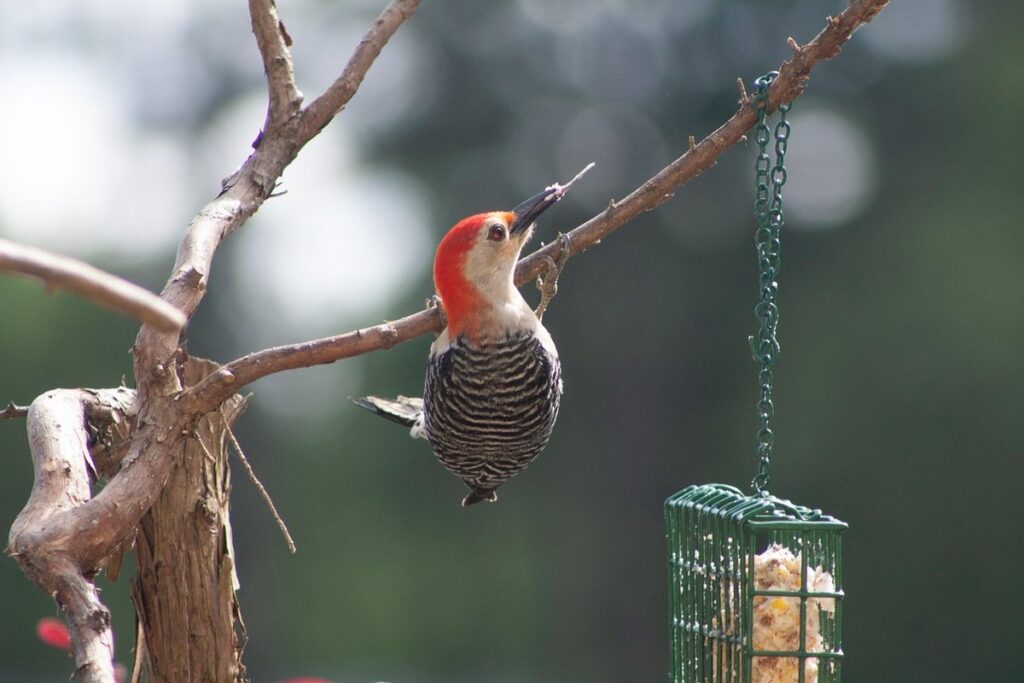
Physical Characteristics and Identification
To accurately identify a northern flicker, you’ll want to take note of its distinctive size, plumage patterns, beak shape, and other key physical characteristics that set it apart from other woodpeckers.
Describing the Northern Flicker’s Plumage Patterns
One of the most striking features of the Northern Flicker is its unique plumage patterns, which serve as a crucial tool for identification and differentiation between various populations. As we explore the physical characteristics of this fascinating bird, let’s delve into the world of yellow-shafted and red-shafted forms.
The yellow-shafted Northern Flicker has a bright yellow underside to its wings and tail, whereas the red-shafted form boasts a vibrant red coloration in these same areas. This distinct difference is not only aesthetically pleasing but also serves as a vital identifier for bird enthusiasts and researchers alike. To determine which form you’re observing, simply take a closer look at the undersides of the wings and tail – if it’s yellow, you’ve likely spotted a yellow-shafted Northern Flicker.
Interestingly, the red-shafted form is primarily found in the western regions of North America, whereas the yellow-shafted population inhabits the eastern parts of the continent. By understanding these plumage patterns, we can better appreciate the intricate adaptations and evolutionary histories that have shaped this remarkable bird species. Whether you’re an avid birder or simply a nature enthusiast, recognizing the Northern Flicker’s distinctive plumage will undoubtedly enhance your appreciation for its beauty and resilience.
Key Field Marks for Identifying Northern Flickers
When observing Northern Flickers in their natural habitat, there are several key field marks to look for that distinguish them from other woodpecker species. One of the most distinctive features is their size: Northern Flickers are slightly larger than other woodpeckers, measuring between 10-12 inches in length. Their beak shape is also a notable characteristic – it’s relatively straight and chisel-like, perfect for digging into tree bark to extract insects.
Another essential field mark is the wingbar pattern, which features a black band with white edges extending from the tip of the wing to the body. This distinctive pattern can be difficult to miss, especially when the bird is in flight or perched against a light background. Finally, pay attention to the Northern Flicker’s overall plumage – males display a striking yellow underside with reddish-brown feathers on their backs and wings, while females have a more subdued brown coloration.
By paying attention to these key field marks, you’ll be well on your way to confidently identifying Northern Flickers in the wild. With practice and patience, you’ll soon become proficient in spotting these beautiful birds, even among larger flocks of other woodpeckers.
Variations in Northern Flicker Plumage Throughout Its Range
The Northern Flicker’s plumage variations can be quite striking, but they also pose a challenge for identification. One of the most notable differences lies in the coloration of their undersides and backs. Western populations tend to have yellow or orange undersides, while those in the East often display red or reddish-orange hues. However, there are exceptions – some Eastern birds may sport yellow undersides, particularly during breeding season.
Regional variations can be quite subtle, so it’s essential to know what to look for when identifying a Northern Flicker. For instance, the Serra Madre Mountains in Mexico host a distinct subspecies with a darker back and reddish-brown belly. Similarly, the Hawaiian population has a predominantly yellow underwing and red crown.
When trying to narrow down the location of a sighting, consider these regional characteristics. Consult field guides or expert resources for guidance on specific plumage patterns associated with different regions. Observe the bird’s overall appearance, taking note of any striking color combinations or unusual markings that might point to its origins.
Habitat, Distribution, and Migration Patterns
The northern flicker’s habitat, distribution, and migration patterns play a crucial role in its survival. We’ll delve into where you can find these birds and how their movements impact their populations.
The Northern Flicker’s Ecological Niche
The Northern Flicker’s Ecological Niche
Northern flickers are incredibly adaptable birds that can thrive in a variety of habitats. You’ll find them in urban areas, where they’ve learned to coexist with humans and exploit the food resources available to them, such as park benches or bird feeders. However, their natural habitat is more complex, encompassing rural landscapes, woodlands, and even wetlands.
In rural areas, northern flickers are often drawn to open fields and pastures where they can forage for insects, their primary food source. They’ll also visit orchards and farmland in search of seeds and grains. But what’s remarkable is that these birds have learned to exploit human-altered habitats as well. For instance, a study found that urban northern flickers were more likely to visit areas with high numbers of bird feeders.
In addition to their adaptability, northern flickers are also skilled at exploiting different types of vegetation. They’ll visit deciduous forests in search of insects and seeds during the summer months but switch to coniferous forests in winter when other food sources are scarce. Understanding this ecological flexibility is crucial for developing effective conservation strategies that account for the northern flicker’s diverse habitat needs.
Range and Distribution of the Northern Flicker
The Northern Flicker’s range spans across much of North America, encompassing various regions and climates. They can be found in the United States, Canada, and Mexico, with a notable absence from the southernmost tip of Florida and parts of California.
Their distribution is quite widespread, extending from southeastern Alaska to the Gulf Coast of Texas and as far east as New England. The bird’s adaptability to different environments has allowed it to thrive in various habitats, including forests, woodlands, and even urban areas.
Interestingly, there have been some notable range expansions in recent years. Northern Flickers have been spotted in previously unoccupied regions, such as the Canadian Maritimes and parts of the northeastern United States. This expansion can be attributed to changes in climate and food availability.
It’s essential for bird enthusiasts and conservationists to stay informed about these changes, as they can impact local ecosystems and populations. By monitoring range shifts and adapting management strategies, we can better protect this fascinating species and its habitats.
Migration Patterns and Movements Within Its Range
Northern flickers are known to be migratory birds, but their migration patterns can vary greatly depending on factors such as geographic location and climate. While some northern flicker populations make solo journeys, others follow established flyways that have been used for generations.
In North America, the main flyway for northern flickers is along the eastern seaboard, where they travel from Canada and the northeastern United States to the Gulf Coast states. Along this route, notable stops include the Appalachian Mountains, the Great Smoky Mountains National Park, and the Mississippi River Valley.
Interestingly, some populations of northern flickers migrate alone, especially those in urban areas or regions with abundant food sources. For example, a study in California found that urban northern flicker populations remained in their year-round habitats, while those in surrounding rural areas migrated to warmer climates during winter months.
Understanding these migration patterns can help bird enthusiasts and conservationists better protect the northern flicker’s habitat and resources. By recognizing the established flyways and notable stops, individuals can support initiatives aimed at preserving these critical habitats and migratory routes.
Behavior, Social Structure, and Foraging Habits
Let’s take a closer look at how northern flickers interact with each other and their environment, from complex social dynamics to efficient foraging strategies.
Northern Flicker Mating and Breeding Habits
When it comes to mating and breeding habits, northern flickers are fascinating creatures. The process begins with mate selection, where males engage in a complex display of drumming and calling to attract females. This unique behavior is often accompanied by a series of loud, hollow knocks that can be heard for miles.
Once paired, the male and female northern flicker will establish their territory together, which typically ranges from 5-10 acres in size. The pair will then begin constructing their nest, using a combination of sticks, leaves, and other plant material to create a sturdy cup-shaped structure. The female lays an average of 4-6 eggs per clutch, with both parents taking turns incubating them for about two weeks.
After the eggs hatch, both parents continue to care for their young, bringing them food and keeping them safe from predators. The nestlings fledge at around three to four weeks old, but may remain dependent on their parents for several more weeks. Interestingly, northern flickers are known to reuse their nests year after year, often adding new material to repair and renovate the structure.
It’s worth noting that the mating season typically occurs between March and May, depending on geographic location and climate conditions. If you’re interested in attracting northern flickers to your yard or supporting conservation efforts, consider providing a source of food and water, as well as creating a safe habitat with minimal disturbance.
Cooperative Breeding in Northern Flickers
Cooperative breeding is a fascinating aspect of Northern Flicker behavior, where multiple birds contribute to breeding activities. In some instances, pairs will form short-term bonds with other flickers, often family members or close neighbors. These alliances can be beneficial for food sharing and cooperative defense against predators.
For example, a male and female pair may partner with an older, experienced parent bird to help raise their young. This arrangement allows the younger birds to learn essential foraging skills and gain protection from potential threats. In some cases, even unrelated birds will join forces to safeguard their territories and shared resources.
When observing cooperative breeding in action, it’s not uncommon to see multiple birds working together to defend against predators like hawks or owls. By pooling their efforts, these birds can effectively deter threats and protect their young. If you’re interested in supporting Northern Flicker conservation, consider setting up a bird-friendly habitat that encourages cooperative breeding behavior.
Foraging Strategies and Key Food Sources for Northern Flickers
When it comes to foraging, northern flickers employ various strategies to acquire their primary food sources. These birds are particularly adept at exploiting ground-dwelling insects, such as ants and beetles, which they excavate from the soil with their strong, chisel-like beaks. In fact, studies have shown that northern flickers can extract an impressive 60% of available ants from a given area.
In addition to insects, northern flickers also forage for seeds, particularly from trees such as oak and maple. To access these seeds, they employ a unique strategy known as “pump-feeding,” where they remove the seed head from the tree and then extract individual seeds through their beaks. This process is often facilitated by the presence of nearby sap flows, which attract the birds to specific trees.
In areas with abundant coniferous forests, northern flickers may also focus on extracting sap from pine or fir trees using specialized techniques.
Conservation Status, Threats, and Management Efforts
The northern flicker is facing several threats that impact its populations, including habitat loss, fragmentation, and climate change. Understanding these challenges will help us discuss effective conservation strategies.
Current Conservation Status of the Northern Flicker
The northern flicker’s conservation status has been a topic of interest for many bird enthusiasts. According to the International Union for Conservation of Nature (IUCN) Red List, the northern flicker is currently listed as Least Concern. However, its population trend varies across different regions.
In North America, the northern flicker’s population has shown a decline of about 30% over the past four decades, primarily due to habitat loss and fragmentation. In contrast, its European counterpart has seen an increase in numbers. The IUCN Red List status of the northern flicker has remained unchanged since 2004.
It is essential for bird conservation efforts to continue monitoring the northern flicker’s population trend. Habitat preservation and restoration initiatives can help mitigate the effects of habitat loss and fragmentation. For instance, creating urban green spaces with native tree species can provide vital food sources for the northern flicker. Additionally, reducing pesticide use in residential areas can minimize the risk of poisoning these birds.
Conservation organizations, such as the Audubon Society, work tirelessly to promote sustainable land-use practices and educate communities about bird-friendly habitats. If you’re an avid birder or live in a region where northern flickers are present, consider supporting local conservation efforts by donating to reputable organizations or participating in citizen science projects.
Major Threats to Northern Flicker Populations
The Northern Flicker population is facing numerous threats that are compromising its habitat and food sources. One of the major concerns is habitat loss due to urbanization, deforestation, and agriculture expansion. This has resulted in a significant reduction in the availability of nesting sites, foraging areas, and roosting trees for the northern flickers.
Climate change is another pressing issue affecting the northern flicker population. Rising temperatures are altering the timing of seasonal events such as migration, breeding, and foraging, making it challenging for the birds to adapt. This can lead to mismatches between the availability of food resources and the peak demand during critical periods.
Human activities like construction, mining, and logging also pose a significant threat to northern flicker habitats. These activities not only destroy nesting sites but also fragment habitats, isolating populations and reducing their ability to migrate or find food. As a result, it is essential for conservation efforts to focus on preserving natural habitats and promoting sustainable land-use practices. By doing so, we can help protect the northern flicker population and ensure its continued survival.
Ongoing Conservation Efforts for the Northern Flicker
The Northern Flicker’s conservation status is a pressing concern, but thanks to ongoing efforts from various organizations and individuals, there are glimmers of hope. Habitat restoration projects are underway to revitalize the remaining natural habitats of the Northern Flicker, including the conversion of old farmland back into grasslands and prairies. For instance, the Audubon Society has launched a nationwide initiative to restore millions of acres of habitat for declining bird species, including the Northern Flicker.
Research programs are also shedding light on the habits and habitats of this fascinating bird. The Cornell Lab of Ornithology is conducting studies on the impact of climate change on Northern Flicker populations, while other organizations are exploring ways to mitigate human-wildlife conflict in agricultural areas. Education campaigns are raising awareness about the importance of conserving the Northern Flicker’s habitat and its place in the ecosystem.
You can get involved by supporting local conservation efforts or volunteering for habitat restoration projects. By taking collective action, we can help ensure the long-term survival of this magnificent bird species.
Interesting Facts and Cultural Significance
As we delve into the fascinating world of the Northern Flicker, let’s explore some intriguing facts that reveal its cultural importance and significance in various ecosystems. From its nesting habits to symbolic meanings, you’ll be surprised by what this bird represents.
Folklore and Mythology Surrounding the Northern Flicker
Northern flickers have captivated human imagination for centuries, often finding their way into local legends and myths. In many Native American cultures, the northern flicker is considered a sacred bird associated with fertility and abundance. For example, among the Haida people of the Pacific Northwest, the flicker is said to bring good luck and prosperity by its very presence.
In some regions, the bird’s behavior is believed to be influenced by mythical beings. In these stories, the northern flicker is often described as a trickster figure, using its remarkable adaptability and problem-solving abilities to outsmart predators or rival birds. These tales are not only entertaining but also offer valuable insights into the bird’s impressive survival strategies.
Interestingly, some traditional medicines rely on the northern flicker’s unique characteristics. In certain Indigenous cultures, the bird’s woodpecker-style drilling is believed to have therapeutic properties, used to treat ailments ranging from headaches to digestive issues.
Symbolism and Spiritual Significance of the Northern Flicker
The Northern Flicker’s symbolic significance spans various cultures, reflecting its remarkable adaptability and resilience. In many Native American communities, the bird is revered for its ability to thrive in diverse environments, symbolizing strength and endurance. Its distinctive call, often described as a loud, raspy “wicka-wicka,” is believed to carry spiritual messages, serving as a messenger between worlds.
In some cultures, the Northern Flicker’s annual migrations are seen as a reminder of the importance of embracing change and adaptability. As it travels from its breeding grounds in Canada and Alaska to its wintering habitats in the southern United States, the bird demonstrates its remarkable ability to navigate diverse landscapes and climates.
When observing these birds, consider the lessons they offer: by embracing flexibility and resilience, we can better navigate life’s challenges. By studying their migrations patterns and behaviors, we may also learn about the interconnectedness of ecosystems and the importance of preserving habitats for future generations.
Fun Facts About Northern Flickers You Might Not Know
Northern flickers have an impressive ability to recall the location of cached food, thanks to their exceptional spatial memory. Research has shown that they can remember where they buried seeds and nuts up to a year after caching them. This remarkable skill is essential for their survival during harsh winter months when natural food sources are scarce.
Interestingly, northern flickers also have a unique way of communicating with each other through a variety of calls, including the distinctive “wicka-wicka” sound associated with territorial defense and courtship. They use these vocalizations to convey information about food, potential predators, and even their own social status within the flock.
Did you know that northern flickers are also skilled at adapting to urban environments? While they still prefer natural habitats, some populations have successfully adjusted to living among humans, taking advantage of readily available food sources like bird feeders. This adaptability is a testament to their resilience and ability to thrive in diverse ecosystems.
Frequently Asked Questions
Can I spot a Northern Flicker in my backyard?
Yes, with the right habitat and food sources, it’s possible to attract Northern Flickers to your yard. Planting trees that produce sap, such as oak or maple, can be an effective way to entice them to stay.
How do I identify a male versus female Northern Flicker?
The most notable difference between males and females is the color of their undersides during breeding season. Males have bright yellow undersides, while females display reddish-brown colors. This is an important field mark for identifying sex when observing these birds in their natural habitats.
Are Northern Flickers protected by any conservation laws?
Yes, the northern flicker’s conservation status varies depending on its geographic range, but many subspecies are listed as species of special concern or threatened under the Migratory Bird Treaty Act. This designation aims to safeguard these remarkable woodpeckers and their habitats.
What kind of habitat do Northern Flickers prefer for nesting?
Northern Flickers often choose nest sites within cavities of trees, such as old woodpecker holes or abandoned crow nests. They will also readily accept artificial nesting boxes if available in suitable tree locations. When selecting a nesting site, they prioritize proximity to food and water sources.
How can I contribute to Northern Flicker conservation efforts?
You can help by supporting organizations dedicated to protecting their habitats and reducing threats to their populations. Planting native vegetation that provides sap and insects for food, as well as preserving natural cavities in trees for nesting, are also valuable contributions to the cause.