
Vivianite crystals have long fascinated mineral enthusiasts with their soft, blue-green hues and delicate formations. But what makes these minerals so unique? For one, they’re relatively rare, forming in specific geological conditions that create an otherworldly beauty. If you’re interested in learning more about the world of vivianite crystals, this article is for you. We’ll delve into their geological formation, exploring how and where these crystals develop, as well as their unique properties and characteristics. From identifying features to tips on collecting these beautiful minerals, we’ll cover it all. By the end of this article, you’ll have a deeper understanding of vivianite crystals and be able to spot them in the wild. So let’s start our journey into the captivating world of vivianite crystals.
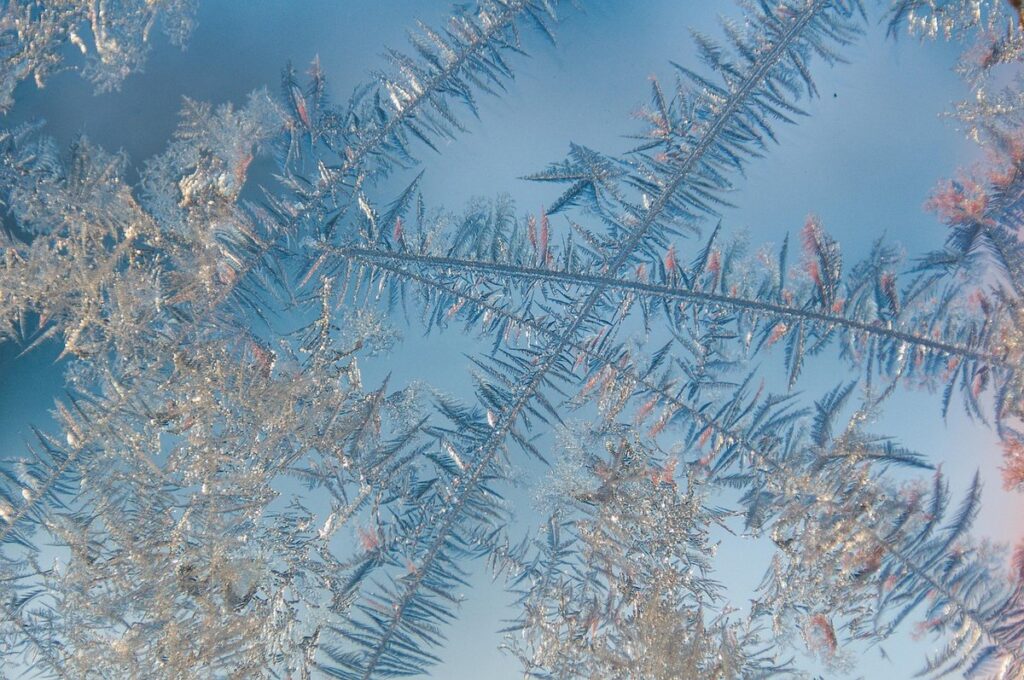
What are Vivianite Crystals?
Vivianite crystals have been shrouded in mystery, and to uncover their secrets, let’s start by understanding what they are: a rare and beautiful mineral species.
Definition and Classification
Vivianite crystals are part of the phosphates mineral group and hold a unique place among minerals due to their distinctive properties. From a chemical perspective, vivianite is composed of iron, phosphate, and water (Fe3(PO4)2·8H2O). This composition sets it apart from other minerals.
In terms of classification, vivianite falls under the category of secondary phosphates, meaning they are formed through the alteration of pre-existing minerals. Their formation process often involves geological changes such as weathering or metamorphism. This specific origin contributes to the crystal’s distinct appearance and relatively rare occurrence in nature.
When encountered in natural settings, it’s not uncommon for vivianite crystals to form together with other secondary phosphates. The association between these minerals can provide valuable information about the environmental conditions under which they formed. For those interested in studying or collecting vivianite, understanding its classification and properties is crucial for identification and further research.
History of Discovery
Vivianite crystals have been fascinating geologists and mineral enthusiasts for centuries. The earliest recorded discovery of vivianite dates back to 1758 by Swedish chemist and mineralogist Axel Cronstedt. However, it was not until the late 19th century that the crystal’s composition and properties were thoroughly studied.
The name “vivianite” is derived from British geologist and mineral collector James Ivory Vivian (1791-1841), who first described the mineral in 1833. Initially, vivianite was mistaken for other minerals due to its similar appearance, but its unique crystal structure soon set it apart.
Interestingly, vivianite crystals are relatively rare, found primarily in phosphate-rich deposits of sedimentary rocks. Their distinctive blue-green color is a result of the presence of iron and phosphate ions within the crystal lattice. Today, collectors and scientists continue to study vivianite, recognizing its unique properties and beauty. Despite its rarity, vivianite remains one of the most sought-after mineral specimens among enthusiasts.
Properties and Composition
Vivianite crystals have a unique chemical composition that sets them apart from other minerals. They are an iron phosphate mineral with the chemical formula Fe 3 (PO 4 ) 2 · 8H 2 O, indicating their high concentration of iron and phosphorus. This composition is responsible for their distinct greenish-blue color.
The crystal structure of vivianite crystals is orthorhombic, meaning they have a rectangular-shaped crystal lattice. This unique arrangement of atoms contributes to their remarkable optical properties and gives them a distinctive sparkle in the right light. When examined under magnification, the crystals often display needle-like or fibrous inclusions that reflect their complex internal structure.
In terms of physical properties, vivianite crystals are relatively soft, with a Mohs hardness of around 1.5-2 on the mineral hardness scale. They also have a high density and are moderately soluble in water, which can lead to etching or pitting over time if exposed to moisture.
Their unique combination of composition, structure, and physical properties make vivianite crystals truly one-of-a-kind minerals that continue to fascinate collectors and scientists alike.
Formation and Occurrence
Let’s take a closer look at how vivianite crystals form, including their mineral composition and geological occurrence. This is where geology meets chemistry.
Geological Processes
Vivianite crystals are formed through a series of complex geological processes that involve the presence of phosphate-rich waters. This unique combination is essential for the crystallization process to occur. In areas where iron and phosphate are present, such as near phosphorus deposits or in regions with high levels of agricultural runoff, vivianite can form.
The formation of vivianite crystals typically begins when phosphate-rich water flows through rocks or sediments containing iron minerals. The iron and phosphate react to form a hydrated ferric phosphate compound, which is the chemical makeup of vivianite. As this compound precipitates out of solution, it accumulates in layers over time, eventually growing into crystalline structures.
The presence of oxygen also plays a crucial role in the formation process. In environments with low oxygen levels, vivianite crystals are more likely to form due to the slower rate of chemical reactions. This is evident in deep-sea sediments and other areas where oxygen scarcity prevails.
Mineralogical Associations
When examining vivianite crystals, you may notice that they often form in conjunction with other minerals. One of the primary associations is with phosphate minerals, which are a key component of vivianite’s chemical composition. Minerals like apatite and pyromorphite are commonly found alongside vivianite, as they share similar crystal structures and formation processes.
Other minerals, such as iron oxides, may also be present in the same geological formations as vivianite. These oxides can play a crucial role in the crystal’s development, particularly in the initial stages of growth when iron-rich fluids are still present. In fact, studies have shown that up to 20% of vivianite specimens contain significant amounts of iron oxide inclusions.
If you’re interested in collecting or studying vivianite crystals, being aware of these mineral associations can be beneficial. For example, identifying the presence of apatite or pyromorphite may provide clues about the crystal’s formation conditions and potential location within a geological deposit.
Famous Deposits and Localities
Vivianite crystals are found in very few locations around the world, making them extremely rare and highly sought after by collectors. One of the most notable deposits is in the Kalahari Desert in Botswana, where large quantities of vivianite were discovered in the 1960s. This deposit is considered one of the largest in the world and has produced some of the finest specimens of vivianite crystals.
In North America, vivianite can be found in limited quantities in the United States, particularly in the states of New Jersey and Pennsylvania. The best-known locality for vivianite in the US is the Franklin Mine in New Jersey, which was mined extensively for zinc and lead ore but also produced a small amount of vivianite crystals.
Vivianite has also been found in Australia, specifically in Western Australia, where it occurs in iron-rich deposits. These deposits are often associated with other rare minerals, such as jeremejevite and phenakite.
Due to their rarity, finding high-quality vivianite crystals can be a challenge for collectors. If you’re interested in searching for these beautiful crystals, we recommend researching localities thoroughly and working with experienced dealers or miners who have knowledge of the deposits. Be prepared to invest time and resources into your search, as the best specimens are often discovered through persistence and dedication.
Identification and Verification
To accurately identify vivianite crystals, it’s essential to know what they look like and how to distinguish them from similar minerals. In this next part of our guide, we’ll cover the key characteristics to verify their authenticity.
Characteristics and Features
Vivianite crystals are distinguished by their unique characteristics and features that set them apart from other minerals. One of the most striking aspects of vivianite is its vibrant blue-green color, which can range in hue from pale aquamarine to deep teal. This distinctive coloration is due to the presence of iron and phosphate ions within the crystal structure.
When it comes to luster, vivianite crystals typically exhibit a waxy or vitreous appearance, although some specimens may display a more earthy or dull quality. Crystal habit can also vary, with vivianite often forming tabular or prismatic crystals that may be elongated or short and stout.
To identify vivianite, look for its characteristic blue-green color and waxy luster. Note the crystal’s shape and size, as well as any inclusions or growth patterns that may be present. By paying attention to these features, you can increase your chances of correctly identifying this beautiful and enigmatic mineral.
Diagnostic Tests and Techniques
When it comes to identifying vivianite crystals with certainty, relying on visual inspection alone may not be enough. That’s where diagnostic tests and techniques come into play. X-ray diffraction (XRD) is a common method used to identify minerals like vivianite. This non-destructive technique involves passing X-rays through the crystal, which scatters in unique patterns depending on its internal structure. By analyzing these patterns, scientists can determine the mineral’s chemical composition and crystalline structure.
Chemical analysis is another essential diagnostic tool for verifying the identity of vivianite crystals. Techniques such as atomic absorption spectroscopy (AAS) or inductively coupled plasma mass spectrometry (ICP-MS) can provide precise measurements of the crystal’s elemental composition, including iron, phosphate, and other key components.
To ensure accurate results, it’s essential to carefully prepare the sample for analysis. This may involve cleaning the surface, cutting a small section, or using specialized equipment to extract a representative sample. By combining these diagnostic techniques with a thorough understanding of vivianite’s chemical and physical properties, you can gain confidence in your identification and take your collection to the next level.
Potential Sources of Error
When identifying vivianite crystals, it’s essential to be aware of potential sources of error that can lead to misidentification. One common mistake is confusing vivianite with other iron-rich phosphate minerals like scorodite or phosphuranylite. These minerals often have similar optical properties and crystal shapes, making them easily mistaken for each other.
Another pitfall is relying too heavily on color as a distinguishing characteristic. While vivianite typically exhibits a vibrant greenish-blue hue, this can vary depending on the crystal’s composition and exposure to light. It’s also worth noting that some specimens may exhibit a range of colors due to inclusions or impurities.
To avoid these errors, it’s crucial to consider multiple factors when identifying vivianite crystals. This includes examining the crystal’s transparency, luster, and habit, as well as its chemical composition through techniques like X-ray fluorescence (XRF) or energy-dispersive spectroscopy (EDS). By taking a more comprehensive approach, you can increase confidence in your identification and avoid misclassifying these beautiful crystals.
Collecting and Displaying Vivianite Crystals
If you’ve managed to get your hands on some vivianite crystals, you’ll want to know how to showcase them in a way that highlights their unique beauty and delicate nature. Here’s what you need to consider when collecting and displaying these stunning minerals.
Precautions and Safety Considerations
When collecting and handling vivianite crystals, it’s essential to exercise special care due to their sensitivity. These delicate minerals can be easily damaged if not handled properly. To minimize the risk of damaging your crystals, start by carefully observing them from a distance to identify any potential weaknesses or cracks.
Upon collection, gently place the crystals in a protective container filled with a soft material like paper towels or cotton balls to prevent breakage. Avoid touching the crystals excessively, as the oils from your skin can damage their surface over time. When cleaning your vivianite crystals, use distilled water and a mild soap solution to prevent etching or chemical damage.
When displaying your vivianite crystals, choose a stable and level surface to prevent accidental drops. Use a secure display case or holder that won’t put excessive pressure on the crystal’s delicate structure. By taking these precautions, you can ensure the longevity and beauty of your vivianite crystals for years to come.
Display and Preservation Methods
When it comes to displaying and preserving vivianite crystals, you want to ensure that their unique beauty is maintained for years to come. First and foremost, avoid exposing them to direct sunlight as this can cause fading of the crystal’s vibrant blue-green color. Instead, place them near a north-facing window or use a UV-filtering glass to minimize damage.
To prevent damage from heat fluctuations, keep vivianite crystals away from radiators, air conditioning vents, and other sources of direct heat. If you live in an area with high humidity, consider using a dehumidifier to maintain a stable moisture level, ideally between 40-60%.
For displaying vivianite crystals, use a sturdy, acid-free mat or foam core to prevent damage from handling. Avoid touching the crystal itself as oils from your skin can leave behind residue. Instead, gently place it on a soft cloth before transferring it to its display case.
When storing vivianite crystals for extended periods, wrap them individually in tissue paper and place them in a secure container filled with silica gel packets to maintain humidity levels and prevent moisture buildup. Regularly check the crystal’s condition by inspecting for any signs of damage or degradation.
Tips for Care and Maintenance
To ensure your vivianite crystals remain in optimal condition over time, it’s essential to consider their environmental needs. Vivianite is a relatively soft mineral with a Mohs hardness of 2-3, making it susceptible to scratches and damage from exposure to moisture.
Keep your crystals away from direct sunlight and humid environments, as they can cause the crystal to dehydrate and become discolored. Avoid placing them near air conditioning or heating vents, fireplaces, or areas prone to flooding.
When cleaning your vivianite crystals, use a soft-bristled brush to gently remove any debris. For more thorough cleaning, mix a solution of mild soap and warm water, and dip the crystal into it for a few seconds before rinsing with distilled water.
Regularly check on the humidity level in your display area to ensure it remains within 40-50% relative humidity. This will help maintain the stability and color intensity of your crystals.
Scientific Significance and Research
Scientists have extensively studied vivianite crystals, shedding light on their formation, structure, and unique properties, which hold valuable insights into geological processes. Let’s dive deeper into these fascinating findings.
Mineralogy and Chemistry
Vivianite crystals have long fascinated scientists due to their unique chemistry and mineralogy. Recent research has shed light on the intricacies of these crystals, revealing properties that set them apart from other phosphate minerals. One key aspect is their composition, which typically consists of iron(II) phosphate, Fe3(PO4)2·8H2O. This chemical makeup contributes to vivianite’s characteristic greenish-blue color and its high density.
Studies have also explored the crystal structure of vivianite, revealing a complex arrangement of phosphate and iron ions. This ordered structure is responsible for the mineral’s anisotropy, meaning its physical properties vary depending on the direction of measurement. Researchers have used techniques such as X-ray diffraction to analyze the crystal lattice and better understand vivianite’s behavior under different conditions.
As scientists continue to study vivianite, they are gaining a deeper appreciation for this enigmatic mineral. For those interested in exploring vivianite further, understanding its chemistry and mineralogy is crucial. By examining the crystal structure and chemical composition of these crystals, researchers can uncover new insights into their formation processes and potential applications.
Environmental Applications
Vivianite crystals have piqued the interest of scientists and researchers due to their unique properties and environmental significance. One of the most notable applications of vivianite is its relationship with phosphate pollution, a significant environmental issue worldwide. Phosphate-rich waters can lead to eutrophication, causing algal blooms that deplete oxygen in water bodies, harming aquatic life. Vivianite’s ability to precipitate out excess phosphates makes it an important component in understanding and mitigating this problem.
In geological hazards, vivianite crystals play a crucial role in identifying areas prone to subsidence due to phosphate-rich sediments. By analyzing vivianite deposits, researchers can determine the presence of unstable rock formations that may lead to sinkholes or landslides. This information is vital for urban planning and hazard assessment, allowing authorities to take proactive measures to prevent disasters.
When exploring environments with potential phosphate pollution or geological hazards, keep an eye out for vivianite crystals as a signifier of underlying issues. Analyzing these crystals can provide valuable insights into the ecosystem’s health and potential risks. By studying vivianite, researchers and policymakers can develop more effective strategies for mitigating environmental disasters and promoting sustainable development.
Future Directions for Study
As we continue to unravel the mysteries of vivianite crystals, researchers are already looking to the future, exploring new areas of investigation that could lead to groundbreaking discoveries. One potential area of study is crystal growth mechanisms – a deeper understanding of how these crystals form and grow could provide valuable insights into their unique properties.
Scientists may also investigate potential uses for vivianite crystals in various industries, such as geology or materials science. For example, researchers might explore the use of vivianite crystals as indicators of environmental changes or as components in advanced materials with unique optical or electrical properties.
Furthermore, studying the crystal growth mechanisms and potential applications could lead to the development of innovative technologies that benefit society as a whole. This could include advancements in pollution monitoring, sustainable energy solutions, or even medical treatments. As our understanding of vivianite crystals evolves, so too will their potential to positively impact our world.
Frequently Asked Questions
How can I identify vivianite crystals in their natural form?
When collecting vivianite crystals, it’s essential to look for soft, blue-green hues and delicate formations. Pay attention to the crystal’s texture, which is often fibrous or tabular. Be cautious not to confuse vivianite with similar-looking minerals like apatite or vanadinite. If you’re new to mineral collecting, consider consulting with an expert or joining a local mineralogy club for guidance.
What are the primary factors that affect the formation of vivianite crystals?
The formation of vivianite crystals is influenced by several key factors, including pH levels, temperature, and the presence of iron and phosphate-rich minerals. These conditions must be met for vivianite to form, making it a rare occurrence in nature.
How can I store and display my vivianite crystal collection without damaging the specimens?
Proper storage and display are crucial when handling delicate vivianite crystals. Store them in a cool, dry place away from direct sunlight, using acid-free paper or containers to prevent damage. When displaying, avoid exposing the crystals to extreme temperatures or humidity fluctuations.
Can vivianite crystals be used in any practical applications?
Vivianite has potential environmental applications due to its phosphate content, which can help mitigate soil degradation and promote plant growth. However, further research is needed to explore these possibilities and ensure safe handling practices.
How do I know if my vivianite crystal is genuine or a fake?
Verify the authenticity of your vivianite crystals by consulting with a reputable mineral expert or laboratory. Look for signs of alteration, such as changes in color or texture, which can indicate natural aging. Be wary of overly uniform or artificially enhanced specimens, as these may be replicas or treated minerals.