
Tonight, millions of people around the world will be looking up at the sky, unaware that a multitude of objects are orbiting above them. Satellites play a crucial role in our daily lives, from providing us with weather forecasts to facilitating global communication. As night falls, a new generation of amateur astronomers and astrophotographers is emerging, eager to capture clear images of these invisible wonders. However, spotting visible orbiting objects can be challenging, especially for those new to the hobby. In this comprehensive guide, we’ll walk you through the basics of identifying communication satellites, weather satellites, and other objects that can be spotted in the night sky. By the end of this article, you’ll be equipped with the knowledge and skills necessary to spot these orbiting marvels and capture stunning images, taking your astrophotography hobby to the next level.
Understanding Satellites and Their Visibility
Satellites are often visible as tiny points of light in the night sky, but what makes them so hard to spot? Let’s break down the key factors that affect their visibility.
What are Satellites and How Do They Work?
Satellites are man-made objects that orbit the Earth at various altitudes. There are several types of satellites, including communication satellites, weather satellites, and navigation satellites, each with its own specific purpose. Communication satellites relay signals between different parts of the world, while weather satellites track storms and other atmospheric conditions. Navigation satellites provide location information for GPS systems.
Most satellites orbit the Earth in a path known as low Earth orbit (LEO), which ranges from 160 to 2,000 kilometers above the planet’s surface. In LEO, satellites complete one rotation every 90 minutes or less. Higher orbits exist for specific types of satellites, such as geostationary transfer orbit (GTO) and Molniya orbit, but these are less common.
A satellite’s orbital path is influenced by several factors, including its speed, direction, and mass. The gravity of the Earth also plays a crucial role in determining the shape and size of an orbit. Understanding how satellites work helps individuals appreciate their importance in modern life, from facilitating global communication to tracking weather patterns.
Identifying Satellites in the Night Sky
To spot satellites visually, find a dark location with an unobstructed view of the sky. Bring binoculars or a telescope to magnify the satellite’s small appearance. Check for optimal viewing conditions: clear skies, low humidity, and minimal moonlight. Satellites often appear as tiny dots of light, but some may be visible as bright streaks due to their speed.
When spotting satellites, look for characteristics like a steady, consistent motion against the stars. Most satellites will move from east to west, following their orbital path. Some satellites might seem to vibrate or flicker due to atmospheric interference. Be aware that nearby streetlights or moonlight can make it harder to see the satellite.
Check the internet for live satellite tracking feeds or mobile apps that provide real-time updates on visible satellites in your area. These resources often highlight specific satellites and their expected visibility times, helping you plan your viewing session. Note that some satellites may appear as bright stars due to their reflective surfaces or proximity to Earth. Keep these characteristics in mind when attempting to identify a satellite visually.
Types of Satellites Visible Tonight
As you gaze up at the night sky, you might be wondering what’s hovering above. Let’s take a closer look at some common types of satellites that could be visible tonight.
Communication Satellites
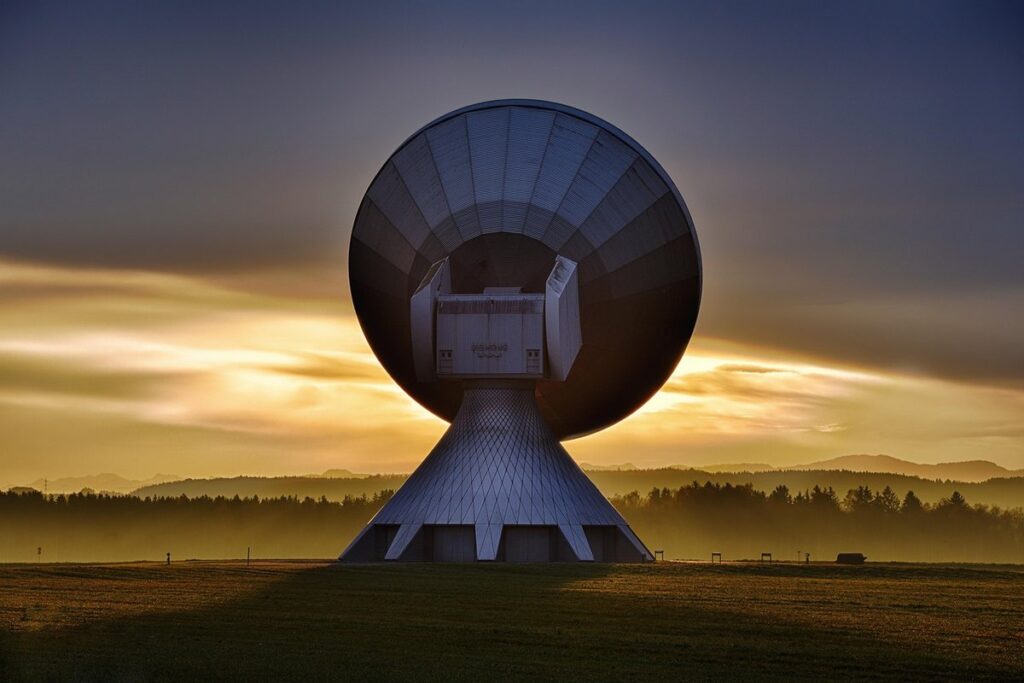
Communication satellites play a vital role in global connectivity, enabling international communication, navigation, and remote sensing. These satellites act as repeaters, amplifying weak signals from Earth and retransmitting them back to their intended recipients. This is particularly crucial for regions with limited terrestrial infrastructure or where geographical obstacles hinder signal transmission.
Some prominent examples of communication satellites include the Intelsat fleet, which provides global coverage for television broadcasting, internet connectivity, and mobile networks. The SES-9 satellite, launched in 2016, offers high-throughput capacity to support broadband services across Asia and the Pacific. Another notable example is the Inmarsat constellation, used for maritime communications, emergency response systems, and other critical applications.
The orbital patterns of communication satellites vary depending on their specific mission requirements. Some may be placed in geostationary orbit (GEO) at approximately 36,000 kilometers above the equator, while others may operate in medium Earth orbit (MEO) or low Earth orbit (LEO). Knowing a satellite’s orbital pattern can help you anticipate its visibility and plan your viewing schedule accordingly.
Weather Satellites
Weather satellites play a vital role in modern meteorology by providing critical data for forecasting weather patterns. Notable examples of these satellites include GOES-R (Geostationary Operational Environmental Satellite) and NOAA-20, which are operated by the National Oceanic and Atmospheric Administration (NOAA). These satellites offer high-resolution imagery of clouds, oceans, and landmasses, enabling scientists to track severe weather events like hurricanes and wildfires.
One notable feature of these satellites is their ability to capture high-frequency images every 30 seconds. This allows for real-time monitoring of rapidly changing weather conditions. For instance, GOES-R’s Advanced Baseline Imager (ABI) sensor provides detailed images of clouds, fog, and dust storms. These images are essential for predicting severe thunderstorms, flash floods, and other hazardous weather events.
Understanding the role of weather satellites requires considering their orbit and position in space. Geostationary satellites like GOES-R remain stationary over a fixed point on Earth, whereas polar-orbiting satellites like NOAA-20 move eastward across the planet twice each day. This difference affects the type of data they collect and the timeframes for which it’s relevant.
Viewing Satellites with Telescopes and Binoculars
To spot satellites, all you need is a clear view of the night sky, some basic equipment, and a bit of practice to get started with identifying these orbiting objects. You can use either telescopes or binoculars to begin your satellite spotting journey tonight.
Setting Up Your Equipment for Satellite Observation
Before you start observing satellites with your telescope or binoculars, it’s essential to set up your equipment correctly. For telescopes, begin by adjusting the focus to a moderate setting, usually around 100-200x magnification. This will allow you to see the satellite clearly without over-magnifying its small size.
Next, choose the right eyepiece or ocular for your binoculars. A wider field of view (around 30-50mm) is ideal for spotting satellites as they move across the sky. For telescopes, a narrower field of view (around 10-20mm) can help you track a single satellite more accurately.
Additionally, consider using a star diagonal to reduce eye strain and improve your viewing experience. This attachment flips the image right-side up, making it easier to observe objects in the night sky. Finally, ensure that your equipment is securely mounted on a tripod or equatorial mount to prevent any unwanted movements during observation.
Tips for Capturing Clear Satellite Images
To capture clear satellite images, you’ll want to focus on a stable and well-lit setup. Use a tripod to keep your camera steady, as even slight movements can blur the image. A wide-aperture lens (like f/2.8 or wider) will help gather more light from the dimly lit satellites.
Set your camera to manual mode and adjust the ISO to 800-1600 for optimal results. Since satellites are relatively small objects, use a high shutter speed – typically 1/100th of a second or faster – to freeze their motion. You can also experiment with slower shutter speeds (around 1/30th) for more artistic effects.
A remote shutter release or the camera’s timer will help minimize vibrations and ensure sharper images. Consider using image stabilization on your lens or camera body, as this will further reduce blur from handheld movements. Finally, choose a location with minimal light pollution to preserve the faint details of the satellites in your frames.
Advanced Topics in Satellite Observation
As we continue our journey through the world of visible satellites, let’s take a closer look at some more complex concepts that can help you better understand and track these orbiting objects. This includes topics like satellite constellations and orbital patterns.
Tracking Satellites with Software and Apps
There are several software and mobile apps available for tracking satellites, making it easier for enthusiasts to locate these orbiting objects in the night sky. One popular option is NASA’s own Satellite Pass app, which provides real-time satellite visibility predictions based on your location. This app allows you to filter by satellite type, altitude, and other criteria, giving you a better chance of spotting specific satellites.
Another useful tool is Stellarium, a free planetarium software that simulates the night sky in real-time. While it’s primarily designed for stargazing, it also includes a feature for tracking artificial satellites. The app can be accessed on desktop or mobile devices and provides detailed information about each satellite’s trajectory.
Keep in mind that these tools are not foolproof and may not always accurately predict satellite passes due to various environmental factors like cloud cover or atmospheric conditions. It’s essential to cross-check the predictions with other sources, such as online tracking platforms or local astronomy clubs.
Predicting Satellite Passes and Visibility Times
To predict satellite passes and visibility times, various algorithms and tools are employed. One such tool is NASA’s Satellite Situation Report (SSR), which provides detailed information on satellite orbits and predictions for optimal viewing times. This system uses complex calculations based on celestial mechanics to forecast when a particular satellite will be visible in the night sky.
Another popular resource for predicting satellite passes is Heavens-Above, an online platform that offers customizable forecasts tailored to your location and time of observation. This tool takes into account various factors such as satellite altitude, orbital inclination, and atmospheric conditions to generate accurate predictions.
In addition to these tools, some satellite tracking software also allows users to customize their viewing schedules based on specific criteria like satellite speed, altitude, and declination. For instance, the free-and-open-source program Stellarium can be used to simulate a virtual sky map and predict when a particular satellite will pass through the observer’s field of view.
When using these tools or software, it’s essential to understand that minor discrepancies may occur due to various factors like atmospheric conditions or satellite altitude variations.
Safety Considerations and Responsible Viewing
When stargazing, it’s essential to be aware of the potential risks associated with visible satellites, including their speed and proximity. We’ll discuss these safety considerations and responsible viewing practices in detail below.
Minimizing Light Pollution Impact on Satellite Observation
Light pollution is a significant obstacle for satellite observers, as it can make faint objects harder to detect. The increased light from cities and towns scatters into space, reducing the visibility of satellites by up to 50%. This effect is more pronounced at lower altitudes, where the atmosphere is thicker.
To minimize light pollution’s impact, try to observe satellites in areas with minimal artificial lighting. National parks or remote rural locations are ideal for this purpose. Avoid viewing near cities or towns, especially those with poorly maintained streetlights.
When observing from a light-polluted area, use averted vision to your advantage. This technique involves focusing on a point slightly off-center from the satellite’s position. By doing so, you can tap into your peripheral vision and make fainter objects more visible. Be patient and take breaks to give your eyes time to adjust.
Keep in mind that some satellites are designed to be more resilient against light pollution. These often have reflective coatings or specialized optics that help them withstand increased ambient lighting. However, this doesn’t mean you can simply observe from a city center – the benefits of these designs only go so far.
Best Practices for Satellite Viewing at Night
When viewing satellites at night, it’s essential to consider the surrounding environment and community. Minimize noise levels by choosing a quiet location with minimal ambient sound. This will not only enhance your stargazing experience but also respect the nocturnal habits of local wildlife.
Avoid areas with high foot traffic or residential zones to prevent disturbance and maintain public safety. If you’re observing in a park or nature reserve, be mindful of posted hours of operation and respect any designated quiet times.
To engage with the community and promote responsible stargazing, consider joining local astronomy clubs or participating in citizen science projects. These initiatives often involve satellite tracking and data collection, providing valuable insights for researchers and enthusiasts alike.
When observing satellites at night, always follow local regulations regarding light pollution. Use red lights or cover white lights to preserve your night vision, and avoid shining lights directly into the sky. By adopting these best practices, you’ll not only contribute to a more enjoyable viewing experience but also help protect the natural environment for future generations of stargazers. Keep your observations brief and considerate of nearby residents, and always follow local noise ordinances.
Frequently Asked Questions
Can I spot satellites with my naked eye in the city?
Yes, it’s possible to spot satellites with the naked eye in the city, but it may be challenging due to light pollution. Look for large constellations or bright objects moving slowly across the sky during optimal viewing conditions. Try to find a location with minimal artificial lighting and use binoculars or a telescope if necessary.
How do I know which software or app is best for tracking satellites?
Choose a software or app that offers real-time tracking, orbit data, and pass predictions. Consider factors like user interface, compatibility with your device, and the number of satellites it can track. Some popular options include NASA’s Jet Propulsion Laboratory’s Spot The Station and Satellite Tracker.
What if I miss a satellite pass due to bad weather or timing issues?
If you miss a satellite pass, don’t worry! Many satellites have regular orbits, so you’ll have plenty of opportunities to spot them in the future. Keep an eye on prediction software and apps for upcoming passes, and adjust your viewing schedule accordingly.
Can I use my smartphone’s camera to capture clear images of satellites?
Yes, but it may require some experimentation with settings and stabilization techniques. Use a tripod or a steady hand to minimize camera shake, and try using a wide-aperture lens or a telephoto attachment for better image quality. Adjust your camera settings for low-light conditions and consider using a remote shutter release for sharper images.
What if I’m interested in tracking specific satellites, like the International Space Station (ISS)?
You can use software or apps specifically designed for tracking the ISS, such as ISS Detector or Satellite Tracker. These tools provide real-time data on the ISS’s orbit, location, and passing times, making it easier to plan your viewing sessions.