
As we explore the fascinating world of geology, most people are familiar with the three main types of rocks: igneous, sedimentary, and metamorphic. However, there’s so much more to discover beyond these basics. From the fiery depths of volcanic activity to the gentle forces of erosion, a wide range of geological processes shape our planet’s surface in countless ways. In fact, did you know that many everyday materials, from granite countertops to river sand, are created through complex transformations involving various types of rocks? By learning about the formation processes and unique characteristics of other rock varieties, we can gain a deeper understanding not only of geology but also environmental science itself. This article will take a closer look at these lesser-known forms, including their applications in fields like construction, conservation, and beyond – by the end, you’ll have a solid grasp on what makes our planet’s rocky landscape so diverse and dynamic.
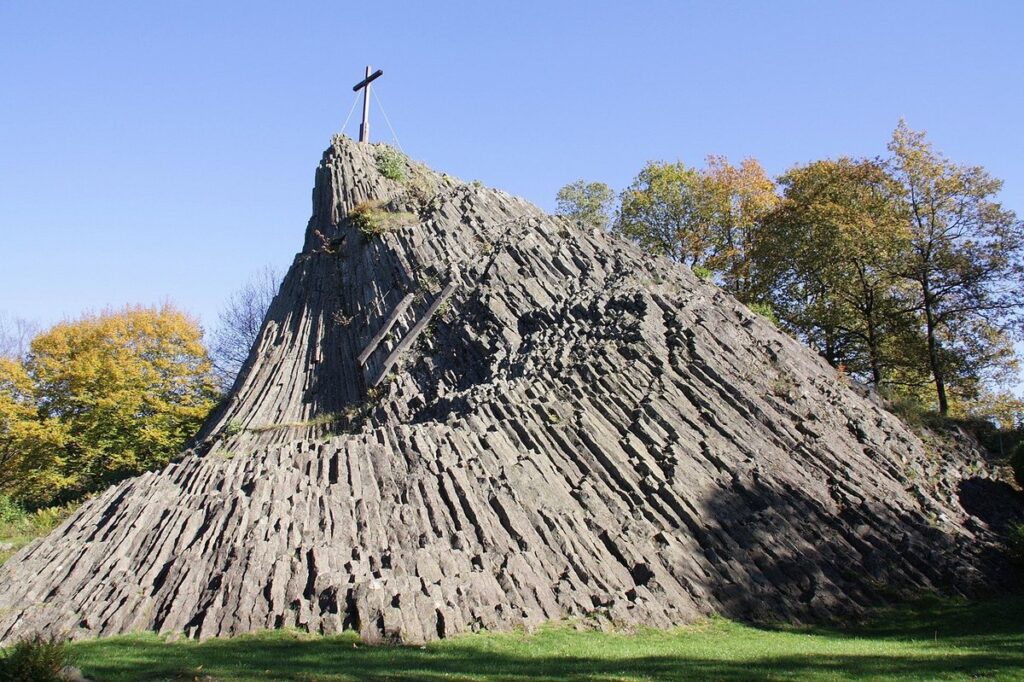
What are Metamorphic Rocks?
Metamorphic rocks form when existing rocks undergo intense heat and pressure, causing them to change their mineral composition and structure. This process can occur due to tectonic forces that squeeze rocks deep within the Earth’s crust.
Formation Process
Metamorphic rocks form through a complex process involving high pressure and temperature changes. This transformation occurs when existing rocks are subjected to intense heat and pressure deep within the Earth’s crust, causing them to undergo mineralogical changes. The original rock’s composition and structure are altered as new minerals crystallize and grow, replacing the old ones.
The formation of metamorphic rocks typically involves a combination of several factors, including tectonic forces, mountain-building processes, and burial by overlying sediments. For example, during continental collision events, the intense pressure and heat caused by the compression of two tectonic plates can transform shale into slate or limestone into marble.
The resulting metamorphic rocks exhibit unique textures and mineral compositions that distinguish them from their original forms. The high-grade metamorphism process can produce rocks with striking foliated patterns, such as schist or gneiss, while lower-grade metamorphism may result in non-foliated rocks like quartzite or hornfels.
Examples of Common Metamorphic Rocks
Marble is a metamorphic rock formed from the alteration of limestone under high pressure and temperature. Its unique characteristic is its distinctive veining pattern, often created by the flow of minerals through the rock. Marble can be used as a dimension stone for building and sculpting due to its attractive appearance and durability.
Slate is another common type of metamorphic rock, formed from shale or mudstone under similar conditions. It’s known for its fine-grained texture and smooth surface, making it suitable for use in roofing, flooring, and insulation. Slate’s dense composition also allows it to retain heat well, which can be beneficial in cold climates.
Quartzite is a metamorphic rock that results from the alteration of sandstone under intense pressure and temperature. Its unique feature is its high quartz content, which gives it exceptional hardness and durability. Quartzite is often used as a decorative stone for countertops, walls, and floors due to its attractive appearance and resistance to scratches and heat.
These examples illustrate the diverse range of metamorphic rocks formed through different geological processes. Understanding their unique characteristics can help in identifying and utilizing them effectively in various applications.
Importance in Geology and Industry
Metamorphic rocks play a crucial role in understanding geological events. They provide valuable insights into the Earth’s tectonic history, allowing geologists to reconstruct past environments and processes. The study of metamorphic rocks has also shed light on mountain building and plate tectonics.
In industry and construction, metamorphic rocks are highly valued for their strength and durability. Marble, a type of metamorphic rock, is often used in architecture due to its aesthetic appeal and resistance to weathering. Slates and phyllites are commonly used as roofing materials, while quartzites are employed in high-end flooring.
The unique properties of metamorphic rocks also make them suitable for various technological applications. For instance, some metamorphic minerals, such as talc and asbestos, have been harnessed for their lubricating and insulating capabilities. Additionally, the high-grade metamorphism of rocks can produce valuable economic deposits of copper, gold, and other metals.
The ability to predict and understand the formation of metamorphic rocks has significant implications for resource extraction and management. By studying these rocks, geologists can identify areas with potential for economic mineralization, ultimately contributing to more informed decision-making in industry and exploration.
Igneous Rock Varieties
Let’s take a closer look at some of the main types of igneous rocks, including intrusive and extrusive varieties that have formed over millions of years through volcanic activity.
intrusive vs. Extrusive Rocks
Igneous rocks can be broadly classified into two types based on their mode of formation: intrusive and extrusive. The primary distinction between these two categories lies in their texture and composition, which are directly influenced by the cooling process.
Intrusive igneous rocks form below the Earth’s surface and cool slowly, resulting in a coarse-grained texture. This slow cooling allows minerals to grow and crystallize, giving them a more uniform and distinct appearance. Granite is an excellent example of an intrusive rock, characterized by its speckled or streaked pattern.
In contrast, extrusive igneous rocks form above the Earth’s surface as a result of rapid cooling, often due to volcanic activity. This swift cooling leads to a fine-grained texture, with minerals forming smaller crystals. Basalt is a common example of an extrusive rock, exhibiting a smooth and glassy appearance. The differences in texture and composition between intrusive and extrusive rocks are primarily a result of the varying cooling rates and environments in which they form.
When working with igneous samples, identifying whether it’s intrusive or extrusive can be crucial for understanding its geological history and potential applications.
Granite: A Type of Intrusive Igneous Rock
Granite is a coarse-grained intrusive igneous rock that forms from slow-cooled magma deep within the Earth’s crust. Its characteristic speckled appearance results from large quartz and feldspar crystals embedded in a finer-grained matrix of the same minerals. This distinct texture gives granite its exceptional strength and durability, making it a prized material for construction and monument-building.
Granite is an abundant rock type worldwide, visible in mountain ranges like the Himalayas and the Sierra Nevada. Its widespread presence has led to numerous uses across various industries: as a dimension stone for architecture, a crushed aggregate in concrete, and even as a decorative countertop surface. In addition to its practical applications, granite’s striking colors and patterns make it a sought-after material for sculptors and artists.
When working with granite, it’s essential to consider its chemical composition and mineral content. Granite is primarily composed of quartz (25-50%), feldspar (20-60%), and mica (5-15%). Its high silica content gives it an acidic reaction to acid solutions, which can affect the rock’s durability in certain environments. Understanding these properties helps individuals choose suitable granite varieties for specific projects or locations, ensuring optimal performance and lifespan.
Basalt: An Example of Extrusive Igneous Rock
Basalt is a fine-grained, dark-colored rock that forms when lava flows cool and solidify on the surface of the Earth. This process is characteristic of extrusive igneous rocks, which are created from magma that has been quickly cooled by exposure to air or water. As a result, basalt often exhibits a glassy texture, with small crystals visible under magnification.
Basalt’s properties make it an important material in various industries. Its high compressive strength and resistance to weathering make it suitable for construction applications, such as building roads and airport runways. Basalt is also used as an aggregate in concrete, providing additional strength and durability. In addition, basalt fibers are used in insulation materials due to their thermal stability.
The formation process of basalt can be influenced by factors such as the rate of cooling, gas content, and chemical composition of the magma. For example, rapid cooling can result in a glassy texture, while slower cooling may produce a more crystalline structure. Understanding these processes is essential for predicting the properties and behavior of basalt in different geological contexts. By examining the characteristics and applications of basalt, we gain insight into the complexities of igneous rock formation and the diverse roles that extrusive rocks play in shaping our environment.
Sedimentary Rock Types
Sedimentary rocks come in a variety of forms, including clastic, chemical, and organic types, each with its own unique characteristics and formation processes. Let’s take a closer look at these fascinating sedimentary rock types.
Conglomerate and Breccia
Conglomerate and breccia are two types of sedimentary rocks characterized by their unique composition. Conglomerate is formed when rounded pebbles and cobbles, often originating from pre-existing rocks, are cemented together by minerals or silicates. This process can occur in various environments, including rivers, glaciers, and marine settings. As a result, conglomerate often exhibits a diverse range of rock fragments and fossils.
Breccia, on the other hand, is formed through a more violent process, typically involving explosive events such as volcanic eruptions or meteorite impacts. The intense pressure and heat cause existing rocks to shatter and reassemble into a new, fragmented structure. Breccia often displays a more chaotic arrangement of rock fragments compared to conglomerate.
Both conglomerate and breccia are significant in geology due to their ability to provide insights into the tectonic history and past environmental conditions of an area. By studying these rocks, scientists can reconstruct ancient landscapes and understand the processes that shaped them. In addition, the unique composition and structure of conglomerate and breccia make them useful for construction and engineering purposes, such as aggregate production and building materials.
Limestone: A Type of Chemical Sedimentary Rock
Limestone is a type of chemical sedimentary rock formed through mineral precipitation. This process occurs when water rich in calcium and carbonate minerals flows through underground spaces and deposits layers of calcite, causing the rock to harden over time.
One of the key characteristics of limestone is its high porosity, which makes it susceptible to erosion and dissolution by acidic water. As a result, limestone formations often exhibit unique features such as caverns, sinkholes, and karst topography. In some regions, these features can create significant challenges for infrastructure development and urban planning.
From an economic perspective, limestone is highly valued for its use in construction materials like cement, concrete, and aggregate. It’s also a major source of calcium carbonate, which is used in paper production, water treatment, and pharmaceutical manufacturing. Despite its versatility, however, the extraction of limestone can have environmental consequences if not managed properly.
To mitigate these risks, it’s essential to adopt sustainable mining practices that prioritize reclamation, minimize waste generation, and respect local ecosystems. By doing so, we can balance our need for this resource with the need to preserve natural habitats and protect the environment.
Sandstone: An Example of Clastic Sedimentary Rock
Sandstone is a type of clastic sedimentary rock that forms when sand-sized grains are compressed together. This process typically occurs in a marine environment, where the weight of overlying sediments causes the sand grains to be pressed into a solid mass. As a result, sandstone often exhibits distinct textural features, such as cross-bedding and mud drapes.
One key characteristic of sandstone is its porosity, which can range from 5% to 30%. This porosity makes sandstone an important reservoir rock for oil and gas production. In fact, many major oil fields are located in areas where sandstone is the dominant sedimentary rock type.
In addition to its economic significance, sandstone has a wide range of applications in construction and architecture. Its durability and resistance to weathering make it an attractive choice for building facades, monuments, and other exterior structures. For example, many famous landmarks, such as the Taj Mahal, are built from sandstone due to its unique aesthetic appeal.
The formation process of sandstone is also significant because it provides valuable insights into ancient environments and climates. By studying the composition and texture of sandstone, geologists can reconstruct past conditions on Earth, including sea levels, ocean currents, and atmospheric circulation patterns.
Other Rock Types
Let’s explore some of the lesser-known rock types that don’t fit neatly into the igneous and sedimentary categories, including those formed by unique geological processes. These rocks are just as fascinating as their more common counterparts.
Hydrothermal Veins
Hydrothermal veins form through a unique process involving the interaction between hot fluids and rocks. When magma cools deep within the Earth’s crust, it can release fluids rich in minerals such as copper, gold, and silver. These fluids then flow through fractures in surrounding rocks, depositing minerals along their path. This process can occur at significant depths, often in areas where tectonic plates are colliding or diverging.
As a result of this interaction, hydrothermal veins can contain a wide variety of minerals, each with its own distinct properties and characteristics. The composition of these veins is heavily influenced by the temperature and chemistry of the fluids involved, as well as the type of rocks they interact with. For example, copper-rich deposits are often found in areas where hot fluids have reacted with limestone or other carbonate-rich rocks.
The formation of hydrothermal veins can create valuable mineral deposits that are extracted through mining. Understanding this process is crucial for geologists and miners seeking to identify potential sites for exploration. By recognizing the unique combination of minerals present in these veins, they can better assess their economic viability and plan extraction efforts accordingly.
Meteorites: Extraterrestrial Rocks
Meteorites are extraterrestrial rocks that have fallen to Earth, providing a unique window into the composition and formation of other celestial bodies. These space rocks can range in size from small pebbles to massive boulders, and their composition varies greatly depending on their origin.
Some meteorites are primarily composed of iron or stony material, while others contain a mix of both. The most common type of meteorite is the ordinary chondrite, which consists of silicate minerals such as feldspar and pyroxene. Other types include enstatite chondrites, which are rich in metal and have a high nickel content.
The significance of meteorites lies not only in their extraterrestrial origin but also in the information they provide about the early solar system. By studying the composition and structure of meteorites, scientists can gain insights into the processes that shaped our planet’s history. For example, the discovery of meteorites with unique isotopic signatures has helped researchers piece together the puzzle of planetary formation.
Some notable examples include the Murchison meteorite, which is one of the most well-studied meteorites and contains a range of extraterrestrial amino acids, and the Sutter’s Mill meteorite, which was discovered in California in 2012 and contains fragments of stardust.
Fossil-bearing Rocks
Fossil-bearing rocks are a crucial type of rock for understanding Earth’s history. These rocks form when sedimentary layers compress and cement together, trapping fossils within. The formation process typically occurs over thousands to millions of years, with the pressure and temperature conditions allowing fossilized remains to be preserved.
Examples of fossil-bearing rocks include shale and limestone. Shale is often formed from fine-grained sediments like clay or silt that contain fossils. Limestone, on the other hand, can contain fossils of ancient sea creatures like corals, shells, or even entire skeletons. The preservation of these fossils depends on various factors, including the type of sediment, pressure, and chemical conditions.
Paleontologists rely heavily on fossil-bearing rocks to reconstruct ancient ecosystems and understand evolutionary relationships between species. By studying the arrangement of fossils within a rock, scientists can infer information about past environments and climate conditions. In practice, this involves carefully extracting and analyzing fossils from these rocks to piece together the history of life on Earth.
The Role of Rock Types in Environmental Science
Rocks play a crucial role in understanding and addressing environmental issues, such as soil erosion and climate regulation. This section will examine how metamorphic rocks specifically contribute to these processes.
Climate Change and Geology
Understanding the dynamic relationship between rock types and climate change is crucial for predicting future geological processes. Changes in temperature and atmospheric pressure lead to shifts in the Earth’s geology, influencing the formation of different rock types over time. For instance, metamorphic rocks can provide valuable information about past climatic conditions. The presence or absence of certain minerals, such as garnet or staurolite, can indicate the extent of regional metamorphism caused by tectonic activity or high-pressure conditions. These changes often occur in response to variations in atmospheric oxygen levels, which in turn affect the rate and type of chemical reactions that occur within the Earth’s crust.
To better understand the link between climate change and geology, scientists study rock samples from different regions with varying geological histories. By analyzing these samples, researchers can reconstruct past climates and develop models for predicting future changes. For example, a study on metamorphic rocks in the Himalayas revealed that the region experienced intense tectonic activity during the Indian-Eurasian plate collision, which led to significant regional metamorphism. This knowledge helps geologists understand how climate change impacts geological processes worldwide.
Geological Hazards and Risk Assessment
Geological Hazards and Risk Assessment are closely tied to the characteristics of different rock types. For instance, areas with high concentrations of metamorphic rocks like slate and schist are more susceptible to landslides due to their high density and tendency to break down into small fragments. This is because these rocks often form in environments where intense pressure and heat have caused significant deformation, resulting in a highly fragmented structure.
Similarly, sedimentary rocks like conglomerate can be prone to erosion and flooding, particularly if they contain large amounts of loose gravel or other loose materials that can easily be washed away by water. In areas with high levels of rainfall or rapid snowmelt, this can lead to significant hazards for nearby communities.
When assessing risk in these regions, it’s essential to consider the specific properties of the local rock types and how they might interact with environmental factors like precipitation or seismic activity. This involves a combination of geological mapping, monitoring of weather patterns, and regular maintenance of flood protection systems. By understanding the relationship between rock type and hazard potential, communities can take proactive steps to mitigate risks and protect their residents.
Conclusion
In conclusion, exploring types of rocks beyond igneous and sedimentary is crucial for a deeper understanding of geology. While these two categories are often emphasized, they only account for a fraction of the Earth’s rocky landscape. Metamorphic rocks, formed through intense pressure and heat, offer a distinct category worth examining. Their unique textures and structures make them valuable resources for industries like construction and manufacturing. Additionally, metamorphic rocks provide essential information about the tectonic processes that shape our planet.
Practically speaking, recognizing different types of rocks enables more informed decision-making in fields such as mining, engineering, and environmental science. By considering the characteristics of various rock types, individuals can better assess geological hazards and opportunities. For instance, understanding metamorphic rocks’ properties is vital for assessing seismic risks and identifying mineral deposits. By broadening our knowledge of rock types, we gain a more nuanced appreciation for the complex processes that govern our planet’s surface.
Frequently Asked Questions
How Can I Tell If a Rock is Metamorphic or Igneous?
When examining rocks in the field, it can be challenging to determine if they are metamorphic or igneous. One way to distinguish between the two is by observing the rock’s texture and mineral composition. Metamorphic rocks often have a distinctive foliation or schistosity, while igneous rocks tend to have a more uniform texture. Additionally, metamorphic rocks may contain minerals that are not typically found in igneous rocks.
What If I’m Not Sure Which Type of Rock I Have?
If you’re unsure about the type of rock you’ve collected, it’s a good idea to consult with a geologist or take a sample to a lab for analysis. This can help confirm the rock’s composition and provide more information about its formation process.
Can Metamorphic Rocks Be Formed Through Human Activities?
Yes. While metamorphic rocks are typically formed through natural geological processes, human activities such as mining and drilling can also cause rocks to undergo metamorphism. For example, the high temperatures and pressures generated by deep drilling operations can alter the mineral composition of surrounding rocks.
How Do I Collect and Store Metamorphic Rocks for Further Study?
When collecting metamorphic rocks, it’s essential to handle them carefully to avoid damaging their delicate structure. Wrap the rock in paper or a cloth to prevent scratching, and store it in a dry, secure location away from direct sunlight. If you plan to conduct further analysis, consult with a geologist or lab technician for guidance on proper sampling and storage procedures.
Can I Use Metamorphic Rocks in My Garden or Outdoor Space?
While metamorphic rocks can be aesthetically pleasing, they may not be the best choice for outdoor use due to their tendency to crumble or weather over time. Instead, consider using more durable materials such as granite or bluestone for your landscaping needs.