
When working with construction materials or studying geology, understanding the basics of rock classification is essential. Three primary categories dominate the earth’s crust: igneous, sedimentary, and metamorphic rocks. You may be familiar with these terms, but do you know how they’re formed, what sets them apart from one another, and why they play a crucial role in various industries? For instance, igneous rocks can be used as a durable base for roads, while sedimentary rocks often provide the ideal foundation for buildings due to their layered structure. Meanwhile, metamorphic rocks undergo transformations under immense pressure and heat, resulting in unique properties that make them suitable for applications such as high-temperature insulation or abrasive materials. In this article, you’ll learn about the distinctive formation processes, key characteristics, and practical uses of these three fundamental types of rocks.
Understanding Rock Classification
To truly grasp the rock cycle, it’s essential to understand the three main types of rocks: igneous, sedimentary, and metamorphic. Each has its own unique characteristics and formation processes.
Defining Igneous Rocks
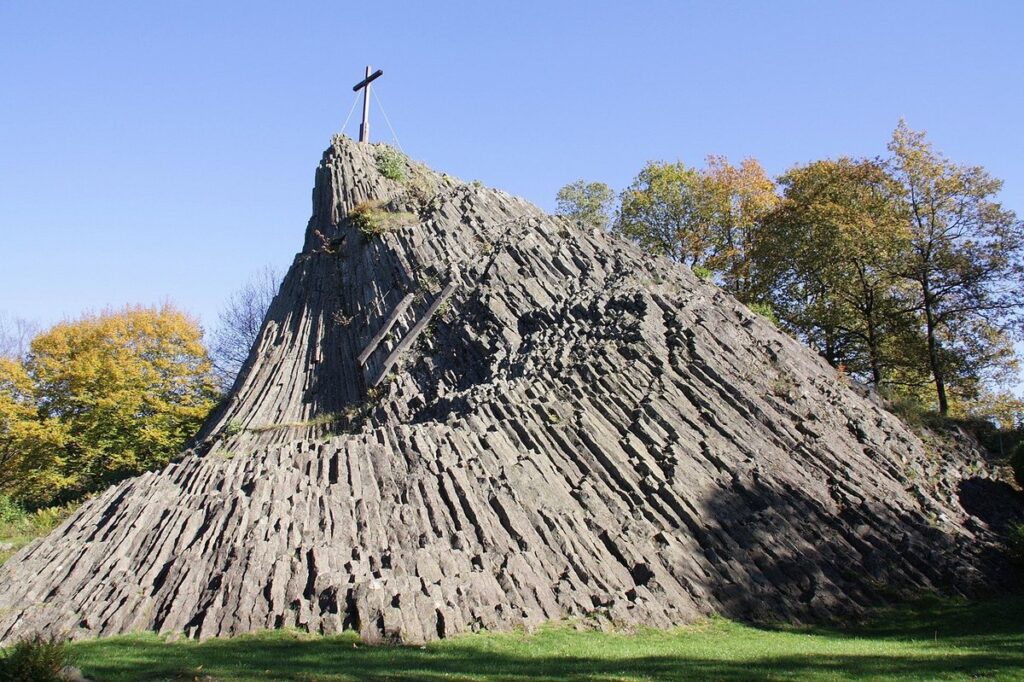
Igneous rocks are formed through a process called solidification, where molten magma cools and solidifies either beneath the Earth’s surface or above it. This can happen due to volcanic eruptions, which release magma onto the surface as lava, or through slow cooling of magma deep within the planet. Granite is a common example of an igneous rock that forms when magma slowly cools over time. Basalt, on the other hand, is typically formed when lava cools rapidly.
The resulting texture of igneous rocks can vary greatly depending on their formation process. Slow-cooled rocks like granite tend to have larger crystals and a more speckled appearance, while quickly cooled rocks like basalt are often characterized by small crystals or even glassy textures. Understanding the differences between these formations is crucial for accurately identifying an igneous rock.
Some of the key characteristics of igneous rocks include their distinctive texture and mineral composition. For example, granite typically contains high amounts of quartz and feldspar minerals, while basalt is primarily composed of plagioclase and pyroxene minerals. By recognizing these patterns and properties, you can confidently identify an igneous rock.
Characteristics of Sedimentary Rocks
Sedimentary rocks are formed through a process of erosion and deposition. They can be composed of a variety of materials, including mineral particles, organic matter, and chemical precipitates. Shale is a type of sedimentary rock that forms from the compaction of clay particles. It’s often soft and easily broken, which makes it useful for certain industrial applications.
Limestone, on the other hand, is a sedimentary rock composed primarily of calcium carbonate. It forms through the accumulation of shells and skeletons from ancient marine organisms. Limestone can be prone to dissolution by acidic water, but its high calcium content also makes it a valuable resource for construction and manufacturing.
Sandstone is another common type of sedimentary rock that’s formed from sand-sized mineral particles. These particles are typically deposited in layers, which can create visible banding patterns within the rock. The strength and durability of sandstone depend on factors such as the type of minerals present and the degree of compaction.
Metamorphic Rock Formation Process
High pressure and temperature transformations are responsible for creating metamorphic rocks. These processes occur when existing rocks are subjected to immense heat and compression deep within the Earth’s crust. This can happen due to tectonic plate movement, mountain building, or volcanic activity.
The intense heat causes minerals in the rock to recrystallize into new minerals with different crystal structures, resulting in changes to the rock’s texture and composition. Pressure forces these minerals to reorganize and pack more tightly together, often forming a denser, more compact structure.
For example, shale can be transformed into slate through metamorphism. This process involves the recrystallization of clay minerals into mica or chlorite, resulting in a smooth, foliated texture. The transformation from shale to slate is irreversible and occurs when the rock is subjected to high pressure and temperature conditions over millions of years.
In general, the degree of metamorphism depends on the intensity and duration of the heat and pressure applied to the rock.
Properties and Formation of Igneous Rocks
Igneous rocks are formed from molten magma that cools and solidifies, resulting in unique textures and compositions. Let’s examine how their properties and formation processes set them apart.
Magma Generation and Eruption
Magma formation is a complex process that gives rise to two distinct types of igneous rocks: intrusive and extrusive. The primary difference between these rock types lies in their cooling rates, which are influenced by the depth at which they solidify.
Intrusive rocks form when magma cools slowly beneath the Earth’s surface, typically within continental crust. As a result, these rocks have coarse-grained textures, with visible crystals that reflect the slow cooling process. Granite is a classic example of an intrusive rock, often exhibiting large quartz and feldspar crystals.
In contrast, extrusive rocks are formed when magma erupts at the Earth’s surface, rapidly cooling through contact with air. This rapid cooling results in fine-grained textures, as the minerals have little time to grow before solidifying. Basalt is a common example of an extrusive rock, often displaying small, glassy crystals.
Understanding the differences between intrusive and extrusive rocks can help you better comprehend the geological processes that shape our planet’s surface. By recognizing these characteristics, you’ll be able to identify specific types of igneous rocks in various environments, from volcanic landscapes to mountain ranges.
Cooling and Solidification Processes
As magma cools and solidifies, it undergoes a series of physical changes that significantly impact its texture and composition. This process can occur either beneath the Earth’s surface, resulting in intrusive igneous rocks, or above ground, producing extrusive igneous rocks. The cooling rate plays a crucial role in determining the rock’s final characteristics.
Rapid cooling typically leads to fine-grained textures, such as those found in basalts and obsidians, while slow cooling allows for larger crystals to form, resulting in coarse-grained textures like granite. Additionally, the presence of gases within the magma can cause it to explosively erupt, producing rocks with unique textures and compositions.
The solidification process is also influenced by factors such as the viscosity of the magma and the pressure exerted upon it. For example, rocks that cool rapidly may retain trapped gas bubbles, leading to a characteristic vesicular texture. Conversely, slowly cooled rocks often exhibit larger crystals and a more compact structure. Understanding these processes helps geologists interpret rock formations and reconstruct geological events.
Examples of Common Igneous Rocks
Granite is one of the most common types of igneous rocks, known for its coarse-grained texture and speckled appearance. It’s a popular choice for building construction due to its durability and resistance to weathering. Obsidian, on the other hand, has a smooth, glassy surface that forms when lava cools rapidly. This process creates a conchoidal fracture pattern, making obsidian an ideal material for tool-making.
Pumice is another type of igneous rock that’s formed from volcanic ash and lava bubbles. Its porous texture gives it a spongy appearance, and it’s often used as an abrasive in cleaning products or as insulation due to its low density. These examples illustrate the wide range of textures and compositions found in igneous rocks.
When identifying igneous rocks, look for their distinctive textures and mineral composition. Granite typically contains quartz, feldspar, and mica minerals, while obsidian is characterized by its lack of visible crystals. Pumice, meanwhile, often retains small air pockets that give it a characteristic “spongy” feel. By understanding the properties and characteristics of these common igneous rocks, you can better appreciate their unique formation processes and uses in everyday life.
Composition and Formation of Sedimentary Rocks
Let’s take a closer look at how sedimentary rocks form, from the erosion of existing rocks to their eventual compression into new, layered rock formations. This process is unique among the three main types of rocks.
Weathering and Erosion Processes
Weathering and erosion are the primary processes by which existing rocks break down into sediment. Weathering involves the physical disintegration of rocks through exposure to environmental factors such as temperature fluctuations, moisture, and biological activity. For example, the roots of plants can grow into cracks in rocks, causing them to expand and eventually split apart. Chemical weathering occurs when minerals in the rock react with acidic water or oxygen, leading to the breakdown of the rock’s structure.
Erosion is the transportation of weathered particles away from their source. This can occur through various means such as wind, water, or ice. For instance, rivers and streams carry sediment downstream, where it may be deposited in a new location. Over time, repeated cycles of weathering and erosion can lead to the formation of sedimentary rocks.
A key aspect to consider is the rate at which these processes occur. Weathering can take place rapidly through physical means or more slowly through chemical reactions. Erosion rates also vary depending on factors such as the energy of flowing water or wind velocity. Understanding these processes is essential for predicting how existing rocks will break down and eventually form new sedimentary rocks.
Deposition and Lithification
Sediments are deposited at various locations on Earth’s surface, such as oceans, rivers, and lakes. This process can occur through natural means like erosion or human activities like construction. The deposited sediments then undergo lithification, a gradual transformation from unconsolidated sediment to a solid rock. Lithification involves the compression of sediments due to overlying layers, which causes them to compact and lose their original texture.
The rate of lithification varies depending on factors such as pressure, temperature, and time. In general, it takes thousands to millions of years for sediments to become fully consolidated rocks. The process can be influenced by external factors like tectonic activity or changes in sea level. As a result, different types of sedimentary rocks are formed through distinct lithification processes.
Key components that affect the rate and outcome of lithification include:
• Pressure from overlying layers
• Temperature fluctuations
• Duration of compression
• Presence of cementing agents (like minerals)
A well-understood example of lithification is the formation of shale, a fine-grained sedimentary rock formed from the compaction of clay particles.
Types of Sedimentary Rock Textures
Sedimentary rocks exhibit a range of textures that provide valuable clues about their formation and history. One common texture is layering, where distinct layers of sediment are stacked on top of each other. This can be caused by fluctuations in water levels or changes in the type of sediment being deposited. A well-known example of layered sedimentary rock is shale, which often forms from the compaction of clay-rich sediments.
Cross-bedding is another characteristic texture found in some sedimentary rocks. It occurs when sand-sized particles are transported and deposited in a different direction than their original orientation. This can create visible cross-patterns or ridges on the surface of the rock. Examples include conglomerate, which forms from rounded pebbles cemented together, and sandstone, which is composed of compacted sand grains.
Nodular textures, where rounded nodules or concretions form within a sedimentary matrix, are often seen in limestone and dolostone rocks. These nodules can be composed of calcite, iron oxide, or other minerals that precipitate out of the solution as it moves through the rock. The formation of these nodules is typically related to changes in the chemistry of the water or the local environment.
These textures not only reflect the conditions under which the sedimentary rocks formed but also provide valuable information for geologists studying the Earth’s history and processes.
Metamorphic Rock Transformation Processes
Metamorphic rocks transform through intense heat and pressure, altering their mineral composition and structure. We’ll explore how these conditions change igneous and sedimentary rocks into new forms.
Pressure and Temperature Effects
High pressure and temperature changes can alter existing rocks through a process known as metamorphism. This occurs when rocks are subjected to intense heat and pressure, causing their mineral composition to change. For instance, shale, which is a type of sedimentary rock, can transform into slate under the high pressure and temperature conditions found in mountain-building processes.
The effects of pressure on rocks are more pronounced than those of temperature alone. At high pressures, minerals tend to recrystallize, forming new crystals that are more stable under these conditions. For example, quartz can undergo a phase transition from alpha-quartz to beta-quartz when subjected to high pressure, resulting in a change in crystal structure.
The temperature at which metamorphism occurs is also crucial. Rocks may experience multiple stages of metamorphism as they are buried deeper and exposed to increasing temperatures. This can result in the formation of new minerals and textures that are characteristic of metamorphic rocks. For example, marble forms when limestone or dolostone undergoes high-temperature metamorphism, resulting in the recrystallization of calcite into a coarse-grained aggregate.
Mineral Replacement and Neometamorphism
Mineral replacement is a critical process in metamorphic rock formation where one mineral is replaced by another. This can occur through various mechanisms, including metasomatism and hydrothermal activity. For instance, calcite can replace dolomite in limestone rocks under the right conditions of temperature and pressure.
Neometamorphism is a related concept that refers to the recrystallization of minerals within existing metamorphic rocks. This process can result in the formation of new minerals with distinct crystal structures and properties. A classic example of neometamorphism is the conversion of quartz to coesite under high-pressure conditions, which often occurs in subducted oceanic crust.
The replacement or recrystallization of minerals within metamorphic rocks can significantly alter their physical and chemical characteristics. For instance, changes in mineral composition may affect the rock’s density, hardness, and porosity. Understanding these processes is essential for identifying and interpreting metamorphic rocks in geological settings. By recognizing the types of mineral replacement and neometamorphism that have occurred, geologists can gain insights into the complex tectonic histories of ancient rocks.
Examples of Common Metamorphic Rocks
Marble is a well-known example of a metamorphic rock, formed when limestone is subjected to high pressure and temperature. This process can occur over millions of years, causing the mineral calcite to recrystallize into a new, more compact form. As a result, marble often exhibits a distinctive veining pattern, which is created by the concentration of minerals like calcium carbonate.
Slate is another common metamorphic rock that forms when shale or claystone is subjected to intense pressure and heat. The resulting rock has a smooth, fine-grained texture and is often used as a roofing material due to its durability and water resistance. Slate’s metamorphic history can also be seen in its characteristic dark color and ability to split cleanly along certain planes.
Quartzite is a type of metamorphic rock that forms when quartz-rich sandstone or chert is subjected to high pressure and temperature. This process causes the individual quartz grains to fuse together, forming a single, interlocking crystal structure. The resulting rock is extremely hard and resistant to weathering, making it a popular choice for construction and landscaping projects. These three rocks – marble, slate, and quartzite – are just a few examples of the many types of metamorphic rocks that exist, each with its unique characteristics and properties.
Comparison and Contrast of Igneous, Sedimentary, and Metamorphic Rocks
Igneous, sedimentary, and metamorphic rocks are distinct in their formation processes, but what sets them apart? Let’s examine how these differences shape each type of rock.
Key Differences in Formation Processes
The formation processes of igneous, sedimentary, and metamorphic rocks differ significantly. Igneous rocks form through the cooling and solidification of magma or lava, which can occur either beneath the Earth’s surface or above it. In contrast, sedimentary rocks are formed through the accumulation and compression of mineral and organic particles, often over long periods.
Metamorphic rocks, on the other hand, undergo a transformation under high pressure and temperature conditions, causing their original minerals to change. This process can occur due to tectonic forces, mountain building, or exposure to high-grade metamorphism. The key differences in formation processes between these rock types are largely driven by the intensity of the external pressures and temperatures involved.
Here are some key factors that distinguish these processes:
• Temperature and pressure conditions: Igneous rocks form under variable temperature conditions, while sedimentary rocks typically form under ambient temperatures. Metamorphic rocks, however, undergo significant changes due to high-grade metamorphism.
• Geological setting: Igneous rocks can form in a variety of settings, from submarine volcanoes to continental rift zones. Sedimentary rocks are often formed in shallow marine or terrestrial environments. Metamorphic rocks typically form within mountain-building zones or areas of tectonic activity.
Similarities and Analogies Between Rock Types
Rock types may seem distinct based on their formation processes, but there are also notable similarities. For instance, both igneous and metamorphic rocks can exhibit foliation, a layered structure caused by pressure or flow of minerals. In fact, some igneous rocks, like gneiss, show pronounced foliation due to the movement of magma beneath the Earth’s surface.
Similarly, sedimentary and metamorphic rocks may share similar textures. For example, shale, a type of sedimentary rock formed from compressed clay particles, can exhibit a layered or banded appearance, reminiscent of some metamorphic rocks like schist. This is because both types involve compression or compaction processes that lead to the formation of distinct layers.
Some rocks also display analogous mineral compositions. Take quartzite, a metamorphic rock formed from sandstone under intense pressure and heat, and granite, an igneous rock with high quartz content. Despite their different origins, these two rocks can exhibit similar textures and mineral distributions due to shared mineral components.
Applications and Uses of Rocks
You’ve learned about the three main types of rocks, now it’s time to see how they’re used in everyday life. From construction to crafts, each type has its own unique applications.
Construction Materials and Engineering
Rocks are a fundamental component of construction materials due to their unique properties and versatility. Granite, for example, is widely used as a building stone because it’s durable, resistant to weathering, and can be easily carved into various shapes. Limestone and sandstone are also popular choices for building facades and walls due to their attractive appearance and relatively low cost.
In addition to their aesthetic value, rocks possess mechanical strength that makes them suitable for load-bearing structures such as foundations, columns, and arches. Marble, a metamorphic rock, is often used in high-end construction projects due to its fine grain and ability to be polished to a high shine.
However, it’s essential to consider the limitations of using rocks as construction materials. For instance, they can be heavy and difficult to transport, which may increase project costs. Additionally, some types of rocks are prone to weathering or erosion over time, requiring regular maintenance to ensure structural integrity. When selecting rocks for a construction project, it’s crucial to assess their suitability based on factors such as strength, durability, and resistance to environmental stressors.
Industrial and Economic Importance
Rocks are a vital component in various industrial processes and have significant economic importance. The extraction and processing of different types of rocks provide essential materials for manufacturing and construction. For instance, granite is often used as a primary material for countertops due to its durability and aesthetic appeal. Basalt, on the other hand, is frequently employed in road construction and aggregate production due to its strength and resistance to weathering.
The economic importance of extracting and processing rocks is also evident in their use as raw materials in various industries. Limestone, for example, is used extensively in cement production, while sandstone is often utilized in glass manufacturing. The extraction of these rocks can create employment opportunities and stimulate local economies.
In addition to their industrial applications, rocks are also essential for the production of various minerals, including iron ore, copper, and gold. The processing of these minerals not only generates significant revenue but also provides a vital source of income for many countries.
Frequently Asked Questions
Can I use any type of rock for construction?
Yes, the choice of rock depends on its properties and applications. For example, granite is commonly used for building foundations due to its high compressive strength, while limestone is often used for decorative purposes in architecture.
How do I identify a metamorphic rock in the field?
Metamorphic rocks can be identified by their unique textures and mineral compositions. Look for signs of recrystallization, such as foliation or lineation, which indicate that the rock has undergone high pressure and temperature changes. Compare these characteristics with those described in the article.
What if I want to extract a specific type of rock from my property? Are there any environmental considerations?
Yes, extracting rocks can have significant environmental impacts. Consider consulting with local authorities and geologists to assess the potential effects on the surrounding ecosystem and ensure that your extraction methods are sustainable and responsible.
Can sedimentary rocks be formed underwater?
Yes, many types of sedimentary rocks are formed in aquatic environments. For example, limestone is often created through the accumulation and compression of calcium carbonate-rich sediments in shallow seas or lakes. Consider this when thinking about the geological history of a specific region.
How can I apply the knowledge from this article to my own research on rock formation?
The principles discussed in this article can be applied to various fields, including geology, engineering, and environmental science. Use this knowledge as a foundation for further investigation into specific topics or case studies that interest you.