
When you’re out exploring the great outdoors, whether it’s hiking or simply wandering through your backyard, you might stumble upon an intriguing rock formation that catches your eye. But how can you tell if that rock is actually a geode, those prized crystals-encrusted wonders that spark excitement among rockhounds and collectors? The ability to identify geodes is a valuable skill for anyone interested in geology or searching for unique specimens, as it allows you to locate and evaluate these precious formations before extracting them from their natural habitat. This guide will walk you through the types of geodes, where they can be found, and the advanced techniques for identifying them, giving you the confidence to hunt for geodes with greater success. By the time you finish this article, you’ll know how to tell if a rock is a geode, even when it’s hidden beneath its rough exterior.
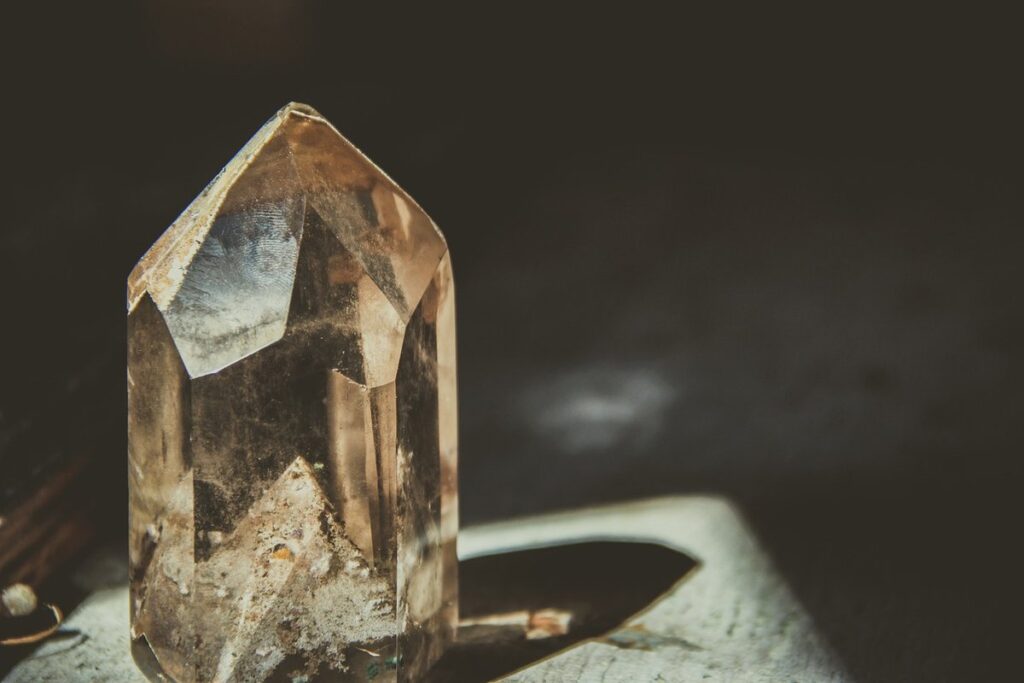
Understanding What a Geode Is
A geode is essentially a hollow rock with crystals forming inside, often taking millions of years to develop. To spot one, you need to know what you’re looking for in terms of its unique characteristics.
Definition and Types of Geodes
A geode is a hollow rock formed by millions of years of natural processes. The definition encompasses both the rock’s exterior and interior characteristics: it must be made entirely of mineral material, have an internal cavity or chamber, and its walls must be lined with crystalline structures. This unique combination distinguishes geodes from other types of rocks. There are two primary categories of geodes: those that form through the accumulation of minerals around a nucleus, such as a fossil or a hollow shell, and those that grow in place within volcanic rock.
The latter type often contains amethyst, agate, or calcite crystals. Agatized fossils, for example, are actually ancient fossils replaced with layers of chalcedony – a type of quartz. These geodes form when mineral-rich groundwater flows through the rock, depositing minerals over time and filling existing voids with crystalline material. The resulting structures can be strikingly beautiful, with intricate patterns and colors created by the arrangement of individual crystals.
Keep in mind that not all hollow rocks are geodes – they must also have a lining of crystalline structures to qualify as such.
Identifying Geodes in Nature
Geodes often form in environments where water and mineral-rich solutions have interacted over long periods. Volcanic regions are one such location, as they provide a conducive setting for geode formation. The volcanic rocks that underlie these areas can be rich in minerals like silica, which is a primary component of many geodes.
Another common location is around ancient lake beds or playas. In these areas, the ground water would periodically flood and deposit layers of minerals, often creating ideal conditions for geode growth. As the waters recede, they leave behind hollow cavities that can be lined with crystals over time.
It’s worth noting that geodes are less likely to form in areas with high temperatures or rapid geological changes. This is because such environments tend to disrupt the slow and steady process of mineral deposition required for geode formation.
When searching for geodes, it may be helpful to focus on regions with a history of volcanic activity or ancient lake beds. These locations provide fertile ground for the formation of hollow cavities lined with crystals, which are characteristic features of geodes.
Preparing to Inspect the Rock
Before you begin inspecting a rock for signs of being a geode, it’s essential to prepare yourself and the rock by doing some groundwork. This involves understanding what characteristics to look for and how to hold the rock correctly.
Choosing the Right Tools
When inspecting rocks for potential geodes, having the right tools can make all the difference. A hand lens is a crucial tool for getting up close and personal with the rock’s surface features. It allows you to examine tiny details that might be difficult to see with the naked eye. For example, you might notice small cracks or ridges on the surface of the rock that could indicate the presence of a geode.
A magnifying glass is also useful for examining the rock’s surface and identifying potential geodes. However, it may not provide as much detail as a hand lens. If you’re new to rockhounding, consider investing in both tools to get a better understanding of what you’re looking at.
You’ll also need a hammer or rock pick to safely open any potential geodes. This is especially important if you suspect that the rock contains a hollow cavity. Use a gentle touch when tapping on the rock with your hammer, as excessive force can damage the surrounding rock and make it difficult to extract the geode intact. When choosing a rock pick, opt for one with a flat or pointed end to minimize damage to the rock.
Safety Precautions
When working with rocks to identify potential geodes, safety should be your top priority. Before you begin inspecting and potentially drilling into a rock, make sure you’re wearing proper protective gear. This includes gloves to prevent cuts and abrasions from sharp edges or rough surfaces, as well as safety glasses to shield your eyes from flying debris or loose rocks.
It’s also essential to be aware of your surroundings when working with rocks. Choose a flat, stable surface for your work area, and avoid standing near any overhangs or steep drop-offs that could put you at risk if you accidentally lose your footing. Be mindful of any nearby hazards, such as power tools or sharp objects.
If you’re planning to drill into a rock, ensure the area is well-ventilated to prevent inhalation of dust or debris. Consider using a dust mask or respirator for added protection. Lastly, keep children and pets at a safe distance while working with rocks to avoid any potential accidents or distractions. By taking these simple precautions, you can focus on identifying geodes without worrying about your safety.
Visual Inspection Techniques
When inspecting a rock for geode potential, there are several visual techniques you can use to identify signs of hidden crystals or cavities. Look for unusual shapes and colors that may indicate a geode’s presence inside.
External Characteristics
Rounded edges can be a telltale sign of a geode. When a rock’s surface has been worn down by weathering and erosion, it often develops rounded corners and edges. This is because the harder outer layer has been gradually chipped away, revealing the softer interior beneath. If you notice that a rock’s edges are significantly more rounded than its center, it could be an indication of a geode.
Unusual color patterns can also be a giveaway. Geodes often have distinct bands or swirls of color on their exterior surface. These patterns result from the buildup of minerals over time and can create striking visual effects. Look for rocks with bright, vibrant colors or unusual combinations of hues that don’t seem to occur naturally in the surrounding environment.
An uneven surface is another potential indicator of a geode. Geodes often have an irregular, lumpy appearance due to the formation of cavities within. As minerals accumulate and harden, they can create small bumps or protrusions on the rock’s surface. If you notice that a rock has an unusually rough or pockmarked exterior, it might be worth further investigation.
Internal Structure
When inspecting a rock for internal structure, hand lenses or magnifying glasses can be invaluable tools. These handheld magnifiers allow you to examine the rock’s inner cavities and hollows more closely than with the naked eye.
To use a hand lens effectively, hold it about 2-3 inches away from your eye and adjust the focus until the image appears clear. You can also move the hand lens around to get different angles on the same spot. When examining internal structures, look for signs of cavities or hollows that could indicate the presence of a geode.
When inspecting with a magnifying glass, you can often see more detail than with a hand lens due to its higher power (typically 5-10x). However, keep in mind that a magnifying glass is less portable and may not be as convenient for use on larger rocks. It’s also worth noting that some geodes have very small cavities or hollows that may only be visible under high magnification.
When examining internal structures with either tool, pay attention to any irregularities or patterns in the rock’s interior that could indicate a cavity or geode. Keep your eyes peeled for signs of crystalline growth or other features characteristic of geodes.
Testing for Hohlraum (Cavity) Presence
When examining a rock, one key test to identify a potential geode is searching for hollow cavities that may indicate a hohlraum presence. Look for areas where the rock’s interior seems unusually soft or spongy.
The ‘Knock Test’
The ‘Knock Test’ involves tapping on the rock’s surface with a hammer to detect if it contains an empty cavity. Hold the hammer by its handle and tap the rock gently but firmly, usually at one of the corners or edges. This will help you pinpoint any hollow sounds that might indicate a geode within. You’re looking for distinct sounds – such as a clear ‘ring’ or a dull thud – compared to the solid sound produced when tapping on a non-hollow area.
For example, if you tap on a rock and hear a clear ringing sound, it could be an indication of a cavity inside. On the other hand, a dull thud suggests that the rock is more likely to be solid. Remember to take your time and listen carefully for these distinct sounds – it’s often easier to detect them when tapping gently rather than aggressively.
When performing the Knock Test, try tapping on different areas of the rock, moving from one spot to another, and pay close attention to any changes in sound. A clear change in sound can indicate that you’ve found a hollow area.
The ‘Drill Test’
When drilling into a potential geode, it’s essential to exercise caution to avoid damaging the surrounding material or creating hazards. Begin by selecting a drill bit with a small diameter, typically 1/16 inch or smaller, which will minimize damage and reduce the risk of collapse. Hold the rock firmly in place using a vice or clamps to prevent it from shifting during the drilling process.
Apply gentle pressure to the drill, gradually increasing the depth as you make your way through the material. Be aware of any changes in sound or vibration, which can indicate that you’re approaching a cavity or hohlraum. If you encounter resistance or the drill starts to bind, stop immediately and reassess the situation.
As you drill, keep an eye out for signs of cracking or crumbling around the edges of the hole. This could indicate that the rock is fragile or has hidden weaknesses. To minimize risk, consider drilling a small pilot hole first, which can help guide your larger bit and prevent accidents. By taking these precautions, you’ll be able to safely assess the internal structure of the geode and gather valuable information about its composition.
Advanced Techniques
Now that you’ve got a good eye for spotting potential geodes, it’s time to take your skills to the next level by learning advanced techniques for identifying these hidden treasures.
X-Ray Fluorescence (XRF) Analysis
XRF testing can be a valuable tool for analyzing rocks without causing damage. This non-invasive technique detects the elemental composition of a rock by bombarding it with X-rays and measuring the resulting fluorescence. The analysis provides detailed information about the internal structures and mineral makeup of the rock.
The data collected from an XRF test can reveal the presence of specific minerals, such as calcite or quartz, which are often found in geodes. Additionally, the scan can identify any anomalies within the rock’s structure, indicating potential cavity formation. This technique is particularly useful for identifying rocks that may appear solid on the surface but contain internal voids.
While XRF testing can provide valuable insights, it’s essential to note that this method may not detect all types of geodes or mineral formations. For example, some geodes may be composed of materials that don’t fluoresce under X-ray exposure. As with any advanced technique, consult a professional before attempting an XRF analysis on your rock samples.
Scanning Electron Microscopy (SEM)
Scanning Electron Microscopy (SEM) technology allows for the examination of geodes at an extremely high resolution. This is particularly useful when trying to understand the intricate details of their formation processes. By using a focused electron beam, SEM can produce detailed images of the surface morphology, revealing features that are not visible to the naked eye.
These images often show evidence of crystal growth patterns, cavities, and other internal structures that provide valuable insights into how the geode formed. For example, SEM images may reveal clusters of quartz crystals or aggregates of calcite, which can help identify the type of mineralization process involved in the formation of the geode.
SEM is also useful for studying the surface textures of geodes, such as the presence of etch pits, micropits, or other features that are indicative of certain geological processes. However, it’s worth noting that SEM analysis typically requires specialized equipment and expertise, making it less accessible to amateur rockhounds. Nevertheless, understanding how SEM works can help you better appreciate the complex geological history of a geode, even if you don’t have direct access to this technology.
Final Evaluation and Conclusion
Now that you’ve identified a potential geode, it’s time to take a closer look at its characteristics to confirm your suspicions. A thorough evaluation will help you determine whether your rock is indeed a geode.
Evaluating Your Findings
When you’ve completed all the steps of inspection and testing, it’s time to synthesize the information you’ve gathered. To evaluate your findings accurately, consider each piece of data separately and then collectively. Ask yourself: do the external characteristics – such as shape, size, color, or texture – align with those typically found on geodes? Is there evidence of internal structure, like visible cavities or crystalline formations? Consider the results from any tests you conducted, including the knock test and drill test.
Be cautious when interpreting ambiguous data. If a rock shows some signs of being a geode but also displays features that are not typical, consider whether these anomalies could be indicative of an unusual formation process or contamination. Conversely, if all evidence points to a genuine geode, verify this by checking for consistent characteristics throughout the sample.
To ensure your assessment is thorough and objective, make a list of the key observations you’ve made during each step of the evaluation process. Then, tally up the count of positive indicators (e.g., external symmetry, internal cavities) versus any negative signs (e.g., unusual fractures, lack of crystalline structures).
Tips for Further Exploration
If you’re interested in pursuing rock hunting as a hobby, there are several resources available to help you get started. Joining local geology clubs or online forums can be an excellent way to connect with experienced collectors and learn new techniques for identifying geodes. These communities often share tips on where to find promising rocks, how to identify potential geodes, and what tools to use for cutting and polishing specimens.
You can also search for local rockhounding groups that organize field trips or expeditions to areas known for their geode deposits. This hands-on experience will give you the opportunity to practice your skills under the guidance of more experienced collectors. Additionally, many online forums have sections dedicated to sharing knowledge on specific types of rocks and minerals, including geodes.
When participating in these communities, be sure to follow any rules or guidelines for responsible rock collecting, such as obtaining necessary permits or respecting private property rights. By tapping into the collective knowledge and experience of other rock enthusiasts, you’ll be well-equipped to continue exploring the world of geodes and expanding your skills.
Frequently Asked Questions
What if I’m new to rock collecting and don’t have the right tools? Can I still identify geodes?
You can start with basic hand lens or magnifying glass, which can be purchased at most outdoor or hobby stores. As you progress in your hobby, you can invest in more advanced tools like hammers or rock picks for safely opening potential geodes. Many online forums and local clubs also offer resources and advice for beginners.
How do I know if a geode is valuable or not? Are there any specific characteristics that indicate its worth?
The value of a geode depends on various factors such as the type of minerals it contains, its size, rarity, and condition. Experienced collectors often look for unique formations, high-quality crystals, or specimens with exceptional color patterns. Researching market trends, consulting with experts, or joining collector communities can help you estimate a geode’s value.
Can I use XRF analysis on any rock to determine if it’s a geode? Or is this method more suitable for specific types of rocks?
XRF analysis is not limited to geodes alone; it’s a versatile tool for analyzing mineral composition and internal structures. However, its effectiveness may vary depending on the type of minerals present in the rock. For instance, XRF might struggle with identifying certain types of quartz or calcite within a geode.
What if I’ve identified a potential geode but am not sure how to safely open it without damaging the surrounding material?
When attempting to open a geode, use caution and carefully assess the rock’s structure before applying force. A gentle touch can often be more effective than brute strength. Consider consulting online resources or seeking advice from experienced collectors or geologists to learn specific techniques for opening your type of geode.
Can I use SEM technology at home or do I need specialized equipment and training?
While SEM technology is a powerful tool, it typically requires access to a laboratory setting with trained professionals. However, some companies offer mobile SEM services or DIY kits that can be used at home. Researching reputable providers and following their guidelines will help you determine the best approach for your specific needs.
Is there any way to preserve a geode’s natural formation after opening it? Or does it require special handling?
Proper preservation techniques depend on the type of minerals and crystals present in the geode. In general, avoid exposing the geode to direct sunlight or extreme temperatures, which can cause damage or discoloration. Store the opened geode in a secure container with minimal handling to prevent damage from dust, moisture, or other environmental factors.
What if I find a geode but am unsure how to properly clean it without damaging its internal structures?
Cleaning a geode requires gentle care to avoid dislodging crystals or damaging delicate formations. Use soft-bristled brushes and mild soap solutions to remove dirt or debris. Avoid using harsh chemicals, abrasive materials, or high-pressure water jets that can cause irreparable harm.
Can I use XRF analysis on a rock with existing damage or imperfections?
While XRF analysis can still provide valuable insights into the mineral composition of a damaged geode, its accuracy may be affected by the presence of external contaminants or damage. Consider consulting with an expert to assess the limitations and potential biases introduced by pre-existing damage.
How do I document my findings when identifying a new geode? What tools or software can help me record my observations?
Accurate documentation is crucial for tracking your progress, sharing discoveries, and preserving knowledge for future collectors. Utilize digital note-taking apps like Evernote or OneNote to log photographs, sketches, and descriptions of your geodes. Consider investing in camera equipment with macro capabilities to capture high-quality images of the internal structures.
What if I accidentally damage a geode while attempting to open it? Can it still be used for scientific study or sold as a specimen?
While accidental damage can reduce a geode’s value, it may still retain educational significance. Consult with experts to determine whether your damaged geode can be repurposed for research purposes. Alternatively, consider selling the rock as-is, highlighting its unique formation and any remaining intact areas.
Can I use SEM technology on rocks containing organic materials or are there specific protocols in place for such specimens?
SEM analysis requires careful consideration when dealing with specimens containing organic matter, which may introduce contamination risks or alter the sample’s integrity. When working with potentially sensitive samples, consult with experienced professionals to develop a tailored approach that balances scientific inquiry with preservation concerns.
How do I store and transport geodes safely without causing damage during handling?
Transporting and storing geodes demands attention to detail and proper precautions. Wrap specimens in bubble wrap or foam inserts to cushion against shocks, and consider using specialized containers designed for transporting fragile items. Store opened geodes in a secure location with minimal handling, avoiding direct sunlight and extreme temperatures.
Can I use DIY kits or online resources to learn advanced techniques like SEM analysis or XRF testing? Or is hands-on training essential?
While some online tutorials and DIY kits can provide introductory guidance on specialized equipment, they may not fully equip you for complex tasks. Hands-on training with experienced professionals remains the most effective approach for mastering advanced techniques.