
Fossil preservation is one of the most fascinating aspects of paleontology, allowing us to glimpse the lives of ancient creatures in remarkable detail. You’ve likely seen fossils that seem almost lifelike, with intricate details and textures still intact after millions of years. But have you ever wondered how these incredible relics were preserved? The answer lies in the five main types of fossil preservation: permineralization, replacement, impression, mold, and cast preservation. Each process works in a unique way to capture the essence of ancient organisms, from the intricate details of dinosaur bones to the delicate impressions left by long-extinct plants. In this article, you’ll learn how each type of preservation works, and discover the remarkable stories behind some of the most well-preserved fossils on record. By the time you finish reading, you’ll be able to identify and understand the different types of fossil preservation that have helped shape our understanding of the ancient world.
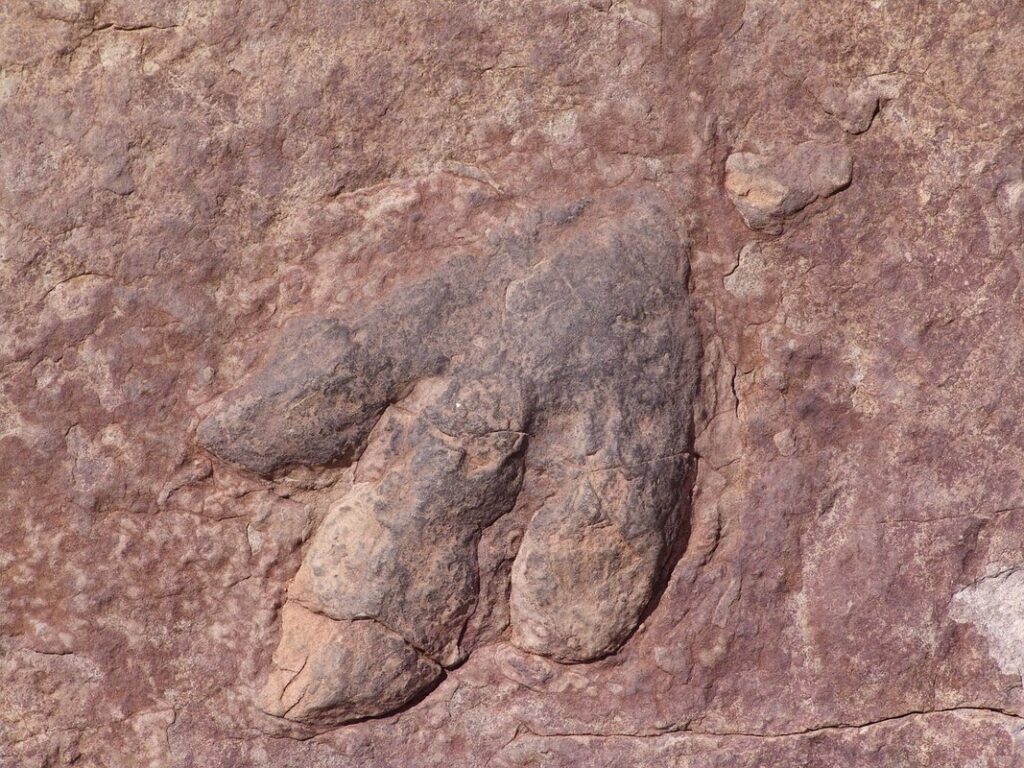
I. Permineralization
Permineralization is a type of fossil preservation where minerals seep into tiny spaces within the organism, creating a detailed, three-dimensional impression. This process can result in remarkably well-preserved fossils.
The Process of Replacement
Permineralization occurs when minerals from groundwater seep into the tiny spaces within fossils, gradually replacing the original organic material with a durable stone-like substance. This process can take thousands of years, depending on factors such as water flow and mineral concentration. As the minerals infiltrate the fossil, they fill in the microscopic details, creating an incredibly detailed replica.
The first step in permineralization is the dissolution of the original organic material by acidic groundwater. This allows minerals to enter the spaces left behind, where they precipitate out of solution as crystals. Over time, these crystals accumulate and grow, gradually replacing the original fossilized remains. For example, aragonite and calcite are common minerals involved in this process.
As a result of permineralization, fossils can be incredibly well-preserved, retaining even the smallest details such as textures and cell structures. Geologists often look for signs of permineralization when searching for fossils, as it can indicate that the fossil is exceptionally well-preserved. When interpreting permineralized fossils, it’s essential to consider the type of minerals involved and the conditions under which they formed, as this information can provide valuable insights into the fossil’s history and environment.
Formation of Calcite and Quartz
Calcite and quartz are two of the most common minerals involved in permineralization. These minerals can seep into the tiny spaces within fossils, replacing the original organic material with a new mineral structure that preserves intricate details and textures. Calcite is particularly adept at this process, often forming delicate crystals that mirror the shape and pattern of the original organism. In some cases, calcite may even create a stunning “radiating” effect, as the mineral grows outward from the center of the fossil.
Quartz, on the other hand, tends to form more coarse-grained aggregates that can still convey a sense of the original texture and morphology. While both minerals can produce remarkable results, it’s worth noting that calcite is generally more sensitive to environmental conditions and may be affected by changes in temperature or pH levels. Quartz, being more robust, can withstand a wider range of conditions, but its growth patterns can sometimes be less nuanced than those of calcite.
As a result, paleontologists often look for specific conditions – such as consistent temperatures and low oxygen levels – to optimize the formation of calcite and quartz in fossils. By understanding these processes, researchers can gain valuable insights into the environments in which ancient organisms lived and the complex interactions between minerals, water, and organic matter.
Examples of Permineralized Fossils
Permineralized fossils are remarkably preserved and offer a unique window into ancient ecosystems. One notable example is the exceptionally preserved insects from the Canadian amber deposits, which date back to around 300 million years ago. These tiny creatures, including flies, beetles, and even entire spiders, have been replaced by minerals such as calcite and quartz, preserving their intricate details.
Another impressive example of permineralized fossils are the ancient plant specimens found in the Rhynie chert deposits in Scotland. These plants, which lived over 410 million years ago, have been mineralized with quartz and other minerals, allowing scientists to study their cellular structure and internal organs in exquisite detail. The preservation of these plant fossils has even allowed researchers to reconstruct the earliest known vascular tissue systems.
The exceptionally preserved insects and plants mentioned above are just a few examples of the remarkable permineralization process. These fossils provide a treasure trove of information for paleontologists, allowing them to gain insights into ancient ecosystems, evolution, and climate conditions.
II. Replacement Preservation
Replacement preservation is a fascinating process that occurs when minerals from groundwater seep into tiny spaces within fossils, replacing the original material over time. Let’s explore how this unique type of preservation works in more detail.
The Process of Mineral Replacement
Mineral replacement occurs gradually, often over thousands to millions of years. It starts when minerals from surrounding rock or water seep into tiny cracks and crevices within the fossil’s original organic material. These minerals can be calcite, iron oxide, silica, or other minerals common in sedimentary rocks.
As more minerals flow in, they begin to displace the original organic matter, eventually replacing it entirely. This process can continue until only a thin layer of the original material remains, or sometimes none at all. The replaced fossil is now composed primarily of mineral material, often with a texture and appearance distinct from its original form.
The rate of replacement depends on various factors, including the type of minerals present, the pH level of the surrounding water, and the presence of other substances that might slow or speed up the process. For example, fossils found in areas with high concentrations of silica may experience faster replacement due to the abundance of this mineral.
In some cases, multiple types of minerals can replace different parts of a single fossil, resulting in a mixture of textures and compositions within a single specimen.
Types of Minerals Involved
Minerals such as silica, calcite, and iron oxides play a crucial role in replacement preservation. These minerals can replace soft tissues in fossils, resulting in well-preserved impressions and molds. Silica, for instance, is commonly found in sedimentary rocks like sandstone and shale, where it can seep into the fossilized remains of plants and animals.
Calcite, on the other hand, is a mineral that’s often associated with limestone formations. It can replace the original organic material, creating detailed impressions of the fossil’s texture and structure. Iron oxides, such as hematite and goethite, are commonly found in sedimentary rocks like sandstone and conglomerate. These minerals can impart reddish or yellowish colors to the fossilized remains.
In addition to these primary minerals, other substances can also be involved in replacement preservation. For example, pyrite (iron sulfide) and gypsum (hydrated calcium sulfate) can form during this process. The specific mineral that replaces the soft tissues depends on various factors, including the type of rock in which the fossil is embedded and the local geochemical conditions.
Examples of Replacement Fossils
Replacement fossils can take many forms, but some of the most common examples involve plant material. Leaves, stems, and roots are often replaced by minerals, creating detailed impressions of their original shape and structure. For instance, the fossilized remains of ancient ferns and horsetails exhibit remarkable preservation, with delicate veins and textures still visible after millions of years.
Other examples include coniferous tree trunks and branches that have been mineralized, showcasing the intricate patterns of growth rings and knots. These fossils not only provide valuable information about past ecosystems but also offer insights into the evolution of plant life on Earth. In some cases, replacement fossils can even preserve evidence of ancient diseases or injuries in plants.
When examining replacement fossils, it’s essential to note that the original organic material is often completely replaced by minerals, leaving behind a three-dimensional impression of the organism’s shape and structure. This process can be seen in various types of rocks, including limestone and sandstone, which provide an ideal environment for mineral replacement to occur.
III. Impression Preservation
Fossils that form through impression preservation are often found in areas where water has played a significant role, such as rivers and lakes.
These environments can create unique impressions of ancient organisms on surrounding rocks.
The Process of Compression
Compression occurs when the weight of overlying sediment or rock presses down on the original organic material, forcing it to flatten and conform to the surrounding rock’s surface. This process can happen rapidly, such as during a sudden landslide, or gradually, like with slow-moving glaciers.
The degree of compression varies depending on factors like the amount of pressure applied, the type of overlying sediment, and the water content of the material being compressed. In general, more rapid and intense pressure will result in greater compression, effectively “squishing” out any remaining original details.
A key aspect of impression preservation through compression is that it can occur simultaneously with other types of fossilization processes. For instance, if a plant or animal’s remains are subjected to both compression and mineral replacement, the resulting impression fossil may retain some mineralized features while still displaying the flattened structure of an impression fossil.
Types of Rocks Involved
Three primary types of rocks are involved in preserving fossil impressions through compression. Shales, a fine-grained sedimentary rock, are often associated with well-preserved impressions due to their ability to hold details without excessive deformation. Limestones, composed primarily of calcium carbonate, can also retain detailed impressions but may exhibit more distortion than shales.
Sandstones, another common sedimentary rock, typically preserve less-detailed impressions compared to shales and limestones. This is because sand grains are often larger and coarser, leading to a loss of fine details during the compression process. The type of rock involved can significantly impact the quality of preserved impressions, with shale generally producing the most detailed results.
When searching for fossil-bearing rocks, it’s essential to identify the specific types of sedimentary rocks present in the area. Geologists often distinguish between different rock formations based on their mineral composition and texture. By understanding which types of rocks are more likely to preserve high-quality impressions, collectors can focus their efforts on areas with the greatest potential for well-preserved fossil specimens.
Examples of Impression Fossils
Impressions of ancient sea creatures and plants can be preserved in sedimentary rocks through compression. This process involves the weight and pressure of overlying rock layers causing the original material to be displaced or erased, leaving behind a negative impression. Fossils of ancient sea creatures like ammonites and nautiluses often exhibit such impressions, which can provide valuable information about their size, shape, and internal structures.
Similarly, plant fossils may be preserved as impressions in shale or mudstone rocks. The fine-grained texture of these rocks allows for detailed preservation of delicate features like leaves, stems, and roots. For example, the impressions of ancient ferns and horsetails can be found in sedimentary rocks dating back to the Paleozoic Era.
When examining impression fossils, it’s essential to recognize that the original material has been lost, leaving behind only a representation of its shape and structure. This means that impression fossils often lack the detailed texture and coloration present in permineralized or replacement fossils. Nevertheless, they can still provide valuable insights into ancient ecosystems and environments.
IV. Mold Preservation
When it comes to preserving fossilized molds, a delicate balance of conditions is required to prevent decay and ensure that the original shape remains intact. This delicate process can be critical in capturing the details of ancient organisms.
The Process of Erosion
Mold preservation relies on the erosion of surrounding rock to expose a hollow space or mold where the original fossil once resided. This process typically occurs over millions of years through exposure to wind, water, and ice. As these agents wear away at the rock, they create a cavity that mirrors the shape and size of the fossil’s original form.
The type of rocks involved in this process often determines the likelihood and extent of mold preservation. For example, sedimentary rocks like shale or sandstone are more prone to erosion than igneous or metamorphic rocks due to their softer composition. This is why many mold fossils are found in areas where these types of rocks have been exposed through weathering.
The rate at which erosion occurs can also influence the quality and completeness of mold preservation. In general, slower rates of erosion allow for more precise detail to be captured within the mold, while faster rates may result in a less defined or even lost fossil impression.
Types of Rocks Involved
Limestones and sandstones are two common types of rocks that can preserve fossils as molds through erosion. These sedimentary rocks are formed from calcium carbonate and silica-rich minerals, respectively. Limestone is composed primarily of calcite, a mineral that forms when calcium ions combine with carbonate ions in the presence of water.
As a result, limestones often exhibit high levels of porosity, making them more susceptible to erosion over time. When acidic rainwater flows through these porous rocks, it can dissolve the calcite and create small cavities or molds that may capture the shape of an original fossil. Sandstones, on the other hand, are formed from sand-sized grains of silica-rich minerals such as quartz.
In areas where limestones and sandstones are exposed to erosion, fossils may be preserved in the form of molds. This is particularly common in regions with high levels of rainfall or in areas where acidic groundwater flows through rock formations. For example, the famous Burgess Shale fossil site in British Columbia, Canada features numerous mold impressions of ancient fossils formed within limestones and sandstones.
Both types of rocks can provide valuable information about the original shape and structure of a fossilized organism.
Examples of Mold Fossils
Mold fossils are three-dimensional impressions of ancient organisms that have been preserved in sedimentary rocks. These impressions can capture intricate details such as texture and morphology, providing valuable insights into the biology and ecology of long-extinct species.
Examples of mold fossils include those of ancient plants like ferns and horsetails. In some cases, these molds are filled with minerals, creating a composite fossil that includes both impression and replacement components. For instance, the famous Burgess Shale deposit in British Columbia contains numerous examples of Cambrian-era arthropods preserved as molds.
In addition to plant fossils, mold fossils have also been found in ancient animal populations. For example, some species of ancient fish are preserved as molds in sedimentary rocks from the Paleozoic era. These impressions often capture the internal anatomy and even soft tissues like skin and muscles. By studying these mold fossils, scientists can gain a better understanding of the evolution and diversity of life on Earth.
Some notable examples of mold fossils include those found in the famous La Brea Tar Pits in California, where ancient animals are preserved as molds in asphalt deposits.
V. Cast Preservation
Cast preservation is a type of fossilization where the original shape and details are preserved, often through natural materials like sediment or minerals. This technique can reveal intricate details that might otherwise be lost in more common forms of fossilization.
The Process of Mineralization
Minerals from surrounding rock or water seep into the mold during cast preservation, creating a three-dimensional replica of the original fossil. This process is known as mineralization. It typically occurs when water rich in minerals flows through the sediment where the fossil is buried. As the water passes over the surface of the mold, it deposits layers of minerals such as calcite, quartz, or silica.
The rate and type of mineralization depend on factors like the composition of the surrounding rock, the presence of groundwater, and the temperature and pressure conditions. For example, in areas with high levels of calcium carbonate, such as limestone formations, calcite is commonly precipitated out of solution to form a cast. This can lead to the creation of detailed fossils with intricate textures.
In some cases, multiple layers of minerals may be deposited over time, building up a thick layer that eventually forms a durable fossil cast. The combination of specific mineral types and conditions determines the quality and detail of the resulting fossil. By understanding these factors, geologists can better interpret the formation process of individual fossils.
Types of Minerals Involved
Silica, calcite, and iron oxides are common minerals involved in creating casts of fossils through mineralization. Silica, specifically quartz, is one of the most prevalent minerals responsible for casting fossils. Its ability to seep into the original organic material’s voids and replace it with a crystalline structure makes it an effective agent in fossil preservation.
Calcite, on the other hand, often forms as a result of permineralization processes but can also be involved in cast formation. It has a tendency to fill in the spaces left by the original organic matter, creating a detailed replica of the organism’s shape. Iron oxides play a significant role in certain regions where oxygen levels are high, contributing to the mineralization process and resulting in well-preserved fossil casts.
The type of mineral involved can significantly impact the quality and detail of the cast fossil. For instance, silica tends to produce clearer, more defined fossils compared to calcite. Conversely, calcite often results in less detailed fossils due to its tendency to fill in smaller spaces with a more porous material.
Examples of Cast Fossils
Cast fossils of ancient sea creatures and plants are a testament to the incredible preservation methods found in sedimentary rocks. These casts form when minerals from the surrounding rock seep into the empty mold left behind by the original organism, gradually replacing the original material with a mineral-rich substitute.
One iconic example is the fossilized cast of a giant squid, its tentacles stretching out like ghostly fingers from the surrounding limestone. Such finds are not only breathtaking but also provide valuable insights into the evolution and diversity of ancient marine life. Similarly, plant casts can be found in sedimentary rocks, often preserving intricate details such as leaf veins and branching patterns.
These cast fossils serve as a snapshot of what the Earth’s ecosystems looked like millions of years ago. They offer a unique opportunity for scientists to study the morphology and anatomy of long-extinct organisms, helping them better understand the complex relationships between ancient species and their environments. When examining cast fossils, paleontologists look not only at the fossil itself but also the surrounding rock matrix, searching for clues about the conditions under which it formed.
Frequently Asked Questions
Can Permineralization Preserve Soft Tissues?
Yes, permineralization can preserve soft tissues in fossils, but it’s less common than preserving harder materials like bones and shells. This is because the minerals involved in permineralization tend to replace softer organic matter more easily.
How Long Does It Take for a Fossil to Form Through Impression Preservation?
The time it takes for impression preservation to occur can range from thousands to millions of years, depending on factors like pressure, temperature, and the type of rock involved. This slow process allows for remarkably detailed impressions of ancient organisms.
Can Any Type of Rock Preserve Fossils as Molds?
While limestones and sandstones are common rocks that can preserve fossils as molds, other types of rocks like shales and conglomerates may also play a role in mold preservation under specific conditions. The key factor is the type of sedimentary process involved.
What Happens When There’s No Surrounding Rock to Preserve Fossils?
When there’s no surrounding rock to preserve fossils, they may not be preserved at all or might only leave behind an impression or mold. This highlights the importance of geological processes in creating fossil preservation types and why different environments can lead to varying results.
Can Cast Preservation Occur Without a Mold First?
Yes, cast preservation can occur without a mold first, through a process called “primary mineralization.” In this case, minerals directly replace the original organic material, creating a three-dimensional replica of the fossil.