
You might be surprised to learn that rocks can change their mineral composition and texture without melting. This process, known as metamorphism, is responsible for creating some of the most distinctive geological formations on our planet. There are several types of metamorphism, including dynamic metamorphism, which occurs under intense pressure and heat in mountain-building processes; regional metamorphism, a more widespread transformation that affects rocks over vast areas; contact metamorphism, where rocks are altered by proximity to magma bodies; and low-temperature metamorphism, a subtler process that takes place at relatively cooler temperatures. Understanding the different types of rock metamorphism is crucial for deciphering geological history, predicting natural hazards, and unlocking mineral resources. By exploring these distinct forms of metamorphism, you’ll gain valuable insights into the dynamic processes shaping our planet’s crust.
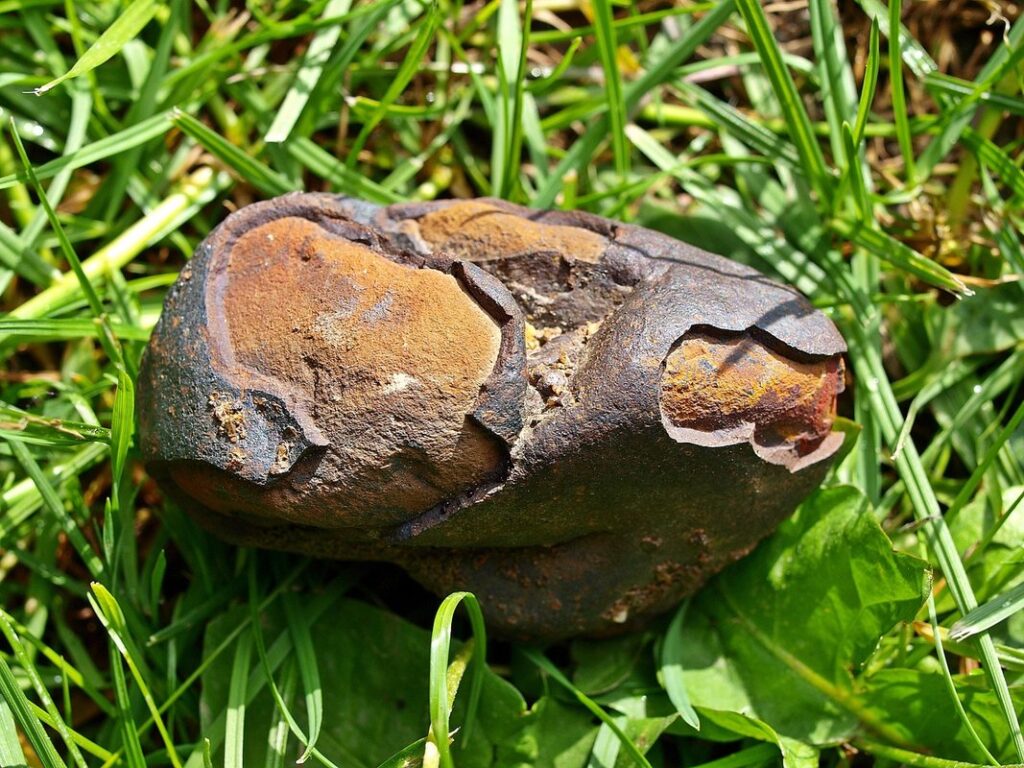
Understanding Metamorphism
Metamorphism is a fascinating process that transforms existing rocks into new, high-pressure minerals. Let’s explore how metamorphic processes can turn shale into slate and limestone into marble.
What is Metamorphism?
Metamorphism is a geological process that involves the transformation of existing rocks into new minerals and textures under high pressure and temperature conditions. This fundamental change occurs when rocks are subjected to forces that exceed their original strength, causing them to recrystallize into new minerals.
There are two primary drivers behind metamorphism: pressure and heat. High pressure can cause rocks to deform and compact, while high temperatures facilitate the breakdown of existing minerals and the formation of new ones. This transformation is not instantaneous; it often occurs over long periods, sometimes taking millions of years for significant changes to occur.
The effects of metamorphism on rock composition are profound. Existing minerals may be replaced or transformed into new minerals with different chemical compositions and structures. The original texture of the rock can also change, resulting in a new fabric that reflects the conditions under which it formed. Understanding these processes is essential for understanding the various types of metamorphism that occur in nature, including dynamic, regional, contact, and low-temperature metamorphism. By grasping the fundamental principles of metamorphism, geologists can better interpret rock formations and unravel the complex history of our planet’s crust.
Types of Metamorphism Causes
Metamorphism is triggered by a combination of factors that alter the physical and chemical conditions under which rocks form. Tectonic plate movement plays a significant role, as the collision between plates leads to mountain building processes, such as folding and faulting, which increase pressure and temperature in the Earth’s crust. Changes in temperature and pressure over time can also induce metamorphism, as rocks are subjected to increased heat or pressure.
For example, the Himalayan mountain range was formed as a result of the Indian tectonic plate colliding with the Eurasian plate, causing massive folding and faulting that led to high-pressure metamorphism. In this process, the original mineral composition of the rocks was altered due to the increase in pressure and temperature.
In addition to tectonic plate movement, changes in temperature can also trigger metamorphism. For instance, volcanic activity can introduce heat into the surrounding rocks, causing chemical reactions that lead to the formation of new minerals. Understanding these different causes of metamorphism is essential for identifying the types of rock metamorphism that occur under various geological conditions.
Characteristics of Metamorphic Rocks
Metamorphic rocks exhibit distinct physical properties compared to their original igneous or sedimentary counterparts. One of the most noticeable effects is a change in texture. For instance, shale can transform into schist through the process of metamorphism, resulting in a layered or banded appearance. This transformation occurs when minerals such as mica and chlorite crystallize within the rock.
Another characteristic of metamorphic rocks is their altered mineral composition. New minerals may form as existing ones are broken down during the metamorphic process. For example, quartz-rich rocks can give rise to marble through recrystallization of calcite under high pressure and temperature conditions.
Metamorphism also affects the density of rocks. As minerals recrystallize or new minerals form, they often occupy more space than their original counterparts, leading to an increase in rock density. This change in density can be a useful indicator of the degree of metamorphism experienced by a rock.
Different types of metamorphic textures are produced depending on the specific conditions under which metamorphism occurs. These textures include:
- Foliated: formed through the recrystallization of minerals along planes of stress, resulting in a layered or banded appearance.
- Non-foliated: formed through the alteration of mineral composition without any significant change in texture.
- Porphyroblast-rich: characterized by large crystals of new minerals growing within the rock.
Dynamic Metamorphism
Dynamic metamorphism involves the transformation of rocks under intense heat and pressure, resulting in the formation of new minerals. This process can be triggered by tectonic forces that cause mountains to rise.
Tectonic Pressure and Heat
Tectonic pressure is the primary driving force behind dynamic metamorphism. As tectonic forces push and pull rocks, they exert immense pressure on the rock’s mineral framework. This pressure causes the minerals to deform and recrystallize into new minerals with a different crystal structure. The process is often accompanied by heat, which facilitates the transformation of minerals.
The amount of pressure applied can vary greatly depending on the tectonic setting. For example, in subduction zones, rocks are subjected to incredibly high pressures as they are forced beneath the Earth’s crust. In contrast, continental collision zones experience more moderate pressure. The type of minerals that form during dynamic metamorphism is closely tied to the pressure conditions.
In general, higher pressure leads to the formation of denser minerals with a more complex crystal structure. For instance, quartz and feldspar may transform into eclogite or staurolite under high-pressure conditions. Understanding the interplay between tectonic pressure and heat is crucial for interpreting the mineral assemblages found in metamorphic rocks.
High-Pressure Metamorphism
High-pressure metamorphism occurs under intense pressure conditions, typically found in deep-sea subduction zones where one tectonic plate is forced beneath another. This process can also occur during mountain building processes, such as continental collision or the formation of oceanic arcs. In these environments, water is squeezed out of minerals, leading to the formation of high-pressure metamorphic rocks.
The resulting mineral assemblages and textures are distinct from those formed under lower pressure conditions. For example, quartz, a common mineral in many types of rocks, transforms into coesite at pressures above 2-3 GPa (gigapascals). This transformation is accompanied by the formation of ringwoodite, a high-pressure polymorph of olivine.
In some cases, high-pressure metamorphism can produce unique textures such as granulites, which are characterized by a coarse-grained texture. These rocks often contain minerals like garnet and clinopyroxene, which are stable at very high pressures but unstable at lower pressures. Understanding the conditions under which these mineral assemblages form is crucial for reconstructing the tectonic history of mountain ranges and oceanic basins.
Regional Metamorphism
Regional metamorphism involves changes to rocks due to regional-scale tectonic forces, resulting from intense pressure and heat over millions of years. This process is often associated with mountain-building events.
Plate Tectonic Settings
Regional metamorphism is closely tied to large-scale plate tectonic movements. These movements create specific conditions that lead to high-pressure and high-temperature environments necessary for regional metamorphism. Continental collision, where two continental plates converge, results in the formation of mountain ranges and thrust faults. The immense pressure generated by these collisions causes rocks to deform and recrystallize into new minerals.
Rifting, on the other hand, occurs when a tectonic plate is being pulled apart. This process creates a zone of extensional deformation where rocks are subjected to increasing temperature and decreasing pressure. As a result, rocks in the rift zone undergo metamorphism as they are transformed from their original mineral composition to a new one.
Key features associated with regional metamorphism include the presence of high-pressure minerals such as garnet and staurolite, which form under extreme pressure conditions. Additionally, the temperature ranges for regional metamorphism typically fall between 300°C and 800°C, resulting in the growth of new minerals and changes to existing mineral compositions. Understanding these plate tectonic settings is essential for identifying areas where regional metamorphism has occurred.
Mineralogical Consequences
Regional metamorphism can lead to significant changes in a rock’s mineral composition and abundance. This is because the high pressure and temperature conditions prevalent in subduction zones or collisional orogens allow for the formation of new minerals that are stable under these conditions.
One key consequence of regional metamorphism is the transformation of mica-rich rocks into phyllite, schist, or gneiss. This process involves the breakdown of plagioclase feldspar and quartz to form new minerals such as muscovite and biotite. In some cases, the high pressure can cause the formation of eclogites, which are rich in garnet and omphacite.
The changes in mineral composition can also affect the rock’s texture, leading to the development of foliation or lineation. For example, in a regionally metamorphosed mica schist, the alignment of biotite flakes may create a strong foliation pattern. These textural features can provide valuable information about the metamorphic conditions and pressure-temperature path experienced by the rock.
In order to identify the mineralogical consequences of regional metamorphism, geologists must carefully examine the rock’s mineral assemblage and texture. This requires a combination of field observations, petrographic analysis, and geochemical studies.
Contact Metamorphism
Contact metamorphism occurs when rocks are exposed to high temperatures and pressures caused by adjacent magma bodies, resulting in significant mineral changes. We’ll examine the characteristics of contact metamorphism up close.
Thermal Effects
High temperatures generated by hot magma or volcanic rocks can cause localized heating of surrounding country rocks. This process leads to thermal expansion, causing minerals to recrystallize and new minerals to form. The temperature range for contact metamorphism is typically between 500°C to 1000°C, although it can exceed 1200°C in some cases.
The thermal effects are not uniform throughout the area affected by the hot magma or volcanic rocks. Instead, they vary depending on factors such as distance from the heat source and presence of groundwater. Country rocks closer to the heat source experience higher temperatures, resulting in more extensive mineralogical changes.
In general, country rocks composed of minerals with low melting points tend to undergo significant thermal effects, while those made up of minerals with high melting points are less affected. For example, limestone and dolostone often exhibit dramatic changes due to contact metamorphism, whereas quartzite is typically resistant to such alteration.
The rate at which heat is transferred also influences the extent of thermal effects. In general, slower heating rates allow for more extensive mineralogical changes than rapid heating.
Mineralogical Alterations
During contact metamorphism, the mineralogical changes are primarily driven by heat and chemical reactions between the rocks and surrounding magma. One of the most notable alterations is the formation of new minerals such as jadeite, wüstite, and diopside, which are stable at high temperatures and pressures. These minerals often replace existing ones, leading to a change in mineral composition.
For example, serpentine-rich rocks may transform into talc or tremolite due to heat-induced chemical reactions with the surrounding magma. The formation of new minerals can also result in changes to rock texture, such as the development of foliation or schistosity. Additionally, alteration of existing minerals can lead to a loss of original mineral properties and color.
The type and extent of mineralogical alterations depend on factors like temperature, pressure, and chemical composition of the surrounding magma. For instance, high-temperature contact metamorphism can result in the formation of minerals such as jadeite or diopside, whereas lower-temperature metamorphism may lead to alteration of existing minerals without complete replacement. Understanding these changes is crucial for identifying areas of potential economic interest and interpreting geological history.
Low-Temperature Metamorphism
Low-temperature metamorphism occurs when existing rocks are subjected to heat and pressure, causing mineral transformations at relatively low temperatures. This process is often seen in areas where tectonic plates have been pushed together.
Hydrothermal Activity
Hydrothermal fluids play a crucial role in driving low-temperature metamorphism as they circulate through rocks, transporting minerals and elements that can alter their composition. The fluid’s composition, temperature, and pressure influence the type of mineralization that occurs. For instance, hot hydrothermal fluids rich in silica and metals can lead to the formation of economic deposits such as copper or gold.
The temperature of the circulating fluids is particularly important, as it determines the extent of mineral replacement and alteration. In general, higher temperatures favor more extensive metamorphism. However, even at relatively low temperatures, hydrothermal activity can still cause significant changes in rock composition.
The role of fluid chemistry is also essential. For example, acidic fluids tend to dissolve minerals, while alkaline fluids promote precipitation. This process can lead to the formation of new minerals or the replacement of existing ones. Understanding the interplay between fluid temperature and composition can provide valuable insights for geologists seeking to identify areas with potential economic mineral deposits.
Mineral Replacement Processes
Mineral replacement processes are a key aspect of low-temperature metamorphism. During this process, minerals dissolve and reprecipitate into new mineral phases. One common mechanism is dissolution-reprecipitation, where the original mineral structure breaks down and its constituent ions are redeposited as a new mineral phase. This can result in the formation of new minerals with distinct crystal structures.
Solid-state diffusion is another important process that occurs during low-temperature metamorphism. In this case, ions within the existing mineral lattice migrate to new positions without dissolving into solution. This can lead to changes in the mineral’s composition and structure over time. For example, the conversion of serpentine to antigorite during subduction involves solid-state diffusion of magnesium and iron ions.
Understanding these processes is crucial for predicting the types of minerals that will form during low-temperature metamorphism. By recognizing the conditions under which dissolution-reprecipitation and solid-state diffusion occur, geologists can better interpret the mineral assemblages found in rocks formed through this process. This knowledge also has implications for economic geology, particularly when searching for deposits of certain metals or minerals that are more likely to form during low-temperature metamorphism.
Metamorphic Grade
Now that we’ve explored the different types of contact metamorphism and regional metamorphism, let’s examine how a rock’s original composition influences its final metamorphic grade. This is known as metamorphic grade classification.
Prograde vs. Retrograde Metamorphism
Prograde metamorphism involves the transformation of a rock under increasing temperature and pressure conditions. As heat and pressure build up, minerals begin to recrystallize into more stable forms, often resulting in the formation of new minerals or the growth of existing ones. This process typically occurs when rocks are subjected to tectonic forces that compress and heat them.
In contrast, retrograde metamorphism takes place under decreasing temperature and pressure conditions. As temperatures drop and pressures ease, previously formed minerals begin to break down, reverting back to their original composition or forming new minerals. This can occur during the cooling of a mountain range or as a result of erosion that exposes rocks to lower pressures.
A key difference between prograde and retrograde metamorphism lies in their effects on mineral compositions. In prograde metamorphism, minerals become more complex and stable, while in retrograde metamorphism, they tend to break down into simpler forms. Understanding these processes is crucial for interpreting the geological history of a region and identifying potential economic deposits.
Mineralogical Indicators of Metamorphic Grade
Metamorphic grade is determined by the degree to which minerals are recrystallized and new minerals form. At low metamorphic grades, minerals such as quartz, mica, and chlorite dominate, while at higher grades, more refractory minerals like garnet, staurolite, and kyanite appear. The formation of these specific minerals is a key indicator of the grade.
For example, the presence of jadeite or pyrope indicates high-grade metamorphism, often resulting from subduction zone processes. In contrast, the abundance of quartz, feldspar, and mica suggests lower-grade conditions, more typical of regional metamorphism. The assemblage of minerals is critical in determining the grade.
Some key mineral indicators of increasing metamorphic grade include:
- Chlorite → biotite → garnet
- Albite → jadeite → pyrope (for jadeitic pyroxene)
- Quartz + muscovite → quartz + staurolite
Keep in mind that these transitions are not always sharp and can occur over a range of conditions. The specific mineral assemblage will depend on the pressure, temperature, and fluid composition of the metamorphic environment.
Applications of Metamorphic Petrology
Metamorphic petrology has numerous practical applications, from geologic hazard assessment to mineral resource exploration. We’ll examine some key examples in more detail below.
Economic Geology Implications
Metamorphic processes have a significant impact on the formation and concentration of economically valuable deposits. The unique conditions created during metamorphism can lead to the precipitation of metals such as gold, copper, and zinc, making them more accessible for extraction. For instance, high-pressure metamorphism in subduction zones is often associated with the formation of porphyry copper deposits.
Regional metamorphism, which occurs over a wide area, can result in the concentration of mineral-rich veins through folding and faulting. Understanding these processes can help geologists identify areas with increased potential for economic mineralization. Contact metamorphism, on the other hand, can lead to the formation of skarn deposits, where metals such as copper, zinc, and gold are concentrated.
A key aspect of applying this knowledge is recognizing that metamorphic grade is a critical factor in determining the type and quality of economically valuable deposits. For example, high-grade metamorphism often results in the formation of eclogite, which can be an indicator of potential economic mineralization. By considering these factors, geologists can better identify areas with increased potential for economic mineralization and resource extraction.
Environmental Significance
Metamorphic petrology has significant implications for understanding geological hazards such as landslides and rockfalls. For instance, studies of metamorphic rocks have helped identify areas prone to landsliding due to underlying tectonic pressures. By analyzing the mineralogical composition and structural features of these rocks, scientists can predict where landslides are more likely to occur.
Geochemical cycling is another area where metamorphism plays a crucial role. The processes that transform sedimentary and igneous rocks into metamorphic rocks also release minerals and elements that can be absorbed by the environment. This has implications for nutrient cycling in ecosystems, as well as the formation of mineral deposits.
Environmental monitoring relies on understanding the geological context of metamorphic rocks. By studying these rocks, scientists can gain insights into past environmental conditions, such as temperature, pressure, and chemical composition. For example, analyzing the metamorphic rocks in a particular region can help identify areas where geochemical contamination is more likely to occur.
Understanding metamorphism also informs strategies for mitigating geological hazards and preserving ecosystems. For instance, identifying areas prone to landsliding can inform land-use planning decisions, while studying geochemical cycling can guide conservation efforts.
Frequently Asked Questions
Can I apply metamorphic petrology to understand geological hazards in my region?
Yes, knowledge of metamorphism can inform understanding of geological hazards such as landslides and rockfalls. By analyzing the types of metamorphism that have occurred in your region, you can gain insights into the underlying tectonic processes and potential risks.
What are the practical implications of low-temperature metamorphism on mineral exploration?
Low-temperature metamorphism is often associated with hydrothermal activity, which can lead to the formation of economically valuable deposits. By understanding how low-temperature metamorphism influences mineralization, you can identify areas with high prospectivity for mineral exploration and resource extraction.
How do I determine the metamorphic grade of a rock sample?
Metamorphic grade is typically determined by analyzing the assemblage of minerals present in the rock. You can look for minerals that are stable at high temperatures and pressures, such as garnet or staurolite, to estimate the grade of metamorphism.
Can I use contact metamorphism to understand the thermal history of a region?
Yes, contact metamorphism provides valuable information about the thermal conditions that have occurred in a region. By analyzing the mineralogical changes associated with contact metamorphism, you can reconstruct the thermal history of the area and gain insights into tectonic processes.
What are some common challenges in interpreting metamorphic textures?
One common challenge is distinguishing between primary and secondary textures. To overcome this, it’s essential to carefully analyze the relationships between minerals and the overall fabric of the rock. Additionally, consider factors such as deformation history and fluid flow when interpreting metamorphic textures.