
Home decor enthusiasts often struggle to strike the perfect balance between showcasing their personal treasures and creating an inviting atmosphere for family and friends. But, by incorporating museum-style labeling into your home displays, you can elevate both aesthetics and educational value. Imagine walking into a room where each piece of art or heirloom is accompanied by a thoughtfully crafted label that shares its history, significance, and story. Not only does this enhance the overall visual appeal, but it also engages visitors and fosters meaningful conversations. In this article, we’ll explore expert advice on designing effective labels, crafting compelling content, and selecting suitable materials to create museum-style displays in your own home. By the end of reading, you’ll have a clear understanding of how to transform your home into an engaging and educational space that showcases your treasures with style and substance.
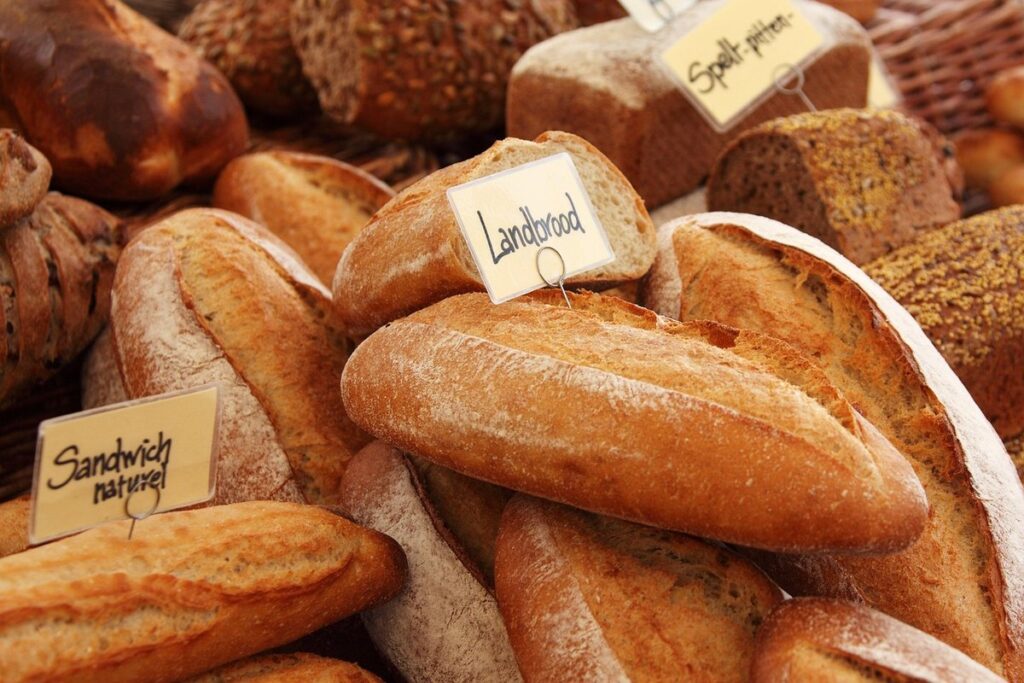
Understanding the Importance of Museum-Style Labeling
Museum-style labeling is more than just a decorative touch, it’s also a thoughtful way to preserve memories and share stories behind your treasured possessions. Effective labeling can elevate your personal collections and make them truly meaningful.
Benefits of Professional-Looking Labels
Professional-looking labels can significantly enhance the aesthetic appeal of your home displays. For instance, consider a collection of vintage cameras on display. Labels with clean typography and high-quality printing can make each item stand out, creating a visually cohesive and polished look. This attention to detail can elevate the overall appearance of your collections.
Educationally, professional-looking labels can also add value by providing accurate information about each item’s history, significance, or interesting facts. Visitors can easily scan the labels to gain insight into the objects on display, making their experience more engaging and informative. Moreover, well-designed labels can guide visitors’ attention to specific items, encouraging them to explore your collection further.
In addition to aesthetic and educational benefits, professional-looking labels can also help you maintain organization and consistency across your displays. By using a uniform design and layout for all labels, you can create a sense of continuity and visual flow throughout your home display. This is especially important when displaying large collections or showcasing multiple objects from different eras.
Common Mistakes to Avoid in DIY Labeling
When creating DIY labels, it’s easy to fall into common pitfalls that detract from the overall look and feel of your museum-style display. One mistake is choosing a font size that’s either too small or too large. A font size that’s too tiny can be difficult to read, while one that’s too big can overwhelm the label and make it look amateurish. As a rule of thumb, use a font size between 10-14 points for most labels.
Another error is including too much information on the label itself. While it’s essential to provide some context about each item, excessive text can clutter the label and make it hard to scan. Limit your label copy to 1-2 short paragraphs at most, and use bullet points or concise descriptions when necessary. Avoid using jargon or technical terms that might confuse visitors.
Poor design choices, such as inconsistent color schemes or mismatched images, can also detract from your labels’ overall impact. Stick to a limited palette of 2-3 colors that complement the items being displayed, and use high-quality images that are relevant to each label’s content. By avoiding these common mistakes, you can create DIY labels that look professional and enhance the overall aesthetic of your home display.
Design Principles for Effective Museum-Style Labels
To create labels that effectively tell your collection’s story, we’ll explore essential design principles that balance form and function. These guidelines will help you craft clear, engaging, and visually appealing labels for your home display.
Color Schemes and Typography
When selecting a color scheme and typography for your museum-style labels, you’re not just choosing aesthetics – you’re communicating the tone and personality of your collection. A well-crafted color palette can evoke emotions, convey expertise, or even create a sense of nostalgia.
For example, if you have an antique furniture collection, warm earthy tones like terracotta, sienna, and umber can create a cozy atmosphere that invites exploration. On the other hand, a modern art collection might be better suited to bold, vibrant hues like cobalt blue or lime green. Avoid monotony by mixing and matching colors in a harmonious balance.
Typography also plays a crucial role in conveying information and tone. Choose a font that’s clear and easy to read at varying distances – sans-serif fonts like Helvetica or Arial are good options for labels. Headings can be more decorative, but ensure they remain legible even from a distance. Consider the contrast between text color and background: white on dark backgrounds is often most readable.
A few key considerations will help you make informed decisions:
- Limit your palette to 3-4 main colors to avoid visual overload.
- Use typography effectively by reserving bold or italic styles for titles or important information.
- Balance formal, serious fonts with more playful ones to add visual interest.
Image vs. Text: Balancing Visuals and Information
When working on museum-style labels for your home displays, it’s essential to strike a balance between visuals and text. Too much text can overwhelm the viewer, while too few images can leave the label looking bland. The key is to find a harmonious blend of both.
Use images that complement the object being described. For example, if you’re labeling a vintage photograph, consider adding an image of the photographer’s camera or a similar era-specific prop. This helps create context and adds visual interest without overwhelming the viewer with too much text.
Aim for one to two concise paragraphs of text per label, accompanied by 1-3 images that illustrate key points. Avoid cluttering the label with excessive graphics or busy patterns, which can detract from the object itself. Instead, use a clear, easy-to-read font and simple backgrounds to let the images shine.
Consider the following tips when balancing visuals and text on your labels:
- Limit images to those that add significant context or visual interest
- Use concise, descriptive headings for your text sections
- Prioritize key information over decorative graphics
Creating Informative Content for Your Labels
Crafting informative labels is a crucial step in creating engaging museum-style displays, and it all starts with writing effective, concise descriptions of your most prized possessions. Let’s explore how to write labels that educate and captivate viewers.
Writing Effective Label Copy
When writing label copy, it’s essential to strike a balance between providing interesting facts and overwhelming visitors with too much information. Aim for 1-2 concise sentences per item, focusing on its history, significance, or unique features. Use the present tense when describing an object’s current state or condition, but switch to the past tense when referencing historical events.
Consider dividing long descriptions into smaller sections using sub-labels or bullet points. This format allows visitors to quickly scan the information and focus on key details. When sharing interesting facts, be mindful of your audience’s level of expertise. Avoid technical jargon and overly complex terminology that might confuse non-experts.
To add an engaging touch, incorporate quotes from experts, historians, or the item’s creator (if applicable). This provides additional context and adds depth to the label copy. When using direct quotes, make sure to properly attribute them with the source and date (if available).
If you’re labeling a collection of items that share a common theme or history, consider creating a “story” around them by linking each item’s description to the larger narrative. This will help visitors understand the significance of each piece within the context of the entire collection.
Incorporating Quotes, Anecdotes, and Historical Context
Adding quotes, anecdotes, or historical context to your labels can greatly enhance their meaning and significance. This can be particularly effective when labeling artifacts with a rich history or cultural importance. For example, consider adding a quote from the artist who created the piece or a passage from a relevant literary work that mentions the artifact.
When incorporating historical context, focus on providing concise yet accurate information. A brief description of the era in which the artifact was created or its significance within the broader cultural movement can add depth to your labels. Be mindful of the audience’s level of prior knowledge and avoid jargon or overly technical language.
To integrate quotes effectively, choose ones that are relevant and engaging. Consider including them in a visually appealing way, such as using a larger font size or setting them apart with a different color. When sharing anecdotes or personal stories related to the artifact, ensure they are accurate and respectful of the individuals involved. A small number of well-chosen quotes or anecdotes can greatly enhance your labels’ educational value and make them more interesting to visitors.
Materials and Tools for Creating Professional-Looking Labels
To create labels that match your museum-quality displays, you’ll need a variety of materials and tools at your disposal. These essentials include specific paper stocks, font styles, and hardware for easy attachment.
Choosing the Right Font and Size
When selecting a font for your labels, consider the overall aesthetic you want to achieve and how it will be viewed from various distances. A clear, easy-to-read font is essential for museum-style labeling. Sans-serif fonts like Helvetica or Arial are popular choices because they’re simple and uncluttered.
For optimal legibility, use a font size between 18 and 24 points. This range allows the text to remain visible from a distance while still being easy to read when viewed up close. Some museums prefer using a single font throughout their labels for consistency, while others choose different fonts depending on the exhibit or collection.
In general, it’s best to avoid ornate or script fonts that can be difficult to read. Instead, opt for clean lines and a clear letterform structure. Consider testing your chosen font and size combination by printing out sample labels at various sizes to ensure they meet your needs.
Some museums also use bolding or italicizing specific words or phrases to add visual interest without compromising legibility.
Label Materials: Options and Considerations
When selecting label materials for your home display, consider the type of collection you’re showcasing and the environment it will be placed in. For example, a delicate vase might require a more protective coating than a durable sculpture. Paper labels are a popular choice due to their affordability and ease of use, but they may not hold up well to moisture or heavy handling.
Cardstock offers a more durable alternative, but its thickness can make it awkward for curved surfaces or intricate designs. Digital displays, such as LED signs or LCD screens, provide a high-tech option that’s perfect for showcasing interactive content or video clips. However, their energy consumption and maintenance needs should be carefully considered.
In addition to material durability, think about the label’s appearance in relation to your collection’s aesthetic. For instance, matte paper labels can blend seamlessly into a minimalist display, while glossy cardstock might clash with a more ornate arrangement. By weighing these factors and choosing the right label material for your needs, you can create museum-style labels that elevate your personal collections without compromising their integrity.
Display Strategies for Maximum Impact
To make a lasting impression, it’s crucial to display your labels thoughtfully and strategically. We’ll explore effective ways to position and arrange labels in this next part of our guide.
Grouping Similar Items Together
When grouping similar items together, consider creating thematic clusters that tell a story about the object’s context and significance. For instance, if you’re displaying a collection of vintage cameras, group them by era or functionality to highlight their evolution over time. This approach not only creates visual cohesion but also encourages visitors to explore each item in relation to others.
To achieve this, categorize items based on shared characteristics such as material, size, or design style. You can use labels to create a narrative thread between items within each cluster. For example, a label next to a 19th-century camera might describe the innovative features that made it stand out, while another label near a later model highlights its improvements.
Grouping similar items together also helps maintain visual balance in your display. By allocating space according to themes or categories, you can create visual flow and avoid overcrowding individual areas. This strategic placement allows visitors to navigate through your collection more easily, fostering an engaging experience as they discover connections between related objects.
Creating Visual Flow and Hierarchy
When arranging your displays, it’s essential to consider visual flow and hierarchy. This means creating a clear path for visitors to follow as they navigate through your collection. A well-designed display should lead the viewer’s eye through the space, highlighting key pieces and encouraging exploration.
To achieve this, group similar items together, such as art pieces from the same era or artifacts with a shared theme. This helps create visual cohesion and makes it easier for visitors to understand the context of each item. Use labels to reinforce these groupings, providing clear headings and concise descriptions that highlight the significance of each grouping.
Consider the 60-30-10 rule: allocate 60% of your display space to dominant pieces, 30% to secondary items, and 10% to accent or supporting objects. This balance creates visual interest and guides the viewer’s attention. As you arrange your displays, ask yourself: “What do I want visitors to notice first?” and “How can I use labels to draw their eye through the space?” By intentionally designing the flow of your display, you’ll create a more engaging experience for both you and your guests.
Best Practices for Maintaining and Updating Your Labels
To keep your labels looking their best, it’s essential to establish a regular maintenance routine that ensures they remain accurate, up-to-date, and securely attached to your displayed items.
Storage and Handling Label Materials
Store label materials separately from other display items to prevent damage and keep them clean. You can store them in airtight containers or zip-top bags to shield them from dust, moisture, and direct sunlight. This will also help maintain the crispness of text and images.
Consider organizing your labels by category or type to facilitate easy retrieval when updating. For example, group together labels for artwork, collectibles, or historical items. Label folders or bins can be used to store these materials, making it easier to access specific labels as needed.
When handling label materials, avoid touching the surface of the labels with your bare hands, as oils from skin can cause them to smudge or become discolored over time. Use gloves or a soft cloth when handling labels to prevent damage and ensure they remain intact for extended periods.
Updating Labels: When and How
Updating labels is an essential part of maintaining a dynamic and engaging home display. When changes occur within your collection, it’s crucial to update your labels accordingly. This might involve adding new pieces, retiring old ones, or revising the information on existing labels.
Considerations for updating labels include changes in the collection itself. For instance, if you’ve acquired a new piece that requires additional context or background information, create a label that provides this essential detail. Conversely, if an item has been retired from your display, update its label to reflect its current status.
New research or discoveries can also prompt updates to your labels. If a previously unknown fact about an object comes to light, revise the label to include this new information and provide context for why it’s significant. Additionally, shifts in visitor demographics may necessitate changes to your labels. Consider creating labels with different language options or tailored content that caters to specific interests or age groups.
When updating labels, keep a few practical tips in mind: always use clear and concise language, ensure consistency across all labels, and proofread for accuracy before displaying the updated information.
Frequently Asked Questions
Can I create museum-style labels for my home displays on a tight budget?
Yes. You can start with basic label materials and gradually upgrade to more professional-looking options as your collection grows or you become more comfortable with the process. Consider repurposing materials, such as using old picture frames or printing labels on recycled paper.
How do I balance including a lot of information about each item without overwhelming visitors?
Prioritize essential details and use clear, concise language to convey complex information in an engaging way. Use headings, bullet points, or short paragraphs to break up text and make it easier for visitors to scan and understand the content.
What if my collection has very specific technical terms or jargon – how do I explain these on the labels?
Yes, you can include technical terms and jargon on your labels, but provide a brief explanation or definition in simple language. This will help non-experts understand the significance of the item without overwhelming them with specialized vocabulary.
Can I use digital displays for my museum-style labels if I have a large collection or plan to update items frequently?
Yes. Digital displays can be an effective option for large collections, as they allow for easy updates and flexibility in rearranging your display. Consider using tablets, kiosks, or interactive screens that can display detailed information about each item.
When displaying artifacts with sensitive or cultural significance, is there a recommended approach to labeling them?
Yes. For artifacts with sensitive or cultural significance, consider working with experts from the relevant community or culture to ensure accurate and respectful representation on your labels. This may involve using specific language, imagery, or design elements that acknowledge the item’s cultural context.