
Birdwatching is an exhilarating hobby that allows you to connect with nature, observe fascinating behaviors, and track the incredible journeys of our feathered friends. However, identifying key species and understanding their migration patterns can be a daunting task for even experienced birders. A comprehensive checklist by season would be invaluable in helping you stay on top of these changes and improve your skills.
Each season brings its unique set of challenges and opportunities to spot essential birds, from the migratory songbirds that pass through during spring to the wintering waterfowl that flock to warmer climates. Utilizing a birdwatching checklist by season can help you anticipate these sightings and make the most of your time outdoors. By covering essential species, habitats, and behaviors for each season, this guide aims to equip you with expert tips on identifying key birds, understanding migration patterns, and utilizing technology to enhance your birdwatching experience, ultimately allowing you to develop a deeper appreciation and understanding of our avian friends by the time you’ve finished reading.
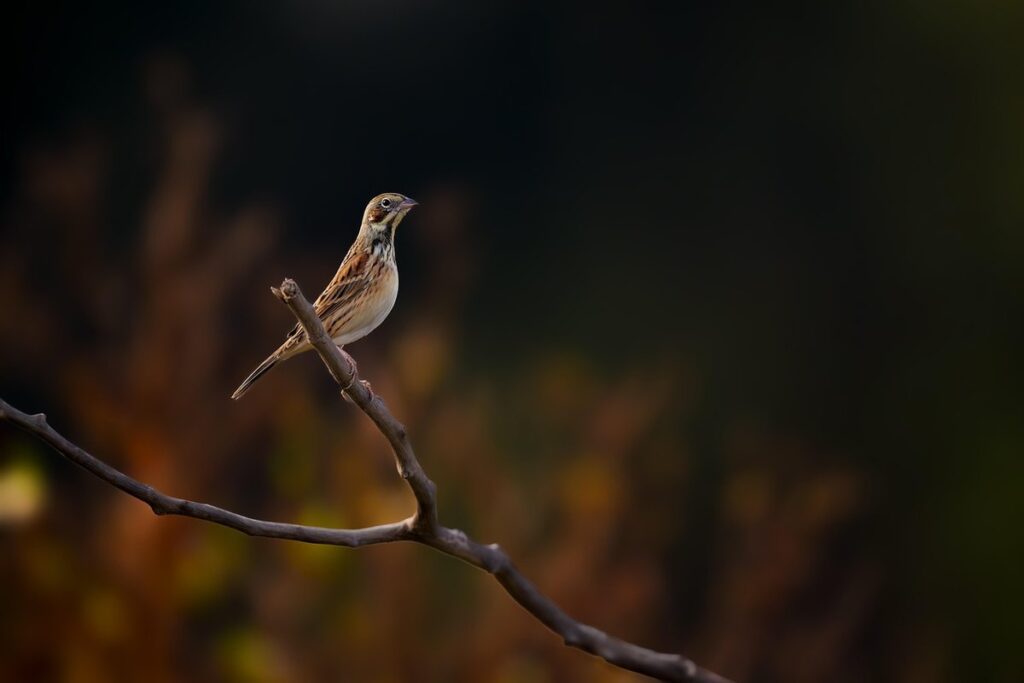
Spring Migration: Essential Birds to Spot
As spring arrives, a new wave of bird species makes its way through North America, offering a thrilling opportunity for birdwatchers to spot some truly iconic birds in their natural habitats. From waterfowl to songbirds, this season’s migration brings an exciting array of feathered friends to the forefront.
Early Arrivals: Warblers and Tanagers in March
The early spring migration brings a burst of color and song to North America’s woodlands and backyards. Two groups of birds stand out during March: warblers and tanagers. Among the most common warbler species are the Yellow Warbler, Common Yellowthroat, and Black-and-white Warbler. The latter two often appear together in shrubby areas, with the Common Yellowthroat’s distinctive black mask and yellow throat patch making it easily identifiable.
Tanager enthusiasts will spot the Scarlet Tanager, with its bright red plumage and bold song, as well as the Western Tanager, which sports a distinctive yellow head. Both species can be found in woodlands and backyards with fruiting trees or shrubs. To spot these early arrivals, look for areas with an abundance of insects, seeds, or fruit, such as woodland edges, gardens, or parks.
Pay attention to the birds’ song patterns, which often serve as a reliable identification cue. For example, the Scarlet Tanager’s whistled phrase is a clear giveaway. Take note of any distinctive markings, like the Common Yellowthroat’s black mask or the Western Tanager’s yellow head. With practice and patience, you’ll become adept at recognizing these early spring visitors.
Summer Residents: Hummingbirds and Orioles in April-May
The Ruby-throated Hummingbird and the Baltimore Oriole are two essential species to spot in North American backyards and gardens during the spring season. These birds arrive in April-May, taking advantage of the abundance of nectar-rich flowers and ripe fruit trees.
Hummingbirds are attracted to tubular flowers like trumpet-shaped honeysuckle, fuchsia, and bee balm, which provide a convenient source of energy. Orioles, on the other hand, feed on ripe fruits, particularly orange and grape jelly-filled feeders or fresh berries. To attract these birds, consider planting native vegetation that provides nectar and fruit, such as azalea, rhododendron, and dogwood.
When setting up a hummingbird feeder, use a ratio of four parts water to one part sugar to prevent mold growth. Orioles prefer open areas with scattered trees and shrubs for nesting sites, often taking advantage of natural cavities or built birdhouses.
A key characteristic to look out for when spotting these birds is their distinctive songs: the Baltimore Oriole’s melodic, whistled call and the Ruby-throated Hummingbird’s high-pitched humming. Keep in mind that orioles are generally more shy than hummingbirds, so observe from a safe distance to avoid startling them.
Late Spring Delights: Waterfowl and Raptors in May-June
Late spring is a thrilling time for birdwatchers, as many waterfowl and raptor species arrive or pass through during their migrations. One of the most iconic late-spring visitors is the Canada Goose, recognizable by its black head and neck, white patches on its face, and distinctive honking call. These geese often congregate in large numbers, making them easy to spot.
In contrast, the Wood Duck is a striking waterfowl species with its iridescent feathers and vibrant coloration. Its bright orange bill and purple speculum make it a standout among other ducks. Look for Wood Ducks in wetlands and wooded areas, where they tend to congregate in small groups.
Raptors are also abundant during late spring, particularly the Red-shouldered Hawk, identifiable by its reddish-brown shoulders and pale underside. These hawks can be seen soaring overhead or perched atop trees, scanning their surroundings for prey. The Broad-winged Hawk is another species that migrates through in May and June, characterized by its dark brown plumage and distinctive broad wings.
Keep an eye out for these species during late spring, particularly around wetlands, wooded areas, and open fields.
Summer Solstice: Peak Birding Months
Summer is a thrilling time for birders, and June marks the peak of the season when many species are at their most active. You’ll want to have your binoculars handy as some birds migrate north through North America during this period.
Juvenile Birds: Learning to Identify Young Species
When spotting birds during the summer solstice, it’s essential to recognize juvenile species. Young birds often exhibit distinct plumage characteristics compared to their adult counterparts. For example, juvenile warblers may have yellow or green streaks on their breasts, while juvenile tanagers sport a mix of red and black feathers.
In addition to visual cues, pay attention to behavior and habitat preferences. Juvenile birds tend to stay close to the ground, foraging for insects in dense underbrush or shrubs. Look for them near water sources, such as ponds or streams, where they can feed on aquatic insects and amphibians.
One way to identify young species is to note their size and shape. Juveniles are often smaller than adults and have a more rounded head shape. For instance, juvenile orioles have a distinctive white eye ring and a shorter tail compared to adult orioles.
When observing juvenile birds, also consider the time of day. Many young species are active during early morning hours when insects are most abundant. By paying attention to these characteristics and behaviors, you’ll become more skilled at identifying young bird species and enrich your summer birdwatching experience.
Common Summer Visitors: Finches, Sparrows, and Swallows
Finches, sparrows, and swallows are among the most common summer visitor species. These birds can be found in a variety of habitats, from urban gardens to woodland edges and farmland. Finches, such as goldfinches and greenfinches, tend to favor areas with dense vegetation, where they can forage for seeds and insects.
Sparrows, on the other hand, are highly adaptable and can thrive in a range of environments. House sparrows, in particular, are known to inhabit urban areas, including city parks and back gardens. They feed on a variety of food sources, including seeds, insects, and small fruits.
Swallows, such as barn swallows and house martins, can be identified by their distinctive forked tails and agile flight patterns. These birds typically nest in colonies, often under eaves or in wall cavities, and feed on flying insects, which they catch in mid-air. When observing these species, look for areas with an abundance of insect life, as this will attract finches, sparrows, and swallows.
Keep in mind that the timing and frequency of summer visitors can vary depending on your location and local climate. Be sure to check with local birding groups or online resources for specific information about bird populations in your area.
Waterbirds and Waders: Essential Species for Summer Birding
Summer is a prime time to spot waterbirds and waders, thanks to their presence in wetlands and coastal areas. Herons, egrets, sandpipers, and plovers are just a few of the essential species to look out for.
Identifying these birds often comes down to habitat and behavior. For example, herons typically wade through shallow waters with slow-moving currents, while egrets prefer slightly deeper water with more vegetation. Sandpipers, on the other hand, can be found in mudflats, beaches, or rocky shores, often foraging for small crustaceans and insects.
Migration patterns also play a crucial role in identifying these species during summer. Many herons and egrets are year-round residents, but some may migrate from further north to take advantage of the warmer climate. Sandpipers, however, are migratory birds that pass through wetlands and coastal areas during their journeys between breeding and wintering grounds.
To spot these waterbirds and waders effectively, focus on areas with shallow waters, mudflats, or rocky shores, especially near estuaries, deltas, or coastal lagoons. Be sure to bring binoculars and a field guide to help you identify the species based on their distinctive plumage patterns, beak shapes, and behaviors.
Autumn Migration: Flocks and Finches
As autumn arrives, some of North America’s most spectacular bird migrations unfold, bringing flocks of finches to backyards and parks. Get ready to spot these season-specific visitors up close.
Flock Behavior: Identifying Large Bird Groups
When observing large bird groups during autumn migration, it’s essential to understand their flock behavior. Many species form dense flocks, often with a clear leader bird that guides the group through complex flight maneuvers. For example, American Robins and Blue Jays are known to assemble in massive flocks, sometimes numbering in the thousands.
Birds use various communication methods to maintain cohesion within these large groups. Some species rely on vocalizations, such as the chattering calls of Common Grackles or the melodic songs of Red-winged Blackbirds. Others employ visual displays like wing flapping, bowing, or even aerial acrobatics. These behaviors help individuals stay connected and avoid collisions.
Flock behavior also influences foraging strategies. Many birds take advantage of large flocks to exploit food sources more effectively. For instance, a flock of starlings can overwhelm small insect populations, making it easier for individual birds to feed. When observing these groups, look for subtle cues like changes in flight patterns or vocalizations that signal the discovery of food.
When identifying large bird groups, pay attention to the dominant species and their behavior. Note any distinctive markings or plumage characteristics that may help you distinguish between species. This knowledge will aid you in accurately identifying and documenting the birds you observe during autumn migration.
Warbler Migration Patterns: A Guide to Fall Identification
Warblers are some of the most exciting birds to spot during autumn migration. As they make their way south, they often travel in small flocks, and it’s not uncommon to see them flitting between trees or perched on branches.
Key field marks for identifying warblers during fall include distinctive color patterns, shape, and size. For example, the Yellow Warbler is one of the most common warblers seen in North America during autumn migration. Look for its bright yellow body, white spectacles, and distinctive song. Another key species to look out for is the Black-and-white Warbler, which has a distinctive black throat patch and white underparts.
Warblers tend to prefer woodland habitats with dense shrubs and trees, where they can find food and shelter during their journey. When spotting warblers in the field, pay attention to their behavior – do they seem nervous or skittish? Are they foraging on the ground or in the trees? By paying close attention to these details, you’ll be better equipped to identify warblers during autumn migration.
Some of the most common habitats for warblers during fall include deciduous and mixed forests, as well as woodland edges. When scanning through a flock, look for clusters of birds perched on branches or flitting between trees – this can often indicate a group of warblers.
Winter Finches: Essential Species for Autumn Birding
As autumn migration gains momentum, a variety of finch species make their way through North America. Among these, the American Goldfinch, Purple Finch, and Cassin’s Finch are essential species to spot during this time. One of the most distinctive features of goldfinches is their bright yellow coloration, which turns white in winter. They can be found in a variety of habitats, including backyards with sunflowers, meadows, and open woods.
Purple Finches, on the other hand, are known for their distinctive purple hue, although some populations exhibit more gray or brown tones. They tend to inhabit deciduous forests and woodlands, often near coniferous trees. Cassin’s Finches, while similar in appearance to Purple Finches, have a distinctive white wing bar and prefer more mountainous terrain.
When searching for these finch species during autumn migration, consider their dietary preferences. Goldfinches are particularly fond of thistle seeds, while Purple Finches tend to eat more insects and berries. Cassin’s Finches, meanwhile, often visit bird feeders, making them a great target for backyard birders. Keep an eye out for these finch species as they pass through your area, and be prepared to provide the right food sources to attract them.
Winter Birds: Staying Active During Cold Months
As winter sets in, many birds adapt by migrating south, but some species remain active and fascinating to observe, even in cold weather. Let’s explore how these hardy birds stay active during the coldest months.
Adaptations to Cold Weather: Feathers, Fat Reserves, and More
Birds have evolved remarkable adaptations to survive winter conditions. One crucial aspect is their feather structure. Many birds retain their summer plumage during winter, but some species develop new feathers specifically designed for cold weather. For example, the Northern Flicker‘s winter feathers are thicker and more compact than its summer counterparts, providing better insulation against the elements.
Fat reserves also play a vital role in helping birds survive winter. Some bird species, such as woodpeckers and chickadees, build up significant fat reserves before winter sets in. This stored energy allows them to maintain their metabolic rate, even when food is scarce. In contrast, birds that don’t have access to reliable food sources may be forced to rely on cached seeds or berries.
Thermogenesis, the ability to generate heat internally, is another adaptation some birds employ to stay warm. Certain species, such as hummingbirds and some songbird species, can shiver their muscles to produce heat. While this method is not as efficient as feather insulation or fat reserves, it helps birds survive extremely cold temperatures.
Some bird species also exhibit behavioral adaptations to cope with winter conditions. For example, many birds will forage for food more frequently during the day, rather than relying on stored energy reserves at night.
Essential Winter Visitors: Sparrows, Finches, and Siskins
Sparrows, finches, and siskins are some of the most crucial winter visitor species in North America. To identify these birds, look for distinctive markings and behaviors.
American Tree Sparrows have a reddish cap on their heads, while Song Sparrows have a white throat patch. White-throated Sparrows have a distinctive black spot on either side of their chest. House Finches are known for their brownish-red plumage and red head, while Purple Finches have a purplish sheen to their backs.
Siskins, specifically American Goldfinches and Lesser Goldfinches, can be identified by their bright yellow or greenish-yellow coloring. Look for them in deciduous trees with dense foliage, where they can forage for seeds and insects. Keep an eye out for flocks of these birds in wintering grounds, often near bird feeders or in urban areas.
When observing these species, note the time of day and weather conditions. Finches and sparrows are most active during early morning and late afternoon when temperatures are cooler. Look for them in areas with dense vegetation, such as shrubs and bushes, where they can find shelter from harsh winds and cold temperatures.
Iced-Out Waterfowl: Identifying Birds on Frozen Lakes and Rivers
When scanning frozen lakes and rivers during winter, identifying waterfowl can be particularly challenging due to their adaptations for survival. One essential field mark is the presence of bright colors, which tend to fade or become muted as birds molt into their winter plumage. Look for dark wingtips, white patches on wings or bellies, and striking head patterns.
Habitat plays a crucial role in identifying waterfowl during harsh winter conditions. Focus on areas with open water, such as bays, inlets, or near aquatic vegetation like cattails or willows. Avoid flooded fields, where non-waterfowl species often congregate. Be aware that some species, like Common Goldeneyes and Harlequin Ducks, tend to stay closer to the shoreline.
Behavioral cues are also vital when identifying waterfowl on frozen lakes and rivers. Observe feeding patterns: for example, Common Mergansers dive-bomb into icy waters in search of fish, while Canvasbacks and Redheads feed on submerged aquatic plants. Note the posture and body shape of birds; some species, like Buffleheads and Goldeneyes, tend to huddle together in large groups.
When observing waterfowl during winter, keep an eye out for these key field marks, habitats, and behaviors to improve your identification skills.
Advanced Birding Techniques for the Seasoned Birder
For those who’ve mastered the basics, it’s time to refine your skills and take birding to the next level with advanced techniques that’ll make every sighting a thrilling experience. From sound recognition to habitat analysis, we’re about to dive into the expert strategies you need to know.
Moon and Tide Influences on Migration Patterns
Bird migration patterns are influenced by various factors beyond climate and geography. Lunar cycles and tidal patterns also play a crucial role in shaping the movement of birds across different regions.
Research has shown that many bird species exhibit changes in behavior and physiology in response to lunar cycles. For example, some bird species have been found to adjust their migration timing according to specific phases of the moon. This means that during full moons or new moons, certain bird species may be more active and visible during nighttime hours, whereas they tend to rest during daylight hours.
Tidal patterns also impact bird migration. Birds often use coastal areas as stopover points during their migrations, taking advantage of food resources and shelter from harsh weather conditions. The timing of high and low tides can influence the availability of these resources, making certain locations more attractive to birds at specific times.
To take advantage of this information, seasoned birders should be aware of lunar cycles and tidal patterns in their area. By checking tide charts and lunar calendars, they can plan their outings during optimal periods for spotting migratory birds.
Weather Forecasting: How to Predict Bird Movement
Bird movement is heavily influenced by temperature gradients, wind patterns, and precipitation events. Temperature differences between different regions can drive birds to move towards areas with more favorable conditions. For instance, a warm front moving into an area can attract birds that are accustomed to milder temperatures.
Wind patterns also play a crucial role in predicting bird movement. Birds often fly along established migration routes, which are influenced by prevailing wind directions and speeds. Understanding these wind patterns can help you anticipate where birds will be moving. For example, if a low-pressure system is forecasted to bring strong southerly winds, you might expect to see an influx of birds migrating from the south.
Precipitation events also impact bird movement. Birds often alter their migration routes or timing in response to weather conditions like rain or snow. Heavy precipitation can force birds to seek shelter and change their flight plans accordingly. By monitoring weather forecasts and understanding these relationships, you can make more informed predictions about where birds will be moving.
Using Technology for Seasonal Birding: Apps, Software, and More
Mobile apps and computer software have revolutionized birding, offering a wealth of tools for identification, tracking, and analysis. For instance, Merlin Bird ID (iOS, Android) uses AI to quickly identify birds based on user input, while eBird (web, mobile) allows users to record and track their sightings, contributing to a vast global database.
Other notable apps include Audubon Birds (iOS, Android), which provides detailed species information and range maps, and iBird Pro (iOS, Android), offering a comprehensive guide with photos, sounds, and videos. Online platforms like BirdGuides (web) and WhatBird (web) offer interactive field guides, complete with detailed descriptions and high-quality images.
When selecting technology for birding, consider your specific needs: do you prioritize identification or tracking? Are you interested in data analysis or simply want a user-friendly app for on-the-go use? Some tools excel at one function but struggle with others. Be aware of limitations, such as reliance on internet connectivity or data storage capacity. Familiarize yourself with the available options and experiment to find the best fit for your birding style.
Frequently Asked Questions
What if I miss identifying certain species during peak migration seasons due to time constraints?
Yes, it’s common for birders to feel overwhelmed by the sheer number of species present during peak migration periods. Focus on recognizing key field marks and behaviors for a few essential species, and use the “seasonal checklist” as a starting point to prioritize your sightings.
Can I use the same techniques and identification tips from this checklist for other parts of the world?
The checklist focuses on North American bird species and habitats. While some general principles may apply to global birding, specific identification tips and migration patterns will vary significantly depending on region, climate, and ecosystems. Research local bird guides and checklists tailored to your destination.
How do I incorporate advanced technology like moon phase tracking or weather forecasting into my existing birding routine?
Integrate technology gradually by starting with a single tool or app that aligns with your current birding schedule and interests. For example, if you’re already familiar with mobile apps for species identification, consider incorporating lunar cycle tracking to enhance your understanding of migration patterns.
What if I encounter rare or unusual bird sightings during my winter birding trips – should I prioritize documenting these encounters?
Documenting rare or unusual sightings is crucial for scientific research and conservation efforts. However, prioritize accurate identification and documentation over immediate note-taking. Consult with local experts or online communities to verify your findings, and consider submitting your observations to citizen science platforms.
Can I use this checklist as a comprehensive guide for teaching beginner birders?
While the checklist provides an extensive overview of seasonal birding, it’s designed primarily as a reference tool for individual birders. Consider adapting specific sections or tips from the checklist to create a structured learning program for beginners, emphasizing key takeaways and hands-on practice exercises tailored to their skill level.