
Are you tired of struggling to identify that stunning gemstone you just found? Or maybe you’re an eager collector looking for a reliable way to verify the authenticity of your treasures? Whatever your reason, identifying gemstones can be a daunting task, especially with so many varieties and subtle differences. That’s where our comprehensive gemstone identification chart comes in – your ultimate guide to correctly identifying gems by color, clarity, and cut. In this expert guide, we’ll walk you through the process of confidently identifying various types of gemstones, highlighting common misidentifications to avoid along the way. By the end of this article, you’ll be well-equipped with the knowledge to make informed purchases, verify your collection, and even start building your own gemstone identification skills.
Understanding the Basics of Gemstones
Let’s start by covering the fundamental principles that underlie gemstone identification, including the essential characteristics and features you should look for. This will provide a solid foundation to help you navigate the rest of the chart.
What are Gemstones?
A gemstone is a naturally occurring mineral or rock that has been prized for its beauty and rarity throughout history. From ancient civilizations to modern-day collectors, gemstones have played a significant role in human culture, symbolizing power, wealth, and status. The significance of gemstones extends beyond their aesthetic value; they often hold spiritual, cultural, and emotional significance as well.
Identifying gemstones is essential for several reasons. Firstly, it allows you to appreciate the unique characteristics of each stone, such as its color, clarity, cut, and carat weight. Secondly, accurate identification enables you to determine a gemstone’s value and authenticity. With the rise of synthetic gemstones, it’s become increasingly important to be able to distinguish between natural and lab-created stones.
In the past, identifying gemstones was often a challenge due to limited knowledge and resources. However, with advancements in technology and education, anyone can learn to identify gemstones with confidence. By understanding the basics of gemstones, you’ll be better equipped to navigate the world of gemstone collecting and make informed purchasing decisions.
Types of Gemstones
When it comes to gemstones, understanding their types is essential for identification and appreciation. There are generally two categories of gemstones: precious stones and semi-precious stones.
Precious stones are considered rare and highly valued due to their exceptional hardness, rarity, and beauty. The Big Four – diamonds, rubies, sapphires, and emeralds – fall under this category. These stones possess high Mohs hardness ratings, with diamonds being the hardest (10) and sapphires ranking second at 9. Diamonds are known for their exceptional brilliance and fire, while rubies are prized for their deep red color. Sapphires exhibit a range of colors, including blue, pink, and yellow.
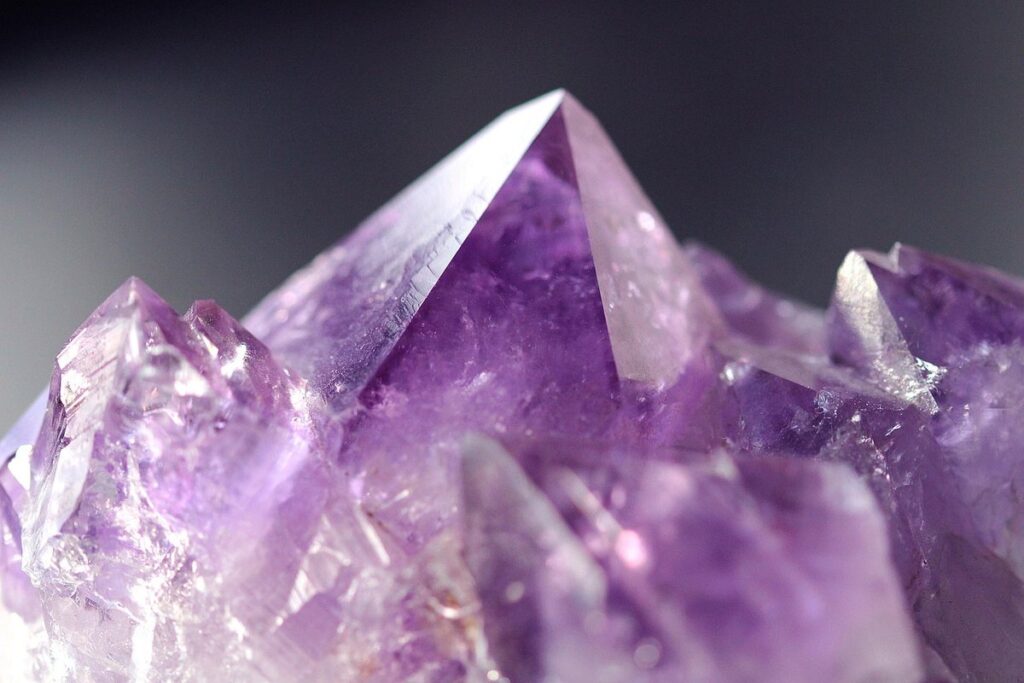
Semi-precious stones, on the other hand, have relatively lower Mohs hardness ratings but still possess unique characteristics that make them desirable. Amethysts, emeralds (despite being part of the precious stone category), and topaz are examples of semi-precious stones. These gems often exhibit distinct color patterns or inclusions, which can be used to identify specific varieties.
Understanding the differences between these categories will help you navigate a gemstone identification chart with confidence, allowing you to accurately identify various types of gemstones based on their characteristics.
Identifying Gemstone Characteristics
When examining a gemstone, it’s essential to understand its unique characteristics, such as color, clarity, and hardness, which can greatly impact its value. Let’s dive into these key identifying features.
Color: The Key to Identification
When it comes to identifying gemstones, color is often one of the most critical factors. Different types of gemstones exhibit a wide range of colors, and understanding these colors can help you accurately identify the stone. For instance, sapphires come in various shades of blue, pink, yellow, and green, while rubies are known for their deep red hue.
Emeralds, on the other hand, have a distinctive green color due to their high iron content. Similarly, diamonds can be colorless or display a range of colors like yellow, brown, or gray, depending on their inclusions and impurities. To identify gemstones based on color, it’s essential to consider the stone’s transparency and clarity as well.
In addition to natural colors, some gemstones may exhibit artificial colors due to treatments or enhancements. For example, sapphires and rubies can be dyed to achieve a specific color. By understanding the typical colors associated with different types of gemstones, you’ll be better equipped to identify them accurately using a gemstone identification chart.
Keep in mind that color alone is not always enough to confirm a gemstone’s identity. Always combine it with other characteristics like clarity, cut, and carat weight to ensure accurate identification.
Clarity and Cut
When examining a gemstone, it’s essential to consider not just its clarity and cut, but also their combined impact on the stone’s overall appearance and value. Clarity refers to the presence of inclusions or blemishes within the gemstone. These can be internal imperfections such as feathers, clouds, or cavities, or external features like scratches or pits. The clarity grade is typically measured using the International Gemological Institute (IGI) scale, which ranges from Flawless (FL) to Included (I).
The cut of a gemstone refers to its shape and proportions. A well-cut gemstone can significantly enhance its brilliance by maximizing the amount of light that enters through the crown and exits through the pavilion. The ideal cut is one where the facets are carefully angled to refract light, giving the stone maximum sparkle.
When evaluating a gemstone’s clarity and cut, consider the following factors: the type and number of inclusions, their location within the stone, and how they affect its overall appearance. For instance, some inclusions can be quite visible, while others may only be noticeable under magnification. Similarly, a gemstone with an ideal cut will typically have more brilliance than one that is poorly cut.
A well-cut gemstone can significantly enhance its value. Consider this example: two diamonds of equal carat weight and clarity grade but different cuts. The diamond with the ideal cut will likely appear larger and more brilliant, commanding a higher price due to its enhanced appearance.
Gemstone Identification Charts and Tables
For a confident gemstone identification, you’ll need to consult our comprehensive charts and tables, featuring essential details on over 100 popular gemstones. These charts are a must-have reference for beginners and seasoned collectors alike.
Using the Mohs Scale of Mineral Hardness
The Mohs scale is a valuable tool for identifying gemstones based on their hardness. This scale was developed by Friedrich Mohs in 1812 and ranks minerals from 1 (softest) to 10 (hardest). The most common gemstone-related minerals listed on the Mohs scale are quartz, corundum, topaz, garnet, tourmaline, and diamond.
To use the Mohs scale for identification, you need to know the hardness of your suspect gemstone. For example, if a gemstone scratches glass (Mohs hardness 5-6), it’s likely a quartz or feldspar mineral. If it doesn’t scratch glass but can be scratched by an emery paper (Mohs hardness 7-8), it might be corundum or topaz.
The Mohs scale is not foolproof, and some gemstones may have similar hardness levels. However, when used in conjunction with other identification methods, such as specific gravity and refractive index, the Mohs scale can provide valuable information about a gemstone’s mineral composition. Always consult multiple resources to confirm your findings and avoid misidentification.
The Gemstone Identification Chart: A Step-by-Step Guide
To get the most out of your gemstone identification chart, it’s essential to understand how to use it effectively. Start by familiarizing yourself with the chart’s layout and the various categories it covers, such as color, hardness, luster, and inclusions.
Begin by identifying the gemstone you’re trying to identify, then consult the chart to determine its characteristics. For instance, if you have a gemstone that appears green but is not diamond or emerald, look for other options under the “color” category. You can also use the chart’s indexes, which often provide detailed descriptions of each gemstone’s features.
When using the chart, consider multiple factors to narrow down the identification. For example, if your gemstone has a high hardness rating but lacks luster, it may be a quartz or topaz variant. Remember that some charts may group similar gemstones together, so pay close attention to specific details to ensure accurate identification. By following these steps and referencing the chart’s indexes, you’ll become proficient in using this essential tool for gemstone identification.
Commonly Misidentified Gemstones
Many gemstone enthusiasts mistakenly identify certain stones as more valuable than they actually are, due to their similar appearance and properties. Let’s explore some of these commonly misidentified gemstones together.
Identifying Imitations and Simulants
When it comes to gemstone identification, distinguishing between natural and synthetic stones, as well as imitations and simulants, can be a challenge. This is particularly true when dealing with high-quality simulants like moissanite and zirconia, which are often marketed as affordable alternatives to diamonds.
To identify imitations and simulants, start by looking for inclusions and imperfections. Natural gemstones will typically have unique inclusions that are characteristic of their species, such as feathers or needles in quartz crystals. Synthetic stones, on the other hand, may appear cleaner and more uniform due to the controlled growth process.
Next, consider the density and weight of the stone. Simulants like moissanite and zirconia are often denser than diamonds, but less dense than natural gemstones. Use a jeweler’s loupe or microscope to examine the stone’s refraction and dispersion – simulants tend to have more uniform dispersion patterns.
Additionally, check for signs of wear and tear on the stone’s surface. Imitations like glass and plastic are often prone to scratches and fading over time. By combining these factors with a thorough visual inspection, you can increase your chances of accurately identifying natural gemstones versus their synthetic or simulant counterparts.
Understanding Treatment and Enhancement
When it comes to gemstones, treatments and enhancements can be both beneficial and misleading. Some treatments are meant to improve a stone’s clarity or color, while others can alter its chemical composition entirely. For instance, heat treatment is often used to enhance the color of rubies and sapphires. This process involves exposing the stone to high temperatures to remove inclusions or to create a more vibrant hue.
However, not all treatments are created equal. Some gemstones may undergo diffusion treatments, where a chemical substance is introduced into the stone’s structure to alter its color. For example, some diamonds may be treated with boron to change their color from yellow to blue. While these treatments can improve a stone’s appearance, they also require disclosure by sellers.
As a consumer, it’s essential to understand that certain treatments and enhancements may affect the value or authenticity of a gemstone. Always ask your seller about any treatments or enhancements applied to a stone, and make sure to look for third-party certifications like the Gemological Institute of America (GIA).
Advanced Gemstone Identification Techniques
As you delve deeper into gemstone identification, it’s essential to master advanced techniques that can help you accurately identify even the rarest and most valuable stones. Here, we’ll explore these specialized methods in detail.
Spectroscopy and Other Analytical Tools
When it comes to advanced gemstone identification techniques, several tools and methods come into play. Spectroscopy is a powerful technique used to analyze the chemical composition of a gemstone. It involves bombarding the stone with light or other forms of energy, causing its atoms to emit specific wavelengths that can be measured and analyzed. This information helps identify the presence of certain elements, such as nitrogen or boron, which are often present in diamonds.
Other analytical tools used in professional gemstone identification include microscopes, which allow examiners to study the stone’s internal characteristics under high magnification. Micro-CT scans use X-ray technology to create 3D images of a gemstone’s internal structure, providing valuable insights into its composition and authenticity.
Raman spectroscopy is another technique that uses light to identify specific molecular structures within a gemstone. This method is particularly useful for distinguishing between similar-looking stones, such as emeralds and tourmalines. By combining these advanced techniques with traditional methods like examination under magnification, professionals can achieve a high level of accuracy in gemstone identification.
Gemstone Certification and Authentication
Certification and authentication documents are crucial components of gemstone identification. These documents provide an independent third-party evaluation of a stone’s authenticity, quality, and characteristics. Organizations like the Gemological Institute of America (GIA) and the International Gemological Institute (IGI) offer certification services that can give you peace of mind when purchasing or selling a gemstone.
A GIA report, for instance, includes detailed information about the stone’s chemical composition, hardness, cut, clarity, and weight. This documentation is essential for determining a gemstone’s value and legitimacy. Without certification, buyers may be at risk of purchasing treated stones or fake gemstones that can significantly decrease their investment’s worth.
To ensure authenticity, look for documents from reputable organizations like the GIA, IGI, or the European Gemological Laboratory (EGL). When evaluating certification, consider factors such as the organization’s reputation, the report’s content, and any potential conflicts of interest. By verifying gemstone documentation, you can make informed purchasing decisions and build trust in the gemstone market.
Best Practices for Collectors and Buyers
When collecting or buying gemstones, it’s essential to follow best practices that ensure authenticity and quality. This guide will walk you through some crucial tips to make informed purchases.
How to Choose a Reliable Dealer or Seller
When purchasing gemstones, it’s essential to choose a reliable dealer or seller to ensure you’re getting authentic and high-quality stones. To avoid scams and ensure a smooth transaction, research potential sellers thoroughly before making a purchase.
Start by checking online reviews and ratings from reputable sources such as the Better Business Bureau (BBB) or Trustpilot. Look for red flags like multiple negative reviews or complaints about poor communication. You can also ask for referrals from friends, family, or fellow collectors who have had positive experiences with sellers in the past.
Verify the seller’s credentials by checking their membership in industry organizations such as the American Gem Trade Association (AGTA) or the International Colored Gemstone Association (ICA). These organizations often require members to adhere to strict standards and codes of conduct. Additionally, ensure the seller provides a detailed certification document, including the stone’s chemical composition, weight, and any treatments it may have undergone.
Finally, trust your instincts and be wary of sellers who seem overly aggressive or pushy in their sales tactics. A reputable dealer will provide clear and transparent information about the gemstone, its authenticity, and its value. If you’re unsure about anything, don’t hesitate to ask questions or seek a second opinion from an independent appraiser.
Proper Care and Handling of Gemstones
To maintain the condition and value of your gemstones, proper care and handling are essential. First and foremost, store your gems in a safe and secure location, away from direct sunlight and heat sources. A velvet-lined box or a soft pouch is ideal for storing individual stones, while larger collections can be stored in a locked cabinet or display case.
When handling gemstones, always wear gloves to prevent oils from your skin from transferring to the stone’s surface, which can cause damage or discoloration. Avoid touching the gemstones excessively, as this can also transfer oils and minerals that can harm the stone over time.
Cleaning gemstones requires gentle care. For most stones, a soft-bristled brush and mild soap solution are sufficient for cleaning. However, some stones like opals and pearls require specialized care, so it’s best to consult with a professional or follow specific guidelines for these stones.
Frequently Asked Questions
How do I verify the authenticity of a gemstone using the identification chart?
The gemstone identification chart is designed to help you identify various types of gems, but it’s essential to note that it cannot guarantee the authenticity of a stone. To verify a gemstone’s authenticity, look for documentation from reputable labs or dealers, and use advanced tools like spectroscopy and microscopy.
Can I use the gemstone identification chart with limited knowledge of mineralogy?
Yes, the chart is designed to be user-friendly and accessible even for those without extensive knowledge of mineralogy. However, it’s recommended that you familiarize yourself with basic gemstone characteristics, such as hardness, density, and specific gravity, to get the most out of the chart.
How do I handle misidentification or conflicting information in the chart?
If you encounter a gemstone that doesn’t match any entry in the chart, or if there’s conflicting information, it may be due to various factors like treatment, enhancement, or misclassification. In such cases, consult with an expert or seek additional resources to confirm the stone’s identity.
Can I use the gemstone identification chart for commercial purposes, such as selling or trading gemstones?
While the chart can aid in gemstone identification, its primary purpose is educational and not intended for commercial use. If you plan to sell or trade gemstones, consult with a reputable dealer or certification body to ensure compliance with industry standards and regulations.
How often should I update my knowledge of gemstones to stay current with new discoveries and advancements?
The world of gemology is constantly evolving, with new research and discoveries emerging regularly. To stay up-to-date, follow reputable sources, attend workshops and conferences, and participate in online forums or communities dedicated to gemstone enthusiasts.