
Are you ready to uncover the magic of one of the most unique and mysterious crystals out there? Labradorite is a gemstone that has been captivating people for centuries, not only with its breathtaking beauty but also with its incredible properties. This crystal is often referred to as “star stone” due to its mesmerizing play-of-color effect, which seems almost otherworldly. But labradorite’s allure goes beyond its aesthetic appeal – it’s said to possess metaphysical benefits that can help balance our energy and bring us clarity. In this article, we’ll delve into the world of labradorite crystal, exploring its unique properties, uses in jewelry and healing, and providing you with tips on how to incorporate it into your life. Whether you’re a seasoned crystal enthusiast or just starting your journey, get ready to discover the wonders of labradorite!
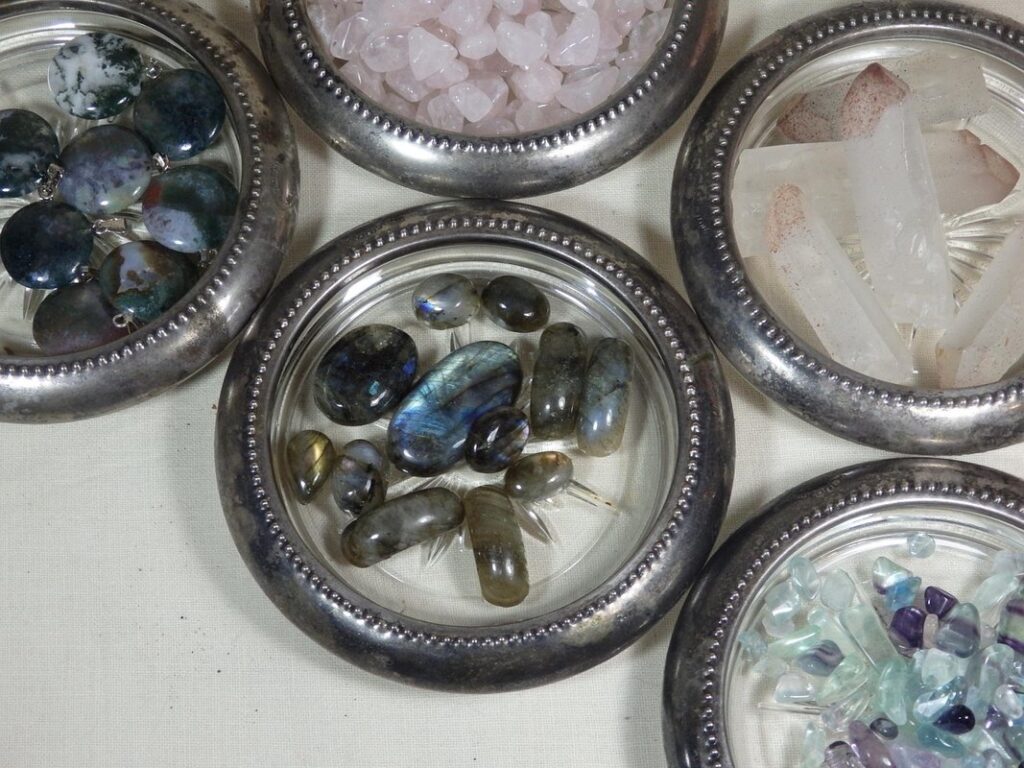
What is Labradorite?
So, you’re curious about labradorite – let’s start at the beginning and explore what makes this unique crystal so special. It’s a fascinating stone with a rich history.
Definition and Origin
Labradorite is a fascinating type of crystal that has captivated people for centuries. To truly understand its significance, let’s dive into where it comes from and what makes it unique. At its core, labradorite is a type of feldspar crystal, which is a group of minerals characterized by their complex chemical composition. Specifically, labradorite falls under the category of plagioclase feldspars, which are known for their distinctive mineral properties.
Labradorite forms in igneous rocks, particularly in areas where there has been intense volcanic activity. This process involves immense heat and pressure deep within the Earth’s crust, causing the minerals to crystallize into a new form. The unique conditions under which labradorite forms contribute to its striking optical effects, such as labradorescence – the phenomenon of shimmering colors that seem to dance across its surface.
If you’re interested in finding labradorite or learning more about it, consider exploring areas with a history of volcanic activity, like Norway or Canada. While this crystal is not exclusive to these regions, they are renowned for their abundance of labradorite specimens.
History and Cultural Significance
Labradorite has been a source of fascination for many cultures around the world for thousands of years. Its unique iridescence and striking patterns have made it a prized possession among ancient civilizations. The earliest recorded use of labradorite dates back to the indigenous peoples of Labrador, Canada, who believed that the crystal held spiritual significance.
In Inuit mythology, labradorite was said to possess magical powers, allowing its wearer to communicate with spirits and navigate through treacherous terrain. Similarly, in Norse mythology, the crystal was associated with the goddess Freyja, who wore it as a symbol of her power and fertility.
Labradorite’s cultural significance extends beyond mythology, however. In many Indigenous cultures, labradorite is used in traditional healing practices to promote balance, harmony, and protection. For example, in some communities, labradorite is placed on the body to absorb its energies and calm the mind. To tap into the crystal’s spiritual significance, try meditating with a piece of labradorite, focusing your intentions on its calming properties and allowing yourself to connect with its ancient wisdom.
Properties and Characteristics
Let’s dive deeper into the fascinating world of labradorite, exploring its unique properties and characteristics that make it a sought-after crystal among healers and collectors. This guide will break down each aspect in detail.
Optical Effects and Colors
When light hits labradorite crystal at a specific angle, it creates an extraordinary optical effect known as labradorescence or “play of colors.” This phenomenon is due to the unique structure of the crystal, which consists of layers of feldspar and mica. As light passes through these layers, it refracts and reflects, creating a shifting display of colors that appear to dance across the surface.
You might see flashes of gold, blue, red, or purple, depending on the angle of the light and the specific characteristics of the crystal. Some labradorites exhibit a predominantly greenish hue, while others may display more vibrant colors like pink or orange. The play of colors can be particularly striking when held up to direct sunlight or a bright lamp.
To appreciate labradorescence in labradorite, try rotating the crystal slowly under different lighting conditions. You might be surprised by the kaleidoscope of colors that emerge. This effect is not just visually appealing; it also serves as a reminder of the crystal’s unique properties and its ability to refract light in ways that other stones cannot.
Hardness and Durability
Labradorite is renowned for its exceptional hardness and durability, making it an ideal choice for jewelry and decorative items. On the Mohs hardness scale, labradorite rates a 6-7, indicating its ability to withstand scratches and abrasions. This impressive hardness ensures that labradorite can be crafted into intricate pieces without compromising on quality.
Its durability also translates to resistance against wear and tear, allowing it to maintain its luster and shine even with frequent use. In contrast to softer stones that may chip or crack under stress, labradorite is less prone to damage. This resilience makes it perfect for everyday wear, as well as for more elaborate designs that require a high level of craftsmanship.
Labradorite’s durability also opens up possibilities for creative expression in jewelry-making and decorative arts. For instance, you can use labradorite in pendants, earrings, or rings without worrying about it losing its sparkle over time. Its robustness also means it can be shaped into unique designs without fear of breakage.
Metaphysical Properties and Uses
Now that we’ve explored the physical properties of labradorite, let’s delve into its metaphysical significance, discussing how it can be used for healing, protection, and spiritual growth.
Healing and Spiritual Significance
Labradorite is often used in meditation to help quiet the mind and access higher states of consciousness. This crystal’s unique ability to shift our perception allows us to tap into its calming energy, promoting a sense of inner peace and clarity. To harness labradorite’s meditative properties, try holding it during your next mindfulness practice or placing it on your third eye chakra as you sit in stillness.
In addition to its use in meditation, labradorite is also believed to possess powerful healing properties. Its energy is said to help alleviate emotional pain and turmoil by promoting a sense of calm and balance within the body. This crystal can be particularly beneficial for individuals experiencing stress or anxiety, as it works to quiet the mind and soothe the emotions.
To incorporate labradorite into your spiritual growth practice, try using its energy in a daily ritual. For example, place a piece of labradorite on your altar or use it as a focal point during your morning intention-setting practice. By working with this crystal’s healing and spiritual significance, you can cultivate greater inner peace, balance, and connection to the universe.
Chakra Associations and Balancing
Labradorite is often associated with the third eye and crown chakras, which are said to be connected to higher states of consciousness and spiritual awareness. When it comes to balancing these energies, labradortie can help quiet the mind and promote a deeper connection to one’s intuition.
To align your energies with labradortie, try meditating with the crystal placed on the third eye or crown chakra. You can also hold the crystal in your hand while repeating affirmations that focus on trust, faith, and inner wisdom. Some people find it helpful to visualize a brilliant light at the crown of their head, filling them with higher guidance.
One way to use labradortie for balancing is by creating a third eye point activation using sound healing or Reiki. For example, you could place the crystal on your forehead while listening to a sound bath recording designed to activate the third eye, or have someone perform Reiki on this area while holding the stone in their hand.
By incorporating labradortie into your spiritual practice and following these tips, you can begin to experience a deeper sense of balance and harmony within yourself. This crystal is truly one of the most powerful tools for connecting with our higher selves and accessing new levels of consciousness.
Labradorite in Jewelry and Decor
Labradorite is a versatile crystal that adds visual interest and depth to various forms of jewelry, from statement pieces to minimalist accessories. Explore how to incorporate its beauty into your wardrobe.
Design Trends and Styles
In recent years, labradorite has become increasingly popular in jewelry and decorative design. Currently, pendant necklaces featuring labradorite as the centerpiece are trending, offering a unique way to showcase this crystal’s iridescent beauty. Earrings, particularly drop earrings with large labradorite stones, have also gained popularity due to their striking appearance.
When it comes to incorporating labradorite into your designs, statement pieces are an excellent option for making a bold fashion statement. Consider combining labradorite with other gemstones or metals to create eye-catching pieces that reflect your personal style. For instance, pairing labradorite with rose gold accents adds a touch of elegance and sophistication.
For designers looking to experiment with labradorite, consider the versatility it offers in terms of styling options. Labradorite can be used as a focal point in a piece or incorporated into more intricate designs, such as filigree work or engravings. When choosing which style to incorporate labradorite into your design, remember that this crystal’s dynamic appearance demands attention – so don’t be afraid to push the boundaries of conventional jewelry and decorative pieces.
Tips for Caring and Maintaining Your Labradrite Piece
To keep your labradrite piece looking its best, it’s essential to follow some simple care and maintenance guidelines. First and foremost, avoid exposing your labradrite jewelry or decorative items to harsh chemicals or detergents, as these can cause discoloration or damage the crystal.
When cleaning your labradrite pieces, use a soft cloth and mild soap solution. Gently wipe down the surface, avoiding any abrasive materials that may scratch the crystal. For more thorough cleanings, you can submerge your labradrite jewelry in warm soapy water for 15-20 minutes before rinsing and drying with a soft cloth.
To prevent scratches and damage, store your labradrite pieces separately from other jewelry or decorative items to avoid scratching or colliding. Avoid placing them near direct sunlight or extreme temperatures, as this can cause fading or discoloration.
Regular cleaning and maintenance will help extend the life of your labradrite piece. For particularly stubborn stains or imperfections, consider consulting a professional jeweler or crystal expert for guidance on specialized cleaning techniques.
Where to Find Labradorite
You’re curious about where to find labradorite? In this section, we’ll take a closer look at the natural locations and sources of this stunning crystal.
Geographical Locations and Sources
Labradorite is a crystal that can be found in various parts of the world, each with its unique geological characteristics. One of the most significant sources of labradorite is Canada, particularly in the provinces of Ontario and Quebec. The crystal’s iridescent colors are a result of the way the light interacts with the feldspar mineral present in the rocks.
In addition to Canada, Iceland is another country known for its extensive deposits of labradorite. The crystal is found in the eastern part of the island, where it’s often associated with other minerals like apatite and epidote. The unique geological history of this region has created a rich diversity of minerals, including labradorite.
If you’re interested in searching for labradorite yourself, some popular spots include Madagascar, Norway, and Russia. However, be aware that these locations may require specialized equipment and expertise to access the crystal-rich areas. When sourcing labradorite, it’s essential to consider the crystal’s quality, as well as its provenance. Ensure that you’re purchasing from a reputable dealer or mining operation to avoid any potential environmental or social issues associated with the extraction process.
If you do decide to search for labradorite yourself, make sure to follow local regulations and obtain any necessary permits before collecting samples.
Tips for Buying Labradrite Crystals and Jewelry
When buying labradorite crystals or jewelry, it’s essential to be mindful of the quality and authenticity of the product. One way to ensure you’re getting a high-quality piece is to purchase from reputable sellers who specialize in crystal or mineral sales.
Some red flags to watch out for when buying online include extremely low prices that seem too good to be true, as they may indicate a fake or treated stone. Be wary of sellers who don’t provide clear photos or descriptions of the labradorite, as this can be a sign of a scam.
If you’re purchasing from an online marketplace, make sure to check the seller’s ratings and reviews before making a purchase. Look for sellers with high ratings (4 or 5 stars) and a large number of reviews.
To spot genuine labradorite, inspect the stone closely for its characteristic play-of-color effect. A good-quality labradorite should have vibrant colors that seem to shift as you move it. Additionally, look for signs of a legitimate certificate of authenticity from a recognized gemological laboratory.
When buying in person, don’t be afraid to ask questions or request to see more details about the stone. A reputable seller will be happy to provide information and answer your questions confidently.
Conclusion: Unlocking the Potential of Labradorite
Now that you’ve discovered the amazing properties and uses of labradorite, let’s dive into unlocking its full potential by exploring the ways it can be incorporated into your daily life.
Recap and Final Thoughts
As we come to the end of this comprehensive guide to labradorite crystal, let’s take a moment to recap the key points covered. We’ve explored the history and origins of labradorite, delving into its ancient roots and modern-day applications. We’ve also examined its unique properties, including its iridescence, hardness, and affordability. Whether you’re a seasoned crystal enthusiast or just starting your journey with labradorite, it’s clear that this gemstone has something to offer everyone.
One of the most significant benefits of working with labradorite is its ability to amplify our intentions and manifest our desires. By harnessing its energy, we can tap into our inner world and connect with our highest potential. As we discussed in Chapter 3, labradorite’s third-eye chakra alignment makes it an ideal tool for intuitive development, psychic protection, and spiritual growth.
In addition to its metaphysical properties, labradorite is also prized for its beauty and durability. Its shimmering colors and unique patterns make it a stunning addition to any jewelry collection or decorative arrangement. Whether you choose to wear labradorite as a pendant, ring, or earrings, or simply display it on your altar or shelf, this crystal is sure to captivate and inspire.
As we wrap up our exploration of labradorite, remember that the true magic of this crystal lies in its ability to resonate with each individual’s unique energy. By tuning into its vibrations and allowing its properties to unfold within us, we can unlock new levels of consciousness, creativity, and joy. So take a moment to reflect on your own connection with labradorite – how has it impacted your life, and what intentions do you hope to manifest through its energy?
Frequently Asked Questions
Is Labradorite suitable for everyday wear as jewelry?
Labradorite is a relatively durable crystal, but it’s still a mineral that requires some care when worn as jewelry. To ensure its longevity, store your labradorite pieces separately from other stones and avoid exposing them to harsh chemicals or excessive heat. Yes, with proper care, labradorite can make a beautiful and unique addition to your everyday jewelry collection.
How does Labradorite’s metaphysical properties affect my emotional balance?
Labradorite is known for its ability to calm the mind and emotions by balancing the body’s energy. This crystal can help reduce stress and anxiety by promoting relaxation and clarity of thought. To experience labradorite’s emotional benefits, try meditating with it or placing it on your third eye chakra to quiet the mind.
Can Labradorite be used in a healing grid for collective energy?
Yes, labradorite is an excellent choice for a healing grid due to its ability to amplify and balance the body’s energy. To incorporate labradorite into a healing grid, position it as a central stone or use smaller pieces around the perimeter of your intention setting space. This will allow the crystal to radiate its energy outward.
How can I cleanse and recharge my Labradorite crystal?
To maintain labradorite’s metaphysical properties, regularly cleanse and recharge your crystal using a combination of moonlight and smudging with sage. Place the stone outside on a night when the moon is full, allowing it to absorb the gentle light. After several hours, bring the stone indoors and gently smudge it with sage to clear any stagnant energy.
What are some ways to combine Labradorite with other crystals for enhanced healing?
One effective way to combine labradorite with other crystals is by pairing it with moonstone or quartz for amplified energetic support. You can also use labradorite alongside pyrite for a grounding effect, which balances the body’s energy and promotes emotional well-being.