
You’ve stumbled upon an old bottle in your attic or at a garage sale, and you’re not sure if it’s worth anything. Perhaps you’ve been collecting antique bottles for years and want to learn more about your finds. Either way, being able to identify these bottles is crucial to understanding their history and value. Antique bottle identification requires a combination of knowledge about the history of glassmaking, the materials used in different eras, and how to examine the shape, size, and markings on each piece.
In this guide, we’ll cover the basics of antique bottle identification, from the earliest glassblowing techniques to modern-day authentication methods. We’ll explore various shapes, including apothecary bottles, decanters, and flasks, as well as different types of materials used in their construction. You’ll learn how to examine markings on each bottle, such as engravings, stamps, and labels, which can reveal valuable information about its age and authenticity. By the end of this article, you’ll be able to confidently identify your antique bottles and start building a collection that’s both beautiful and valuable.
Understanding the Basics of Antique Bottles
To identify antique bottles, it’s essential to start by understanding their basic characteristics, such as shapes, materials, and markings. Let’s begin with the fundamentals that will set you up for success in your bottle identification journey.
History and Evolution of Bottling
Bottling has a rich history dating back to ancient civilizations. The earliest known bottles were made from clay and date back to around 1500 BCE in ancient Greece and Rome. These early containers were often used for storing wine, oil, and other liquids. With the advent of glass production in ancient Mesopotamia around 2500 BCE, glass bottles became a popular choice for storing and transporting liquids.
The Industrial Revolution marked a significant turning point in bottling history. New manufacturing techniques and materials led to mass production of glass bottles, making them more accessible and affordable. This period also saw the introduction of new bottle shapes and designs, such as the characteristic soda bottle shape that emerged in the late 19th century.
One key innovation was the invention of the crown cork stopper by William Painter in 1891. This led to a significant increase in the production of glass bottles for carbonated beverages like beer and soda. The early 20th century saw the rise of bottle-making machinery, further increasing efficiency and reducing costs. These developments directly impacted antique bottles, influencing their design, materials, and production methods.
Types of Antique Bottles
Antique perfume bottles are often characterized by their delicate shapes and ornate decorations. They were typically used for high-end fragrances and were a status symbol during the late 19th and early 20th centuries. Look for intricate details such as filigree, etchings, or engravings on these bottles.
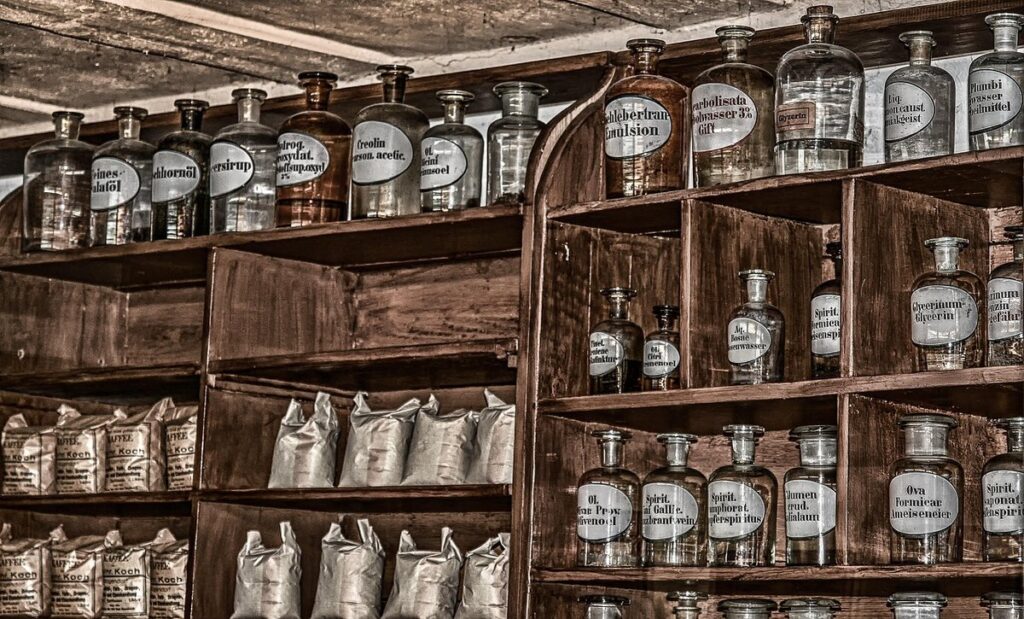
Apothecary jars, on the other hand, are large containers with straight sides and flat lids. They were used to store medicinal liquids and powders in pharmacies and homes. These jars often feature a more rustic design and may have labels or stickers indicating their contents.
Whiskey flasks are small, portable containers designed for carrying liquor. They’re typically made of heavy glass or ceramic materials to prevent breakage. Whiskey flasks often feature decorative elements such as engravings, etchings, or inlays.
Some common features of antique whiskey flasks include a rounded or bulbous body, a short neck, and a narrow mouth. These characteristics are distinct from perfume bottles and apothecary jars.
Identifying Antique Bottle Materials
When identifying antique bottles, understanding the materials used to make them is crucial for accurate dating and valuation. Let’s examine some common materials found in antique glassware.
Glass vs. Ceramic Bottles
When examining antique bottles, it’s essential to distinguish between glass and ceramic materials. Glass bottles are typically made from a mixture of sand, soda ash, and limestone, which is heated until molten and formed into the desired shape. This process allows for a high degree of transparency and durability. However, glass can be prone to cracking and may exhibit yellowing or opalescence over time due to chemical reactions.
Ceramic bottles, on the other hand, are made from clay and other minerals that are fired at a lower temperature than glass. Ceramic materials tend to be more porous and less transparent than glass but offer improved durability against thermal shock and chemicals. They may also exhibit a range of colors or textures depending on the type of ceramic used.
Some antique bottles feature a combination of both glass and ceramic elements, such as a ceramic base with a glass body. In these cases, it’s crucial to examine the transition points between materials for signs of wear or damage. When identifying antique bottles, pay attention to the color, texture, and weight of the material, as well as any visible defects or inclusions that can help distinguish between glass and ceramic.
Enamel and Paint Finishes
Enamel and paint finishes on antique bottles served multiple purposes. Some manufacturers used color to identify specific products or brands, while others employed enamel or paint to create decorative designs or to hide blemishes. For instance, some whiskey flasks featured intricate, hand-painted scenes of hunting or wildlife.
The most common types of enamel finishes found on antique bottles include matte, glossy, and semi-glossy. Matte enamels were often used for medicinal products, as they helped conceal color variations in the glass itself. In contrast, glossy enamels were typically reserved for decorative bottles, such as those used to house perfumes or other luxury goods.
Not all enamel finishes are created equal; look for signs of degradation or wear, which can indicate the age and authenticity of a bottle. For example, most early 20th-century glassware featuring shiny enamel paint will likely exhibit some degree of dulling over time due to exposure to light and chemicals.
Antique Bottle Shapes and Forms
As you explore antique bottles, it’s essential to understand the unique shapes and forms that can help identify their age, origin, and purpose. From conical to cylindrical, these distinctive silhouettes are a key part of any bottle’s charm.
Common Bottle Shapes and Styles
Soda bottles, beer bottles, and perfume flacons are just a few of the many common shapes and styles found in antique bottles. Each type of bottle has its own unique characteristics and features that can aid in identification.
Soda bottles, for example, typically have a narrow neck and a rounded body, often with a distinctive ribbing or molding around the middle section. Beer bottles, on the other hand, usually have a shorter neck and a more robust body, sometimes featuring a pointed or rounded shoulder. Perfume flacons, meanwhile, are characterized by their long, slender necks and delicate bodies.
When examining an antique bottle, pay close attention to its shape and style. Consider the following characteristics: the presence of a pontil mark (a small imperfection at the base where the bottle was once attached to a metal rod), the type of finish (e.g., lip, rim, or shoulder), and any distinctive moldings or decorations.
Keep in mind that some antique bottles may be hybrids or have features from multiple styles. By combining your knowledge of common shapes and styles with attention to details like these, you’ll become more skilled at identifying and dating antique bottles.
Influence of Art Nouveau and other Design Movements
Art Nouveau’s sinuous lines and organic forms had a profound impact on the design of antique bottles. This style, popularized by designers like Louis Comfort Tiffany and René Lalique, influenced bottle shapes to become more fluid and naturalistic. Notable examples include the distinctive curves of Art Nouveau perfume bottles, which often featured intricate etchings or engravings. The influence of other design movements, such as Art Deco and Prairie School styles, also left their mark on antique bottle design.
For example, the geometric patterns and metallic sheen of Art Deco-style bottles evoke the glamour of 1920s and 1930s Europe. Meanwhile, Prairie School-inspired bottles often featured clean lines, minimal ornamentation, and a focus on functionality. To identify bottles influenced by these styles, look for characteristic motifs like sinuous curves, geometric patterns, or minimalist decoration. Consider the bottle’s material, too – Art Nouveau-style glass bottles might feature intricate etchings or engravings, while Art Deco-style bottles often incorporated metallic accents. By recognizing these design influences, you can better understand the context and era in which your antique bottle was created.
Markings and Labels on Antique Bottles
Markings and labels can be a crucial aspect of antique bottle identification, often providing valuable clues to a bottle’s origin and history. Let’s take a closer look at these distinctive markings.
Understanding Bottle Marks and Stamps
Bottle marks and stamps are small details that can significantly impact an antique bottle’s value and authenticity. These markings often served as a means of identification for manufacturers, wholesalers, or retailers, and they can also provide clues about the bottle’s age, origin, and intended use. To decipher these markings, it’s essential to understand their historical context.
In the late 19th and early 20th centuries, many American glassmakers used a marking system that consisted of letters, numbers, or combinations of both. These codes typically indicated the factory where the bottle was produced, its type, and sometimes even the mold number. For example, the familiar “CC” mark signifies a bottle made by the Owens-Illinois Glass Company.
Other common marks include the “A” or “B” designations, which indicate the grade of glass used in the bottle’s production. The “A” grade typically signified high-quality glass, while the “B” grade was often reserved for lower-grade materials.
When examining antique bottles, pay close attention to these small markings and consider their potential significance. Consult reference guides or speak with an expert if you’re unsure about a particular mark or its meaning.
Rare and Collectible Label Types
Hand-painted labels are highly prized among collectors due to their unique and often intricate designs. These labels were typically applied by skilled artisans who carefully painted each design onto the bottle. The level of detail can vary greatly, from simple floral patterns to elaborate scenes depicting everyday life or mythological figures.
Embossed trademarks are another type of collectible label found on antique bottles. These marks feature raised lettering or logos that have been pressed into the glass during manufacturing. Some embossed trademarks are quite rare and highly sought after by collectors due to their historical significance or aesthetic appeal.
Rare and collectible labels can also take the form of paper or metal wraps, which were sometimes applied over a printed label. These wraps often feature decorative designs or vignettes that complement the bottle’s shape and style.
When identifying rare and collectible labels on antique bottles, look for unique features such as hand-painted designs, intricate embossing, or unusual materials like metal or paper.
Advanced Identification Techniques for Antique Bottles
Advanced identification techniques often involve analyzing subtle details that can make all the difference in pinpointing an antique bottle’s age, origin, and authenticity. Let’s examine some of these advanced methods up close.
Examination of Bottle Provenance
Provenance is a critical aspect of antique bottle identification. A bottle’s history can greatly impact its value and authenticity. Researching a bottle’s provenance involves tracing its ownership back to the original manufacturer or collector. This process typically begins with an examination of the bottle itself, looking for any marks or labels that may indicate its origin.
Check for signatures, initials, or stamps on the bottle, as these can be indicative of a specific maker or era. Additionally, examine the condition and any damage to the bottle, as this can provide clues about its past handling and storage. Consult with reputable dealers, collectors, or experts in the field who may have knowledge about similar bottles.
To verify a bottle’s provenance, use online resources such as historical records, auction catalogs, or databases of antique bottles. Look for any documentation, certificates of authenticity, or other written evidence that supports the bottle’s claimed history. Be cautious of unverified claims and take steps to authenticate the information through multiple sources whenever possible.
Verify any information about the bottle’s past owners or collectors by cross-referencing with other reliable sources. This can involve contacting auction houses, estate sales, or private collectors who may have handled similar bottles in the past.
Analyzing Bottle Condition and Rarity
When evaluating an antique bottle’s condition and rarity, it’s essential to consider both its physical state and market demand. Start by inspecting the bottle for signs of restoration, such as patched cracks or repainted labels. Note the presence of chips, cracks, or other damage that may impact its value.
Rarity is also a critical factor in determining an antique bottle’s worth. Research the type of bottle to understand how many were produced and sold during its manufacturing period. Look for unique characteristics, like unusual shapes or distinctive markings, which can make the bottle more scarce and valuable.
Consider the bottle’s market demand as well. Is it highly sought after by collectors? Are there any notable sales records that indicate a high price paid for similar bottles? Keep in mind that rarity is often subjective and can vary depending on the collector’s preferences and the current market trends.
When evaluating condition, remember that minor flaws may not significantly impact the bottle’s value if it’s extremely rare or highly sought after. Conversely, even minor damage can greatly reduce the worth of a common bottle. By carefully assessing both condition and rarity, you’ll gain a more accurate understanding of an antique bottle’s true value.
Frequently Asked Questions
Can I use a smartphone camera to take high-quality photos of antique bottles for identification?
Yes. A good smartphone camera can capture detailed images of bottle markings and labels, but consider using a macro lens or extension tubes if possible to get even closer shots.
What if I have an antique bottle with no visible marks or labels – how do I determine its age and authenticity?
In such cases, examine the bottle’s shape, size, material, and construction. Research similar bottles from the same period and region to make educated estimates about its age and value. Consult with experts or join online forums for further guidance.
How can I tell if an antique bottle has been restored or altered in any way?
Look for inconsistencies in the glass, ceramic, or finish, such as mismatched colors or textures. Check for signs of aging on the restoration, like worn or faded areas. Compare your findings to images and descriptions of original bottles from the same era.
What’s the best way to store antique bottles to prevent damage and preserve their condition?
Store bottles in a cool, dry place away from direct sunlight. Use acid-free tissue paper or boxes to separate each bottle, and consider using a dehumidifier to maintain stable humidity levels. Avoid stacking bottles on top of each other.
Can I use online marketplaces like eBay to buy and sell antique bottles, or is it better to deal with specialized dealers?
While online marketplaces can be convenient, they also come with risks. Dealing with reputable dealers who specialize in antique bottles can provide more assurance about the authenticity and value of your purchases or sales.