
Are you tired of your antique collection sitting idle in storage or scattered around your home without any flair? You’re not alone! Many of us struggle to showcase our treasured antiques in a way that does them justice. The right display ideas can make all the difference, elevating your collectibles from mere objects to stunning works of art.
In this article, we’ll explore creative ways to combine your antique pieces with modern decor for a cohesive look that’s both stylish and meaningful. From clever lighting tricks to preserving and restoring techniques, we’ll delve into various display ideas that cater to different tastes and styles. Whether you’re a seasoned collector or just starting out, you’ll learn how to transform your antiques into showstopping focal points in your home.
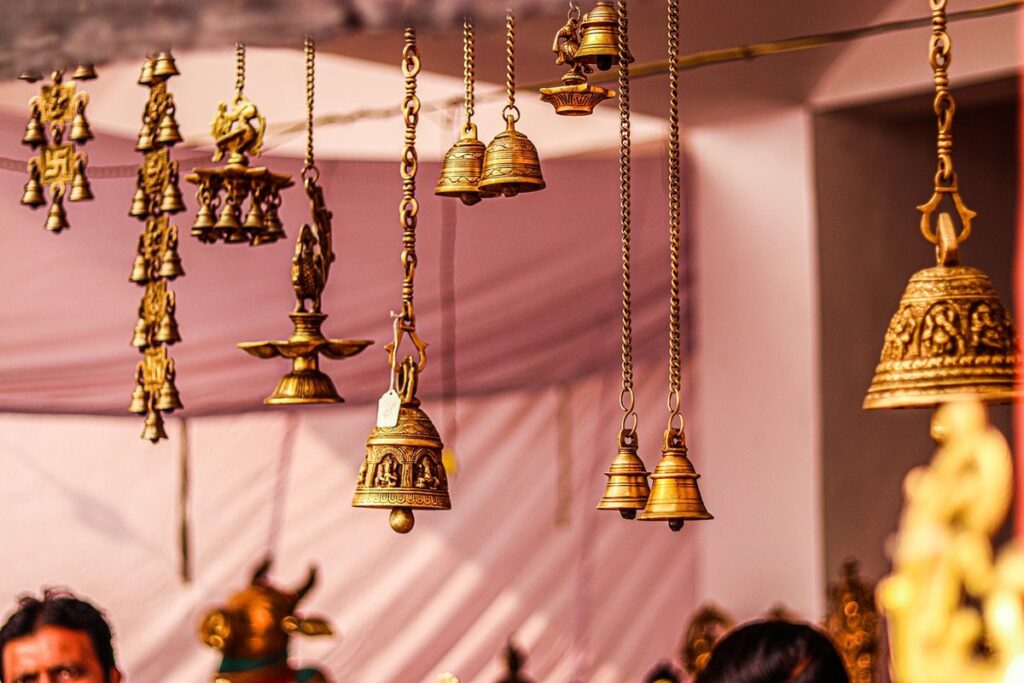
Creating a Focal Point
To create a visually striking display, you’ll want to designate one exceptional piece as your focal point and arrange the rest of your antiques around it harmoniously. This can be achieved by balancing scale, texture, and color.
Using Lighting to Highlight Antiques
When it comes to creating a focal point in a room, lighting can play a crucial role. By carefully selecting and placing the right type of lighting, you can draw attention to your antique pieces and make them the star of the show.
Table lamps are an excellent choice for highlighting antiques, especially those with intricate details or carvings. Place one near a display shelf or mantle to create a warm, inviting glow that showcases the piece from multiple angles. For example, a beautifully crafted Victorian-era side table looks stunning under the soft light of a mercury glass lamp.
Pendant lights can also be used to create a dramatic effect by drawing attention to a specific area of the room. Suspend one above a display case or near a prized antique to create a sense of drama and visual interest. Floor lamps, on the other hand, are perfect for creating pools of light around your antiques, making them stand out in a crowded room.
When choosing lighting for your antiques, consider the mood you want to create: warm and inviting, cool and sophisticated, or dramatic and eye-catching. Experiment with different types and placements until you find the right combination that showcases your treasured pieces to their full potential.
Grouping Antique Items Strategically
When it comes to creating a focal point in a room, grouping similar antique items together is an effective way to achieve visual balance and cohesion. By collecting vintage pieces with a common theme or style, you can create a harmonious display that draws the eye and adds depth to the space.
For example, gather a collection of antique vases, candlesticks, or picture frames in various shapes and sizes, but all sharing similar design elements such as ornate details or intricate patterns. Arrange them on a console table, sideboard, or shelf, leaving enough negative space between each item to create visual breathing room.
To group antique items strategically, start by selecting a few statement pieces that set the tone for the display. Then, add complementary items that echo similar design elements or colors. Finally, balance the grouping with neutral accessories or greenery to prevent visual overload and create a sense of harmony in the room.
Displaying Small Antiques
When it comes to showcasing small antiques, you’ll want to focus on creative and space-efficient display ideas that highlight their unique character without overwhelming your decor. This is where clever placement and thoughtful presentation come into play.
Using Shelves and Pedestals
When it comes to displaying small antiques, shelves and pedestals can be an excellent choice. They offer a elegant way to showcase decorative boxes, vases, figurines, and other small collectibles. However, choosing the right type of shelf or pedestal is crucial to ensure that your antique items are displayed effectively.
Consider using floating shelves for a minimalist look. These shelves create the illusion of more space while providing ample room for display. Alternatively, you can opt for traditional wooden shelves in a style that complements the era and design of your antiques. Pedestals, on the other hand, offer a more dramatic display option, adding height to your collection.
When selecting a shelf or pedestal, remember to consider the size and material. A small decorative box might get lost on a large, heavy base, while a delicate figurine may require extra support from a pedestal with a wide, stable base. Look for shelves and pedestals made from materials that match the style of your antiques, such as glass or wood, to create a cohesive look in your home decor.
Creating a Gallery Wall
Creating a gallery wall with smaller antique items is an excellent way to add visual interest and personality to a room. These diminutive treasures can be combined with other decorative elements to create a stunning focal point. To get started, gather a collection of prints, photographs, or miniature paintings that complement each other in terms of style, color palette, and era.
When arranging your gallery wall, consider the 60-30-10 rule: allocate 60% of the space to a dominant piece, 30% to secondary items, and 10% to accent pieces. This will create a visually appealing balance. Experiment with different layouts by grouping similar items together or scattering them randomly across the wall.
Remember to leave some breathing room between each item, as overcrowding can make the display feel cluttered. Measure your wall before hanging to ensure even spacing and a cohesive look. Finally, don’t be afraid to mix and match frames in terms of style and size – it’s all about creating a unique, eclectic vibe that reflects your personal taste.
Showcasing Large Antiques
When it comes to showcasing large antiques, it’s essential to choose a display method that highlights their grandeur and adds to your home decor. This is where creative solutions come into play.
Using Mirrors to Create Illusion
When showcasing large antiques, it’s not just about their beauty and craftsmanship, but also about creating a visually appealing space that highlights their significance. One clever trick to achieve this is by using mirrors strategically to create the illusion of space and make these statement pieces appear even more prominent.
Mirrors can work wonders in making your home decor look more spacious and airy. Consider installing floor-to-ceiling mirrors or mirrored walls behind large antiques, such as grand pianos or ornate sideboards. This will not only reflect the beauty of the piece but also create a sense of depth and continuity in the room.
To maximize the effect, choose mirrors with frames that complement your antique’s design style. For example, if you have a vintage piece with intricate carvings, pair it with a mirror featuring ornate gold details to create a cohesive look. By cleverly using mirrors as an accent, you can make even the largest antiques appear more refined and elegant in your home.
Creating a Focal Point with Color
When showcasing large antiques, it’s essential to create a focal point that draws attention to the piece. One effective way to do this is by incorporating color thoughtfully into the display. A bold-colored wall behind the antique can serve as a striking backdrop, creating a beautiful visual connection between the piece and its surroundings.
Consider repainting the adjacent walls in a deep, rich hue or using a statement wall to create a dramatic effect. For example, if you’re displaying a stunning French armoire, paint the surrounding walls a muted gray tone to allow the antique’s warm tones to take center stage. Alternatively, use colorful decorative items around the piece to draw attention to it.
Use vases, throw pillows, or even artwork to add pops of color and create visual interest. For instance, if you’re displaying an ornate Italian chandelier, surround it with a collection of vintage glassware in complementary colors. By thoughtfully incorporating color into your display, you’ll be able to highlight the antique’s unique features and create a stunning focal point in any room.
Displaying Antiques in Hallways and Stairs
When it comes to showcasing your treasured antiques, hallways and stairs offer a unique opportunity for creative display. Learn how to beautifully incorporate antique pieces into these often-overlooked spaces.
Using Hallway Tables and Consoles
When it comes to displaying antiques in hallways and stairs, hallway tables and consoles are an excellent way to showcase cherished items. These versatile pieces of furniture can be used to display vintage hats, scarves, collectibles, or other treasured belongings.
Consider the style of your home when choosing a table or console. For example, if you have a traditional or formal space, look for pieces with ornate details and classic designs. If you have a more modern or minimalist space, opt for sleek and simple consoles that won’t compete with your existing decor.
Some popular types of hallway tables and consoles include floating shelves, pedestal tables, and console tables with storage. Floating shelves are perfect for displaying small collectibles or decorative items, while pedestal tables offer a sturdy surface for showcasing larger pieces. Console tables with storage can help keep clutter at bay by providing a hidden compartment for storing items.
Ultimately, the key is to choose a table or console that complements your home’s style and enhances the overall aesthetic. By doing so, you’ll create a beautiful and functional display space that showcases your antique treasures in the best possible light.
Adding Decorative Items to Staircases
Adding decorative items to staircases is an excellent way to create visual interest and tie together antique pieces displayed throughout your home. A beautifully designed staircase can make a stunning statement, setting the tone for the rest of your interior design.
Consider adding decorative elements such as intricate metalwork or ornate newel posts to create a cohesive look with antiques displayed in other areas of your home. For instance, if you have antique vases on display in a living room, a matching metalwork detail on the staircase can tie the two spaces together.
You can also incorporate mirrors, sconces, and candelabras into your staircase design to add depth and visual interest. Placing mirrors opposite windows will not only make the space feel larger but also reflect light and create the illusion of additional lighting.
When selecting decorative items for your staircase, remember to balance ornate pieces with simpler elements to avoid overwhelming the space. This way, you can maintain a cohesive look while still showcasing unique antique pieces that add character to your home.
Mixing Antique with Modern
When combining antiques with modern decor, finding a balance between styles can be challenging. In this section, we’ll share our top tips for successfully mixing old and new pieces.
Combining Styles through Patterns
When mixing antique with modern items, patterns can be a powerful tool for creating a cohesive look. By combining different patterns, you can tie together disparate styles and periods, resulting in a visually appealing display.
To start, let’s consider some common patterns that work well together. Stripes, florals, and geometric shapes are all popular choices that can add visual interest to your antique display. For example, pairing striped armchairs with floral-patterned throw pillows creates a harmonious balance between modern and traditional elements.
When combining patterns, it’s essential to consider the 60-30-10 rule: 60% of the space should feature a dominant pattern, while 30% can be a secondary pattern, and 10% should be a neutral element. This ratio helps prevent the display from feeling overwhelming or chaotic.
For instance, you could pair a striped antique rug with modern geometric-shaped vases and throw pillows featuring a smaller floral pattern. Remember, it’s all about balance – experiment with different combinations to find what works best for your unique space.
Adding Plants and Greenery
When it comes to mixing antique with modern elements, incorporating plants and greenery is an excellent way to add a touch of modernity to your space. Not only do they purify the air and bring in a natural beauty, but they also provide a beautiful contrast to the vintage pieces surrounding them.
To achieve this look, consider using vintage planters that have been repurposed as modern planters. For example, you can place an antique urn on a console table and fill it with lush greenery or colorful flowers. Alternatively, you can use modern terrariums that showcase delicate plants in a sleek, minimalist glass container.
When choosing the right type of plants, opt for low-maintenance options like succulents or air plants that thrive in indoor conditions. These plants are perfect for busy homeowners who don’t have a green thumb. You can also incorporate larger statement pieces like potted ferns or peace lilies to add drama and texture to your space.
Remember, the key is to balance the modernity of the plants with the antique elements surrounding them. By doing so, you’ll create a harmonious blend of old and new that adds visual interest and personality to your room.
Preserving and Restoring Antiques
When it comes to showcasing delicate antiques, preserving and restoring them is crucial to maintaining their beauty and value. Proper care ensures your treasured pieces remain stunning for years to come.
Understanding the Importance of Preservation
When it comes to showcasing your antique pieces, understanding their preservation is just as crucial as selecting the perfect display method. Preserving and restoring antiques not only maintains their value but also ensures they remain intact for future generations.
To preserve an antique’s integrity, you can start by using protective coatings such as varnish or wax. These materials form a barrier against dust and moisture, preventing damage from wear and tear. For instance, applying a clear coat of varnish to a delicate vase can shield it from scratches and spills.
In addition to protective coatings, storing items in a controlled environment is equally important. This means maintaining a consistent temperature between 60°F to 70°F (15°C to 21°C) and relative humidity levels below 50%. A climate-controlled storage unit or a room with minimal exposure to sunlight can make all the difference.
Remember, even the most meticulous preservation efforts will be undone if your antiques are not stored properly.
Hiring a Professional Restoration Service
When it comes to antique display ideas, one crucial aspect to consider is preserving and restoring delicate pieces. If you have an intricate or complex antique item that needs restoration, hiring a professional service can make all the difference.
A professional restoration service brings expertise, specialized equipment, and attention to detail to ensure your antique piece is restored to its original glory. They understand the nuances of various materials, techniques, and historical periods, which allows them to approach each project with care and precision.
To find a reputable restoration service, start by asking for referrals from friends, family, or fellow collectors. Check online reviews and look for certifications from organizations like the International Institute for Conservation of Historic and Artistic Works (IIC). A good restoration service will also provide detailed before-and-after photos, explain their process and materials used, and offer a written guarantee.
It’s essential to choose a reputable service that respects your antique piece’s original character while enhancing its appearance. By doing so, you’ll not only preserve the item but also appreciate it for years to come.
Conclusion
Now that you’ve incorporated antique display ideas into your home decor, let’s summarize the key takeaways and finalize our exploration of elevating your space.
Recap of Key Takeaways
As we conclude our exploration of antique display ideas, it’s essential to recap the main points discussed and emphasize their significance in elevating your home decor. By incorporating these expert-approved techniques, you’ll not only preserve your treasured antiques but also showcase them in a way that enhances their beauty and value.
One key takeaway is the importance of creating a balanced display. This means avoiding over-accessorizing or overcrowding your space with too many pieces. Instead, focus on showcasing 2-3 statement pieces per room to create visual interest and prevent clutter. For instance, consider grouping antiques by era, style, or material to create a cohesive look.
Another crucial aspect is preserving your antiques in their original condition. To achieve this, use acid-free materials for storage and display, such as archival-quality boxes and mats. When dusting, avoid using chemical-based cleaning products that can damage finishes. Instead, opt for soft cloths and gentle dusting sprays specifically designed for delicate surfaces.
In addition to preservation methods, we discussed various display ideas to add a touch of elegance to your space. From showcasing a single show-stopping piece on a pedestal or wall mount to creating a vignette with complementary furniture and decor, there are endless possibilities. Consider repurposing old pieces, like turning a vintage door into a coffee table or using an antique window as a room divider.
Ultimately, the key to successful antique display lies in finding that perfect balance between preservation and presentation. By incorporating these expert-approved techniques into your home decor strategy, you’ll be able to showcase your treasured antiques in all their glory while maintaining their beauty and value for generations to come.
Frequently Asked Questions
How can I combine antique items with modern decor without creating a jarring contrast?
Combining antiques with modern decor requires balance and harmony. Start by identifying common elements between the two styles, such as a shared color palette or texture. Then, use these connections to create a cohesive look. For example, pair a vintage piece with a modern one that features a similar pattern or material.
What if I’m new to antique collecting and don’t know where to start?
Start by gathering items you already own, and then gradually add more pieces as your collection grows. Consider the overall aesthetic you want to achieve and how each item contributes to it. Don’t be afraid to experiment and try out different arrangements until you find a look that works for you.
Can I display small antique items, such as jewelry or miniature objects?
Yes! Small antiques can add a delightful touch to your displays. Consider using glass-front cabinets or apothecary jars to showcase these tiny treasures. You can also group them together with other similar items to create a visually appealing vignette.
How do I choose the right lighting for my antique display?
Choose lighting that complements the color and texture of your antiques. Table lamps, floor lamps, or string lights can all work well, depending on the specific pieces you’re displaying. Consider using LED bulbs to minimize glare and protect your antiques from heat damage.
Can I mix different types of antiques together in a single display?
Absolutely! Mixing different types of antiques can create a visually interesting and dynamic display. Just be sure to balance the scale, texture, and color of each piece to avoid visual overload. Consider grouping similar items together or using a unifying element like a shared material or pattern.