
If you’re looking for a timeless piece to add character to your home, consider an antique-style armchair. These classic designs have been cherished for centuries, not only for their elegant appearance but also for their rich history and craftsmanship. Antique style armchairs often evoke a sense of nostalgia and sophistication, making them a popular choice for those seeking to create a warm and inviting atmosphere in their living space. However, restoring and valuing these pieces can be a daunting task, especially if you’re new to the world of antique furniture. In this comprehensive guide, we’ll take you through the history and design of antique style armchairs, provide expert advice on choosing and caring for one, and offer guidance on restoration and valuation so that you can make informed decisions when shopping or restoring a vintage piece.
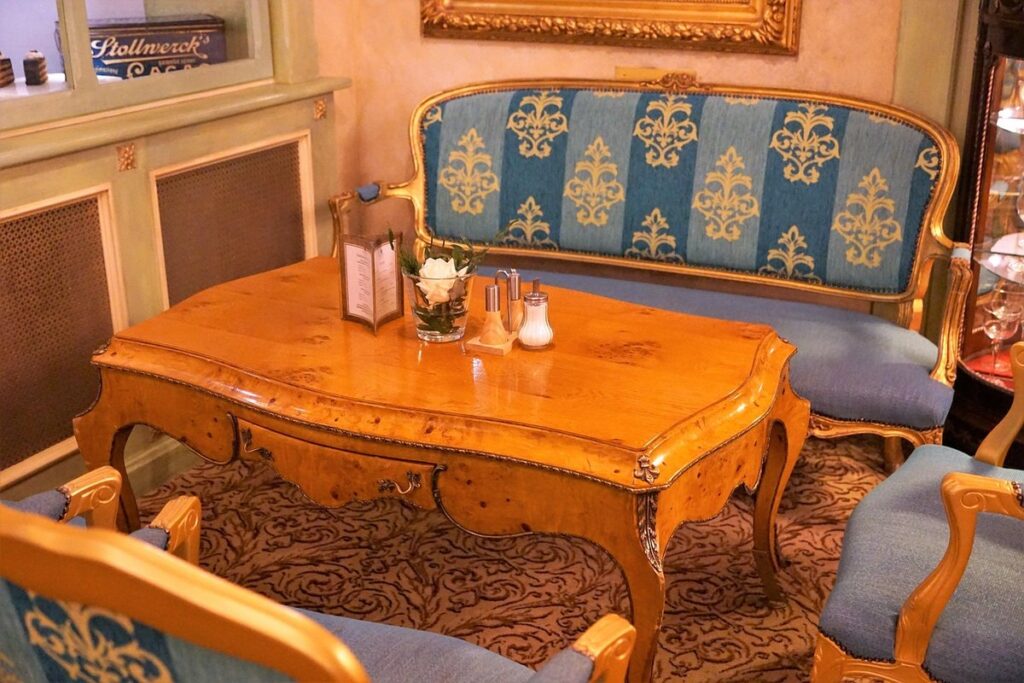
Understanding Antique Style Armchairs
Antique style armchairs often blend historical influences with modern comfort, so let’s take a closer look at what makes these pieces unique. We’ll examine their design and features in more detail next.
Origins of Antique Armchairs
Armchairs have their roots in ancient civilizations, with evidence of upholstered chairs dating back to ancient Egypt around 1500 BCE. These early armchairs were typically reserved for royalty and the wealthy, as they required skilled craftsmanship and expensive materials like linen and leather. The Greeks and Romans also prized armchairs, often adorning them with intricate carvings and ornate details.
During the Middle Ages, armchairs evolved to become more practical and accessible. Chaucer’s Wife of Bath is famously depicted sitting in an armchair in a 14th-century manuscript illustration. By the 18th century, armchairs had become a staple in European drawing rooms, with designers like Thomas Sheraton popularizing neoclassical styles. Sheraton’s designs were characterized by clean lines, minimal ornamentation, and a focus on comfort.
Throughout history, influential styles have shaped the design of armchairs. For instance, the Louis XVI style, which emerged during the French Revolution, emphasized delicate curves and subtle ornamentation. Understanding these historical periods and notable designers can help you identify authentic antique armchairs or create informed decisions when purchasing vintage pieces.
Characteristics of Antique Armchair Designs
Antique armchairs are characterized by their rich, ornate details and high-quality materials. Upholstery fabrics often feature intricate patterns, such as stripes or florals, and may be made from luxurious materials like velvet or silk. Carved wood details add an extra layer of sophistication, with curved lines and scrollwork creating a sense of movement.
Carved wooden armchairs typically date back to the 18th century, when craftsmen would use hand tools to create intricate designs. Look for signs of hand-carving, such as uneven edges or subtle variations in texture. Ornate patterns on upholstery are another hallmark of antique armchairs, often featuring gold or silver thread embroidery.
When examining an antique armchair’s design, pay close attention to the style of its curves. In the 19th century, for example, curved lines became more pronounced, influenced by the Victorian aesthetic. Meanwhile, the Arts and Crafts movement emphasized clean lines and minimal ornamentation. By understanding these distinct characteristics, you can better identify the era and style of an antique armchair and make informed decisions when restoring or repurposing it.
Designing with Antique Style in Mind
When designing a room with antique style in mind, it’s essential to balance timeless elegance with modern functionality, ensuring your space feels both authentic and livable.
Choosing the Perfect Antique Armchair for Your Space
When choosing an antique armchair for your space, consider the room’s overall aesthetic and layout. Measure the doorways, hallways, and corners to ensure the chair can fit comfortably through these passages. A larger armchair may be impractical if you have narrow corridors or tight spaces.
Think about the style of your home and how the armchair will contribute to it. Antique armchairs come in a range of styles, from Victorian to Art Deco, so choose one that complements your existing furniture and decor. Consider the color scheme of the room as well – a brightly upholstered chair can add a pop of color, while a more muted tone may blend seamlessly into the background.
When it comes to measurements, remember to take into account not just the armchair itself but also any surrounding furniture or architectural features. A chair that’s too large for the space can overwhelm the room, while one that’s too small may look lost amidst other pieces of furniture.
Mixing Antique with Modern: Decorating Tips and Tricks
To successfully mix antique armchairs with modern decor, it’s essential to strike a balance between vintage charm and contemporary style. Start by selecting an antique armchair that complements your existing furniture pieces. A well-upholstered antique armchair in a neutral color can be paired with a sleek, low-profile sofa or sectional.
When combining patterns, consider the scale and intensity of each pattern. For instance, a bold, geometric print on a modern rug can be balanced by a more subtle floral pattern on an antique armchair upholstery. Mixing textures is also crucial – pair smooth leather with tufted velvet or linen for a visually appealing contrast.
In terms of color, choose one statement piece (like the antique armchair) and build around it with neutral hues on other furniture pieces. You can also use modern throw pillows and blankets to add pops of color and texture without overwhelming the space. By thoughtfully combining these elements, you can create a harmonious blend of old and new that celebrates the unique character of your antique armchair.
Restoration and Upcycling for a New Look
Give new life to your antique armchair by learning restoration techniques that breathe fresh style into its classic design without sacrificing its timeless charm. With simple methods, you can revitalize its look.
Basic Maintenance and Cleaning Techniques
To maintain an antique armchair’s condition, regular cleaning is essential. Dust can accumulate quickly, especially on ornate carvings and intricate details. Use a soft-bristled brush or a gentle dusting cloth to remove loose debris from carved surfaces, paying attention to corners and crevices.
For more thorough cleaning, mix a solution of mild soap and warm water. Dip a clean, white cloth into the solution, wringing it out thoroughly to avoid excessive moisture. Gently wipe down the armchair’s surfaces, working from top to bottom to prevent drips from settling on already cleaned areas. Avoid using harsh chemicals or abrasive materials that can damage the finish or strip away original paint.
When cleaning upholstered seats, use a gentle upholstery cleaner specifically designed for antique furniture. Follow the manufacturer’s instructions and test a small, inconspicuous area first to ensure the product doesn’t cause discoloration. For stains, apply the cleaner directly to the stain and gently blot with a clean cloth, working from the outside inwards.
Remember to always dry your armchair thoroughly after cleaning, paying extra attention to any crevices or joints where moisture can collect.
Expert Advice on Restoring Antique Armchairs
Assessing damage is crucial when restoring an antique armchair. Check for loose joints, worn upholstery, and damaged legs or frame. Inspect the chair’s structure to determine if it requires reinforcement or repair. Consider consulting a professional conservator for guidance on sensitive restoration techniques.
Choose suitable restoration techniques based on the chair’s condition and intended use. For example, if the upholstery is severely worn, consider reupholstering with a matching fabric, or repurposing an existing piece of furniture into a patchwork design. When refinishing the wood, select a finish that suits the armchair’s original style, such as a wax or varnish for a distressed look.
Achieving a professional finish requires attention to detail and patience. Clean the chair thoroughly before applying any restoration techniques, and always work in small sections to avoid mistakes. Consider using specialized tools, like a jointer plane or sanding block, to smooth out rough surfaces. Practice makes perfect; don’t be discouraged if it takes several attempts to achieve the desired result.
Understanding the Market: Buying, Selling, and Valuing Antique Armchairs
When buying, selling, or valuing an antique armchair, it’s essential to understand market trends and values that can impact your purchase or sale. This section will break down what to look for in determining a fair price.
How to Research and Find Authentic Antique Armchairs
When scouring online marketplaces, auctions, and estate sales for antique armchairs, it’s crucial to separate genuine pieces from reproductions. Research an item’s history by examining its provenance – look for documentation that confirms the chair’s age, origin, and previous owners. Reputable dealers often provide detailed descriptions and photos, including labels or stamps from esteemed manufacturers.
Verify authenticity by inspecting the chair’s materials, craftsmanship, and condition. Check for signs of wear consistent with its age, such as patina on wood or faded upholstery. Online marketplaces like 1stdibs and Chairish offer a range of antique armchairs, but be cautious of listings lacking detailed descriptions or high-quality photos.
Attend auctions in person to inspect items before bidding, and familiarize yourself with auction houses’ grading systems and terms. Estate sales can also yield authentic finds, but be prepared to act quickly when you spot something promising. When buying online, look for dealers who are members of industry organizations like the Antique Dealers Association of America or the International Society of Appraisers. These affiliations often indicate a commitment to authenticity and transparency.
Factors Affecting Antique Armchair Values: Condition, Rarity, and Provenance
When evaluating an antique armchair’s value, it’s essential to consider four primary factors: condition, rarity, provenance, and market demand. Condition refers to the chair’s physical state, including signs of wear, damage, or restoration. A well-preserved armchair with minimal damage can significantly increase its value.
Rarity is another critical factor, as unique or one-of-a-kind pieces tend to command higher prices. For example, a limited edition armchair designed by a renowned artist may be highly sought after and valuable due to its scarcity. Provenance, or the chair’s ownership history, can also impact its value. If an armchair has been owned by a notable figure or is part of a significant collection, it may increase in value.
Market demand plays a substantial role in determining an antique armchair’s worth. Currently, there is high demand for mid-century modern and Art Deco styles, which can drive up prices for rare pieces. However, if the market shifts towards other styles, such as Victorian or Gothic Revival, the value of those specific chairs may increase accordingly. Understanding these factors will help you make informed decisions when buying, selling, or valuing an antique armchair.
Caring for Your Investment: Long-Term Maintenance Tips
To keep your antique style armchair looking its best, regular maintenance is crucial to prevent damage and extend its lifespan over time naturally. Regular cleaning and inspections are essential for this process.
Storage and Handling Techniques to Preserve Antique Armchairs
When storing antique armchairs, it’s essential to avoid direct sunlight exposure, which can cause fading, cracking, and discoloration of the upholstery and wood. Ideally, place them away from windows or use UV-filtering window treatments to minimize damage. Dusty storage environments can also be detrimental; maintain a temperature range between 60°F to 70°F (15°C to 21°C) with low humidity levels.
When dusting antique armchairs, avoid using chemical-based products that can strip the finishes and damage delicate materials. Instead, use soft-bristled brushes or feather dusters specifically designed for fine furniture to gently sweep away dirt and debris. For more thorough cleaning, opt for gentle polishes and conditioners recommended by conservators or restoration experts.
To ensure safe handling, always lift antique armchairs from the seat or backrest rather than the frame, as this can cause damage to the legs or joints. Also, avoid over-bending or twisting the frames, which can lead to structural weakness. When moving the chair, place a blanket or padding between the furniture and any surfaces it may come into contact with to prevent scratching or scuffing.
Preventative Measures for Prolonging the Life of Your Antique Armchair
Regular inspections are crucial in identifying potential issues before they escalate. Schedule annual or bi-annual visual examinations to check for signs of wear, such as loose joints, faded upholstery, or cracks in the frame. Use a soft-bristled brush to gently sweep away dust and debris accumulated on intricate carvings or ornate details.
Addressing minor repairs promptly can prevent more extensive damage down the line. For example, re-tightening loose screws or applying a touch-up coat of varnish can significantly extend the lifespan of your antique armchair. However, don’t hesitate to consult a professional upholsterer or restorer if you’re unsure about the best course of action.
Identifying the need for replacement parts is also vital. Check for worn-out springs, broken casters, or frayed upholstery threads, and replace them as necessary. Consider maintaining a record of your armchair’s history, including restoration work and component replacements, to help guide future maintenance decisions.
Frequently Asked Questions
What if I find an antique armchair with unknown or mixed materials? How do I determine its authenticity?
You should inspect the piece carefully for any labels, signatures, or other identifying marks. Consult experts in the field, such as restorers or appraisers, who can examine the chair’s construction and materials to determine its authenticity.
Can I restore an antique armchair myself, or is it best left to a professional?
Restoring an antique armchair requires specialized skills and knowledge. While minor cleaning and maintenance tasks are manageable for individuals, more extensive restoration work should be entrusted to professionals with experience in furniture conservation.
How do I ensure that my restored antique armchair’s value increases over time? What factors contribute to its long-term appreciation?
To increase your antique armchair’s value, focus on preserving its original condition. Consider factors such as rarity, provenance, and market demand when selecting the chair. Regular maintenance, proper storage, and documentation of restoration work can also contribute to its long-term appreciation.
What if I want to combine an antique armchair with a modern sofa? Are there any specific design principles or tips for balancing styles?
When combining an antique armchair with modern furniture, consider the 60-30-10 rule: 60% of the room should feature a dominant color scheme, 30% a secondary color, and 10% an accent color. Balance vintage pieces with modern patterns and textures by mixing high and low elements, and don’t be afraid to add decorative accessories that tie both styles together.
Is there a way to protect my antique armchair from fading or discoloration due to sunlight exposure?
To prevent fading or discoloration, keep your antique armchair away from direct sunlight whenever possible. Consider using UV-filtering window treatments or rearranging the furniture to minimize exposure to harsh light. Regular dusting and polishing can also help maintain its finish and protect against environmental damage.