
Effective astronomy observation journals are essential for amateur astronomers who want to track their progress, identify patterns, and refine their skills. By keeping a detailed record of celestial events, you can make informed decisions about future observations and optimize your equipment usage. However, setting up an effective journal requires more than just jotting down notes – it demands careful planning, consideration of the right equipment, and a systematic approach to recording observations.
This comprehensive guide will walk you through the process of setting up your astronomy observation journal, from choosing the right notebook or digital tool to developing a consistent recording system. We’ll also explore key considerations for selecting the necessary equipment, such as binoculars, telescopes, and software. By following these steps, you’ll be able to create a personalized journal that helps you improve your skills, track progress, and enhance your overall astronomy experience.
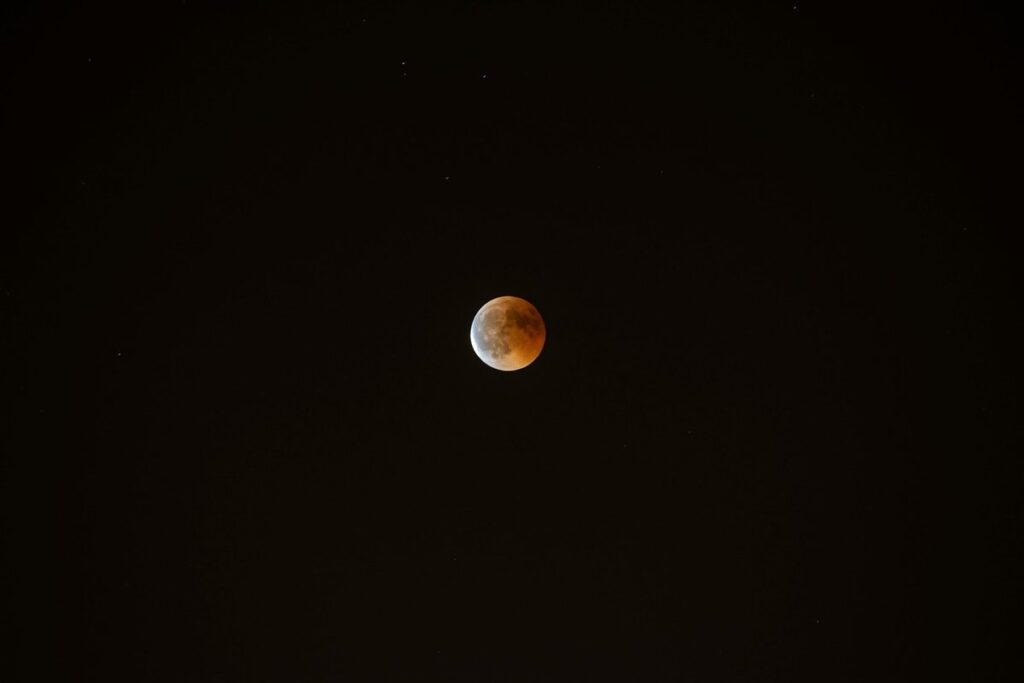
Getting Started with Your Astronomy Journal
To get the most out of your astronomy journal, let’s start by setting up a foundation that will make it easy to track and reflect on your observations over time. Begin by defining your goals for using the journal.
Understanding the Importance of Recording Observations
Keeping an astronomy observation journal is essential for both beginners and experienced stargazers. It allows you to track progress over time, identify patterns, and refine your observational skills. One of the primary benefits of recording observations is that it helps you recognize improvements or setbacks in your ability to observe celestial objects.
For instance, if you’re trying to spot a particular planet, keeping a journal will help you note whether you’ve successfully observed it on previous nights. This information can be used to adjust your observing strategy for future sessions. By tracking your progress, you’ll also start to notice patterns in the conditions that affect your observations, such as weather or moon phase.
Recording observations also enables you to refine your observational skills by highlighting areas where you need improvement. For example, if you find that you’re consistently having trouble spotting a particular object, you can revisit your observation techniques and make adjustments accordingly. By regularly reviewing your journal entries, you’ll be able to identify what works and what doesn’t, allowing you to fine-tune your observing skills over time.
Keeping a record of your observations helps you retain information from one session to the next, making it easier to build on your knowledge and develop new insights into the night sky.
Setting Up Your Journal for Success
When setting up your astronomy journal for success, it’s essential to establish a clear and consistent format from the beginning. Start by dedicating a page or section to each observation session, including date and time stamps, weather conditions, and equipment used. This will allow you to easily track and reference previous observations.
In addition to these basic elements, consider including notes on your observations, such as notable celestial events, unusual phenomena, or interesting patterns. You can also use diagrams, sketches, or photographs to illustrate your findings. To keep your journal organized, dedicate a section for each type of observation, such as planetary observations, lunar phases, or deep-sky objects.
Use tabs, dividers, or color-coding to separate different sections and make navigation easier. Consider including a table of contents or an index to help you quickly locate specific entries. By establishing a clear format and organization system, you’ll be able to easily find and review your observations, making it easier to identify patterns and trends over time.
Choosing the Right Equipment for Your Astronomy Journal
When it comes to astronomy observation, having the right equipment can make all the difference. We’ll cover the essential gear you need to capture stunning celestial views in your journal.
Selecting a Suitable Telescope or Binoculars
When selecting a telescope or binoculars for your astronomy journal, consider your budget and skill level. For beginners, refractor telescopes are a good starting point due to their ease of use and relatively low cost. They offer sharp images with minimal distortion, making them ideal for observing the moon and planets.
Reflector telescopes provide more magnification but can be bulkier and heavier. They’re suitable for intermediate astronomers who want to observe deep-sky objects like nebulae and galaxies. Compound telescopes combine refractor and reflector designs, offering a balance between cost and performance.
Binoculars are another option for astronomy observation, providing portability and convenience. 7×50 or 10×50 binoculars are good starting points, offering a wide field of view and decent magnification. However, they may not provide the same level of detail as telescopes.
When choosing between these options, consider your observing goals and the type of astronomy you want to pursue. If you’re just starting out, it’s best to invest in a quality pair of binoculars or a beginner-friendly telescope. As your skills improve, you can upgrade to more advanced equipment.
Essential Accessories for Accurate Observations
A sturdy tripod is essential for accurate observations, as it allows you to stabilize your telescope or binoculars, reducing unwanted movement and vibrations. This is particularly important when tracking celestial objects over long periods. A well-adjusted tripod also enables you to take sharper images and make more precise readings.
When choosing a tripod, consider one with adjustable height settings and a sturdy base that can accommodate the weight of your equipment. Some tripods even have built-in leveling systems, which can help ensure accurate alignment with the celestial object.
A good quality eyepiece is also crucial for detailed observations. Different types of eyepieces offer varying levels of magnification and field of view, so consider what you’ll be observing most frequently when selecting one. A wide-angle eyepiece is ideal for scanning the sky, while a higher-magnification eyepiece is better suited for studying specific objects.
A star chart or planisphere is also an invaluable tool for astronomers. These charts help you locate celestial objects and understand their relationships with other stars and constellations. They come in various forms, including printed charts and digital apps, and can be customized to fit your specific needs and location. By incorporating these essential accessories into your observation setup, you’ll be able to make more accurate readings and enhance your overall journaling experience.
Techniques for Recording Astronomy Observations
To accurately record your astronomy observations, it’s essential to use a combination of techniques that help you capture both visual and numerical data. This includes noting planetary positions, moon phases, and any notable celestial events.
Basic Observation Techniques for Beginners
When using the naked eye or binoculars for observations, it’s essential to start with planets. Begin by locating the brightest planet in the night sky, which is usually Venus or Jupiter. Use a star chart or mobile app to help you find these celestial bodies. For planets, look for their distinctive colors: Venus appears as a bright white dot, while Jupiter is often yellowish due to its atmospheric composition.
For stars and constellations, use the “grouping” method. Identify a prominent shape in the sky, such as the Big Dipper or Orion’s Belt, and use it as a reference point to locate nearby stars and other celestial features. Remember that the brightest star in a constellation is often the one named after the constellation itself (e.g., Alpha Centauri in the Centaurus constellation).
When identifying constellations, pay attention to their characteristic shapes and patterns. For example, Cassiopeia resembles a “W” or an “M,” while Scorpius has a distinctive curved tail shape. By recognizing these patterns, you can better understand the relationship between stars within a constellation.
Note: Start with smaller scopes (30x-60x magnification) for observing planets and move to higher powers only if needed to prevent over-enhancement of features.
Advanced Techniques for More Detailed Observations
When observing the moon, sun, and deep-sky objects like stars and galaxies, you need to switch to a more advanced technique. Using a telescope for these observations requires patience, attention to detail, and practice to improve observation skills.
Start by adjusting the telescope’s focus to bring the object into sharp view. This may take some trial and error as the optimal focus can be very sensitive to the object’s distance from Earth. For lunar observations, use a lower magnification (around 100-150x) to capture more detail in the moon’s surface features.
For solar observations, never look directly at the sun through the telescope without proper eye protection. Instead, attach a solar filter to the front of the eyepiece or use a dedicated solar viewing device. When observing deep-sky objects, consider using a star-hopping technique to locate the target by following a series of brighter stars.
To improve your observation skills, regularly practice making detailed drawings or sketches of what you see. This helps develop your ability to accurately record and describe celestial features.
Analyzing and Interpreting Your Astronomy Journal Entries
Now that you’ve filled up your astronomy journal, it’s time to make sense of all those notes and observations. This next step is crucial for tracking your progress and refining your skills as an amateur astronomer.
Identifying Patterns and Trends in Your Observations
When reviewing your journal entries, look for patterns and trends in planetary positions, star visibility, or other celestial phenomena. One way to identify these patterns is by creating a chart or table of data from specific dates or observations. For instance, you might track the position of Mars over several months or note when certain stars are most visible in the evening sky.
As you analyze your entries, consider the following:
- Are there any consistent changes in planetary positions that might indicate an orbital pattern?
- Do certain stars appear more frequently than others in your observations?
- Have you noticed any correlations between lunar phases and other celestial events?
By examining these patterns, you can gain a deeper understanding of the night sky and make more informed predictions for future observations. For example, if you notice that Mars is consistently visible in the eastern sky during a specific time frame, you can plan your next observation accordingly.
When identifying trends, also consider the broader context, such as seasonal changes or astronomical events like meteor showers.
Using Data from Your Journal for Future Predictions
As you continue to collect data from your astronomy journal, you’ll start to notice patterns and trends emerging. These patterns can be used to make predictions about future celestial events and phenomena. For instance, if you’ve recorded a series of observations documenting the rising and setting times of the Moon over several months, you may begin to recognize that it’s always visible in the eastern sky at 9 PM on any given evening. This data can then be used to predict its visibility for upcoming nights.
One key aspect to keep in mind is patience – predicting celestial events requires long-term commitment to journaling. It’s essential to maintain consistent records over time, allowing you to identify and analyze patterns that may not be immediately apparent. This process also encourages a deeper understanding of astronomy principles, as you learn to connect observed phenomena with theoretical concepts.
To make the most of your data, try creating charts or graphs to visualize trends and relationships between variables. For example, plot the position of planets against specific dates, or track changes in lunar phases over time. By examining these visualizations, you’ll be able to identify key patterns that can inform future predictions.
Overcoming Common Challenges in Astronomy Observation Journaling
Many aspiring astronomers face challenges when keeping an observation journal, from inconsistent data entry to difficulties tracking celestial events. We’ll address these common obstacles and provide solutions for a more effective journaling experience.
Managing Time and Weather Constraints
Astronomy observation journaling requires flexibility and adaptability to overcome common challenges. Limited viewing time due to weather conditions or personal schedules can hinder progress. A clear understanding of available resources will help you plan effectively.
Begin by monitoring local weather forecasts for optimal observing periods. Consider using online tools that provide detailed sky maps, helping you identify opportunities even on cloudy days. Allocate specific timeslots in your journal for recording observations, ensuring regular updates despite time constraints.
Maximize observation opportunities with strategic planning. Prioritize tasks and allocate time accordingly. For instance, dedicate shorter intervals to quick sketches or notes during breaks between observing sessions. This enables you to capture fleeting details without compromising the quality of observations.
To compensate for reduced viewing hours, focus on developing skills for more efficient observations. Learn techniques like rapid sketching, note-taking, or using a camera to record detailed images. These strategies will help you make the most of your available time and minimize losses due to unfavorable weather conditions.
Maintaining Motivation and Consistency
Many astronomy enthusiasts struggle to maintain their motivation and consistency when it comes to journaling. However, there are several strategies that can help keep you engaged with your hobby. For instance, joining a local astronomy club or online community can provide valuable support and accountability. This sense of camaraderie can be a powerful motivator, as seen in the story of John, who credits his weekly astronomy club meetings with keeping him consistent in his observations.
Another approach is to set achievable goals for yourself, such as observing a certain number of celestial objects within a specific timeframe. This can help break down larger tasks into manageable chunks and provide a sense of accomplishment when milestones are reached. Additionally, trying out new techniques or equipment can add variety to your journaling routine and prevent it from becoming stale.
Some astronomy enthusiasts also find it helpful to share their observations with others, either through online forums or by creating blog posts about their experiences. Not only does this help to stay motivated, but it also allows you to connect with like-minded individuals who share your passion for the subject.
Conclusion: Tips for Continuing Your Astronomy Journey
Now that you’ve mastered the art of astronomy observation journaling, it’s time to take your skills to the next level and continue exploring the wonders of the universe. Here are some expert tips for sustaining your passion for stargazing.
Integrating Your Journal into a Larger Community
Joining online forums and local astronomy clubs can be a great way to connect with fellow astronomers who share your interests. Websites like Reddit’s r/Astronomy and Astronomy Forum provide platforms for discussing various topics, from observing techniques to celestial events. You can also search for local astronomy clubs in your area, which often host stargazing sessions, lectures, or workshops.
When participating in online forums, don’t be afraid to share your observations or ask questions. Contributing to ongoing discussions not only helps you learn from others but also provides opportunities for feedback on your journal entries. Some online communities even have dedicated threads for sharing and discussing astronomy-related projects, including observation journals.
To get the most out of these communities, consider the following:
- Introduce yourself and share a brief overview of your interests or goals.
- Actively engage with discussions by asking thoughtful questions or providing insights based on your observations.
- Share your journal entries or relevant data to spark interesting conversations.
- Be respectful and open-minded when engaging with others, even if you disagree on certain topics.
By joining these communities and contributing to ongoing discussions, you can enhance your astronomy knowledge, gain new perspectives, and develop a more comprehensive understanding of the field.
Next Steps in Enhancing Your Observation Skills
To continue improving your observation skills and deepening your understanding of the universe, it’s essential to commit to regular practice. Set aside dedicated time each week for stargazing and journaling, making adjustments as needed to accommodate changing weather patterns or personal schedules.
Develop a habit of reviewing and reflecting on previous entries, noting areas where you’d like to improve or explore further. This self-assessment process can help identify knowledge gaps and guide targeted learning.
Consider joining online astronomy forums or local clubs to connect with fellow enthusiasts, share experiences, and gain insights from others. Such communities often host viewing events or workshops that can enhance your skills and provide opportunities for hands-on practice.
Prioritize continued education by attending seminars, workshops, or webinars focused on specific topics or techniques, such as astrophotography or planetary observation. This will allow you to expand your knowledge base and refine your methods over time.
Frequently Asked Questions
How Long Should I Keep My Astronomy Observation Journal?
Keeping an astronomy observation journal is a long-term commitment to tracking your progress and refining your observational skills. It’s recommended to maintain your journal for at least a year or more, as consistent recording of observations will allow you to identify patterns and trends in the celestial bodies you observe.
Can I Use Mobile Apps Instead of Writing in a Dedicated Journal?
Yes, mobile apps can be a convenient alternative to traditional paper-based journals. There are many astronomy observation apps available that offer features like data logging, charting, and even automated identification of celestial objects. However, it’s essential to choose an app that suits your specific needs and preferences.
What If I Missed Recording My Observations Due to Inclement Weather?
Missing a recording session due to bad weather is not uncommon for astronomers. To minimize the impact, try to establish a consistent routine and plan ahead by checking weather forecasts regularly. You can also use this downtime to review and analyze your previous journal entries or research specific celestial events.
How Do I Determine Which Celestial Objects Are Visible in My Area?
To determine which celestial objects are visible in your area at a given time, you can use planetarium software or mobile apps that provide real-time visibility charts. These tools take into account your location and the current date to show you what’s observable in the night sky.
Can I Share My Journal Entries with Other Astronomers for Feedback and Critique?
Yes, sharing your journal entries with other astronomers is a great way to get feedback on your observations and learn from others. Many online forums and communities are dedicated to astronomy where you can share your experiences, ask questions, and receive constructive criticism from fellow enthusiasts.