
Are you eager to welcome these stunning birds into your yard? Attracting cardinals can be a delightful experience, not only for their beautiful plumage but also for the joy they bring to our lives. These year-round residents are known to visit yards with carefully curated habitats, making it essential to create a cardinal-friendly environment in your outdoor space.
In this article, we’ll share expert tips on how to attract cardinals and make them regular visitors to your yard. We’ll cover the importance of providing food sources, such as seeds and fruits, choosing bird-friendly plants that offer shelter and berries, and maintaining clean water features for easy drinking and bathing. By implementing these simple yet effective strategies, you can invite these magnificent birds into your life all year round.
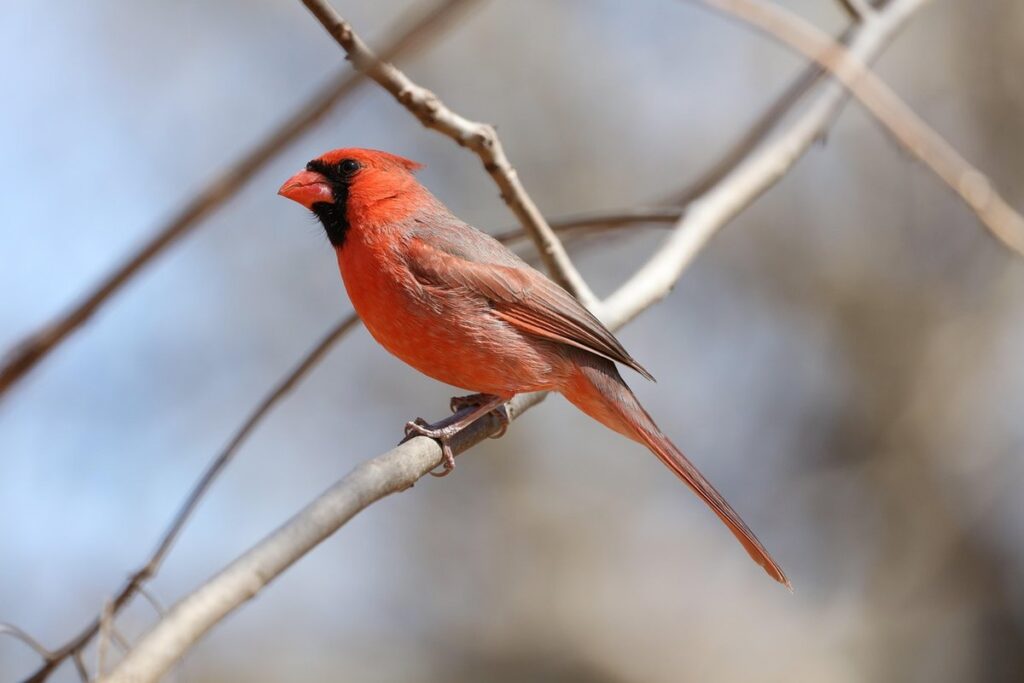
Creating Cardinal-Friendly Habitats
To create a welcoming space for these beautiful birds, let’s explore ways to design and maintain habitats that cater specifically to cardinals’ needs and preferences. This includes selecting plants, providing food sources, and structuring your yard’s layout.
Providing Food Sources for Cardinals
Cardinals are attracted to yards with diverse food sources, including seeds, fruits, and insects. These birds have a strong preference for sunflower seeds, safflower seeds, and Nyjer seeds, which can be offered at platform feeders or on the ground. Fresh fruits like oranges, berries, and cherries also entice cardinals, especially during the winter months when natural food sources are scarce.
To create a cardinal-friendly feeder system, consider the following tips: use tube feeders to keep larger birds away, place feeders near trees with dense foliage for added protection, and refill seed and fruit offerings regularly to avoid spoilage. Avoid using pesticides, as they can harm cardinals and other bird species. Instead, incorporate native plants that produce seeds and berries into your yard’s landscaping.
For a more varied offering, consider adding insect-friendly flowers like coneflowers or black-eyed Susans, which will attract insects like aphids, whiteflies, and caterpillars – a cardinal’s favorite snack.
Choosing Bird-Friendly Plants
When it comes to attracting cardinals to your yard, selecting the right plants is crucial. Cardinals are attracted to plants that offer berries, seeds, and nectar, so focus on incorporating trees, shrubs, and flowers that provide these resources.
Some of the top bird-friendly plants for attracting cardinals include:
* Eastern Red Cedar (Juniperus virginiana), which produces attractive cones that hold seeds
* American Beautyberry (Callicarpa americana), a shrub with vibrant purple berries that last well into winter
* Cardinal Flower (Lobelia cardinalis), with its bright red flowers and nectar-rich blooms
When selecting plants, consider the local climate and soil conditions to ensure they thrive in your yard. Plant a mix of early-blooming species like crocuses or winter aconite to attract cardinals during their winter migration. Later-blooming plants like coneflowers and black-eyed susans provide sustenance during spring and summer. By incorporating these bird-friendly plants into your landscape, you’ll create a welcoming environment for your feathered friends.
Water Features for Cardinals
When it comes to attracting cardinals to your yard, providing a water source is just as crucial as offering food and shelter. Cardinals need access to clean drinking water for survival, especially during hot summer months when water sources can become scarce.
Consider installing a birdbath or small pond specifically designed for birds. These water features should have fresh water circulating through them to prevent bacterial growth and algae buildup. Place the birdbath or pond in a quiet area where cardinals feel safe visiting without being disturbed by predators or other wildlife.
To make your water feature cardinal-friendly, ensure it’s at least 12-18 inches deep to allow the birds to easily access the water without fear of splashing. Install rocks, pebbles, or a shallow ramp for easier entry and exit from the bath. You can also add plants nearby that provide shade, such as tall grasses or shrubs with dense foliage.
By incorporating these design elements, you’ll create a safe and inviting spot for cardinals to visit regularly, increasing their chances of frequenting your yard.
Cardinal Attractants: Nectar Feeders and More
When it comes to attracting cardinals to your yard, providing them with their favorite food sources is key. From nectar feeders to suet cakes, we’ll explore the top attractants to get you started.
Attracting Cardinals with Nectar Feeders
Cardinals are drawn to sweet treats, making nectar feeders an excellent way to attract these beautiful birds to your yard. These feeders not only provide a source of energy but also serve as a visual treat, offering cardinals the opportunity to indulge in their favorite food.
When it comes to choosing the right nectar feeder for cardinals, consider those with small openings and deep wells. This design allows for easier access and prevents larger birds from dominating the feeder. For instance, feeders with built-in ant moats can help prevent these pesky insects from ruining the nectar. Look for feeders made of durable materials that can withstand various weather conditions.
Maintaining clean nectar feeders is crucial to attracting cardinals. Replace the nectar every 3-5 days or sooner if it becomes cloudy or moldy. Regularly cleaning the feeder with mild soap and water will also prevent bacterial growth. By following these simple tips, you’ll create a welcoming environment for cardinals to visit your yard, enjoy their favorite snack, and add vibrant colors to your landscape.
Using Birdhouses for Cardinals
If you’re serious about attracting cardinals to your yard, providing them with a safe and cozy place to nest is crucial. This is where birdhouses come into play. Cardinals are cavity-nesting birds, which means they need enclosed spaces with a small entrance hole to build their nests.
When it comes to placing birdhouses for cardinals, consider the following tips: position the house about 3-5 feet off the ground and facing east or southeast to provide warmth from the rising sun. Also, ensure the birdhouse is at least 10 inches deep to accommodate the cardinal’s nesting habits. It’s essential to place the birdhouse in a location with minimal predator activity, such as near a shrub or tree.
Some popular birdhouse designs for cardinals include those with a small entrance hole (about 2.5-3 inches) and a sloping roof to prevent water accumulation. Avoid using birdhouses with perches, as they can attract predators instead of attracting cardinals. Place the birdhouse in an area that’s partially shaded, especially during hot summer months.
Cardinal Behavior: Understanding Their Preferences
To attract cardinals to your yard, it’s essential to understand their preferences and behaviors, such as their love for specific plants and feeding habits. Let’s dive into what makes cardinals tick!
Morning Sunlight and Temperature Preferences
When it comes to creating a welcoming space for cardinals in your yard, it’s essential to consider their morning sunlight and temperature preferences. These birds are most active during the early hours of the day when the sun is shining brightly, but not directly overhead.
To accommodate this preference, try placing feeders or bird baths near an east- or west-facing window or wall. This will allow your cardinal friends to soak up the gentle morning light while staying out of direct sunlight’s harsh rays. Aim for a spot that receives moderate temperatures between 40°F and 80°F (4°C and 27°C), as this is within their comfortable range.
If you live in an area with extreme temperature fluctuations, consider providing shade or shelter for your cardinals to retreat to when the sun gets too intense. Planting native vegetation or trees can help create a shaded area, while also attracting other beneficial insects and wildlife.
Some plants that thrive in moderate temperatures and provide excellent shelter include shrubs like dogwood, hawthorn, and cedar. These not only offer protection from harsh weather but also produce berries that cardinals love to eat.
Cardinal Migration Patterns and Seasonal Changes
When planning to attract cardinals to your yard, it’s essential to understand their migration patterns and seasonal changes. By doing so, you can create a welcoming environment that meets their needs at different times of the year.
Cardinals are migratory birds, but they don’t travel as far as some other species. However, their movements do vary depending on food availability, weather conditions, and temperature. In general, cardinals migrate to warmer regions during the winter months, typically between October and April. During this time, they’re more likely to visit backyards with reliable food sources, such as bird feeders and suet cakes.
In the spring, cardinals return to their breeding grounds, usually in late March or early April. As they establish territories and start nesting, they require an abundance of insects, seeds, and fruits. To attract them during this time, consider planting native vegetation with berries, shrubs, and trees that provide shelter and food.
When planning your cardinal-friendly yard, be aware of the changing seasons and adjust your strategy accordingly. By providing a consistent supply of food and water, you can create a haven for these beautiful birds to visit throughout the year.
Tips for Attracting Cardinals During Different Seasons
Cardinals can be trickier to attract during certain times of the year, so let’s break down some seasonal tips to ensure you’re attracting these lovely birds all year round. From spring migrations to winter feeding habits, we’ve got you covered!
Spring: Planting and Providing Food Sources
As spring arrives, it’s time to create a welcoming environment for our beloved cardinals. During this season, birds are looking for fresh food and shelter to raise their young ones. To attract cardinals to your yard, focus on planting bird-friendly plants that provide berries, seeds, and nectar.
Some excellent options include shrubs like dogwood, hawthorn, and inkberry, which produce juicy berries that cardinals adore. You can also plant native wildflowers like coneflower, black-eyed Susan, and sunflower, which offer seeds and nectar-rich blooms. Consider adding a bird-friendly tree like the oak or pine to your landscape, as these provide shelter and food for cardinals.
In addition to planting, make sure to provide a reliable source of water and a few cardinal-friendly feeders filled with sunflower seeds, safflower seeds, and suet. Cardinals are particularly attracted to seed-based feeders that hang from trees or shrubs, allowing them to easily access the food without feeling threatened.
By incorporating these plants and feeding stations into your landscape, you’ll be creating a haven for cardinals in your yard, and they’re sure to visit often.
Summer: Keeping Feeders Clean and Maintaining Water Features
Summer is the perfect time to attract cardinals to your yard, as they are most active during this season. However, it’s essential to maintain clean feeders and water features to keep them coming back. Cardinals can spread diseases through contaminated food and water, so regular cleaning is crucial.
Make sure to clean your bird feeders at least once a week during the summer months. Remove any leftover seeds, debris, or moldy material from the feeder. Rinse it with soap and warm water, then let it air dry before refilling it with fresh seed. You can also soak the feeder in a solution of equal parts water and white vinegar for 10-15 minutes to kill any bacteria.
For water features, such as birdbaths or ponds, change the water completely every three to four days during summer. Add a few rocks or a birdbath stone to create shallow areas where cardinals can easily access the water without drowning. Keep an eye out for algae growth and scrub it off with a soft brush if necessary. By keeping your feeders clean and water features well-maintained, you’ll be creating a welcoming environment for cardinals to visit all summer long.
Common Mistakes to Avoid When Attracting Cardinals
When trying to attract cardinals, it’s easy to make mistakes that can scare them away or prevent them from visiting your yard. Pay attention to these common oversights to attract these beautiful birds successfully.
Planting Invasive Species
When it comes to attracting cardinals to your yard, it’s essential to consider the type of plants you’re using. While cardinal-friendly flowers like sunflowers and coneflowers are a great choice, some plants can actually harm the environment or scare these beautiful birds away.
Planting invasive species is a common mistake that can have severe consequences. These non-native plants can outcompete native vegetation, alter ecosystems, and even displace local wildlife. Some examples of invasive species include English ivy, Japanese knotweed, and buckthorn. Not only do they harm the environment, but they can also repel cardinals and other birds.
To avoid this mistake, choose non-invasive plants that are native to your region or have been bred specifically for their ornamental value. Instead of English ivy, consider planting native vines like Virginia creeper or clematis. Similarly, opt for native shrubs like dogwood or hawthorn instead of buckthorn.
When selecting plants, research their invasive potential and choose species that are well-suited to your local climate and soil conditions. By making informed choices about the plants in your yard, you can create a welcoming habitat for cardinals and other wildlife while also protecting the environment.
Not Providing Adequate Food or Water Sources
Providing adequate food and water sources is essential for attracting cardinals to your yard. Cardinals are seed-eating birds that require a consistent supply of seeds, nuts, and fruits to survive. When it comes to feeders, cardinal-friendly options like tube feeders or hopper feeders with small perches work best. Fill these feeders with high-quality black oil sunflower seeds, safflower seeds, or Nyjer seeds, which are all favorites among cardinals.
In addition to food sources, cardinals also need access to clean water for drinking and bathing. Install a shallow dish or birdbath with fresh water, changing it frequently to keep the area free of bacteria and algae growth. Cardinals prefer moving water, so consider adding a small fountain or mister to create a gentle flow.
By providing both food and water sources, you’ll be well on your way to attracting cardinals to your yard. Remember to place feeders and water features in quiet, shaded areas to reduce stress and make them feel more at ease.
Conclusion: Creating a Cardinal-Friendly Yard
Now that you’ve learned how to create a cardinal-friendly yard, it’s time to put these tips into action. Remember, attracting cardinals requires patience and persistence, but with the right approach, you can entice these beautiful birds to your outdoor space. Start by incorporating native plants and shrubs, such as coneflowers and cedar, which provide food and shelter for cardinals. Next, add a birdbath or shallow dish filled with fresh water, as cardinals need access to clean drinking water. Finally, consider adding a cardinal feeder, specifically designed to hold sunflower seeds, their favorite snack. By incorporating these elements into your yard, you’ll be well on your way to creating a haven for cardinals to thrive in. With time and practice, you’ll enjoy the beauty and song of these stunning birds right in your own backyard!
Frequently Asked Questions
Can I attract cardinals to my yard if it’s surrounded by dense trees or has a lot of shade?
Cardinals can thrive in yards with partial shade, but they often prefer areas with more sunlight. If you have a shaded yard, consider creating a clearing or thinning out some branches to allow for at least 4-6 hours of direct sunlight per day.
How long does it take to see cardinals visiting my yard regularly after implementing these tips?
The time frame for attracting cardinals can vary depending on several factors, such as the quality of your bird-friendly environment and local cardinal populations. It may take anywhere from a few weeks to several months to establish a regular presence of cardinals in your yard.
What’s the best type of water feature to install for cardinals, and how often should I change the water?
Cardinals prefer shallow water sources with fresh water and minimal movement. Consider installing a birdbath or a small pond with a pump that circulates the water to prevent stagnation. Change the water every 2-3 days, especially during hot summer months.
Can I use store-bought seed mixes specifically designed for cardinals, or should I offer individual seeds?
While store-bought seed mixes can be convenient, it’s best to offer individual seeds like sunflower seeds, safflower seeds, and Nyjer seeds. These seeds are more attractive to cardinals and allow you to control the quality of the food sources in your yard.
How often should I clean my feeders and birdbaths to prevent disease and attract cardinals?
Clean your feeders and birdbaths regularly, ideally every 1-2 weeks during peak cardinal season. Use mild soap and water, and scrub all surfaces thoroughly to prevent bacterial growth and keep your yard healthy for cardinals.