
Beekeeping is on the rise, but with so many species to identify, it can be overwhelming for beginners. In fact, did you know that there are over 20,000 known bee species worldwide? When trying to distinguish between them, physical characteristics like body shape and coloration become crucial. Advanced methods such as examining the shape of their eyes or antennae also come into play when making accurate identifications. However, without a solid foundation in bee identification basics, it’s difficult to support conservation efforts aimed at preserving these vital pollinators. By learning essential techniques for identifying bees, you’ll be able to accurately distinguish between different species and contribute meaningfully to ongoing research and conservation initiatives that rely on precise data collection.
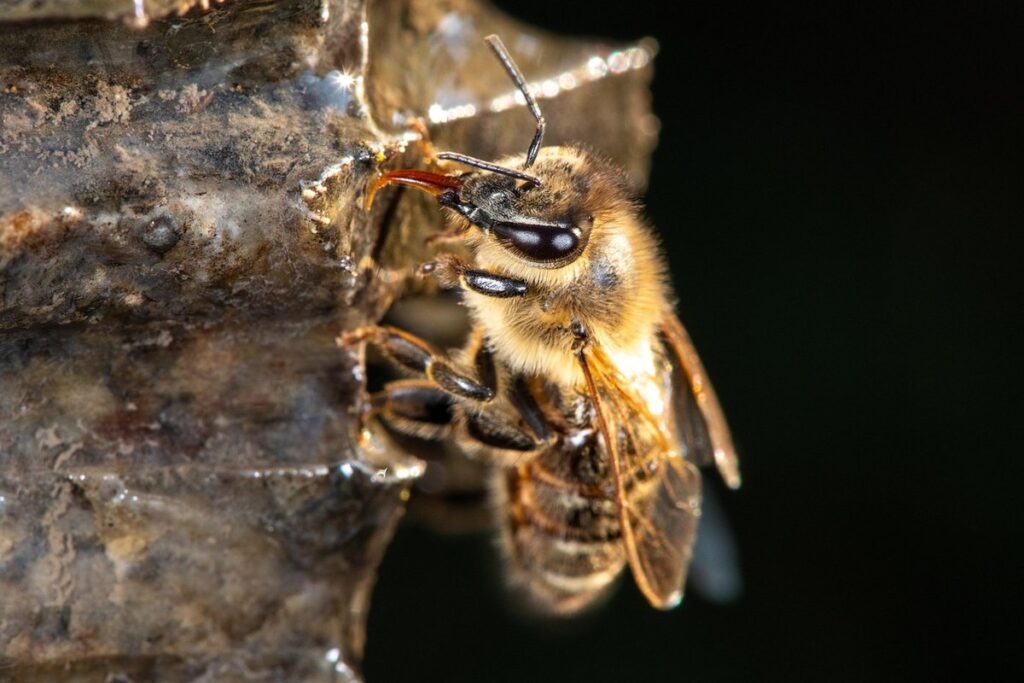
Understanding the Importance of Accurate Bee Identification
Accurate bee identification is crucial for effective pollinator conservation, and it all starts with understanding the unique characteristics that set different species apart. You’ll learn how to identify these distinct features in this section.
The Role of Correct ID in Pest Control and Conservation
Accurate bee identification is crucial for effective pest control and conservation efforts. In the context of pest control, misidentification can lead to unnecessary chemical treatments that harm beneficial pollinators like bees. This not only compromises ecosystem health but also undermines agricultural productivity. For instance, a common mistake involves confusing Asian giant hornets with European honey bees, which can result in the destruction of entire bee colonies.
Conservation efforts rely heavily on accurate identification as well. Bee species are often monitored and tracked for population trends, habitat health, and potential threats. Without precise identification, conservationists may misinterpret data or apply misguided strategies, ultimately harming the very pollinators they aim to protect. A notable example is the decline of bumblebee populations; accurate monitoring has revealed that specific species are more vulnerable than others.
To ensure effective pest control and conservation, beekeepers, farmers, and researchers must prioritize accurate identification. This involves not only recognizing physical characteristics but also understanding behavioral patterns and habitats. For instance, solitary bees often nest in soil or vegetation, whereas social bees like honeybees live in colonies with complex communication systems. By recognizing these differences, practitioners can develop targeted strategies that promote bee health and mitigate potential threats.
Common Challenges in Bee Identification
Identifying bees can be a challenging task due to their similar appearances and the lack of knowledge about their physical characteristics. One common difficulty is distinguishing between different species within the same family, such as honey bees (Apis mellifera) and bumblebees (Bombus spp.). These insects often share similar body shapes and colors, making it hard for beginners to identify them correctly.
Another challenge is the lack of distinctive features in certain bee species. For example, many solitary bees have smooth bodies with little to no hair, which makes it difficult to distinguish between them using visual identification alone. Moreover, some bees may appear identical during different stages of their life cycle, such as when they’re foraging or nesting.
To overcome these challenges, it’s essential to develop a thorough understanding of bee physical characteristics and learn how to observe them carefully in the field. This includes paying attention to details like body shape, color patterns, hair length, and scutellum size. Additionally, familiarizing oneself with common habitats and behaviors associated with different species can also aid in accurate identification.
Physical Characteristics for Identifying Bees
To accurately identify a bee, it’s essential to examine its physical characteristics, including its body shape, size, coloration, and other distinctive features. Let’s break down these identifying traits step by step.
Body Structure and Color Patterns
When examining a bee’s body structure and color patterns, you’ll notice distinct variations between species. The shape of the head, thorax, and abdomen can be telling. For instance, honey bees have a rounder, more compact body compared to bumblebees, which are typically larger and more elongated.
Color patterns also play a crucial role in identification. Some bees display bright yellow and black stripes, while others feature intricate designs or uniform colors. Take the metallic green of certain carpenter bee species, for example. This distinctive sheen helps set them apart from other wasp-like bees.
Notice the arrangement of hairs on the bee’s body as well. Some species have a prominent tuft of hairs on their thorax, while others lack this feature altogether. The scutellum, located at the base of the thorax, can also be an important identifier in some cases.
Different regions and climates are home to unique combinations of these physical features. Familiarizing yourself with regional bee populations will help you better recognize patterns and make more accurate identifications.
Hair and Scutellum: Key Identification Features
When examining a bee’s hair and scutellum, two key features emerge as crucial for identification. Hair length and texture can be telling indicators of a species’ origin and habits. For example, bees from the genus Andrena often possess long, coarse hairs on their bodies, which aid in collecting pollen from flowers. In contrast, bumblebees typically have shorter, smoother hair that helps them maneuver through dense vegetation.
The scutellum, a small plate-shaped structure at the base of the bee’s abdomen, also plays a significant role in identification. Its shape and size can vary greatly between species. Some bees, like those from the genus Colletes, have a large, rounded scutellum that’s often visible to the naked eye. Others, such as the honey bee, possess a smaller, more angular scutellum.
When examining these features, it’s essential to consider their context within the overall body structure and color patterns of the bee. By paying attention to these details, you can begin to differentiate between various species and develop your skills in bee identification. Be sure to observe multiple bees from different angles to get a comprehensive understanding of their hair and scutellum characteristics.
Bee Families: A Beginner’s Guide
Let’s start by exploring the fascinating world of bee families, where you’ll discover the main categories that will help you narrow down your identification search. From honey bees to carpenter bees and more, this is where it all begins.
Apidae (Honey Bees and Bumblebees)
The Apidae family encompasses two distinct groups of bees: honey bees and bumblebees. While they share some similarities, several key characteristics distinguish them from one another.
One notable difference lies in their body structure. Honey bees (Apis mellifera) have a more rounded abdomen compared to the slender, elongated abdomens found in bumblebees (Bombus spp.). Additionally, honey bees typically feature a smooth, hairless body, whereas bumblebees are often covered in dense, velvety fur.
Another distinguishing feature is their nesting habits. Honey bees live in highly social colonies with a single queen bee, whereas bumblebees are solitary creatures that do not reuse existing nests. Bumblebee colonies typically consist of one or more queens and several workers, which die after the winter.
To tell these bees apart, focus on observing the shape of their abdomen and the presence (or absence) of hair. Be sure to examine them in person rather than relying solely on photographs, as this will give you a better sense of their overall appearance and texture. This attention to detail is crucial when attempting to identify Apidae species accurately.
Andrenidae (Mining Bees) and Colletidae (Plasterer Bees)
Andrenidae (Mining Bees) and Colletidae (Plasterer Bees) are two distinct families of bees that can be identified by their unique characteristics. Mining bees, part of the Andrenidae family, are known for their metallic coloration, often with a bluish or greenish sheen. They typically have a hairy body and a narrow waist. These solitary bees are ground-nesting, using pre-existing holes or excavating their own tunnels in sandy or loamy soil.
Plasterer bees, belonging to the Colletidae family, are also solitary and can be recognized by their distinctive orange or yellow markings on the face and thorax. They often have a shiny, hairless body and a prominent scutellum. Like mining bees, plasterer bees nest in the ground, but they tend to prefer more exposed areas with loose soil or sand.
To distinguish between these two families, look for the following characteristics: Andrenidae bees tend to be smaller (around 5-10 mm) and have a more hairy body, while Colletidae bees are slightly larger (10-15 mm) and often lack hair. When observing these bees in the wild, note their nesting habits and any distinctive markings or color patterns on their bodies.
Advanced Identification Techniques
Now that you’ve mastered the basics, it’s time to take your bee identification skills to the next level with advanced techniques used by seasoned naturalists and experts. We’ll explore these methods in more detail.
Using Microscopy for Detailed Examination
Microscopy allows for a detailed examination of bees’ internal structures and tiny details, enhancing accurate identification. To employ microscopy effectively, you’ll need to prepare the bee specimen properly. This typically involves killing the bee quickly with ethyl acetate or another method, followed by pinning it on a cardboard triangle or in a display case.
A compound microscope is ideal for examining bees’ internal structures, such as their thorax and abdomen. A higher magnification power (usually 40x to 100x) will help you observe the tiny details within these areas. You can also use a camera attached to the microscope to capture high-resolution images of the specimen.
When using microscopy for bee identification, it’s essential to be aware of the bee’s body orientation on the slide or display case. This ensures that you’re examining the correct internal structures and features. Familiarize yourself with the common internal features found in different bee families, such as the presence or absence of a stinger or the shape of their reproductive organs.
By employing microscopy correctly, you can gather crucial information to aid in accurate identification. This technique is particularly useful when identifying bees that exhibit similar external characteristics but have distinct internal differences.
Behavioral Observations: Tracking Bee Behavior
Observing bee behavior is a valuable tool for identifying species. By tracking nesting habits and flight patterns, you can gain insights into a bee’s social structure, foraging habits, and territorial behavior. For example, some bees are solitary, meaning they nest alone and do not live in colonies like honey bees or bumblebees. Observing these individuals’ behavior can help you identify them as solitary species.
When tracking flight patterns, pay attention to the time of day and weather conditions that bees prefer for foraging. Some bees are diurnal, active during the day, while others are nocturnal, active at night. Note also how bees interact with each other when they encounter multiple individuals in a small area – do they engage in aggressive behavior or ignore one another? This information can be crucial in distinguishing between species.
Some key behaviors to observe include:
• Nesting habits: Where and how bees build their nests
• Flight patterns: Time of day, weather conditions, and speed
• Social structure: Do bees live alone or in colonies?
• Foraging habits: What plants do they visit, and when?
Commonly Confused Bees: A Look at Similar Species
When trying to identify a bee, it’s easy to get confused by similar species that share characteristics. Let’s take a closer look at some of these frequently mistaken bees.
The European Honey Bee vs. the Western Honey Bee
The European Honey Bee and the Western Honey Bee are two closely related species within the Apidae family. At first glance, they may appear identical, but closer inspection reveals distinct physical and behavioral characteristics. One of the key differences is their body shape: European Honey Bees have a slightly longer tongue, known as a proboscis, which allows them to gather nectar from deeper flowers. Western Honey Bees, on the other hand, have a shorter proboscis.
In terms of behavior, European Honey Bees are more aggressive when threatened and tend to form larger colonies with a single queen. Western Honey Bees are generally less aggressive and often live in smaller colonies with multiple queens. When it comes to nesting habits, European Honey Bees prefer to build their hives in cavities or tree trunks, while Western Honey Bees often nest in the ground.
To identify these species, look for the presence of a darker stripe on the forehead, which is more pronounced in European Honey Bees. Also, note the shape and size of the bee’s eyes: European Honey Bees have larger, rounder eyes than Western Honey Bees. With attention to these physical and behavioral differences, you can accurately identify these two closely related species in the field.
Bumblebees vs. Solitary Bees: Key Differences
When identifying bees, it’s essential to distinguish between bumblebees and solitary bees. Bumblebees are large, furry bees with a rounded abdomen and a distinctive white or yellow patch on their face. They typically range in size from 1.5 to 3.5 inches (3.8 to 8.9 cm) in length.
Solitary bees, on the other hand, are often smaller and more slender, ranging in size from 0.2 to 1 inch (0.5 to 2.5 cm). They have a smooth body and usually lack the distinctive facial markings found on bumblebees. Solitary bees also tend to be non-aggressive and will not defend their nests like bumblebees do.
When observing solitary bees, note that they often visit flowers alone, whereas bumblebees are typically seen in larger groups. Additionally, solitary bees tend to nest in the ground or in pre-existing cavities, such as hollow reeds or bamboo stalks, whereas bumblebees build their nests above ground.
To tell these bees apart, examine their size, body shape, and behavior. Look for the distinctive white or yellow facial markings on bumblebees, and note whether they are seen alone or in groups. If you observe a bee visiting flowers alone and nesting in the ground, it’s likely a solitary bee.
Tips for Effective Bee Identification in the Field
When observing bees in their natural habitat, it can be challenging to accurately identify them, especially if you’re new to bee identification. To overcome these challenges, we’ll share essential tips for effective bee identification in the field.
Essential Tools and Equipment
When conducting field observations for bee identification, having the right tools and equipment is crucial. Start with a good pair of binoculars to observe bees from a safe distance without disturbing them. A magnifying glass or hand lens can also be useful for getting a closer look at individual bees’ physical characteristics. However, it’s essential to use caution when handling these instruments, as you’ll want to maintain a comfortable and stable position while observing.
A bee net is another valuable tool for safely collecting and examining bees in the field. This allows you to hold the net over the bee without causing them undue stress or harm. A small notebook and pencil are also necessary for recording observations and noting key characteristics, such as body shape, color patterns, and any distinctive features like hair or scutellum.
Additionally, consider investing in a bee guide or field guide that provides detailed information on various species and their identifying features. This can be especially helpful when trying to distinguish between similar-looking bees.
Best Practices for Handling Bees in the Wild
When approaching a bee nest or colony in the wild, it’s essential to exercise caution and respect for the bees’ space. Avoid sudden movements or loud noises, which can provoke defensive behavior from the bees. Instead, move slowly and deliberately, allowing the bees to become aware of your presence without feeling threatened.
If you need to inspect a nest or collect a sample, consider using a pair of gloves to prevent stings. When handling nests, support them gently but firmly with one hand while carefully examining the contents with the other. Avoid touching or disturbing the comb, as this can cause the bees to become agitated and release pheromones that signal an alarm.
When relocating a nest during conservation efforts, it’s crucial to minimize disruption to the surrounding environment. Choose a new location with suitable vegetation and protection from harsh weather conditions. Before reassembling the nest, ensure the area is free of debris and predators.
Remember to prioritize bee safety when handling nests or colonies. If you’re unsure about how to proceed, consult local beekeeping experts or experienced researchers for guidance.
Frequently Asked Questions
How Do I Choose the Right Equipment for Bee Identification in the Field?
When selecting tools and equipment for bee identification, consider what you’ll be observing and where you’ll be doing it. A magnifying glass or binoculars are good starting points for observing physical characteristics from a safe distance. However, if you plan to examine bees up close, invest in a bee net or protective suit to minimize disruption and risk of stings.
Can I Use a Smartphone Camera to Help with Bee Identification?
Yes, smartphone cameras can be useful tools when identifying bees, especially when used in conjunction with field guides or online resources. However, keep in mind that camera resolution and lighting conditions can affect image quality. For more accurate identification, consider investing in a dedicated camera or using a microscope for detailed examination.
How Do I Know When to Use Advanced Identification Techniques Like Microscopy?
When working with unfamiliar bee species or trying to identify subtle physical characteristics, microscopy can be a valuable tool. However, it’s essential to develop your skills in observing and recording physical details before relying on advanced techniques. Start by practicing observation and noting key features, then consider investing in equipment for more detailed examination.
What If I’m Still Having Trouble Identifying a Bee Species After Using All the Techniques Mentioned?
If you’ve tried various identification methods and are still unsure about a species, don’t be afraid to consult with experts or join online bee-keeping communities. Sharing observations and experiences can often help clarify identification challenges. Additionally, consider consulting field guides that specialize in specific regions or habitats, as these may offer more detailed information on local bee populations.