
Are you eager to attract these charming birds into your garden? If so, understanding the blue tit’s nesting habits is crucial. Did you know that blue tits typically start building their nests in late winter or early spring, around February or March in the UK? This brief window of opportunity is perfect for gardeners who want to create a welcoming environment for these delightful creatures. In this article, we’ll delve into the fascinating world of blue tit nesting time, covering essential topics like identifying their nests and providing the right conditions for successful breeding. Whether you’re an experienced birder or just starting out, our comprehensive guide will equip you with expert advice on how to support your local blue tit population.
Understanding Blue Tit Behavior
To get a better understanding of blue tit behavior, it’s essential to recognize their social nature and observe how they interact with each other during nesting season. This is where their fascinating habits come into play.
Lifespan and Breeding Habits
In the wild, the average lifespan of blue tits is around 2-3 years, although some individuals have been known to live up to 5-6 years. However, mortality rates are high, especially during their first year due to predation, harsh weather conditions, and disease.
When it comes to breeding habits, blue tits typically form long-term monogamous relationships that can last for several years. The courtship period begins in late winter or early spring, usually around January or February, when the birds engage in a series of displays and songs to strengthen their bond.
The timing of nest building is crucial, as blue tits typically lay 12-14 eggs between April and May, with the female incubating them for about two weeks. Both parents take turns feeding the chicks, which leave the nest after around 18-20 days. By understanding these breeding habits, you can better appreciate the challenges faced by blue tits during their nesting season and plan your gardening efforts accordingly to support these delightful birds.
Importance of Early Spring for Nesting
For blue tit pairs, the arrival of early spring is a crucial period that sets them on track for a successful breeding season. As soon as temperatures rise and days lengthen, blue tits begin preparing their nests for a second brood. This is essential because it allows them to take advantage of the brief window of favorable weather conditions before winter sets in.
During this time, they will often reuse or repair existing nests, rather than building new ones from scratch. This not only saves energy but also reduces the risk of predators discovering their nesting site. Blue tits typically nest between March and July, with the peak breeding season usually occurring in May and June. The second brood is particularly important as it enables blue tit parents to produce a new generation before the winter’s harsh conditions make food scarce.
By commencing their breeding cycle early, blue tits are able to raise two broods in one year, increasing their chances of survival and reproductive success.
Identifying Blue Tit Nests
As you venture into the garden, keep a keen eye out for the intricate nests of these tiny birds, often tucked away in tree nooks and leafy crannies. Here’s how to spot them.
Signs of Blue Tit Activity
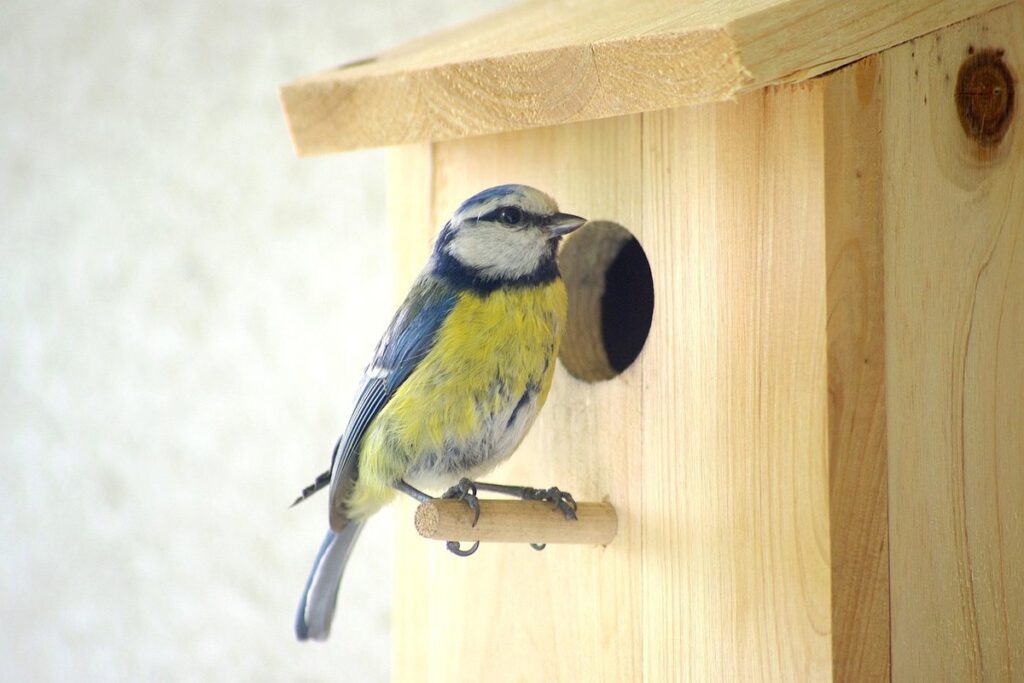
If you suspect that blue tits are nesting in your garden, there are several signs to look out for. One of the most obvious indicators is when a nest box becomes occupied. Check the entrance hole for signs of wear and tear on the surrounding wood or debris around the entrance. You may also notice a slight bulge at the entrance as the bird’s body fills the cavity.
Bird droppings are another telltale sign of blue tit activity. Look out for white or pale-greenish droppings on branches, walls, or other surfaces near potential nesting sites. These droppings can be quite distinctive and may contain small twigs or seeds, giving away their origin. Be sure to check areas around eaves, garden furniture, and nearby vegetation.
If you’re still unsure, pay attention to increased bird activity in your area. Blue tits are social birds and often work together to build nests, so observe flocks of these birds flitting between potential nesting sites. Keep an eye out for territorial behavior, where blue tits may aggressively defend their territory from other birds.
Characteristics of Blue Tit Nests
When it comes to identifying blue tit nests, knowing their characteristics is crucial. One of the most distinctive features of a blue tit nest is its cup-shaped structure. The birds typically build these cups using twigs and plant material, which are carefully arranged to create a sturdy yet cozy home.
Inside the nest, you’ll often find a lining made from moss and plant down. This soft material provides insulation and comfort for the nesting birds, keeping them warm during cold winter nights. It’s not uncommon to see blue tits adding fresh bedding to their nests as they continue to use them throughout the breeding season.
Blue tit nests are usually situated in tree cavities or holes, often 2-3 meters off the ground. You might spot a nest in a deciduous tree like oak or beech, but coniferous trees like pine and spruce can also be nesting sites. Keep an eye out for nests in branches with a forked or Y-shaped structure – these provide the perfect support for the birds’ cupped nests.
Choosing the Right Nesting Site for Blue Tits
When it comes to raising a successful brood, blue tits rely on an ideal nesting site that provides protection and accessibility. In this crucial decision, even small details can make all the difference for your birds.
Factors Influencing Choice
When it comes to choosing the right nesting site for blue tits, several factors come into play. Proximity to food sources is a crucial consideration, as blue tits need a constant supply of insects and seeds to feed their young. Look for trees or shrubs with an abundance of caterpillars, aphids, and other invertebrates that will sustain your tit family throughout the breeding season.
Shelter from harsh weather is also essential, particularly during severe storms or periods of extreme cold. Blue tits tend to favor nesting sites that provide protection from wind, rain, and snow. This might be a hollow tree with a dense canopy or a shrub with thorny branches that deter predators.
Potential predators are another key factor in blue tit nesting site choice. Avoid areas with high levels of nest predation, such as near cat colonies or areas with frequent fox activity. Instead, opt for sites with natural barriers like fences, walls, or thick vegetation that can provide a safe haven for your blue tits to raise their young.
Remember, the best nesting sites often offer a balance between food availability, shelter, and predator protection. By considering these factors, you’ll be well on your way to creating an ideal environment for your blue tit visitors.
Types of Trees Attractive to Blue Tits
When it comes to attracting blue tits for nesting, choosing the right tree species is crucial. Deciduous trees with forked branches are particularly attractive to these birds. Oak (Quercus robur and Quercus petraea) and beech (Fagus sylvatica) trees fit this description perfectly. The dense foliage and sturdy branches of these trees provide an ideal nesting site for blue tits.
On the other hand, coniferous trees like pine (Pinus sylvestris), spruce (Picea abies), and fir (Abies alba) also offer suitable nesting sites. These trees tend to have a more open canopy, allowing sunlight to penetrate and warm up the branches. Look for trees with a mix of horizontal and vertical branches, as this provides an ideal platform for blue tits to build their nests.
When selecting a tree for blue tit nesting, remember that a forked branch is essential for the birds to construct their cup-shaped nest. Ensure the tree has sufficient space between branches to accommodate the nest without it being exposed to harsh weather conditions or predators.
Blue Tit Nesting Boxes: Design, Placement, and Maintenance
When it comes to creating a welcoming home for blue tits, designing and installing nesting boxes is crucial for their success. We’ll walk you through the design, placement, and maintenance tips for these vital structures.
Optimal Design Features
When designing a blue tit nesting box, it’s essential to incorporate optimal features that cater to the needs of these vibrant birds. The entrance hole size is crucial, and ideally, it should be around 25-30mm in diameter. This allows blue tits to comfortably enter and exit while excluding larger species like sparrows and starlings.
The box depth also plays a significant role, with a recommended depth of around 150-200mm. This provides sufficient space for the birds to nest and breed without feeling cramped. Additionally, consider using a sturdy material like wood, which can withstand various weather conditions. Avoid using plastic or metal, as they can get too hot in direct sunlight.
When it comes to box design, incorporate features that promote easy cleaning and maintenance. A sloping roof and a removable floor will make upkeep much simpler. Consider adding ventilation holes to ensure proper airflow within the box. These thoughtful design elements will not only enhance the overall functionality of the nesting box but also contribute to the well-being of your blue tit residents.
Ideal Placement Locations
When it comes to placing blue tit nesting boxes in your garden, the location is crucial for attracting these beautiful birds and ensuring their safety. Consider placing the box in an area that receives partial sunlight to full sun, as blue tits prefer warmth but can also tolerate some shade.
Avoid areas with strong winds or exposure to harsh weather conditions, as this can make it difficult for the birds to access the nest. Also, position the nesting box near a water source, such as a birdbath or a small pond, as blue tits need a reliable source of water for drinking and bathing.
A good rule of thumb is to place the nesting box between 1-2 meters off the ground, ideally on a wall or fence post, to protect it from predators like cats, rats, and squirrels. You can also consider placing multiple boxes in different locations throughout your garden to cater to the needs of solitary females.
When selecting a location, take note of any existing trees or shrubs nearby that may provide shelter or support for the nesting box. By choosing the right spot, you’ll increase the chances of attracting blue tits and other bird species to your garden.
Challenges and Threats to Blue Tit Nesting Success
Despite their remarkable adaptability, blue tit nests can face various challenges that impact successful breeding. Let’s explore some of the threats they encounter during this critical period.
Predation Risks
When it comes to blue tit nesting success, predation risks are a significant concern. Unfortunately, these tiny birds have many predators lurking around their gardens and habitats. Cats, with their excellent stalking skills, are one of the primary threats. They often lie in wait near bird feeders or nesting sites, making them a stealthy menace. Birds of prey like sparrowhawks, owls, and kestrels also pose a risk, swooping down on unsuspecting blue tits.
Squirrels, although they might seem harmless, can be aggressive towards birds and their nests. Foxes, weasels, and stoats are other predators that blue tits need to contend with. To minimize these risks in your garden or area, consider providing alternative nesting sites for blue tits, such as nest boxes specifically designed for them. Keep your garden cat-free or take measures to keep cats indoors during the breeding season. Trim back branches of shrubs and trees to reduce hiding spots for predators.
Disease and Parasites
Disease and parasites pose a significant threat to blue tit populations, affecting their chances of successful nesting. Ectoparasites like fleas and ticks are particularly problematic, feeding on the birds’ blood and weakening their immune systems. These external parasites can lead to anemia, stress, and even death if left unchecked.
Internal parasites such as mites, lice, and nematodes also prey on blue tits, causing malnutrition, weight loss, and reduced fertility. Fungal diseases like Trichosporon beigelii can infect the birds’ skin, while bacterial infections like Mycoplasma gallisepticum target their respiratory systems.
To mitigate these risks, ensure your blue tit nesting box has proper ventilation to reduce humidity, making it harder for ectoparasites to thrive. Regularly inspect and clean the nesting box, removing any dead or infected individuals. Consider using insecticidal soap or diatomaceous earth to control parasite populations. By taking proactive measures, you can help create a healthier environment for your blue tit friends.
Supporting Blue Tit Nesting Time: Tips for Gardeners
As a gardener, you want to do your part to support blue tit nesting time – here’s where you can make a real difference by creating a welcoming habitat. Let’s look at some valuable tips for gardeners to consider.
Providing Suitable Food Sources
When blue tits are nesting, they require high-energy food sources to sustain themselves and their young. As a gardener, you can play a crucial role in supporting their success by providing the right types of food. Suet cakes are an excellent choice as they offer a concentrated source of energy. Look for cakes made from animal fat that contain seeds or nuts, which will provide added protein.
Sunflower seeds are another vital component of blue tit diets during nesting season. These seeds are rich in oil and calories, making them an ideal food source to support the birds’ high energy needs. You can offer sunflower seeds on a dedicated feeding tray or mix them with other foods in a suet log.
In addition to these high-energy foods, blue tits also appreciate fruits like berries, cherries, and blackcurrants. These fruits provide essential vitamins and minerals that help maintain the birds’ overall health during nesting time. To make the most of your food offerings, consider setting up multiple feeding stations around your garden, each with a different type of food to cater to the blue tits’ varied tastes.
Creating a Blue Tit-Friendly Environment
To create a blue tit-friendly environment in your garden, it’s essential to consider their specific needs and preferences. Start by selecting plants that provide a mix of berries, seeds, and insects, such as holly, ivy, and shrubs like pyracantha or cotoneaster. These plants will not only offer food but also shelter from harsh weather conditions.
In terms of habitat diversity, incorporate native trees and shrubs with dense foliage to provide a safe haven for blue tits to nest and raise their young. Consider adding a log pile or brush heap in a corner of your garden, as this will attract insects and other small invertebrates that blue tits rely on for food.
Managing water features is also crucial during blue tit nesting time. Install a shallow dish or birdbath with fresh water, changing it frequently to prevent mosquito breeding. A dripping tap or hose can be even more attractive to blue tits than a traditional birdbath, as the running water provides a constant supply of drinking and bathing opportunities.
By implementing these simple steps, you’ll create an inviting environment for blue tits to thrive during their nesting period.
Frequently Asked Questions
What’s the best way to create a blue tit-friendly environment in my garden?
Start by providing suitable food sources, such as nuts, seeds, and fruits, that blue tits prefer during breeding season. Also, consider creating a sheltered spot with dense vegetation for them to nest and raise their young.
Can I use any type of nesting box or do I need a specific design?
When choosing a nesting box for blue tits, look for one specifically designed for this species. Opt for a rectangular box with a small entrance hole (around 25-30mm) and a depth of about 20-25cm. Also, ensure it’s placed at least 2 meters above ground level to protect against predators.
How do I know if blue tits are actively using my nesting box?
Check the nesting box regularly during breeding season for signs of activity, such as twigs, moss, and feathers accumulating outside the entrance hole. You may also hear gentle chirping or observe adult birds entering or exiting the box.
What’s the ideal location for a blue tit nesting box in relation to other trees and features?
Position the nesting box near a mature tree (at least 5-7 meters high) with dense foliage, but not directly under it. Also, avoid placing the box near potential predators’ habitats, such as cats or birds of prey nests. Consider an east- or north-facing spot to minimize exposure to harsh weather conditions.
Can I expect multiple blue tit pairs to use the same nesting box?
Blue tits are generally monogamous and tend to form long-term pair bonds. However, it’s not uncommon for them to reuse or even re-pair with each other in subsequent breeding seasons. But be aware that introducing too many nesting boxes can lead to competition among pairs.