
Are you looking to add a touch of elegance and sophistication to your home decor while also showcasing your valuable possessions? An antique display cabinet is an excellent choice, not only for its aesthetic appeal but also for its ability to preserve and protect your treasured items. With a rich history dating back centuries, antique cabinets have been prized by collectors and homeowners alike for their unique character and timeless beauty.
In this article, we’ll explore the world of antique display cabinets, from understanding their historical significance to learning how to style them in harmony with your existing decor. We’ll also cover the benefits of owning an antique cabinet, including its ability to appreciate in value over time. Plus, get expert tips on how to properly care for and maintain your valuable piece to ensure it remains a stunning focal point in your home for years to come.
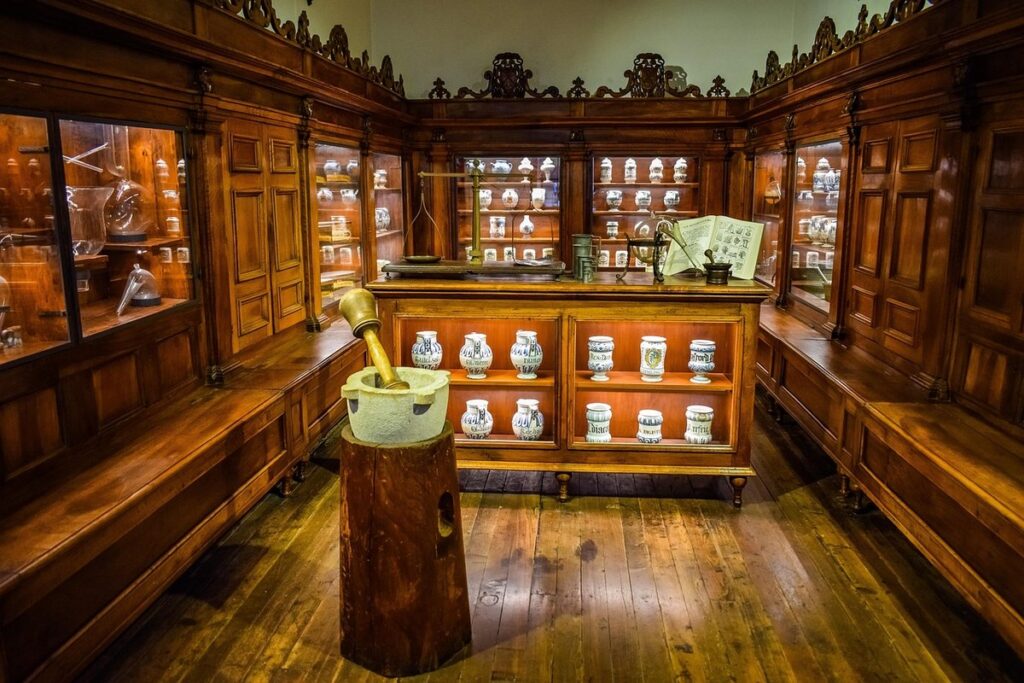
Understanding the Importance of Antique Display Cabinets
When it comes to antique display cabinets, understanding their significance is essential for both collectors and interior designers. This section will explore why these pieces are so crucial in preserving and showcasing our treasured antiques.
What is an Antique Display Cabinet?
An antique display cabinet is a beautifully crafted piece of furniture designed to showcase valuable and delicate items such as fine china, glassware, artwork, and collectibles. These cabinets have been a staple in homes for centuries, not only providing storage but also adding an air of sophistication and elegance to any room.
The history of antique display cabinets dates back to the 18th century when wealthy households commissioned skilled craftsmen to create intricately designed cabinets to showcase their prized possessions. Each cabinet was a masterpiece, with delicate carvings, gilded details, and ornate hardware that reflected the owner’s status and refinement.
Today, antique display cabinets are highly sought after by collectors and homeowners who appreciate their beauty, craftsmanship, and historical significance. When choosing an antique display cabinet, consider its condition, size, material, and style to ensure it complements your existing decor. With proper care and maintenance, these cabinets can continue to showcase your treasured items for generations to come.
Benefits of Using an Antique Display Cabinet
When you use an antique display cabinet to showcase your treasured possessions, it serves multiple purposes beyond mere aesthetics. Firstly, these cabinets offer excellent preservation qualities that help safeguard the condition and longevity of your antiques. By protecting them from dust, moisture, and extreme temperatures, you can prevent damage and degradation over time.
In addition to preserving the physical integrity of your antiques, an antique display cabinet also provides protection against theft and tampering. Secured cabinets with locking mechanisms ensure that your valuable items remain safe from unauthorized access or mishandling.
From a design perspective, an antique display cabinet adds immense aesthetic appeal to any room it’s placed in. It not only serves as a stunning piece of furniture but also becomes a conversation starter due to its unique craftsmanship and historical significance. When choosing the right cabinet for your needs, consider factors such as the size, material, and style that complements your space and antiques.
Types of Antique Display Cabinets
When it comes to choosing the perfect antique display cabinet, understanding the various types available can help you select a piece that suits your style and decor. Let’s explore some popular options together!
Period-Specific Designs
When it comes to antique display cabinets, choosing one that complements your room’s style is crucial. One way to achieve this is by selecting a piece with period-specific designs. For instance, if you’re going for a traditional look, consider a Victorian-style cabinet with intricate carvings and ornate details. These classic designs often feature rich woods like oak or walnut and are adorned with carved moldings.
If your taste leans more towards opulence, an Edwardian-style cabinet might be the perfect fit. Characterized by clean lines, minimal ornamentation, and often, a mix of materials like wood and metal, these cabinets exude elegance and sophistication. For a more modern twist, Art Deco-inspired cabinets are a great choice. Featuring geometric patterns, metallic accents, and bold colors, they add a touch of glamour to any room.
Ultimately, the key is to select a cabinet that harmonizes with your space’s architectural style and aesthetic. This will not only create a visually cohesive look but also pay homage to the piece’s rich history.
Size and Material Options
When it comes to selecting an antique display cabinet, one of the most critical considerations is its size and material. You’ll want to choose a piece that not only complements the space where it will be placed but also suits your personal style and collection.
Antique display cabinets come in various sizes, from compact wall-mounted models perfect for small entryways or hallways, to floor-standing behemoths designed for grand estates or showrooms. Consider the dimensions of the room, as well as any architectural features like archways or columns that may impact placement. If you have a large space, don’t be afraid to choose an oversized cabinet – just ensure it doesn’t overwhelm the area.
In terms of materials, antique display cabinets can be crafted from wood, glass, metal, or even a combination of these. Wooden cabinets offer a classic, timeless look and are often more affordable than their glass counterparts. Glass cabinets provide a sleek, modern aesthetic while also allowing for maximum visibility of your antiques. Metal cabinets, on the other hand, add an industrial touch and can be used to create striking contrasts with ornate or delicate pieces.
Selecting the Right Antique Display Cabinet for Your Needs
When it comes to selecting an antique display cabinet, consider your available space and the type of items you plan to showcase, as these factors will greatly impact your decision. Think about the style and period of your antiques too.
Assessing Space and Purpose
Before you start browsing for antique display cabinets, take some time to assess your space and purpose. This will help you determine what features are essential for your specific needs. Let’s start with the available space: how large is the room or area where the cabinet will be placed? Consider not only the physical dimensions but also any architectural details that might impact placement.
Next, think about the purpose of the display cabinet. Will it showcase art, collectibles, or other treasures? Do you need to accommodate specific items, such as vases, figurines, or books? Are there any particular themes or styles you want to emphasize? For example, if you’re showcasing family heirlooms, a cabinet with glass doors might be the best choice. If you’re displaying artwork, consider a cabinet with LED lighting.
Consider any restrictions or requirements you may have, such as electrical outlets or specific materials used in construction. Think about how the cabinet will fit into your existing décor and what style it should complement. By asking yourself these questions, you’ll get a clear idea of what to look for when selecting an antique display cabinet that meets your needs.
Evaluating Condition and Authenticity
When evaluating the condition of an antique display cabinet, it’s essential to consider factors like damage, restoration, and authenticity. Start by examining the overall structure and joints for signs of wear, cracks, or looseness. Check if the cabinet has been repaired or restored, as this can affect its value and durability.
Look for original hardware, such as knobs and hinges, which can indicate the cabinet’s age and authenticity. Check the finish and patina – a well-aged patina can be a sign of quality craftsmanship, but also consider if it may have been artificially created.
To verify the cabinet’s authenticity, research its maker or period using resources like online archives, books, or consulting with an expert. Consider factors like materials used, construction techniques, and any signatures or markings that could indicate the cabinet’s origin. Be wary of over-restored or fake pieces – they can be tempting but often lack character and value in the long run.
Take your time when inspecting the cabinet, as small details can make a big difference in its overall condition and authenticity.
Styling Your Antique Display Cabinet for Maximum Impact
Now that you’ve chosen your perfect antique display cabinet, it’s time to style it to perfection and make it a focal point in any room. This section will walk you through expert styling tips to maximize its impact.
Curating a Collection
When curating a collection for your antique display cabinet, it’s essential to strike a balance between showcasing your treasures and creating visual harmony. Start by considering the overall aesthetic you want to achieve: is it elegant and refined, or eclectic and playful? This will help guide your selection of items.
Begin with a few statement pieces – perhaps an heirloom vase, a vintage oil painting, or a rare antique figurine – and then fill in with complementary items that share similar styles or periods. For instance, if you have a beautiful 19th-century French clock, pair it with other ornate pieces from the same era to create a cohesive look.
Remember, less is often more when it comes to displaying valuable items. Resist the temptation to overcrowd your cabinet and leave some space between each piece for visual breathing room. This will make each item stand out and create a sense of balance in the overall display. Consider grouping similar items together – such as antique vases or collectible figurines – to create a visually appealing vignette that draws the eye.
Lighting and Display Techniques
When it comes to showcasing the treasures inside your antique display cabinet, lighting and display techniques play a crucial role. To maximize visual appeal, consider using a combination of overhead lighting, task lighting, and accent lighting to highlight specific pieces.
Overhead lighting can be achieved with table lamps or floor lamps placed nearby, while task lighting involves placing smaller lights, such as LED strips or puck lights, directly on the cabinet’s shelves or near specific items. Accent lighting, like spotlights or picture lights, draws attention to key pieces, creating a sense of drama and visual interest.
In terms of display techniques, rotational displays can add depth and variety to your arrangement. For example, place a collection of vases or decorative objects in a rotating carousel or turntable, allowing them to be easily viewed from all sides. Tiered arrangements, where items are displayed on multiple levels, can also create visual interest. Consider using risers, shelves, or display stands to create a layered look that draws the eye upwards and around the cabinet’s interior.
Maintenance and Care of Your Antique Display Cabinet
To keep your antique display cabinet looking its best, it’s essential to establish a regular maintenance routine that includes cleaning, dusting, and occasional polishing. Regular care will ensure your cabinet remains in excellent condition for years to come.
Cleaning and Preservation Tips
Cleaning and preserving your antique display cabinet is crucial to maintain its beauty and longevity. Start by dusting the cabinet regularly with a soft, dry cloth to prevent damage from harsh chemicals or abrasive materials. For more thorough cleaning, mix a solution of mild soap and warm water, but avoid getting any liquids into the intricately carved details or inlays.
For delicate materials like glass or porcelain, use a gentle glass cleaner and apply it to a microfiber cloth for effective dusting without scratching. To prevent tarnish on metal components, polish them with a soft cloth and a small amount of lemon oil or silicone-based lubricant. Regularly inspect the cabinet’s joints and hinges to ensure they remain secure and well-oiled.
To preserve the cabinet’s finish, avoid placing it near direct sunlight or heat sources, as this can cause fading, warping, or cracking. Consider positioning your display cabinet away from windows or using UV-filtering window treatments if this isn’t feasible. Regularly check the cabinet for pests like silverfish, carpet beetles, or dust mites that may damage your antique pieces or eat through materials like wood or fabric.
When displaying antiques, it’s essential to ensure they are not too close together or touching each other, as this can cause scratches or damage during handling. Use acid-free tissue paper or wrapping materials for storage and display to prevent damage from acidic substances.
Avoiding Damage and Loss
When it comes to maintaining your antique display cabinet, prevention is key to avoiding damage and loss. One of the most significant hazards is dust accumulation, which can lead to a buildup of dust and dirt that can be difficult to clean. To mitigate this risk, consider placing your cabinet in a spot with good air circulation or using an air purifier nearby.
Insects like silverfish, carpet beetles, and powderpost beetles can also cause significant damage to antique wood. Regularly inspect your cabinet for signs of infestation, such as tiny holes or powdery residue on the surface. Store your display items in sealed containers or drawers to prevent them from coming into contact with potential pests.
Finally, accidental breakage is always a risk when handling fragile antiques. To minimize this risk, handle each item carefully and consider using felt pads or anti-tip brackets to secure heavier pieces. Always clean and dry your cabinet regularly, and avoid displaying items that are too heavy for the shelves.
Conclusion: Enjoying Your Antique Display Cabinet for Generations to Come
Now that you’ve chosen and styled your antique display cabinet, it’s time to think about how to make it a family heirloom that will be enjoyed for generations to come. This final section shares expert tips on long-term preservation and care.
Final Thoughts on Long-Term Care
As you’ve now read through this comprehensive guide on choosing and styling an antique display cabinet, it’s time to reflect on the importance of preserving your beautiful investment for generations to come. Proper care and regular maintenance are key to ensuring the long-term condition and lifespan of your cabinet.
To start with, remember that dust accumulation can be a significant issue in antique display cabinets. Regularly wipe down the shelves, drawers, and any intricate carvings with a soft cloth and gentle cleaning products specifically designed for antiques. This simple task will prevent damage from abrasive dust particles and maintain the cabinet’s original finish.
In addition to regular cleaning, consider displaying your most sensitive or fragile items in protective cases or enclosures within the cabinet. This will safeguard against accidental breakage or damage caused by opening drawers too frequently. Some examples of delicate pieces that may benefit from this extra protection include fine glassware, intricate clockwork mechanisms, or particularly valuable ceramics.
By following these care tips and incorporating regular maintenance into your routine, you’ll be well on your way to extending the life of your antique display cabinet. Moreover, this attention will also help maintain the integrity and beauty of the items displayed within it.
Frequently Asked Questions
Can I use an antique display cabinet for modern or contemporary decor?
Yes, you can definitely style an antique display cabinet to fit with your modern or contemporary home decor. With the right accessories and arrangement, these pieces can seamlessly blend into a sleek and modern space while still showcasing their unique character.
How do I determine if an antique display cabinet is genuine or reproduction?
When evaluating an antique display cabinet’s authenticity, consider factors such as age, craftsmanship, materials used, and documentation provided by the seller. Research the piece thoroughly to ensure it aligns with known designs from the period. A reputable dealer can also provide guidance on verifying a cabinet’s legitimacy.
What kind of lighting is best for displaying delicate or sensitive items in an antique display cabinet?
To effectively showcase delicate items, use soft, diffused light sources such as LED lights or museum-grade glass shelves with built-in lighting. This will minimize glare and prevent damage to the items displayed within.
Can I mix and match different types of antiques or collectibles in one cabinet?
While it’s tempting to display a variety of treasures together, it’s generally more effective to curate each piece separately according to its specific needs, such as climate control requirements. Grouping related items can create a harmonious visual effect, but remember to prioritize preservation and protection.
How often should I clean and maintain my antique display cabinet?
Regular cleaning and maintenance are essential for preserving your valuable piece. Dust the exterior and interior with a soft cloth at least once a month, and perform deeper cleanings (such as polishing or revarnishing) every 1-3 years, depending on usage and environmental conditions.