
Vinyl records are a music lover’s treasure. The warm sound, the tactile experience of holding a physical album – there’s just something special about collecting and listening to your favorite tunes on vinyl. But with great pleasure comes great responsibility: keeping those records in pristine condition is crucial for maintaining their quality and longevity. Dirt, dust, and stubborn grime can compromise the sound and even damage the record over time. In this article, we’ll explore the best methods for cleaning your vinyl records like a pro – from gentle hand washing techniques to powerful ultrasonic cleaners. Whether you’re a seasoned collector or just starting out, our expert guide will walk you through everything you need to know about removing dirt and grime, so you can enjoy your favorite albums in perfect sound and condition.
Understanding the Importance of Clean Vinyl Records
Cleaning your vinyl records is more than just a matter of aesthetics – it’s crucial for maintaining sound quality and preserving the music itself over time. Let’s dive into why a clean record is essential.
Why Cleanliness Matters
When you think about it, vinyl records are essentially delicate pieces of art that require care and attention to preserve their quality. One of the most critical aspects of record maintenance is cleanliness. Dirt, dust, and other contaminants can easily damage a record’s surface, compromising sound quality and potentially shortening its lifespan.
For instance, if you don’t clean your records regularly, dirt particles can scratch or scuff the vinyl, creating pops, crackles, and static noise when played back. Over time, this buildup of debris can also cause warping or bending, making it even more challenging to play the record. In fact, studies have shown that a single speck of dust can cause a significant drop in sound quality.
To put it simply, cleaning your vinyl records is essential for maintaining their sonic integrity and aesthetic appeal. By regularly wiping down your records with a soft cloth and gentle cleaning solution, you’ll be able to enjoy the full range of sound and appreciate the beautiful artwork on each album cover. With regular cleaning, you can extend the life of your record collection and ensure that every play is a joyous experience.
Common Problems Caused by Dirty Vinyl Records
Dirty vinyl records can wreak havoc on your listening experience and even damage your player. Skipping, crackling, and warping are common problems caused by grimy records. When a record is not properly cleaned, dust and debris can accumulate between the grooves, causing the needle to skip tracks or play back with a harsh, crackling sound. This not only affects the sound quality but also puts unnecessary stress on your turntable’s motor.
Warped records are another issue that arises from neglecting cleanliness. Warping occurs when the record is exposed to extreme temperatures or humidity changes, causing it to bow out of shape. If left unattended, warped records can crack, chip, or even shatter. Regular cleaning and proper storage can help prevent warping by maintaining a consistent environment for your records.
To avoid these issues, make sure to clean your vinyl records regularly with a soft-bristled brush and a mild detergent solution. Dry the record thoroughly before placing it in its sleeve to prevent water spots from forming. By taking simple precautions like these, you can enjoy crisp, clear sound and extend the life of your cherished vinyl collection.
Choosing the Right Cleaning Tools and Materials
When it comes to cleaning your vinyl records, having the right tools and materials is crucial for effective and safe removal of dirt and debris. We’ll walk you through what you need to get started.
Essential Cleaning Equipment
When it comes to cleaning your vinyl records, having the right equipment is essential for effective and safe cleaning. A good record brush is a must-have tool for gently removing dust and debris from the surface of your records. Look for a brush with soft, flexible bristles that won’t scratch or damage your records.
In addition to a record brush, you’ll also need a high-quality cleaning solution specifically designed for vinyl records. Avoid using household cleaners or chemicals, as they can leave residues on the record that can affect sound quality and even damage the surface. Instead, opt for a gentle, pH-neutral cleaner that won’t harm your records.
Microfiber cloths are also essential for drying and polishing your cleaned records. These cloths are designed to pick up dust and dirt without leaving behind any fibers or residue. Always use clean, dry microfiber cloths to wipe down your records after cleaning, and avoid using paper towels or other materials that can scratch the surface.
When selecting equipment, it’s also worth considering a record cleaning solution with a built-in scrubber or a separate scrubbing brush for tackling tougher debris. This will ensure that you’re able to remove any stubborn dirt or dust without scratching your records.
DIY vs. Commercial Cleaning Products
When it comes to cleaning your vinyl records, you’re likely wondering whether to reach for commercial cleaning products or whip up your own DIY solution. Both options have their pros and cons, which we’ll delve into below.
Commercial cleaning products are convenient and widely available. They often come in pre-measured bottles, making it easy to follow the instructions and achieve a clean record. However, these products can be pricey, and some may contain harsh chemicals that could potentially damage your records or other equipment. For example, some commercial cleaners contain solvents like acetone or ethanol, which can dissolve the vinyl’s plastic coating.
On the other hand, making your own cleaning solution at home allows you to control the ingredients and avoid any potential harm to your records. A simple homemade solution of equal parts water and white vinegar is a great place to start. This gentle cleaner is effective at removing dirt and grime without leaving any residue behind. Another benefit of DIY cleaning solutions is that they’re often much cheaper than commercial products.
The Best Methods for Cleaning Vinyl Records
When it comes to cleaning your vinyl records, having a solid method is crucial. Here are the best techniques and tools you can use to get your collection sounding its absolute best.
Hand Washing with a Mild Detergent
When it comes to hand washing vinyl records with a mild detergent and warm water, it’s essential to take your time and be gentle. Begin by filling a sink or a large bowl with lukewarm water – not hot, not cold, but just right. Next, add a small amount of mild detergent specifically designed for cleaning delicate surfaces. Avoid using harsh chemicals or abrasive cleaners that can damage the vinyl.
Now, gently submerge your record in the soapy solution and let it soak for about 10-15 minutes. This will help loosen any stubborn dirt and grime. Use a soft-bristled brush to gently scrub away any remaining debris, working from the outer edge towards the center of the record. Rinse your record thoroughly with clean water to remove all soap residue.
For best results, use distilled or deionized water to prevent mineral deposits that can harm your vinyl. And remember, always dry your record with a soft cloth after cleaning – never leave it to air dry. With these simple steps and gentle care, you’ll be able to enjoy your vinyl collection in pristine condition.
Using Ultrasonic Cleaners
Using ultrasonic cleaners is an effective method for deep cleaning vinyl records. These devices use high-frequency sound waves to create a cleaning solution that can penetrate even the toughest grime and debris. This makes them particularly useful for tackling stubborn dirt, dust, or old wax buildup on record surfaces.
Ultrasonic cleaners are available in various sizes, from small desktop units to larger commercial models. For home users, a compact ultrasonic cleaner is usually sufficient. These devices typically come with a water tank, cleaning solution, and a basket to hold the records during cleaning.
When using an ultrasonic cleaner, it’s essential to follow the manufacturer’s instructions for the recommended cleaning solution concentration and cleaning time. A good starting point is to soak the record in distilled water for 10-15 minutes before running the cleaning cycle. This helps loosen any stubborn dirt, making it easier for the ultrasonic waves to dislodge it.
Advanced Techniques for Deep Cleaning Vinyl Records
For those who want to take their record cleaning game to the next level, advanced techniques include specialized brushes and solutions that really dig deep into grooves. These tools can be a total game-changer for your vinyl collection.
Removing Stubborn Grime and Stickers
Removing stuck-on labels and stickers from vinyl records can be a daunting task, but with the right techniques and materials, it’s definitely doable. First, assess the type of adhesive used on the label or sticker. If it’s a water-based adhesive, you may be able to use a gentle soap solution to loosen it. However, if the adhesive is oil-based, you’ll need a more aggressive cleaning agent.
For particularly stubborn stickers, try using a cotton swab dipped in acetone or nail polish remover. Gently rub the sticker, working from the outside inwards. Be cautious not to scratch the record surface. For labels with intricate designs or patterns, use a soft-bristled brush to gently scrub away at the adhesive.
Another trick is to use a hair dryer to heat up the adhesive, making it easier to remove. Hold the dryer about 6 inches away from the sticker and apply gentle heat for about 10 seconds. This can help loosen the bond between the label and the record surface. Remember to work slowly and carefully, as excessive heat or scrubbing can damage your records.
How to Clean Warped or Bent Vinyl Records
Cleaning warped or bent vinyl records requires some extra care and attention. These types of damage can be frustrating, especially if you’re trying to preserve a rare or valuable album. However, there are methods for repairing minor damage and techniques for cleaning warped records.
To start, examine the record closely and determine the extent of the warping. If it’s only slightly bent, you may be able to flatten it using a combination of heat and pressure. Place the record between two clean towels or cloths, then weigh it down with a stack of heavy books. Allow the record to sit for several hours or overnight.
If the damage is more severe, consider investing in a vinyl record flattening tool. These specialized tools use gentle pressure to coax the record back into shape without causing further damage. Be cautious not to apply too much pressure, which can create scratches or other imperfections.
When cleaning warped records, it’s essential to avoid using harsh chemicals or excessive water. Instead, opt for a gentle cleaning solution and a soft-bristled brush to gently sweep away dirt and debris.
Maintaining Your Vinyl Record Collection
To keep your records sounding their best, regular maintenance is key. We’ll walk you through the essential steps to maintain and care for your precious vinyl collection.
Tips for Preventing Dust and Dirt Accumulation
When it comes to maintaining a vinyl record collection, prevention is indeed better than cure. By taking a few simple steps, you can significantly reduce the likelihood of dust and dirt accumulating on your records in the first place.
Firstly, consider storing your vinyl records in a cool, dry place away from direct sunlight. Dust mites and mold thrive in humid environments, so keeping your storage area climate-controlled will help prevent these unwanted critters from causing damage to your records. Additionally, store your records vertically rather than horizontally to minimize the surface area exposed to dust.
Regularly cleaning your record collection is essential, but it’s equally important to maintain a clean environment around your records. Use an anti-static spray or cloth to dust surfaces and furniture in your listening space regularly. You can also place felt pads on the legs of your turntable to prevent scratching and dirt accumulation. By implementing these simple preventive measures, you’ll be able to enjoy your vinyl collection for years to come without worrying about costly cleaning bills or record damage.
Storage Solutions for Clean Vinyl Records
Proper storage is just as crucial as cleaning when it comes to maintaining your vinyl record collection. Once you’ve cleaned and dried your records, it’s essential to store them in a way that protects them from dust, moisture, and other environmental factors.
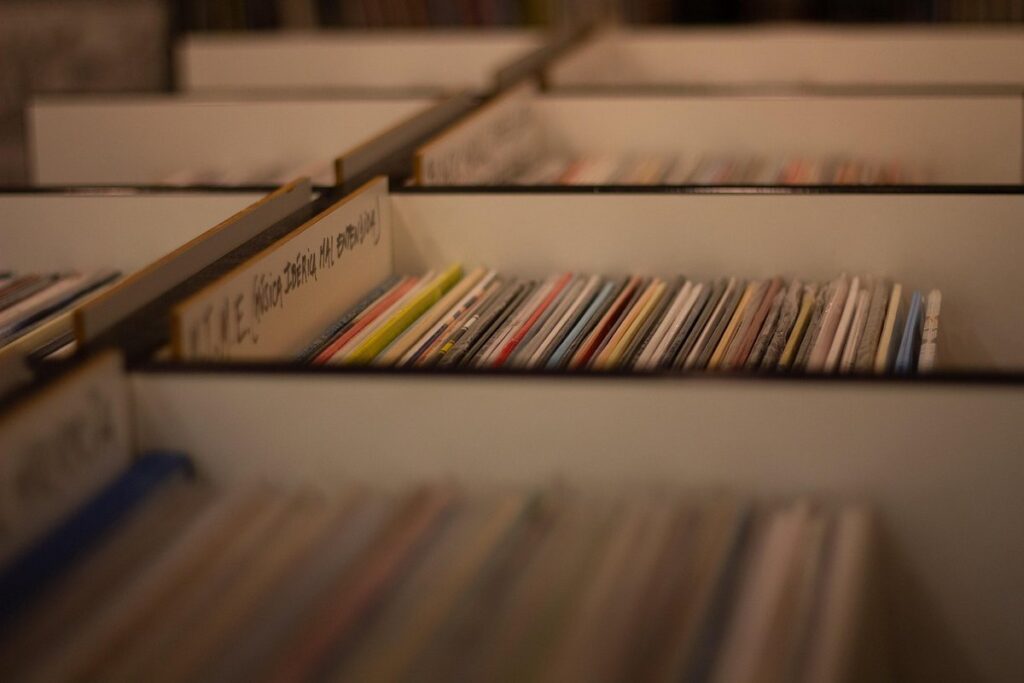
Start by investing in a sturdy record crate or cabinet specifically designed for storing vinyl records. These crates typically have individual compartments or dividers that keep each record separate and prevent scratching. You can also use acid-free paper or cardboard inserts to add an extra layer of protection between the records.
Another crucial aspect is organization. Use labels or stickers to identify your records by genre, artist, or album title. This not only makes it easier to find specific records but also helps maintain a sense of order and structure within your collection. Consider using stackable crates or shelves to maximize storage space while keeping your records accessible.
Keep in mind that storing your records upright is crucial to prevent warping or damage from moisture accumulation. If you’re short on space, consider investing in album covers with sleeves that can help protect each record individually. By following these simple tips, you’ll be able to enjoy your clean and well-protected vinyl records for years to come.
Troubleshooting Common Cleaning Issues
We’ve all been there: a stubborn scratch, a mysterious stain, or a dirty record that just won’t clean. Let’s troubleshoot these common cleaning issues together.
Dealing with Stubborn Stains or Marks
If you’ve taken good care of your vinyl records, but still encounter stubborn stains or marks, don’t worry – they can be removed with some patience and the right techniques. Common culprits behind these blemishes are food spills, drink drips, or even sticky labels.
To remove stubborn stains, try applying a few drops of a gentle cleaning solution like isopropyl alcohol to the affected area using a soft cloth. Gently rub in circular motions until the stain starts to lift. If this doesn’t work, you can also try using a specialized vinyl record cleaning solution, following the manufacturer’s instructions.
For tougher marks, such as labels or stickers that have left residue behind, gently scrape off the excess with a clean credit card or similar tool. Avoid using force or scrubbing too hard, which could scratch the surface of your records. To prevent this, always test a small area first to ensure the cleaning solution won’t damage the vinyl.
For particularly persistent marks, some enthusiasts swear by using a mixture of equal parts water and white vinegar applied with a soft cloth. This can help break down the stubborn stain without damaging the record. Be patient, as this may require repeated applications before the mark is fully removed.
Common Mistakes to Avoid When Cleaning Vinyl Records
When it comes to cleaning your vinyl records, there are several common mistakes that can damage your collection and compromise sound quality. One of the most critical errors is using the wrong cleaning solutions. Avoid using household cleaners, as they can leave residues or even dissolve the record’s surface.
Instead, opt for a specialized vinyl record cleaner specifically designed for this purpose. These products are pH-balanced to avoid damaging the record’s material. Some popular options include Record Rescue and Disc Doctor.
Another common mistake is applying too much pressure during cleaning, which can scratch or warp your records. Use a soft-bristled brush to gently sweep away dirt and debris, focusing on one area at a time. Avoid using circular motions, as they can put excessive pressure on the record’s surface.
Remember, it’s better to clean your records slowly and carefully than to risk damaging them with aggressive cleaning methods or harsh chemicals.
Frequently Asked Questions
Can I use any cleaning solution on my vinyl records, or are there specific ones recommended?
Yes, it’s essential to use a record-specific cleaning solution that won’t damage the vinyl or harm your ears. Look for products that are specifically designed for cleaning vinyl records and follow the manufacturer’s instructions.
How often should I clean my vinyl records, especially if they’re not being played frequently?
Regularly dusting your records with a soft brush can help maintain their cleanliness between deep cleans. Clean your vinyl records every 2-3 months or after each play session to prevent dirt and grime buildup.
What’s the difference between ultrasonic cleaners and DIY cleaning methods, and which is more effective?
Both ultrasonic cleaners and DIY methods have their own benefits and drawbacks. Ultrasonic cleaners are generally more efficient at removing stubborn grime but require a larger investment. DIY methods like hand washing can be cost-effective but may not achieve the same level of cleanliness.
Can I use a regular vacuum cleaner to clean my vinyl records, or is there a special tool recommended?
Avoid using regular vacuum cleaners as they can scratch your records with their suction power. Instead, opt for a specialized record cleaning brush or a soft-bristled brush specifically designed for vinyl records.
How do I prevent dust and dirt from accumulating on my records in the first place, especially if I live in a dusty environment?
Using a record storage sleeve or protective cover can help shield your records from dust. Regularly cleaning your listening space and using a dehumidifier to maintain a stable humidity level can also reduce dust accumulation.
Can I use a mixture of water and baking soda to clean my vinyl records, as some online tutorials suggest?
No, it’s not recommended to mix water with baking soda or any other household chemicals for cleaning vinyl records. This can damage the record surface and potentially harm your ears. Stick to specialized cleaning solutions and equipment specifically designed for cleaning vinyl records.