
Are you fascinated by the world of crystals but unsure about how to identify them? You’re not alone! Crystals can be mesmerizing, but their unique properties and characteristics can make them tricky to tell apart. Whether you’re a seasoned crystal enthusiast or just starting out on your journey, having a solid understanding of crystal basics is essential for unlocking their full potential.
In this comprehensive guide, we’ll take you through the fundamentals of crystal identification, from their physical properties to more advanced techniques that will help you become a confident crystal expert. We’ll cover everything from how to spot a crystal’s unique color and shape to more subtle characteristics like its energy signature. By the end of this article, you’ll have the knowledge and skills to accurately identify crystals and tap into their healing powers.
Understanding Crystal Basics
Let’s dive into the fundamentals of crystals, starting with the basics: crystal structure and formation. This sets the foundation for identifying and understanding different types of crystals.
What are Crystals?
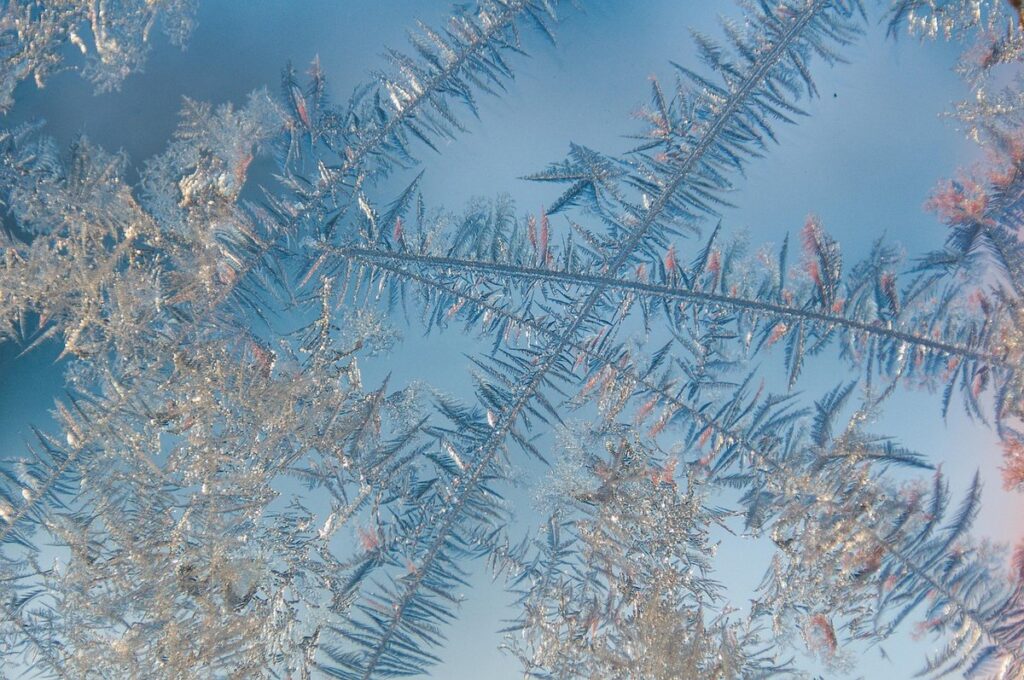
Crystals have been a part of human fascination for centuries, and understanding their basics is essential to identify them accurately. At its core, a crystal is a solid object whose atoms, molecules, or ions are arranged in a repeating pattern, called a crystal lattice. This structure is what gives crystals their unique properties, such as transparency, color, and hardness.
Crystals can be composed of various elements, including metals, minerals, and even organic materials like sugar or salt. For example, quartz crystals are made up of silicon and oxygen atoms, while amethysts are a type of quartz crystal with iron impurities that give them their distinctive purple color.
To approach crystal identification, it’s essential to understand the composition and properties of different types of crystals. Look for characteristics such as crystal shape, size, color, clarity, and luster. Note any inclusions or imperfections, which can provide valuable clues about a crystal’s origin and type. By familiarizing yourself with these fundamental concepts, you’ll be better equipped to identify crystals accurately and make informed decisions when working with them.
Types of Crystals
Crystals come in various forms, and understanding their types is essential for accurate identification. Mineral crystals are naturally occurring, formed through geological processes such as cooling and solidification of magma or water. These can be found in the earth’s crust and often have a specific chemical composition.
Organic crystals, on the other hand, are derived from living organisms like plants, animals, or fungi. Examples include amber, which is fossilized tree resin, and some types of agate that contain plant material. Identifying organic crystals requires knowledge of their unique formation processes and characteristics.
Synthetic crystals are created in laboratories through human intervention. They have the same chemical composition as natural mineral crystals but differ in terms of their crystal structure and growth conditions. Synthetic quartz, for instance, is often used in electronics due to its superior properties compared to naturally occurring quartz.
When identifying a crystal, knowing whether it’s mineral, organic, or synthetic is crucial. This information can be determined by analyzing the crystal’s appearance, hardness, streak test results, and other physical characteristics.
Crystal Properties for Identification
To identify a crystal accurately, it’s essential to understand its physical and optical properties. Let’s dive into the characteristics you need to know.
Hardness and Density
When examining crystals, it’s essential to consider their hardness and density as key characteristics that can aid in identification. The Mohs hardness scale is a widely used tool for determining the scratch resistance of minerals. This scale ranks minerals from 1 (softest) to 10 (hardest), with talc being the softest and diamond being the hardest.
To use the Mohs hardness scale, gently scratch the crystal against other known minerals on the scale. If it scratches another mineral, note its relative position on the scale. For instance, if your crystal scratches calcite but is scratched by quartz, it’s likely a harder substance than calcite (3) but softer than quartz (7).
Density is also an essential characteristic to consider when identifying crystals. By weighing and measuring a crystal, you can calculate its density using the formula: density = mass / volume. Knowing the density of a mineral can help narrow down its identification. For example, pyrite has a high density due to its iron content, making it heavier than other minerals with similar sizes.
When combining hardness and density with other characteristics like crystal form, cleavage, and luster, you’ll have a more comprehensive understanding of your crystal’s identity.
Luster, Streak, and Cleavage
When examining a crystal for identification, three crucial properties come into play: luster, streak, and cleavage. These characteristics can be game-changers in narrowing down the possibilities of what you’re holding.
Luster refers to the way light reflects off a crystal’s surface. It can range from dull or waxy to glassy or metallic. Some crystals exhibit an earthy, rough texture, while others have a smooth, vitreous appearance. For example, quartz often has a glassy luster, whereas halite (rock salt) tends to be more earthy. When examining the crystal’s surface, try to determine if it has a uniform or varied luster.
The streak test is another valuable identifier. This involves rubbing a small amount of the crystal on an unglazed porcelain plate or ceramic tile. The resulting color will give you clues about its composition. For instance, if your crystal leaves a white streak, it’s likely to be halite; greenish-yellow streaks often indicate chromium or iron presence.
Cleavage is a critical property in crystal identification. It describes how easily a crystal breaks or splits along flat planes. Some crystals have perfect cleavage, meaning they shatter neatly into smooth surfaces, while others may exhibit irregular fractures. The way a crystal breaks can be a telltale sign of its internal structure and composition.
When analyzing cleavage patterns, consider the number of distinct faces created by the break. A single, flat face often indicates perfect cleavage, whereas multiple, jagged edges suggest imperfect or conchoidal cleavage.
Crystal Shape and Formations
Let’s dive into the fascinating world of crystal shapes and formations, where unique structures can hold the key to unlocking a crystal’s identity and energies. You’ll learn how to identify distinct patterns and arrangements that set each crystal apart.
Morphology
When examining crystals, their morphology is just as vital to identification as their composition. The unique shapes and formations of crystals are influenced by the way they grow within a matrix. Understanding these characteristics can greatly aid in determining a crystal’s identity.
To begin with, let’s look at the faces and edges of crystals. These features are determined by the arrangement of atoms on the surface of the crystal. The number, size, and shape of faces and edges provide clues about the crystal’s internal structure. For instance, quartz crystals often have six-sided prisms with six-sided pyramids at each end, while amethyst has a more rounded, egg-like appearance.
In addition to these general characteristics, morphology can also reveal information about a crystal’s growth conditions. Crystals that grow in an environment with limited space will often develop unique shapes, such as the needle-like formations of tourmaline crystals. By studying these features, you can gain valuable insights into a crystal’s origin and history.
When examining a crystal’s morphology, it’s essential to pay attention to even the smallest details, as they can hold significant meaning in identification. For example, the presence or absence of certain crystal faces may indicate whether a crystal is formed from a particular mineral or geological process.
Habit and Aggregation
When examining crystals, it’s essential to consider their habit and aggregation. Habit refers to the overall shape of the crystal, such as tabular (flat), prismatic (elongated), or needle-like. For example, quartz often forms in a prismatic habit, while calcite typically exhibits a scalenohedral habit.
Aggregation, on the other hand, refers to how crystals grow together in clusters or formations. This can include growth patterns such as branching, striations, or zoning. Aggregations can greatly impact a crystal’s overall appearance and can be used to identify specific types of crystals. For instance, amethyst often aggregates in a “hopper” formation, characterized by a cluster of small, rounded crystals.
When identifying a crystal based on habit and aggregation, pay attention to the following:
* The shape and size of individual crystals within an aggregate
* The orientation of crystals relative to each other
* Any visible growth patterns or striations
* The overall texture and feel of the crystal
By considering both the habit and aggregation of a crystal, you can gain valuable insights into its structure and composition.
Crystal Color, Inclusions, and Optical Properties
When it comes to crystal identification, understanding the intricacies of color, inclusions, and optical properties is crucial for accurate classification. Let’s break down these key characteristics together!
Color Variations
When examining crystals for identification purposes, it’s essential to understand that color variations can provide valuable clues about their origin and composition. Crystals may exhibit different colors due to the presence of impurities, defects, or exposure to radiation. For instance, quartz crystals often display a range of colors, from clear to pink, yellow, or purple, depending on the amount of iron or titanium present.
The presence of inclusions can also significantly impact crystal color. These inclusions may be caused by gas bubbles, mineral fragments, or other substances that have become trapped within the crystal structure during formation. In some cases, these inclusions can create a beautiful pattern or even change the overall hue of the crystal.
Radiation exposure can also lead to color variations in crystals. For example, topaz crystals exposed to high levels of radiation may develop a distinctive blue color due to the displacement of aluminum ions. By considering these factors and taking note of any color variations, you can gain a deeper understanding of your crystal’s history and composition, ultimately enhancing its identification process.
When examining crystals, pay attention to how colors change when viewed under different lighting conditions or with magnification. This can help reveal subtle variations that may indicate the presence of impurities or defects. By considering these factors and combining them with other identification techniques, you’ll become a more skilled crystal identifier in no time.
Inclusions and Blemishes
When examining a crystal’s appearance, it’s essential to consider both its inclusions and blemishes. Inclusions are internal features that can affect a crystal’s clarity and transparency. These can be cavities, liquid-filled or solid inclusions, such as gas bubbles, water droplets, or even other minerals. For example, some quartz crystals may contain small, needle-like rutile inclusions that give them a beautiful “star” effect.
Blemishes, on the other hand, are external imperfections that can impact a crystal’s appearance and value. These can include scratches, chips, cracks, or discolorations caused by various factors like handling, mining conditions, or exposure to chemicals. A skilled crystal collector can use these imperfections to identify a crystal’s origin, age, or even its historical significance.
When evaluating inclusions and blemishes, look for patterns or characteristics that are specific to certain crystals or regions. For instance, some quartz crystals from Brazil are known for their large, white liquid-filled inclusions, while others from Arkansas may exhibit small, needle-like rutile inclusions. By considering these unique features, you can gain a better understanding of your crystal’s identity and history.
When purchasing a crystal, it’s crucial to inspect it carefully for both inclusions and blemishes. A clear understanding of what you’re buying will help you make informed decisions about its value and potential uses.
Optical Properties
When examining a crystal’s optical properties, you’re looking for characteristics that can help you identify its type. Fluorescence is one such property where the crystal emits light when exposed to ultraviolet (UV) radiation. Some crystals exhibit fluorescence immediately under UV light, while others may require longer exposure times.
Phosphorescence, on the other hand, occurs when a crystal absorbs energy and releases it slowly over time. This can result in a glowing effect that persists even after removal from the UV source. For example, Calcite often exhibits phosphorescence under certain lighting conditions.
Pleochroism refers to the property where a crystal displays different colors depending on its orientation relative to the light source. For instance, Tourmaline often exhibits pleochroism, appearing red when viewed from one angle and blue from another.
When evaluating these optical properties, it’s essential to note that some crystals may exhibit multiple characteristics. This can make identification more challenging but also provide valuable clues for accurate identification. To get the most out of this knowledge, practice examining different crystals under various lighting conditions to develop your skills in recognizing unique combinations of optical properties.
Advanced Identification Techniques
As you progress in your crystal identification journey, advanced techniques will help refine your skills and build confidence when identifying complex formations. This section will delve into these specialized methods.
Microscopic Examination
When it comes to crystal identification, microscopic examination can be a powerful tool for gaining a deeper understanding of their internal structure and composition. This technique allows you to examine crystals at an incredibly small scale, revealing features that may not be visible to the naked eye.
To conduct a microscopic examination, you’ll need access to a microscope with high magnification capabilities – ideally, one with a resolution of 1000x or higher. You can use either a compound light microscope (CLM) or a scanning electron microscope (SEM), depending on your specific needs and resources. For crystals, CLMs are often sufficient for initial observations.
When examining crystals under the microscope, look for features such as inclusions, fractures, growth patterns, and internal crystal structures. These characteristics can help you identify the mineral composition and potentially even the crystal’s origin. To enhance visibility, use a polarizing filter or other specialized lighting techniques to reduce glare and improve contrast.
Chemical Tests
When working with crystals, it’s not uncommon to come across specimens that exhibit unusual characteristics or behaviors. In these situations, chemical tests can be invaluable tools for identifying the crystal in question. One of the most common chemical tests used in mineralogy is the acid test.
To perform an acid test, you’ll need a few drops of hydrochloric acid (HCl) and a small crystal sample. Apply a few drops of the acid to the surface of the crystal using a dropper or pipette. Observe the reaction carefully – some crystals will react with the acid by fizzing, bubbling, or changing color.
Acid tests can help identify certain minerals such as calcite (which reacts strongly with HCl) and dolomite (which is less reactive). However, not all crystals react to acid, so it’s essential to be aware of the limitations of this test. Base tests are also used in crystal identification, typically involving sodium hydroxide (NaOH).
When using chemical tests, remember that they should complement your observation of physical characteristics and other identification techniques, rather than relying solely on them. By combining multiple methods, you can narrow down the possibilities and arrive at a more accurate identification.
Final Tips for Accurate Identification
As you’ve made it through our comprehensive guide, here are some last-minute tips to ensure your crystal identification skills are spot on. Review these final guidelines carefully.
Combining Properties and Characteristics
When it comes to accurately identifying crystals, relying on a single property or characteristic can be misleading. Crystals often exhibit multiple properties that can be contradictory, making it essential to consider a holistic approach. This means combining several factors to reach an accurate identification.
For instance, take the crystal quartz. It can appear in various forms and colors, each with distinct properties. A clear quartz might display a 6-sided pyramid (hexagonal) termination, while an amethyst is simply a color variety of quartz. Considering both its external appearance and internal structure will ensure you accurately identify it as quartz.
Another crucial aspect to consider when combining properties is its chemical composition. The crystal’s hardness, density, and specific gravity can also provide valuable clues about its identity. Take the example of lapis lazuli vs. blue calcite. Both exhibit a similar deep blue color, but they differ significantly in their chemical makeup and hardness.
To ensure accurate identification, always examine multiple properties simultaneously. Observe the crystal’s appearance under various lighting conditions and consider its physical characteristics, such as cleavage patterns or density. By taking a comprehensive approach, you’ll increase your chances of making a confident identification.
Common Misidentifications and Pitfalls
As you delve deeper into crystal identification, it’s essential to be aware of common misidentifications and pitfalls that can lead to inaccurate results. One of the most critical factors is proper documentation and record-keeping. Failing to document your findings, observations, and methods can make it challenging to revisit and re-evaluate your conclusions.
For instance, if you identify a crystal as a specific type based on its color and inclusions, but neglect to note the lighting conditions under which you observed it, your identification may be compromised. Similarly, not keeping track of your sampling methods, such as the location and depth at which the crystal was collected, can lead to inconsistencies and errors.
To avoid these pitfalls, make sure to keep a detailed record of your observations, including notes on the crystal’s appearance, any relevant measurements, and the conditions under which you observed it. Regularly reviewing and updating your records will help you identify areas for improvement and refine your identification skills over time. By doing so, you’ll be better equipped to distinguish between similar crystals and arrive at accurate conclusions.
Frequently Asked Questions
How can I apply my newfound knowledge of crystal basics to real-world identification?
Now that you understand the fundamentals, practice is key! Start by examining crystals you have on hand or visit a local metaphysical store to see various types up close. Take note of their physical properties and compare them to your notes from this guide. The more you practice, the more confident you’ll become in identifying different crystals.
What are some common mistakes beginners make when trying to identify crystals?
Newbies often get caught up in focusing on just one or two characteristics, like color or shape. However, accurately identifying a crystal requires considering multiple properties and how they interact with each other. Don’t be afraid to take your time and weigh all the evidence before making an identification.
How can I tell if a crystal is genuine or treated?
Check for any signs of artificial enhancements, such as unusual patterns or colors that seem too uniform. Also, look for inconsistencies in the crystal’s properties, like an overly hard or soft texture. Genuine crystals often have unique natural features and imperfections that make them more valuable.
What role does intuition play in crystal identification?
Your intuition can be a powerful tool when identifying crystals! Trust your instincts and consider how you feel around each crystal. Do certain energies resonate with you? Intuition is not just about sensing energies but also about trusting your inner wisdom to guide you through the process.
Can I use this guide as a starting point for creating my own crystal collection?
This comprehensive guide provides a solid foundation, but don’t stop there! As you continue on your crystal journey, remember that each new find is an opportunity to learn and grow. Keep track of your discoveries, research their properties, and consider how they can be used in various healing practices or rituals.
How often should I re-examine my crystals to ensure accurate identification?
As your collection grows, so does the importance of regular maintenance! Set aside time each month to revisit your crystals, paying close attention to any changes in their appearance, energy signature, or overall properties. This will help you refine your identification skills and deepen your understanding of each crystal’s unique characteristics.