
Are you ready to take your binoculars out for a spin? Washington D.C. is a haven for bird enthusiasts, with over 400 species documented in the area. From the National Mall’s tranquil landscapes to the tidal wetlands of the Potomac River, our nation’s capital offers an incredible array of habitats for birds to thrive. As a birder, you’re likely eager to spot herons, warblers, and other seasonal visitors that call D.C. home. But where do you start? In this comprehensive guide, we’ll share insider tips on the best birding spots, the species to look out for, and expert advice on how to make the most of your DC bird watching adventure. Whether you’re a seasoned pro or just starting out, get ready to expand your feathered friends list with our essential guide to birding in Washington D.C.!
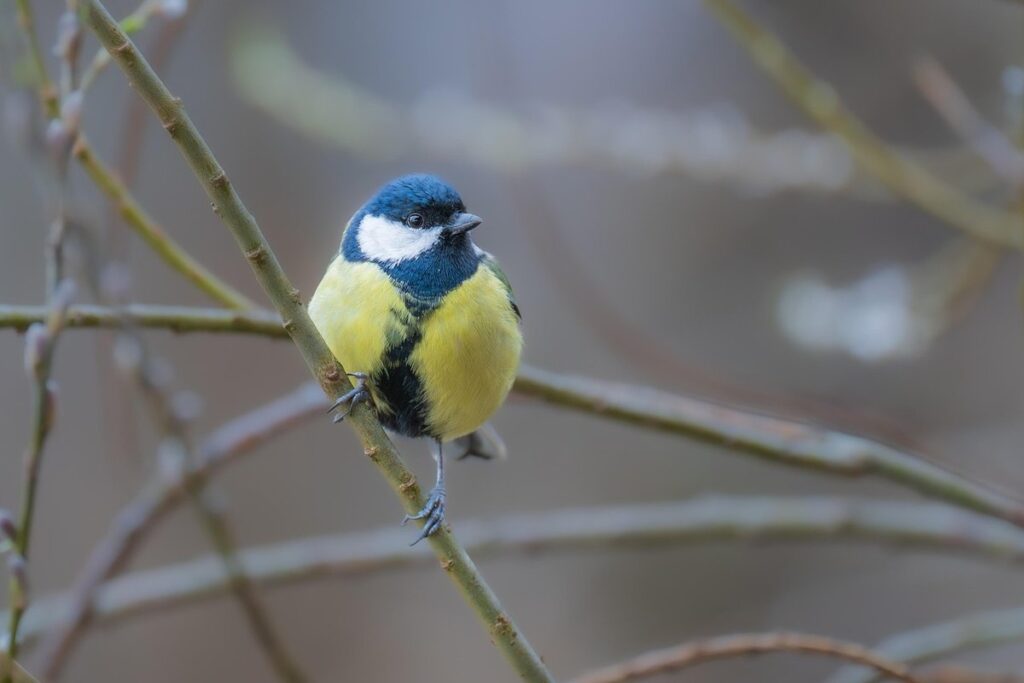
The Best Time and Places to Go Birding in DC
Whether you’re a seasoned birder or just starting out, we’ve got you covered with our expert recommendations on when and where to spot the best birds in Washington D.C.
Spring Migration Hotspots
As spring awakens in Washington D.C., some of the most spectacular bird watching experiences can be found at specific locations throughout the city. If you’re interested in witnessing the vibrant displays of migratory birds, consider visiting these three hotspots: Kenilworth Aquatic Gardens, Yards Park, and the National Arboretum.
Kenilworth Aquatic Gardens is a must-visit destination for any serious bird watcher during spring migration. The unique combination of freshwater wetlands and brackish marshes creates an ideal environment for waterfowl species like American Golden-Plovers, Willets, and Semipalmated Sandpipers to rest and refuel on their journey north. Be sure to scan the shores for shorebirds, and keep an ear out for the distinctive calls of warblers, vireos, and tanagers.
Yards Park is another prime location to spot a variety of bird species during spring migration. Its riparian habitat supports a diverse array of birds, including waterfowl, songbirds, and raptors. The park’s unique layout also makes it an excellent spot for observing birds in flight, particularly during peak migration periods.
The National Arboretum is home to a vast array of plant species that attract a wide range of bird life, making it an ideal location for spring migration bird watching. Look out for warblers, tanagers, and orioles flitting through the trees as they stop to feed on insects and nectar-rich flowers. With over 4,000 acres to explore, be sure to take your time and observe the diverse array of species that call this urban oasis home.
Year-Round Birding Spots
When it comes to year-round birding spots in DC, there are several fantastic options that allow you to connect with nature regardless of the season. Rock Creek Park is a must-visit destination for bird enthusiasts, boasting over 350 species throughout the year. Take a leisurely stroll along the park’s trails and keep an eye out for migratory birds such as warblers, tanagers, and orioles during spring and fall.
Another excellent choice is Glover-Archbold Park, which provides a haven for birders in search of year-round residents like American Goldfinches and Tufted Titmice. For those interested in exploring the urban waterways, the Anacostia Riverwalk Trail is an ideal destination. This 11-mile trail follows the Anacostia River and offers opportunities to spot herons, egrets, and even ospreys.
For a truly immersive experience, consider visiting these spots during the early morning or late afternoon when birds are most active. Don’t forget your binoculars and field guide – you never know what feathered friend might surprise you!
Understanding DC’s Avifauna: Common Species and Habitats
As we dive deeper into the world of DC bird watching, let’s take a closer look at the common species you’re likely to spot and their preferred habitats. From woodlands to wetlands, learn where to find these feathered friends.
Waterbirds and Shorebirds
When exploring DC’s avifauna, it’s not uncommon to spot various species of waterbirds and shorebirds. Herons, egrets, and sandpipers are just a few examples of the many types of birds you can encounter along the region’s waterways.
Habitats such as the Anacostia River, Potomac River, and tidal wetlands provide ideal breeding grounds for herons like the Great Blue Heron. These large, slate-gray birds are often seen wading through shallow waters in search of fish and other aquatic prey. Egrets, on the other hand, tend to prefer shallower water habitats with dense vegetation, such as the marshes along the Anacostia River.
Sandpipers, meanwhile, can be found in a variety of coastal and inland areas, including beaches and mudflats. These small to medium-sized shorebirds feed on tiny invertebrates like insects and crustaceans, which they find by probing into the sand with their long bills. If you’re looking to spot these birds during your DC bird-watching adventure, be sure to visit places like Kenilworth Aquatic Gardens or the Mall at night when they tend to congregate.
Some of the best times for spotting waterbirds and shorebirds in DC are early morning or late evening when they tend to be most active.
Woodland and Forest Birds
When venturing into DC’s parks and woodlands, you’ll have the opportunity to spot an array of woodland and forest bird species. These birds thrive in areas with dense foliage, where they can forage for insects, fruits, and seeds.
Warblers are one of the most abundant and colorful groups within this category, with 15-20 species documented in the region. Look out for American Goldfinches, Yellow Warblers, and Black-and-white Warblers flitting between branches as you walk through areas like Rock Creek Park or the Capital Crescent Trail. The warbler’s iridescent feathers shimmer in the sunlight, making them a delight to spot.
In addition to warblers, DC’s woodlands are also home to various tanager species. These birds, such as the Scarlet Tanager and the Summer Tanager, can be identified by their distinctive black or gray backs with brightly colored chests. Listen for their melodic songs, which often serve as a good indicator of their presence.
Vireos are another group worth keeping an eye out for. These small, greyish birds are known for their complex songs and varied plumage patterns. Spotting a Red-eyed Vireo or a Yellow-throated Vireo will add to your DC birding experience. As you explore these areas, keep in mind that the best time to spot these species is during the spring and fall migrations when they congregate in smaller numbers.
Essential Birding Gear and Tips for Beginners
To get started with bird watching, you’ll need a few essential pieces of gear, which we’ll cover next, along with some valuable tips to keep in mind as a beginner.
Choosing the Right Binoculars
When it comes to birding in DC, having the right binoculars can make all the difference. With so many species to spot and observe, you want to ensure that your optics are up to the task. As a beginner, choosing the right binoculars can be overwhelming, but don’t worry – we’ve got you covered.
First, consider the size: 7x or 8x magnification is ideal for birding, as it provides a good balance between image stability and ease of handling. Weight is also crucial, as you’ll likely be carrying your binoculars for extended periods. Look for models with a magnesium or rubber coating to reduce weight without sacrificing durability.
When selecting binoculars, examine the lens quality, specifically the ED (extra-low dispersion) glass which minimizes chromatic aberration and produces sharp images. Check the field of view (around 300-320 feet at 1,000 yards is a good range for birding). Lastly, opt for waterproof and fog-proof models to ensure your binoculars can withstand DC’s unpredictable weather.
Some excellent brands to consider include Zeiss, Swarovski, and Vortex Optics. Their high-quality binoculars are designed specifically with birders in mind and offer exceptional performance in low-light conditions.
Understanding Field Guides and Identification Tools
When it comes to identifying the diverse range of bird species found in Washington D.C., having the right field guides and identification tools is crucial. A good field guide can be a valuable companion on any birding excursion, helping you to accurately identify birds and learn more about their habits and habitats.
There are many excellent field guides available for birders, both in print and digital formats. Some popular options include the Sibley Guide to Birds and the National Audubon Society Field Guide to Birds. These comprehensive guides feature detailed descriptions, range maps, and photographs that can help you identify birds with confidence.
In addition to traditional field guides, there are also many mobile apps and online resources available for bird identification. Apps like Merlin Bird ID and iBird Pro use artificial intelligence and machine learning algorithms to help you identify birds based on your location and the characteristics of the bird you’ve seen. Online resources such as eBird and the Audubon Society’s birding portal offer additional tools, including range maps, sound recordings, and community forums for sharing sightings and advice.
By using a combination of field guides and identification tools, you’ll be well-equipped to tackle even the most challenging birding excursions in Washington D.C.
Expert Insights: Interviews with Local Birders
We’re thrilled to share exclusive interviews with local birding experts, who’ll give you a deeper understanding of what makes D.C.’s avifauna so unique. Meet the folks who’ve spent years tracking our city’s feathered friends.
Interview 1: A Seasoned Birder’s Perspective
We had the opportunity to sit down with Jane Wilson, a seasoned birder who has been exploring Washington D.C.’s avifauna for over 20 years. With her extensive knowledge and experience, she shared her insights on what makes DC such an exciting place for bird watching.
“Washington D.C. is an urban oasis,” Jane emphasized, “with a unique blend of natural habitats and geographic diversity that attracts a wide range of bird species.” She recommends visiting the Kenilworth Aquatic Gardens during spring migration season to witness the return of warblers, tanagers, and orioles. For year-round sightings, she suggests checking out Rock Creek Park’s wooded areas for woodpeckers, nuthatches, and chickadees.
To make the most of your birding trip, Jane advises being prepared with binoculars, a field guide, and patience. “Don’t be afraid to get off the beaten path,” she says. “Explore nearby neighborhoods like Anacostia and Bloomingdale for hidden gems like the Anacostia Riverwalk Trail.” With these insider tips and a little practice, you’ll be well on your way to becoming a DC birding expert in no time.
Interview 2: A Park Ranger’s Take on Birding in DC
As we venture into the world of birding in DC’s parks and green spaces, it’s essential to gain insights from those who know them best – the park rangers. We had the pleasure of speaking with Ranger Thompson, a seasoned expert on all things birds in our nation’s capital.
According to Ranger Thompson, “DC’s parks are a haven for birders, offering a diverse range of habitats that attract over 400 species of birds.” He recommends starting at Rock Creek Park, which boasts some of the most extensive wetlands and forests within the city. When we asked about the best time to spot certain birds, he emphasized the importance of timing: “Early mornings are ideal for spotting warblers and tanagers, while late afternoons are perfect for catching a glimpse of orioles.”
For those just starting out, Ranger Thompson suggests keeping an eye out for bird-friendly plants like native shrubs and trees. He also notes that many parks offer guided tours specifically designed for birders – be sure to check the park’s website or visitor center for more information.
Conservation Efforts and Citizen Science Initiatives
As you explore Washington D.C.’s birdwatching hotspots, it’s essential to learn how your observations contribute to conservation efforts and ongoing citizen science projects in the area.
The Importance of Urban Bird Conservation
Urban bird conservation is crucial for maintaining the health and biodiversity of Washington D.C.’s avifauna. Unfortunately, urban birds face numerous threats such as habitat loss and fragmentation, climate change, pollution, and human-wildlife conflict.
One significant threat to DC’s birds is window collisions. It’s estimated that up to 1 billion birds die each year in the United States alone due to this phenomenon. To mitigate this issue, some building owners have started incorporating bird-friendly design features such as glass with etched patterns or decals that reflect ultraviolet light, making them visible to birds.
Citizen science initiatives are also essential for urban bird conservation. Organizations like the DC Audubon Society offer opportunities for volunteers to participate in bird counts and monitoring projects. By contributing data and insights, citizens can help inform decision-making on conservation efforts. For instance, the DC Bird Count is a long-running project that helps track population trends and migration patterns of local bird species.
As a birder visiting or living in Washington D.C., you too can contribute to urban bird conservation by making environmentally friendly choices such as reducing your carbon footprint, using eco-friendly cleaning products, and supporting local conservation efforts.
Opportunities for Citizen Science in DC
Washington D.C. is home to numerous citizen science projects that allow individuals to contribute to bird research and conservation efforts. One such project is the eBird DC program, which relies on user-submitted data to create a comprehensive understanding of the region’s avifauna. By submitting their own bird sightings, users help scientists track migration patterns, population trends, and species distributions.
Citizen science initiatives like the Washington Area Bird Alert also rely on public participation to monitor bird populations and report rare or unusual sightings. The DC chapter of the Audubon Society is another great resource for individuals looking to get involved in citizen science projects. They often lead guided bird walks and offer opportunities for volunteers to assist with bird surveys and monitoring.
In addition, the Smithsonian’s Migratory Bird Center offers a variety of research opportunities and volunteer programs that allow citizens to contribute to bird conservation efforts. These programs not only provide valuable data but also help raise awareness about the importance of protecting migratory birds and their habitats.
Conclusion: Encouraging Further Exploration and Research
As you’ve reached the end of our bird watching guide, we hope you’re inspired to continue exploring Washington D.C.’s diverse avifauna on your own. This final section offers additional resources for further research and discovery.
Final Thoughts on Birding in DC
As we come to the end of this comprehensive guide to bird watching in Washington D.C., we hope you’ve had a chance to explore some of the incredible birding hotspots and habitats that our nation’s capital has to offer. Whether you’re a seasoned birder or just starting out, DC’s diverse avifauna is sure to captivate and inspire.
One key takeaway from this guide is the importance of planning and preparation when it comes to bird watching in DC. From familiarizing yourself with the local species to knowing where to go and what time of year to visit, doing your research can make all the difference in maximizing your chances of spotting new birds. Take note of the peak migration seasons and plan your trips accordingly – you might be surprised at how many species can be seen during these times!
As you continue to explore DC’s birding scene, don’t be afraid to get creative with your approach. Try your hand at citizen science projects like eBird or participate in local bird counts to contribute to our understanding of the region’s avifauna. And remember to take advantage of resources like birding apps and online forums – they can provide valuable insights and tips from experienced birders.
Perhaps most importantly, we encourage you to keep exploring and learning about birding in Washington D.C. Whether it’s a weekend trip to Rock Creek Park or a stroll through the Smithsonian’s National Arboretum, there are countless opportunities to discover new birds and connect with nature. So why not lace up your hiking boots, grab your binoculars, and see what wonders DC has in store for you?
Frequently Asked Questions
What’s the best way to identify birds in Washington D.C., especially during spring migration when so many species are present?
To confidently identify birds, it’s essential to invest in a field guide specific to your region. Consider “The Sibley Guide to Birds” or “National Audubon Society Field Guide to Birds.” Familiarize yourself with key characteristics, such as plumage patterns, beak shape, and size. Pay attention to distinctive calls and behaviors that can help narrow down the identification process.
How do I ensure I’m not disturbing the birds during my visit to Kenilworth Aquatic Gardens or other sensitive habitats?
Responsible birding is crucial in preserving these ecosystems. Keep a safe distance from birds (at least 10-15 feet), avoid loud noises, and never feed them. Additionally, refrain from littering or damaging vegetation. If you’re unsure about the best viewing areas, consult with park rangers or local birding groups for guidance.
Can I participate in citizen science projects in Washington D.C. to contribute to urban bird conservation efforts?
Yes! Organizations like eBird and Project FeederWatch encourage public participation in monitoring bird populations. You can also partner with local universities or research institutions on projects focused on urban bird ecology. Engage with these initiatives to make a tangible impact on DC’s avifauna.
Are there any free or low-cost birding resources available for beginners, aside from the guide we discussed earlier?
Absolutely! The Audubon Society offers free bird identification guides and checklists on their website. You can also download mobile apps like iBird Pro or Merlin Bird ID for expert-level guidance on species identification and habitat information. Additionally, many local libraries and community centers host free birding workshops and events.
How do I choose the right binoculars for my DC bird watching adventures, considering factors like weight, magnification, and image stability?
When selecting binoculars, prioritize a sturdy design that balances weight with optical quality. Look for 7x or 8x magnification as a sweet spot for general birding. Image stabilization is also crucial for handheld use; consider models with this feature for smoother views. Read reviews from fellow birders and try before you buy to ensure the best fit for your needs.