
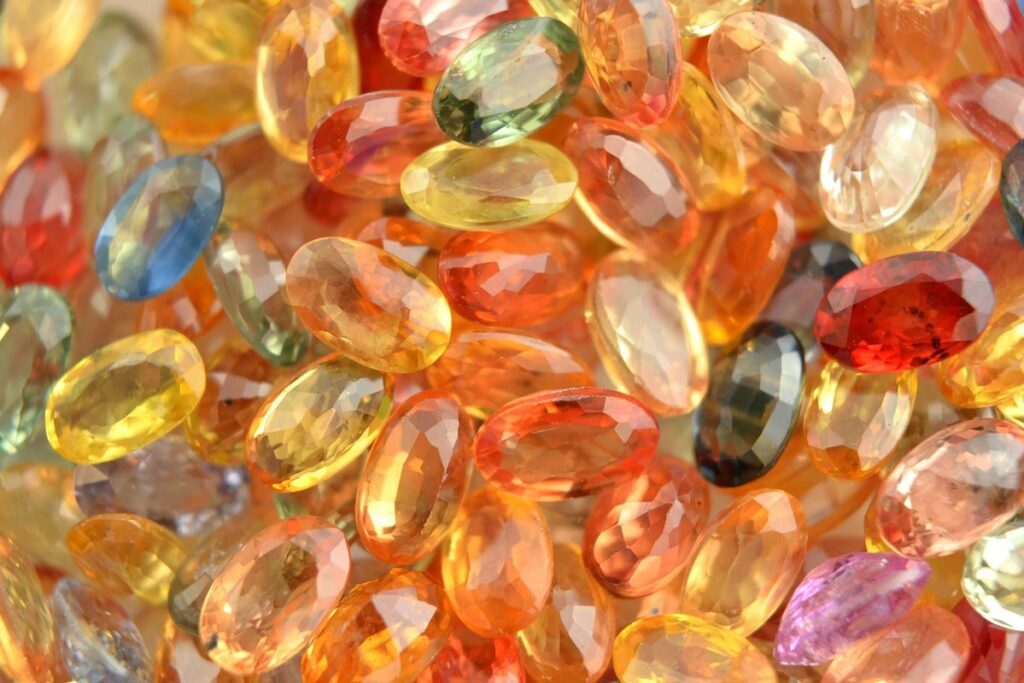
When it comes to luxury gemstones, few stand out as majestically as sapphires. These stunning stones have captivated hearts for centuries with their deep blues and rich purples, but did you know that sapphires come in a rainbow of colors? From vibrant pinks and reds to rare blacks and greens, each hue offers its own unique charm and value. But what makes these colored sapphires tick? Is one color more valuable than another? And how do treatments and market trends impact their worth? In this comprehensive guide, we’ll delve into the world of colorful sapphires, exploring their origins, characteristics, and market demand to give you a deeper understanding of these precious stones. Whether you’re a seasoned collector or just starting your gemstone journey, this article is for you.
Understanding Sapphire Coloration
Sapphire coloration is often misunderstood, leading to confusion among even experienced collectors. Let’s dive into the science behind how sapphires get their unique hues and tones.
Natural vs. Treatments
When it comes to sapphire coloration, one of the most significant distinctions is between natural and treated colors. While natural sapphires owe their hues to geological processes that occur deep within the earth’s crust, treated sapphires undergo external enhancements to achieve their desired shades.
Treatments like irradiation and heat can significantly alter a sapphire’s color profile. Irradiation involves exposing the stone to high-energy radiation, which can convert aluminum ions into chromium or vanadium, resulting in vibrant blue or green hues. Heat treatment, on the other hand, involves subjecting the stone to intense heat, causing certain elements to migrate and alter its color.
However, it’s essential to note that some treatments are not disclosed by sellers, making it difficult for consumers to distinguish between natural and treated sapphires. To ensure authenticity, look for certifications from organizations like the Gemological Institute of America (GIA) or the International Gemological Institute (IGI). When purchasing a treated sapphire, consider its value proposition – is the enhanced color worth the additional cost? Ultimately, understanding the distinction between natural and treated sapphires will help you make informed decisions when shopping for this stunning gemstone.
Origins of Sapphire Colors
Sapphires owe their incredible diversity of colors to the presence of various impurities and defects within their crystalline structure. This natural phenomenon is a result of the unique conditions under which these gemstones form deep within the Earth’s crust.
For instance, corundum – the mineral species that sapphires belong to – can be doped with chromium ions, giving rise to the vibrant blue hue characteristic of so-called “blue sapphires.” In contrast, rubies owe their distinctive red color to an abundance of aluminum oxide molecules. The presence of other impurities and defects within the crystal structure influences not only its color but also its clarity and durability.
Understanding the geological origins of various sapphire colors can be crucial for collectors, gem enthusiasts, and even investors seeking to acquire rare or high-quality specimens. To better appreciate these stunning gemstones, it’s essential to consider their natural history – from the intense heat and pressure within Earth’s mantle that forged their crystalline structure, to the unique conditions under which they were formed.
Certain defects can enhance a sapphire’s color, making it more valuable on the market. For example, some blue sapphires exhibit an asterism effect due to the presence of tiny inclusions or imperfections in their crystal lattice – this phenomenon is known as “star sapphires.”
Blue Sapphires: From Lightest to Darkest Shades
Let’s explore the breathtaking range of blue sapphires, from delicate sky blues to rich navy tones and every shade in between, each with its own unique charm. Whether you’re a seasoned collector or just starting out, this section is for you.
Fancy Vivid Blue Sapphires
Fancy vivid blue sapphires are indeed a sight to behold. These extraordinary gemstones are prized for their remarkable color intensity and rarity. To qualify as a fancy vivid blue sapphire, the stone must exhibit an exceptionally high level of saturation and vividness, making it truly stand out from other blue sapphires.
What makes these stones so valuable is their extremely low frequency in nature. According to the Gemological Institute of America (GIA), only about 1% of all blue sapphires qualify as fancy vivid, making them highly sought after by collectors and connoisseurs. The unique characteristics that set these stones apart include their intense, vibrant hue, often described as “cornflower blue” or “Royal blue”.
When shopping for a fancy vivid blue sapphire, look for the following factors: high color grade (typically Fancy Vivid or higher), excellent clarity, and a cut that maximizes the stone’s natural brilliance. Remember that even small inclusions can significantly impact the overall appearance of the stone. As with any rare gemstone purchase, it’s essential to work with reputable dealers who provide detailed reports from esteemed organizations like the GIA.
Royal Blues and Their History
Royal blues have long been associated with luxury and exclusivity, thanks to their rich history in India. This majestic shade was once reserved for royalty, and its allure has since transcended cultural boundaries, becoming a coveted gemstone color in Western cultures. The story behind royal blue sapphires is one of opulence and grandeur.
In ancient India, the royal family would often wear jewelry adorned with deep blue sapphires to signify their status and wealth. These precious stones were believed to possess spiritual significance, connecting the wearer to the divine. To this day, Indian royalty still incorporates blue sapphires into their traditional attire, paying homage to a centuries-old tradition.
As Western cultures became enamored with Indian luxury, the royal blue sapphire emerged as a symbol of sophistication and refinement. Today, these stunning gemstones are prized for their rarity and rich history. If you’re considering adding a touch of regal elegance to your jewelry collection, look for high-quality royal blue sapphires that boast vibrant color and exceptional craftsmanship.
Pink to Red Sapphires: Unveiling the Warm Hues
Let’s dive into the warm and inviting world of pink to red sapphires, where romance and elegance come alive in every stone. These sapphires boast a vibrant range of hues from soft blush tones to deep cherry reds.
Pink Sapphire: Shades from Pastel to Bubblegum
Pink sapphires have captured the hearts of many with their delicate hues ranging from soft pastel shades to vibrant bubblegum tones. These enchanting stones owe their existence to a combination of geological processes and human intervention.
Originating primarily in Madagascar, pink sapphires are created by the presence of chromium and iron impurities within the corundum mineral structure. However, it’s essential to note that natural pink sapphires are relatively rare compared to other types of sapphires. This scarcity contributes to their allure among collectors and connoisseurs.
Heat treatment has significantly impacted the availability and affordability of pink sapphires. By exposing the stones to high temperatures, artisans can enhance or alter the color intensity. While this process can make pink sapphires more accessible to a broader market, it’s crucial for buyers to understand that heat-treated stones may affect their resale value.
When searching for a pink sapphire, it’s essential to consider not only its beauty but also its origin and treatment history. By doing so, you’ll be able to appreciate the unique characteristics of your stone while making an informed purchase decision.
The Rarity of Red Sapphires
Red sapphires are among the rarest and most valuable of all due to several factors that contribute to their scarcity. One primary reason is market supply – demand for red sapphires far exceeds available inventory, making them increasingly difficult to find. This imbalance drives up prices and makes these stones even more coveted.
From a geological perspective, red sapphires are formed under specific conditions involving high pressure and temperature in the Earth’s crust. These exacting requirements limit their occurrence, mainly confining it to certain areas like Madagascar, where they’re often found in alluvial deposits.
Historical significance also plays a role in the rarity of red sapphires. In the 19th century, a few large, high-quality stones entered the market, influencing public perception and fueling a demand for these elusive gems. Today, collectors and connoisseurs continue to seek out these exceptional specimens, driving up prices and solidifying their status as one of the rarest – and most valuable – sapphire colors.
Green to Yellow Sapphires: Unlocking Earthy Tones
Let’s dive into the warm and inviting world of green to yellow sapphires, where earthy tones take center stage in jewelry design. These naturally occurring colors are a staple in many collections.
Hidden Treasures: Finding Natural Green Sapphires
When it comes to green sapphires, the market is flooded with synthetic and treated options that can make it challenging to identify natural stones. However, with some knowledge and expertise, you can distinguish between genuine and artificially created green sapphires.
One key factor to consider is the stone’s clarity. Natural green sapphires tend to have inclusions such as rutile needles or jadeite, which give them a unique appearance. On the other hand, synthetic stones often lack these inclusions or may have a more uniform structure. Look for stones with a natural “jardin” effect, where tiny inclusions create a network of lines.
Another way to verify the authenticity of a green sapphire is by examining its color distribution. Natural stones tend to have a more subtle gradation of color, whereas synthetic stones often display an overly uniform or artificially enhanced hue. Check for any inconsistencies or irregularities in the stone’s color pattern – if it looks too perfect, it might be treated.
It’s also essential to research the seller and check for certification from reputable organizations like the Gemological Institute of America (GIA) or the International Colored Gemstone Association (ICA). These institutions can provide detailed reports on the stone’s authenticity and quality.
Canary Diamonds – A Misnomer?
Canary diamonds are often touted as a rare and exclusive gemstone, but the truth is far more accessible. In reality, canary diamonds are simply yellow sapphires that have been mislabeled due to their vibrant color. This phenomenon highlights the importance of proper identification when shopping for colored gemstones.
Let’s set the record straight: true canary diamonds, with their exceptional clarity and intense yellow hue, are extremely rare in nature. However, most “canary diamond” offerings on the market are actually treated yellow sapphires or high-quality natural yellow sapphires that have been cleverly marketed as diamonds.
To navigate this complex landscape, it’s essential to understand the 4Cs of colored gemstones: cut, color, clarity, and carat weight. When evaluating a canary diamond, look for a stone with a rich, even tone and excellent cut quality. Be wary of stones that seem too good (or expensive) to be true – they might be hiding a secret.
Purple to Black Sapphires: Exploring the Dark Side
As we venture into the darker end of the sapphire spectrum, we’ll explore the allure and rarity of purple to black sapphires, including their unique characteristics. These mysterious stones are truly a sight to behold!
Ammolite or Violet Sapphire: What’s Real?
When exploring the darker side of sapphires, it’s not uncommon to come across two materials that are often confused with one another: ammolite and violet sapphire. While they may share a similar appearance, these gemstones have distinct properties, origins, and market statuses.
Ammolites, for instance, are ammonite fossils that contain iridescent colors, including purple. These unique stones are relatively rare and can be found in limited quantities in Canada. Due to their rarity, ammolites are highly prized by collectors and can command high prices on the market.
Violet sapphires, on the other hand, are a type of corundum that has been treated or irradiated to achieve its distinctive purple hue. This process involves exposing the stone to high temperatures or radiation to create the desired color. As a result, violet sapphires can be found in larger quantities and at lower price points compared to ammolites.
To ensure you’re purchasing an authentic ammolite or violet sapphire, look for documentation from reputable gemological laboratories, such as the Gemological Institute of America (GIA). These reports will provide information on the stone’s origin, treatment history, and authenticity.
The Enigmatic Black Sapphires
Black sapphires have long been shrouded in mystery, their rarity and unique characteristics making them a prized possession among collectors. One of the most significant factors contributing to their allure is their scarcity – black sapphires are incredibly difficult to find due to the presence of titanium or vanadium impurities that give them their characteristic color.
When it comes to evaluating the quality of a black sapphire, its clarity and cut play crucial roles. Look for stones with minimal inclusions and an expert cut that maximizes their brilliance. A well-cut black sapphire can appear almost like a void, drawing the eye in with its mysterious allure.
Interestingly, not all black sapphires are created equal – some may exhibit a gray or blue tint due to varying levels of impurities. To ensure you’re purchasing a genuine black sapphire, have it certified by a reputable gemological laboratory. This will not only confirm its authenticity but also provide valuable information about its composition and potential for inclusions.
While rare, high-quality black sapphires can be found at auctions or through specialty jewelers. If you’re considering adding one to your collection, do your research and be prepared to make an investment – a truly exceptional black sapphire is sure to command a premium price.
Sapphire Color Rarity Scale: A Guide for Buyers
When shopping for sapphires, understanding their color rarity is crucial to making informed purchasing decisions. This guide breaks down the rarest and most sought-after colors in the world of sapphires.
Understanding the 4Cs with a Focus on Color Grading
When evaluating sapphires, it’s easy to get caught up in the carat weight and clarity of a stone. However, color is a crucial aspect of determining a sapphire’s value within the larger framework of the 4Cs. The Color Grading Scale, also known as the 4C Color System, categorizes sapphires based on their hue, saturation, and lightness.
The system assigns letters to each category: D (Colorless) to Z (Light Yellow or Brown). However, within this framework, there are four distinct color categories that significantly impact a stone’s value: Blue, Pink, Yellow, and Green. For example, a blue sapphire with high saturation will command a higher price than one with low saturation.
To navigate the complexities of the 4Cs, it’s essential to consider the interaction between carat weight, clarity, cut, and color. A larger stone with inclusions may appear less desirable than a smaller, inclusion-free gem with a vibrant color. When evaluating sapphires for purchase, look beyond surface-level characteristics and assess how each factor contributes to the overall value of the stone.
In practical terms, buyers should consider the following when evaluating sapphire color:
* The stone’s natural hue versus any artificial enhancements
* How light interacts with the stone (e.g., does it appear more vibrant in daylight or artificial lighting?)
* Whether the color is evenly distributed throughout the stone
By focusing on these key factors, potential buyers can make informed decisions and find sapphires that meet their specific preferences and budget.
Tips for Choosing the Right Sapphire Color
When searching for the perfect sapphire, it’s essential to consider more than just its beauty. Your lifestyle and personal style should also play a significant role in choosing the right color. For instance, if you have an active lifestyle or work outdoors, a darker or richer shade like blue or green might be more practical than a pale or delicate hue.
On the other hand, if your wardrobe is predominantly bright and bold, a vibrant orange or yellow sapphire could complement it perfectly. Think about the colors in your closet, accessories, and home decor to ensure the sapphire’s color will integrate seamlessly.
Another crucial factor is long-term value. While exotic colors like padparadscha pink or green may seem stunning, they can be less durable than traditional blue or white sapphires due to their unique chemical composition. Consider how you plan to wear or showcase your sapphire in the future and choose a color that aligns with your aspirations.
Ultimately, selecting the right sapphire color is about finding harmony between aesthetics, lifestyle, and practicality. Take time to reflect on your preferences and needs before making a decision, ensuring your dream sapphire truly reflects your personality.
Conclusion: Unlocking Your Dream Sapphire
As you’ve navigated through the vast array of sapphire colors, it’s essential to remember that each hue holds its unique charm and significance. Whether you’re drawn to the deep blues of Ceylon or the vibrant greens of Madagascar, every sapphire tells a story of rarity and beauty. By understanding the diverse world of sapphires, you’ll be better equipped to identify your personal preferences and make informed choices when selecting the perfect gemstone.
This newfound knowledge will empower you to unlock your dream sapphire, one that perfectly complements your style, personality, and lifestyle. So take the next step: explore different settings and styles, and don’t be afraid to mix and match colors to create a truly unique piece. With patience and persistence, you’ll find the perfect sapphire to treasure for years to come.
Frequently Asked Questions
How do I verify the authenticity of a colored sapphire’s natural coloration?
When buying a colored sapphire, it’s crucial to ensure its color is natural rather than treated. Look for a certificate from a reputable laboratory like the Gemological Institute of America (GIA) or the International Gemological Institute (IGI). These reports will indicate whether the stone has undergone treatments. If you’re still unsure, consult with an expert gemologist who can examine the sapphire and provide guidance.
What’s the difference between irradiation and heat treatment in colored sapphires?
While both irradiation and heat treatment can enhance a sapphire’s color, they have distinct effects. Irradiation involves exposing the stone to high-energy radiation, which can create new colors or deepen existing ones. Heat treatment, on the other hand, involves heating the sapphire to extreme temperatures to alter its crystal structure and color. Understanding these differences is key when evaluating a colored sapphire’s value.
Can I still consider a treated sapphire as an investment piece?
Yes, but it depends on various factors. While treatments can affect a sapphire’s resale value, some high-end buyers are willing to pay premium prices for well-treated stones with exceptional clarity and cut. Consider the stone’s overall quality, market demand, and your target audience before deciding whether a treated sapphire is suitable as an investment piece.
How do I choose between a pink sapphire and a rubellite?
Pink sapphires owe their color to chromium or vanadium impurities, while rubellites are actually red garnets often mistaken for pink sapphires. To make an informed choice, examine the stone’s spectral signature using a gemological microscope or consult with a professional who can analyze its optical properties.
Can I mix and match colored sapphires to create a unique piece of jewelry?
Yes, combining different colored sapphires in one piece can result in stunning, one-of-a-kind designs. Consider the color palette you want to achieve, the stones’ clarity and cut, and how they’ll interact with each other under various lighting conditions. Work closely with your jeweler or designer to ensure a harmonious blend of colors that meets your vision.